





 Portuguese
  English
  Spanish
  6 min of reading
  1 comment





Petrobras Employees Approve Union Proposal and End Mobilization in Northern Fluminense, While the Strike Continues in the Santos Basin, Keeping Attention on Offshore Operations and Oil Production
On Tuesday, December 30, Petrobras Employees working in the Campos Basin decided to end a strike that began on December 15. The decision was made in a meeting organized by the North Fluminense Oil Workers Union (Sindipetro-NF), after the approval of a new proposal presented by the state company for the Collective Labor Agreement (ACT).
According to an article published by CNN on Tuesday (30), despite the progress, the mobilization was not ended throughout the country. Workers represented by unions linked to the National Federation of Oil Workers (FNP), including those in the Santos Basin, remain on strike, keeping the oil sector on alert.
Strike of Petrobras Employees and the Context of Negotiations
The agreement approved in the Campos Basin ends one front of the stoppage, but does not completely eliminate tensions between Petrobras and part of its employees. The scenario reflects a delicate moment in the company’s labor relations, which operates strategic assets for the national production of oil and natural gas.
-
Brazilian giant expands borders in the Southeast: Petrobras confirms new oil discovery in ultra-deep waters in the pre-salt of the Campos Basin.

-
Alert in the global energy market: Severe tropical cyclone hits the coast and disrupts gas production at major plants in Australia, threatening global supply.

-
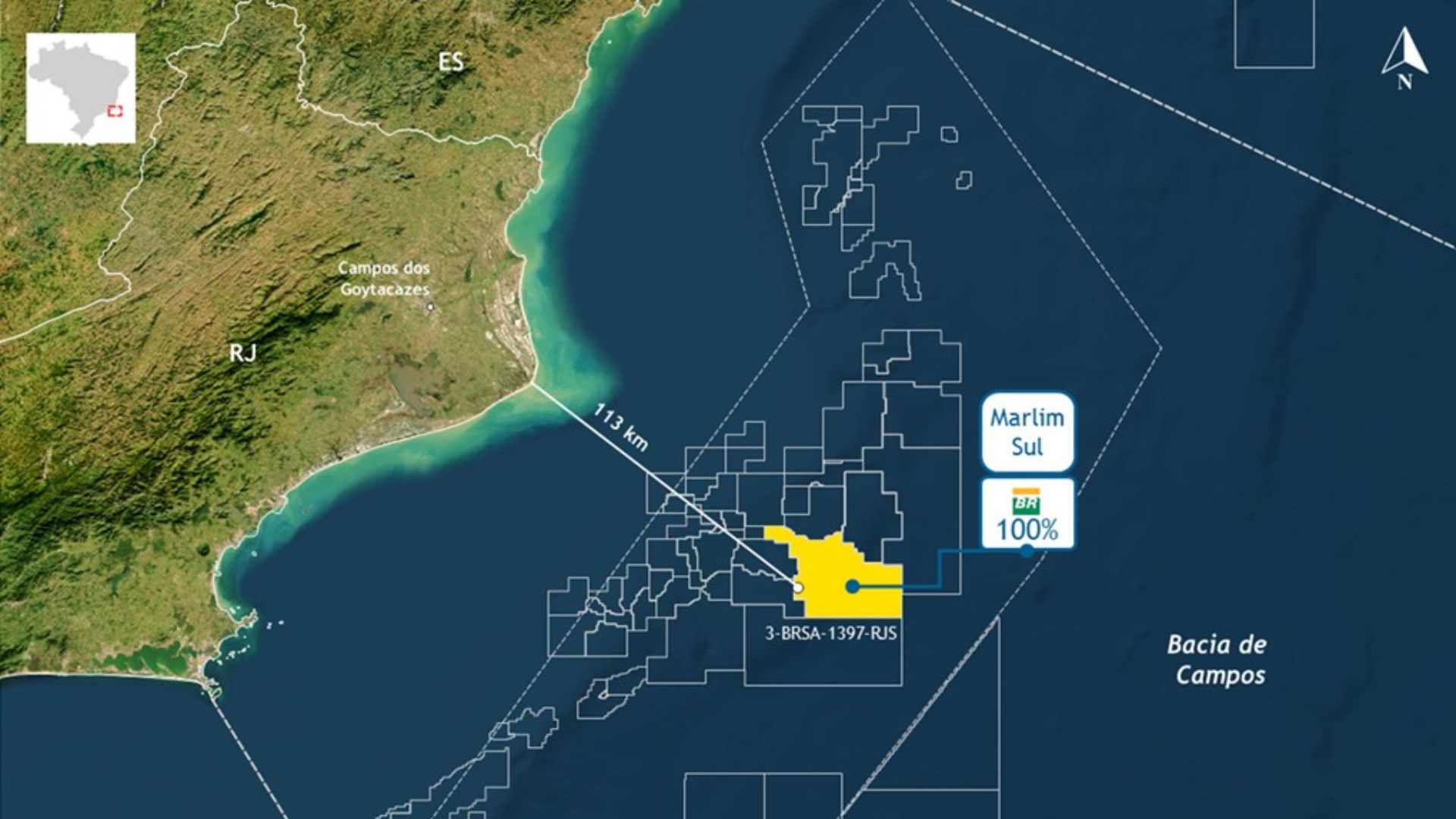
Petrobras finds high-quality oil in the pre-salt at 113 km from RJ and reignites expectations about strategic reserves in the Campos Basin.

-
Ocyan opens registrations for startups focused on innovation in the oil and gas sector and will select projects for Innovation Day with the support of Nexio.


The strike by Petrobras Employees began on December 15 and was part of a national movement initially orchestrated by unions affiliated with the Unified Federation of Oil Workers (FUP). A total of 13 entities participated in the mobilizations in different regions of the country, demanding improvements in the ACT and adjustments to clauses deemed sensitive by the workers.
With the progress of negotiations, most unions approved FUP’s indication to end the stoppages in the week leading up to the North Fluminense assembly. However, Sindipetro-NF chose to maintain the strike until a new counterproposal was presented by the company.
According to the union, Petrobras’s final proposal brought 83 wording changes and the inclusion of new benefits, which led to the agreement’s approval by the category. The decision marked the end of the strike in the Campos Basin, one of the most traditional regions of Brazilian offshore production.
Campos Basin and the Decision to End the Strike
The Campos Basin plays a historical role in the Brazilian oil industry and remains relevant for Petrobras, especially in the operation of mature fields, production platforms, and offshore maintenance activities. A significant number of Petrobras Employees work directly in the region, making any stoppage an operational risk factor.
During the meeting, in addition to approving the ACT, workers decided to maintain the State of Permanent Assembly and the State of Strike. According to Sindipetro-NF, this measure aims to closely monitor the fulfillment of commitments made by the company.
The strike fulfilled its role, stated Sérgio Borges, the union’s general coordinator. For the entity, the mobilization reinforced union autonomy and ensured concrete advances in collective negotiations.
With the end of the strike in the Campos Basin, the expectation is for a total normalization of operational activities in the coming days, reducing uncertainties for Petrobras and the productive chain of the oil sector in Northern Fluminense.
Stoppage in the Santos Basin Maintains Pressure on the Oil Sector
While the situation was resolved in the Campos Basin, the strike remains active among the FNP-affiliated unions. Among them is Sindipetro-LP, which represents workers from the São Paulo Coast and the Santos Basin, a region considered the main oil and gas production hub in Brazil.
The Santos Basin concentrates the largest volumes of pre-salt oil, including high productivity fields and strategic platforms for Petrobras’s performance. Therefore, the continuation of the strike in this area keeps the market on alert, even in light of the company’s guarantees regarding production continuity.
The stoppage in the Santos Basin occurs at a time of high strategic importance, as the region accounts for the largest part of the recent growth in national oil production. Any prolonged instability is likely to be closely monitored by investors, the government, and energy sector agents.
Petrobras Claims That the Strike Did Not Affect Oil Production
In an official statement released to the press, Petrobras stated that the strike by Petrobras Employees did not impact oil production or the supply to the market. The company reported that contingency plans were activated and operational security teams were mobilized whenever necessary.
On the eve of the end of the strike in the Campos Basin, Petrobras informed Reuters of a temporary interruption in production on the P-69 platform, located in the Tupi field, in the pre-salt of the Santos Basin. According to the state company, the stoppage occurred due to a routine safety procedure and was not directly related to the strike movement.
The company reiterated that operations continue within safety standards and that there was no compromise in oil production, reinforcing the narrative of operational stability even amid union mobilizations.
Division Among Union Federations Marks the Strike Movement
The distinct outcome among the regions highlights a division among the representative entities of the workers. While unions linked to the FUP opted to end the strike after advances in the ACT, the four unions affiliated with the FNP decided to maintain the stoppage.
This scenario reflects historical divergences in negotiation strategies with Petrobras. Labor relations specialists in the oil sector point out that collective negotiations in large companies tend to generate asymmetrical agreements, especially when involving different regional bases and union federations.
The continuation of the strike in the Santos Basin, even without direct impacts on production to date, maintains political and union pressure on the company, in addition to prolonging the environment of uncertainty.
Economic Importance of the Campos Basin and the Santos Basin
The Campos Basin and the Santos Basin occupy central positions in the Brazilian oil industry. While the former played a decisive role in the development of the national offshore, the latter has become the main engine of production with the exploration of the pre-salt.
Together, these regions concentrate billions in investments, generation of direct and indirect jobs, and significant collection of royalties and government participations. Therefore, any strike movement involving Petrobras Employees in these areas gains national repercussion.
The end of the strike in the Campos Basin reduces local risks, while the continuation of the stoppage in the Santos Basin keeps the sector under constant observation.
The Scenario After the Agreement and the Next Steps
With the approval of the collective agreement, Petrobras Employees in the Campos Basin resume their activities in a more predictable environment. Nevertheless, the maintenance of the State of Permanent Assembly indicates that the category will remain mobilized and attentive to the full compliance with the ACT.
In the Santos Basin, the future of the strike will depend on the progress of negotiations between Petrobras and the unions affiliated with the FNP. If new agreements are reached, the movement can be concluded. Otherwise, the stoppage tends to prolong, albeit under the company’s constant monitoring.
The episode reinforces the importance of continuous dialogue in a strategic sector like oil, where operational safety, labor stability, and economic predictability go hand in hand.
Impacts and Relevance for the Future of Petrobras
The partial end of the strike shows that negotiation remains the main path for resolving labor disputes at Petrobras. At the same time, the continuation of the stoppage in strategic areas highlights that the process is still ongoing.
For the company, ensuring the stability of offshore operations is essential not only for oil production but also to maintain market confidence and meet its energy commitments. For the workers, the movement reinforces the role of mobilization as a tool for pressure and negotiation.
The complete resolution of the strike will be decisive for Petrobras’s operational environment in the coming months, especially in a scenario where oil is of high relevance to the Brazilian economy and the balance of the national energy sector.








Com esse presidente,tudo está virando sucata . está destruindo o Brasil 🇧🇷