





 English
  Francês
  Alemão
  Italiano
  Japonês
  Norueguês
  Portuguese
  Spanish
 4 min of reading



Sovereign Investment Fund of Abu Dhabi, with Approximately US$ 5 Billion in Assets in Brazil, Takes on Billion-Dollar Debt of Invepar and Starts Controlling the Metro of Rio de Janeiro
The Mubadala group, sovereign investment fund of the crown prince of Abu Dhabi, United Arab Emirates, wants to sell Rota das Bandeiras in São Paulo for over R$ 4 billion, responsible for the D. Pedro Corridor, which has the D. Pedro I Highway as the main road of the corridor, reported yesterday (01/16) O Globo columnist Lauro Jardim.
See Also
- Seeking the Buyer of the Debenture Auctioned for Over R$ 612 Million, of Former Billionaire Eike Batista
- After New Increase in Gasoline and Diesel Prices by Petrobras, State Secretaries Decide to End ICMS Freeze on Fuels and Consumers Have Nowhere to Turn
- Start of Production Sharing of FPSOs P-70 and Carioca Will Impact Petrobras’s Goals, and the State-Owned Company Announces Reduction of Oil Production to 2.6 Million, Stopping the Production of 70 Thousand Barrels of Oil Equivalent per Day
- China, the World’s Largest Oil Importer, ‘Skirts’ US Sanctions and Buys Over 324 Million Barrels from Venezuela and Iran at Low Prices
The investment fund acquired, for the first time, a stake in Rota das Bandeiras last year for R$ 2 billion, taking full control of nearly 300 kilometers of highway, which runs through 17 municipalities in the region, with over 2.5 million inhabitants. The sale is expected to yield over R$ 4 billion (US$ 722.75 million) for Mubadala.
According to information from O Globo, the sovereign investment fund hired BTG Pactual bank to negotiate the sale of the concessionaire.
-
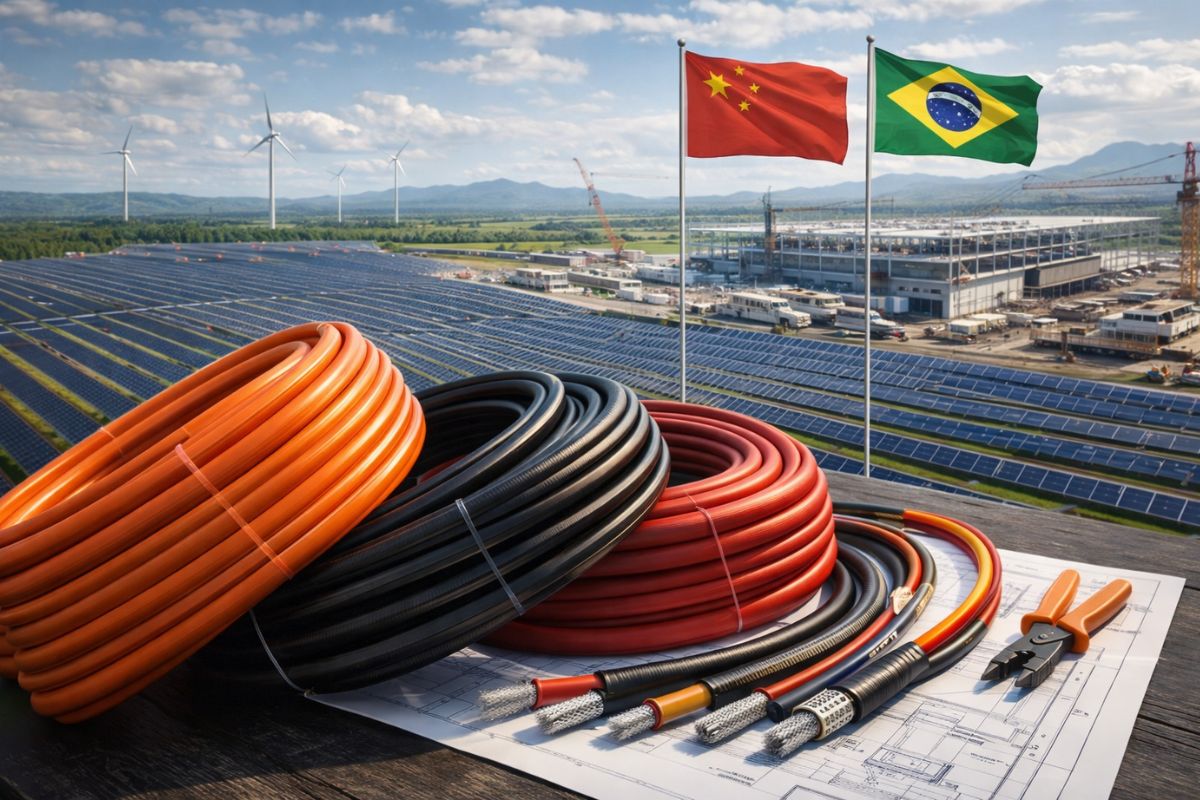
Chinese giant worth nearly R$ 4 billion that manufactures cables for electric cars, solar energy, and robotics wants to open a factory in SC.
-
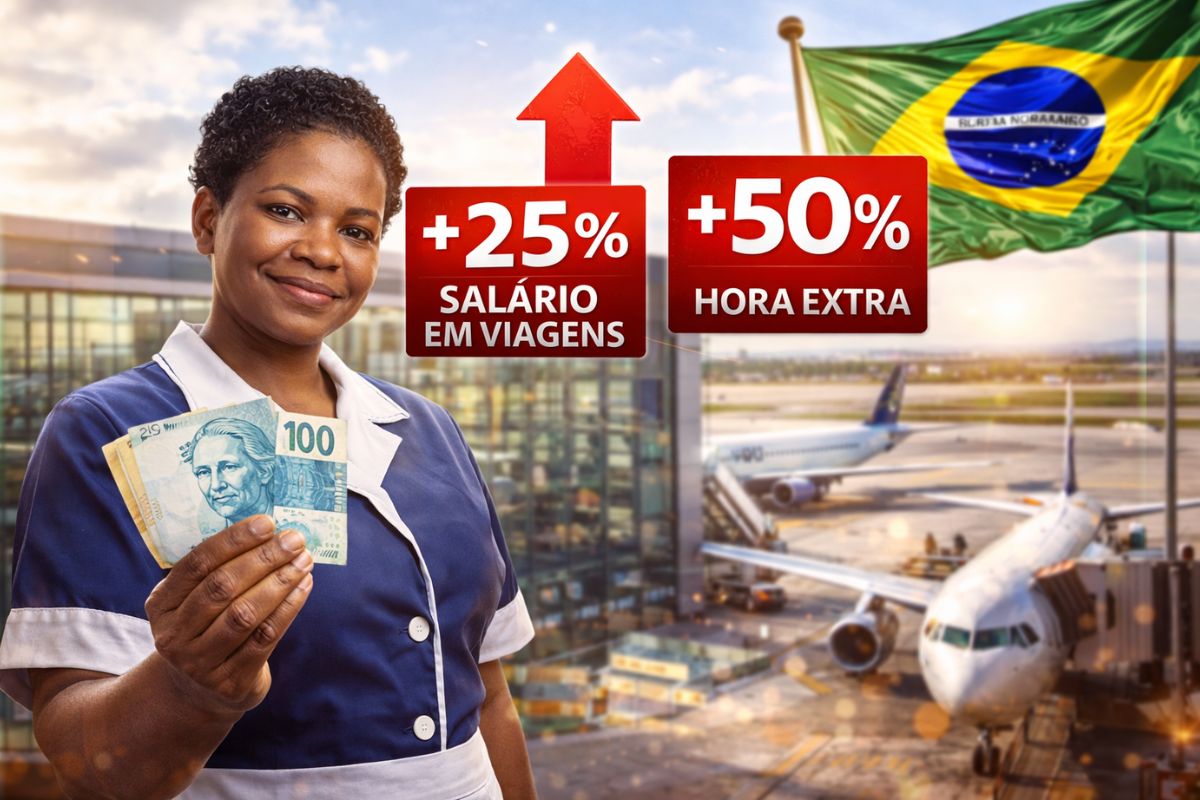
Many employers do not know, but the law guarantees domestic workers a 25% increase in salary during trips, 50% for overtime, 20% for night shifts, and 17 additional benefits that can lead to labor lawsuits if not paid.
-
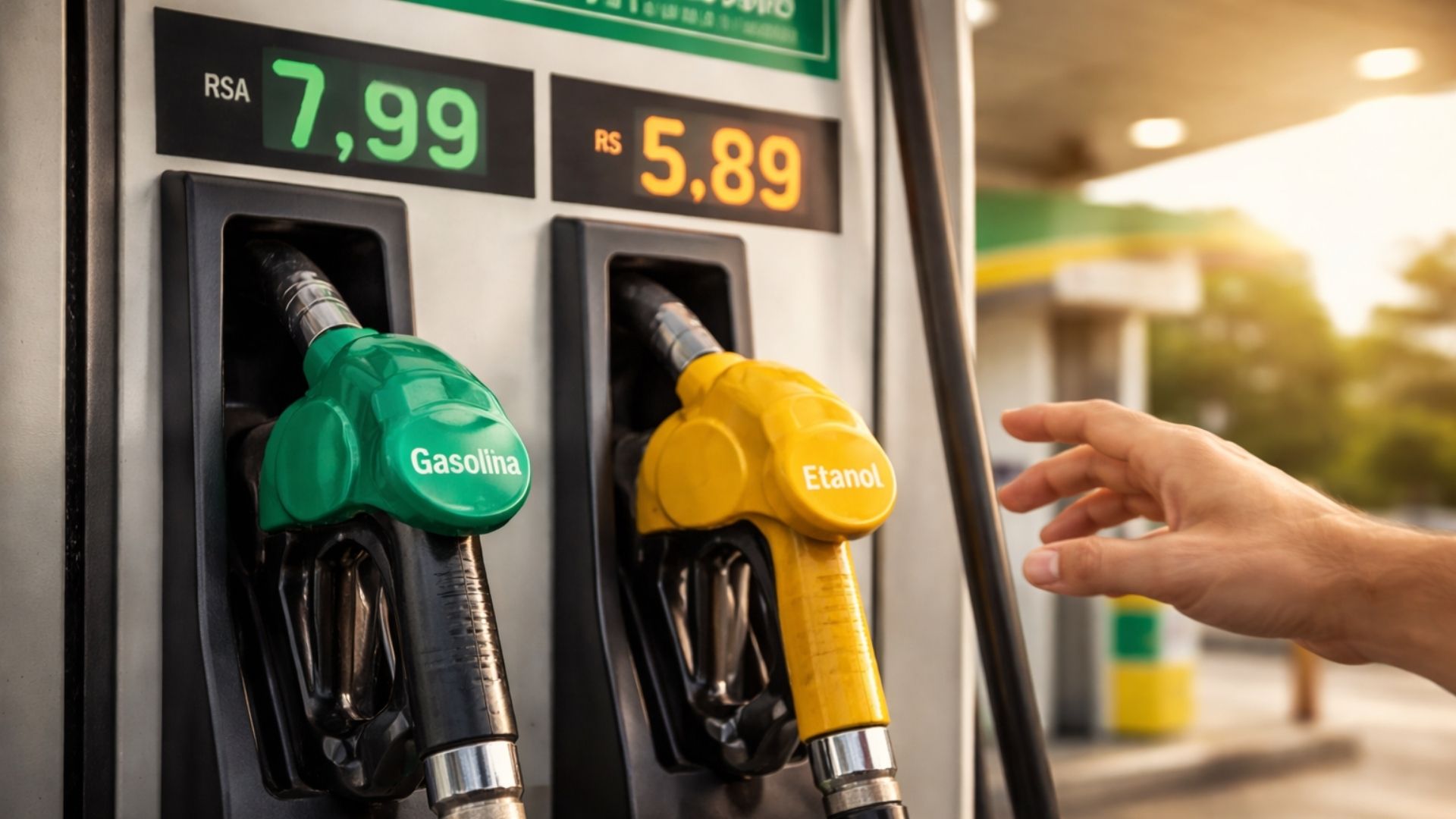
Gasoline prices soar and the question arises: is ethanol more advantageous? The 70% rule reveals the limit with gasoline.
-
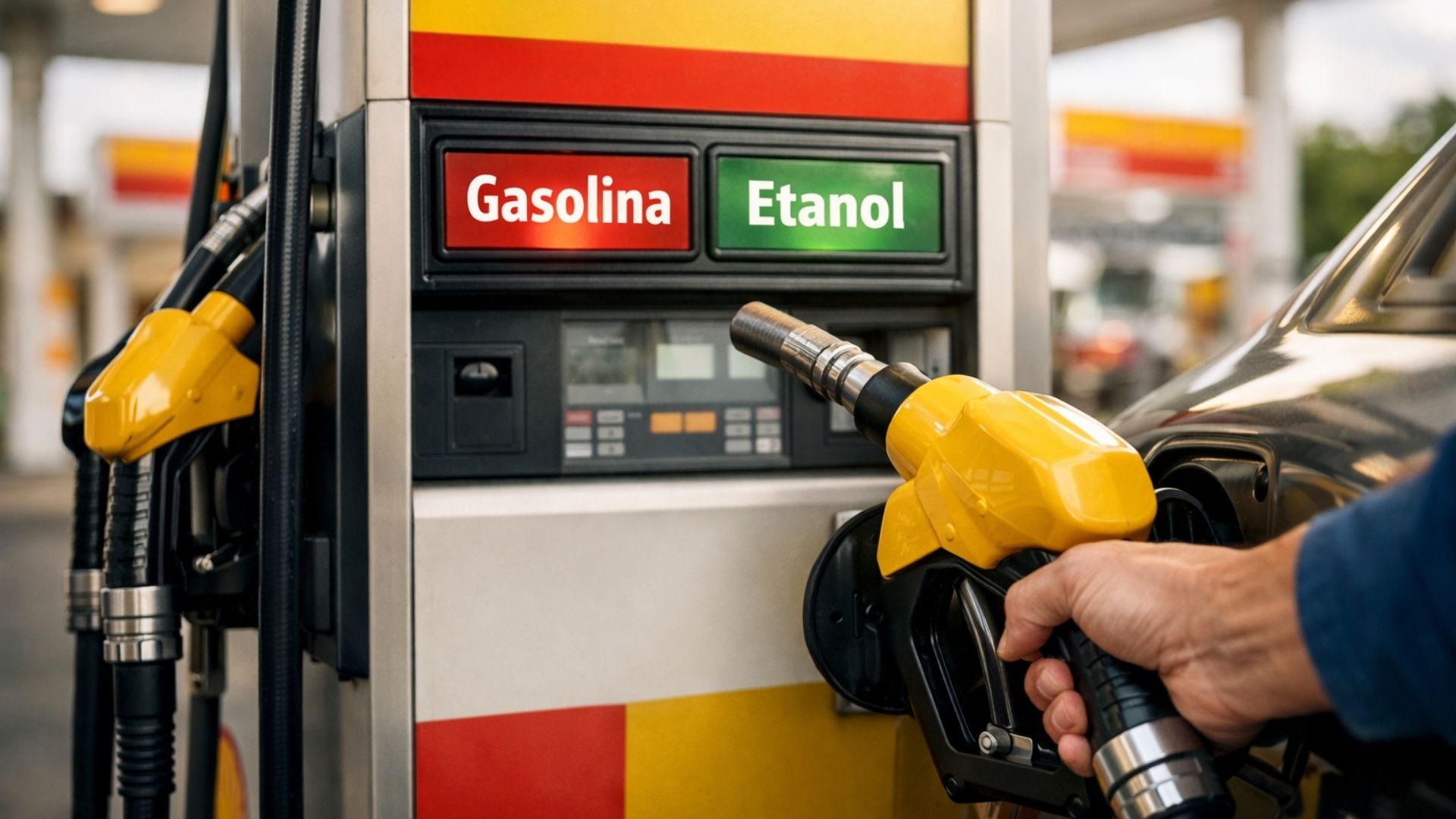
The government has made a decision and is starting a test with more ethanol in gasoline, anticipating a mixture of up to 35%, diesel with 25% biodiesel, and a study to assess the impacts on engines.

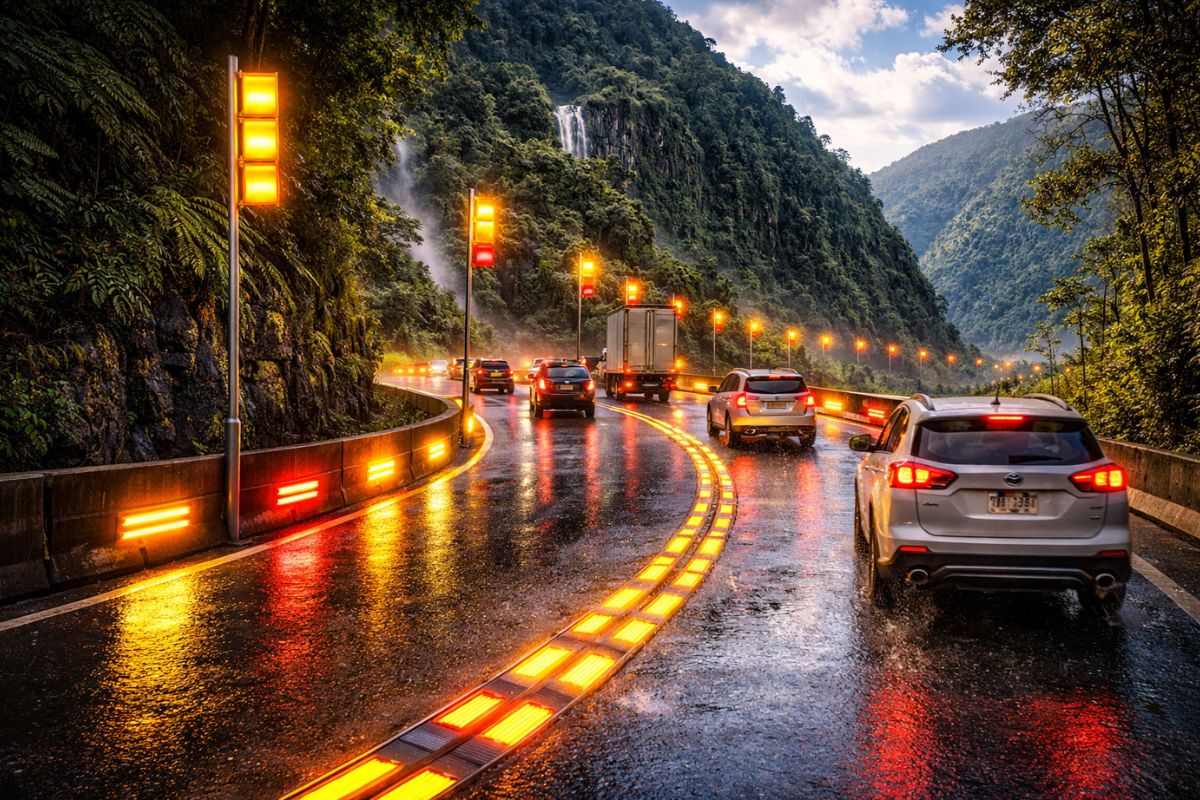
The D. Pedro Corridor is in a strategic axis for transporting production, near Viracopos International Airport, and connects the Campinas region to the Paraíba Valley.
The municipalities that are part of the concession area of Rota das Bandeiras include Artur Nogueira, Atibaia, Bom Jesus dos Perdões, Campinas, Conchal, Cosmópolis, Engenheiro Coelho, Igaratá, Itatiba, Jacareí, Jarinu, Jundiaí, Louveira, Mogi Guaçu, Nazaré Paulista, Paulínia, and Valinhos.
The highways that make up the D. Pedro Corridor are D. Pedro I Highway (SP-065), José Roberto Magalhães Teixeira Ring Road (SP-083), Professor Zeferino Vaz Highway (SP-332), Engenheiro Constâncio Cintra Highway (SP-360), and Romildo Prado Highway (SP-063).
Arab Fund Mubadala Takes on Billion-Dollar Debt of Invepar and Starts Controlling the Metro of Rio de Janeiro
Mubadala, the investment fund from the United Arab Emirates, took control of the Rio de Janeiro Metro Concessionaire, MetrôRio, on November 8, replacing Invepar. The process authorizing the change, signed by Governor Cláudio Castro, was published in the Official Diary of Rio de Janeiro.
The Rio subway was previously under the control of Investimentos e Participações em Infraestrutura S.A (Invepar), the majority shareholder of São Paulo International Airport in Guarulhos.
According to O Globo columnist Ancelmo Gois, the Arab fund helped restructure Invepar’s R$ 2.5 billion in debts in September. In exchange, it was agreed that Invepar would give up the concession of the metro and the Yellow Line.
Mubadala Is Keeping an Eye on the Collapse of Eike Batista’s Empire
Sovereign Fund Mubadala, with approximately US$ 5 billion in assets in Brazil – including Petrobras’s former RLAM refinery and three metro lines in Rio de Janeiro – is watching the collapse of Eike Batista’s commodities empire and is now seeking more troubled assets in the country.
The Lava Jato Operation was a significant moment for Mubadala. The crown prince of Abu Dhabi’s fund moved to negotiate the purchase of a toll road in São Paulo from Odebrecht, leveraging its experience with Brazilian companies’ debts and corporate restructurings acquired during 11 transactions exchanging debt for equity with Eike.
And it doesn’t stop there: the focus on depreciated assets remains. “We continue to focus on the complexity, assets trapped in the old companies from Lava Jato,” said Fahlgren.
Brazil Is One of the Main Investment Targets of the Sovereign Fund Mubadala
According to the executive, the company has just closed its first specific fund for Brazil, amounting to US$ 311 million, and is currently raising funds for a larger second fund.
In total, Mubadala Capital manages US$ 16 billion, and Brazil is one of its four main investment areas, alongside global private equity, venture capital, and a hedge fund.
Mubadala’s most recent investment was the acquisition of the RLAM refinery, previously owned by Petrobras, for US$ 1.8 billion. The asset is a bet on a competitive fuel market that is in the sights of consumers and politicians ahead of the 2022 presidential elections.
“Political turbulence is part of the country and won’t stop,” he said. “When we see temporary shifts in the market driven by an election, it’s an opportunity to invest for the long term because of reduced competition.”
Mubadala aims to reduce the carbon footprint of RLAM. While many investors have completely avoided oil projects for environmental reasons, the sovereign fund sees an opportunity to cut emissions from existing infrastructure still in operation over the coming decades.
In Addition to Assets from Former Billionaire Eike, Mubadala Eyes Wind and Solar Parks in Bahia
Mubadala is also eyeing wind and solar parks in Bahia to supply the refinery with as much renewable energy as possible. It also seeks to increase the production of biofuels at the facility and expand pipelines to eliminate the carbon-intensive use of tank trucks for distribution.
In total, Mubadala estimates over US$ 1 billion in potential improvements. “We can deploy our capital into a polluting asset and make it better,” said Fahlgren.







Seja o primeiro a reagir!