





 English
  Francês
  Alemão
  Italiano
  Japonês
  Norueguês
  Portuguese
  Spanish
  3 min of reading



Representatives of the Category Have Already Held the First Meeting with the New President of the Brazilian State-Owned Company. On This Occasion, More Than Ten Issues Were Presented.
The former senator Jean Paul Prates barely warmed the president’s chair at Petrobras and has already opened dialogue with an important and strong labor faction in the oil sector. The new leader received representatives from the unions linked to the Single Federation of Oil Workers (FUP) for an opening dialogue meeting with the presentation of various demands and claims.
At least 11 issues were requested as priorities. Among the agendas presented by the oil workers are the revocation of layoffs, punishments, and suspensions of workers, including union leaders, during Jair Bolsonaro’s administration. We contacted FUP’s communication advisory to find out how many layoffs occurred during this period, but we have not yet received a response.
The other demands presented to the Petrobras president are also directly related to labor rights of oil workers (employees and contractors, active, retired, and pensioned). The category wants an immediate suspension of discounts on AMS and the reconstruction of the health plan with a review of the funding, structure, and financing methods, as well as the end of APS.
-
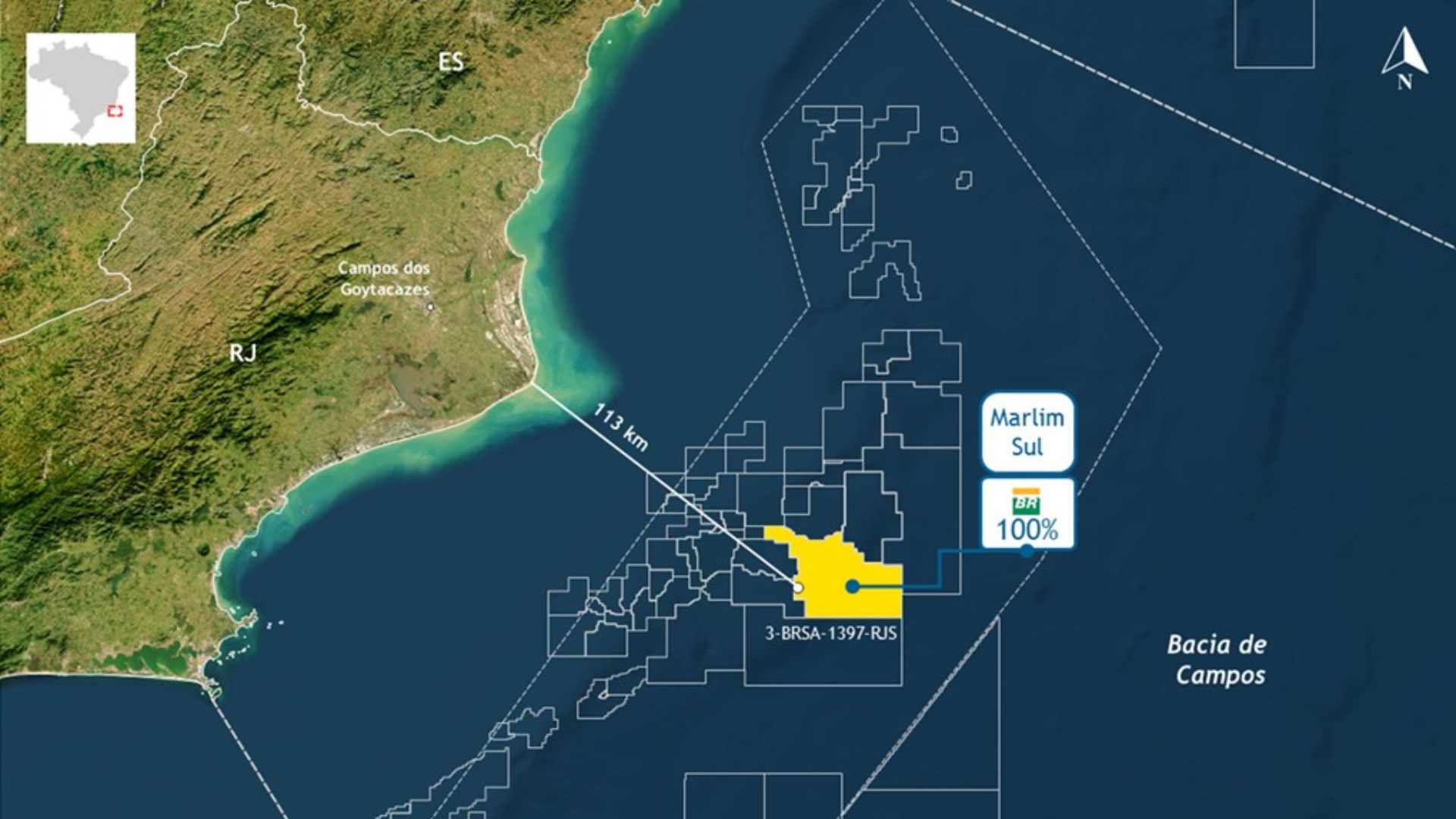
Petrobras finds high-quality oil in the pre-salt at 113 km from RJ and reignites expectations about strategic reserves in the Campos Basin.

-
Ocyan opens registrations for startups focused on innovation in the oil and gas sector and will select projects for Innovation Day with the support of Nexio.

-
Petrobras announces new oil discovery in the pre-salt of the Campos Basin and reinforces Brazil’s prominence with high-quality reserves that can increase production and energy revenues.
-
Alert in the fuel market: Analysts and a former director of ANP warn that oil prices may worsen in the coming months due to global instability.


The FUP also urgently demands that the Petros benefit plan not exceed 40% in discounts on benefits for retirees and pensioners, such as medical assistance and loans, and that there be changes in the variable remuneration policy (PLR x PPP). The category wants a new health and safety policy, with more investments and contributions from workers in the design of SMS; and direct participation of workers in Petrobras’ energy transition plans. You can check the full list of claims here.
Fuel Prices and New Investments Are the Main Challenges for the New Petrobras President
The name Jean Paul Prates was already expected to assume the presidency of Petrobras. But the name is still met with mistrust from investors. Shortly after the announcement on the 27th, the company’s stock plummeted, closing down 2.75% on the São Paulo Stock Exchange.
Investors are waiting for clearer statements on how his management will be. The market wants a guarantee that there will be no internal interventions in the state oil company. But for many analysts, Petrobras’ new policies will only become clear, in fact, with the appointments of the new directors and members of the Board of Directors.
Fuel Prices
Regarding fuel, what has been happening is that since the beginning of the war in Ukraine, oil derivative prices have skyrocketed here. During this period, several plans have been discussed, in addition to the constant changes in command at Petrobras.
The previous government managed to adjust taxes on fuels, lowering prices, but generating friction with governors. The maneuver lasted only until the 25th. The increase reduced the gap in relation to international prices to 7.87% and 12.58%, respectively.
The new president of Petrobras wants a fund (Stabilization Account) that would help curb the rise in fuel prices at the pumps and reduce the impact of price fluctuations of oil derivatives and natural gas on the final consumer.
The proposal (Bill 1472/2021) was already approved in the Senate about a year ago, at the beginning of 2022. Jean Paul Prates himself was the rapporteur while serving as a senator from Rio Grande do Norte. The project is now set to be on the agenda of the Chamber of Deputies, as legislative work resumes in Congress.
In the medium and long term, Petrobras is evaluating the option of increasing the state-owned company’s refining capacity. This would reduce the Brazilian market’s exposure to fluctuations in international prices, as it would eliminate dependence on imported derivatives.
Increasing Refining Capacity Is Also a Plan
The plan being assessed by Petrobras for the medium and long term would be to increase the state-owned company’s refining capacity. According to analysts, this could reduce the impacts on the Brazilian market from fluctuations in international prices, as it would eliminate dependence on imported derivatives.










Seja o primeiro a reagir!