





 Português
  Inglês
  Espanhol
 3 min de leitura
  0 comentários


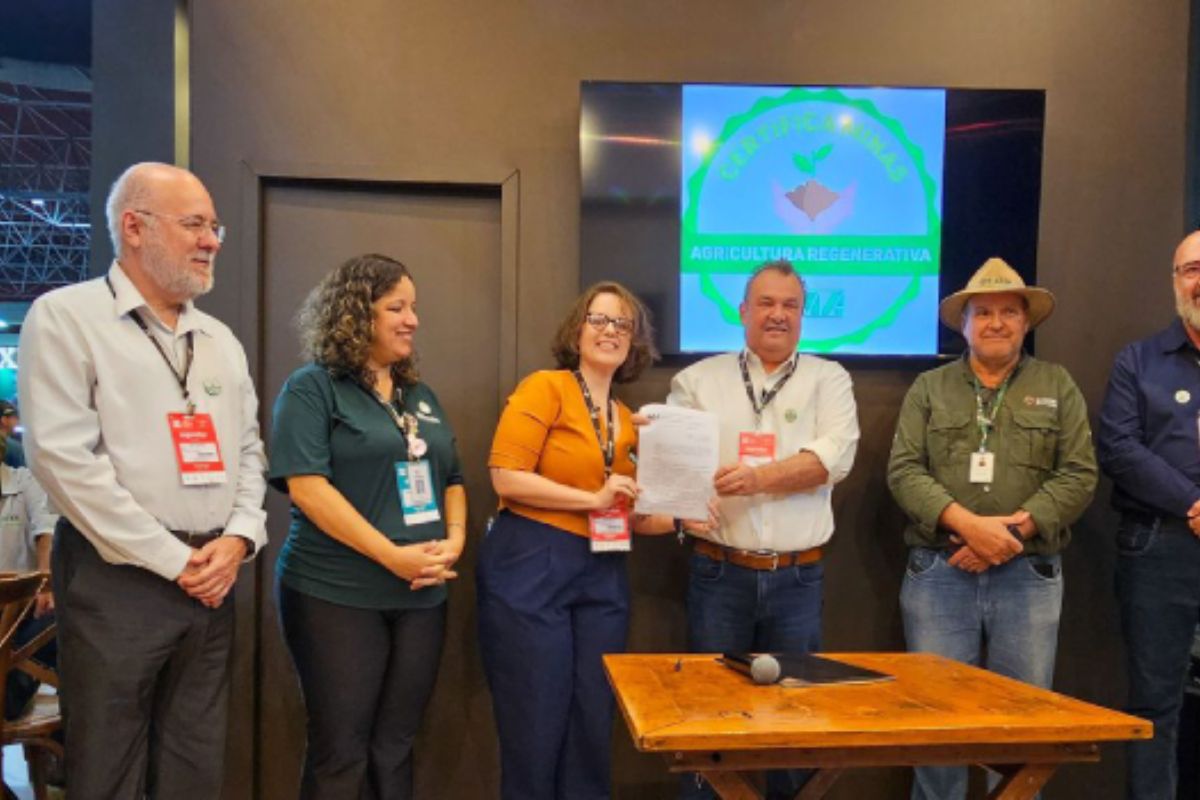
In Minas Gerais, Rural Producers Receive Official Certification for Regenerative Practices that Strengthen the Soil, Value Coffee, and Drive Sustainability in the Future of Brazilian Agribusiness
The future of agribusiness in Minas Gerais reaches a new milestone with the launch of the Regenerative Agriculture certification, announced by the State Government during the 2025 International Coffee Week, held on November 6, according to a report published.
The initiative, created by the State Secretariat for Agriculture, Livestock, and Supply (Seapa) and formalized by the Minas Gerais Institute of Agriculture (IMA), recognizes properties that care for the land responsibly, recovering soils, preserving biodiversity, and adopting sustainable production techniques.
Since 2018, the Certifica Minas program has validated more than 9,600 rural properties, distributed across 15 distinct categories, consolidating the state as a reference in ethical and transparent agricultural practices.
-
Alone, the producer applies 7,400 hectares with the T100 drone in an optimized structure, replaces the generator with a silent battery, and demonstrates how technology reduces costs, increases productivity, and even challenges the uniport in the field.

-
China banned the export of 22 tons of meat from Argentina.

-
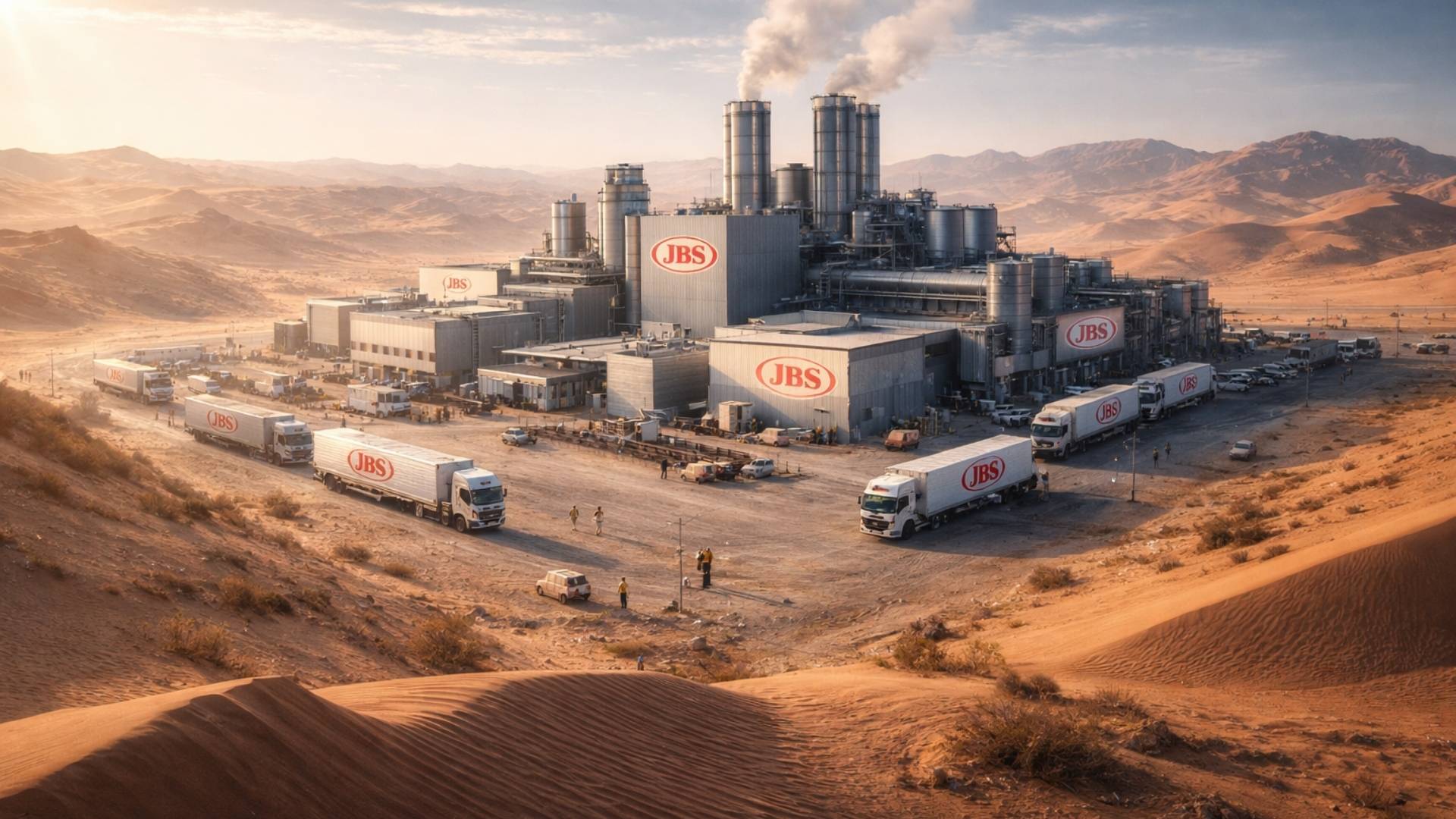
JBS, founded by the Batista brothers, continues to conquer the world: entrepreneurs built a ‘factory in the desert’ creating 3,000 jobs.
-
With only 1% of Brazil’s territory, Santa Catarina has built one of the most competitive industrial parks in the country, with 64,000 companies, nearly 1 million jobs, and a growth rate of 5.3% while the national industry is practically stagnant.


Now, with the new regenerative category, Minas reaffirms its pioneering role in green and competitive agriculture, aligning itself with global trends in conscious consumption and sustainable production.
Regenerative Agriculture Certification and the Appreciation of Minas Coffee
The new certification represents an unprecedented opportunity for producers seeking to combine profitability with environmental responsibility.
According to Luiza de Castro, general director of IMA, the recognition adds value to Minas products, especially coffee, one of the main economic symbols of the state.
The seal guarantees a competitive advantage in markets that value sustainable practices, in addition to reinforcing Minas’ commitment to traceability and transparency in the production chain.
Integrated into the SeloVerde MG platform, Certifica Minas proves the adoption of good social, environmental, and labor practices.
This approach reinforces that the future of agribusiness depends on the union between soil conservation and productive efficiency, elements that support the image of an increasingly conscious and technically qualified agro.
Sustainability, Innovation, and Soil Regeneration
According to Maíra Ferman, coordinator of the Superintendency of Innovation and Agricultural Economy at Seapa, the program encourages resilient agricultural systems that reconcile sustainable soil management, rational water use, and biodiversity recovery.
This methodology reduces input costs and strengthens the image of Minas products, generating credibility among consumers and companies committed to the environment.
In addition to supporting regenerative practices, the certification expands farmers’ access to specialized markets that value the origin and the positive environmental impact of production.
The certification model launched in Minas puts into practice the concept of the future of agribusiness: a sustainable, inclusive rural economy prepared to face the climate challenges affecting global productivity.
How to Obtain the Seal and Strengthen the Sustainable Future of Minas Agro
To achieve certification, the producer must submit to IMA a request with documents proving land ownership and personal identification.
Among the criteria evaluated are: rational water use, soil conservation, compliance with labor and social norms, good production practices, and efficient property management.
The entire process is audited, ensuring that only properties aligned with technical requirements receive the seal.
The farmer can also count on technical support from Emater, which offers consulting for adjustment and monitoring of the program’s stages.
The complete rules and the application form will be officially published on the IMA website in 2026.
This structure reinforces that the future of agribusiness relies on a relationship of trust between government, producers, and consumers, consolidating a greener and more competitive production model.
The creation of the Regenerative Agriculture category consolidates Minas Gerais as a protagonist in the environmental and economic agenda of the countryside.
By uniting certification, technology, and respect for the land, the state takes an essential step towards an agro that produces more, impacts less, and paves the way for the true future of agribusiness.








Seja o primeiro a reagir!