





 Portuguese
  English
  Spanish
 6 min of reading
  0 comments



Galp Expands Its Presence in Brazil by Launching a Research and Innovation Center at UFRJ, Strengthening Decarbonization Projects and New Routes for Biofuels in Partnership with Academia
This week, Galp officially inaugurated its new research and innovation center at the UFRJ Technological Park in Rio de Janeiro, consolidating a strategic hub dedicated to decarbonization, sustainable fuels, and applied technological development in the energy sector. According to an article published by Cenário Energia this Friday (5th), the infrastructure, called Id.Lab, received an investment of R$ 100 million and brings together advanced laboratories, pilot plants, and a multidisciplinary team made up of about 70 specialists.
Galp’s Id.Lab at UFRJ: A New Energy Innovation Hub in Brazil
The initiative represents a significant advancement for the energy transition in Brazil, reinforcing cooperation between academia and industry in the search for low-carbon solutions and innovative routes for biofuels and synthetic fuels. This movement marks a new chapter in national energy research, focusing on applied innovation, sustainability, and global competitiveness.
The inauguration of Id.Lab puts Brazil on the map of major international investments in science and technology for clean energy. The center is designed to accelerate research related to carbon capture and utilization (CCUS), sustainable aviation fuels (SAF), synthetic fuels, decarbonization of offshore operations, and new routes for biofuels.
-
The Economist states that Brazil has a “secret weapon” against expensive oil and highlights how the country can reduce economic impacts even in international scenarios of high volatility.

-
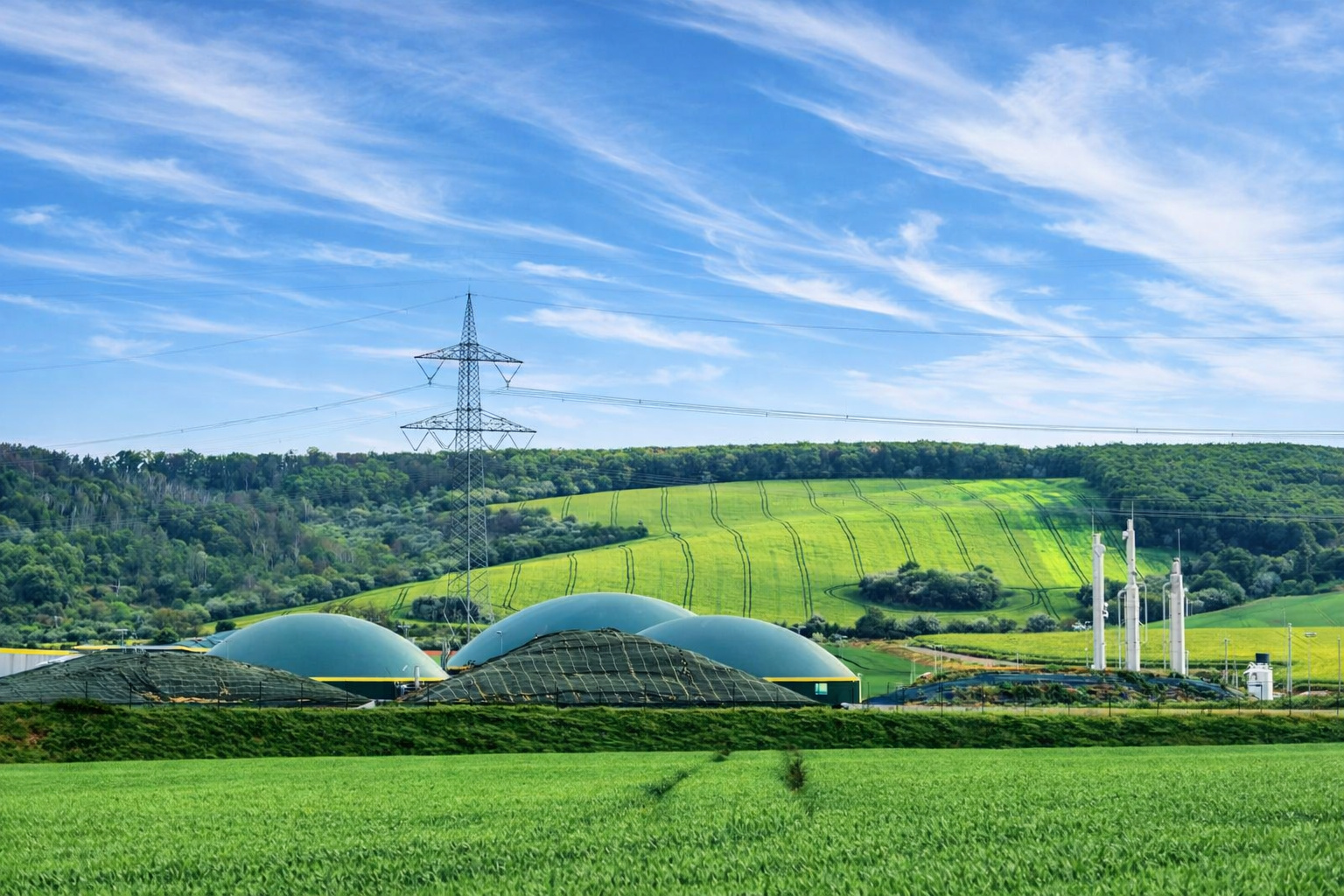
Brazil accelerates decarbonization in the South: International forum in Foz do Iguaçu gathers leaders to discuss the advancement of biomethane in the energy matrix and the potential of “caipira pre-salt.”
-
As diesel prices soar due to conflicts in the Middle East, a Brazilian city decides to test a little-known biofuel that promises to completely replace fossil fuel without adaptation and could change the future of energy in the country.

-
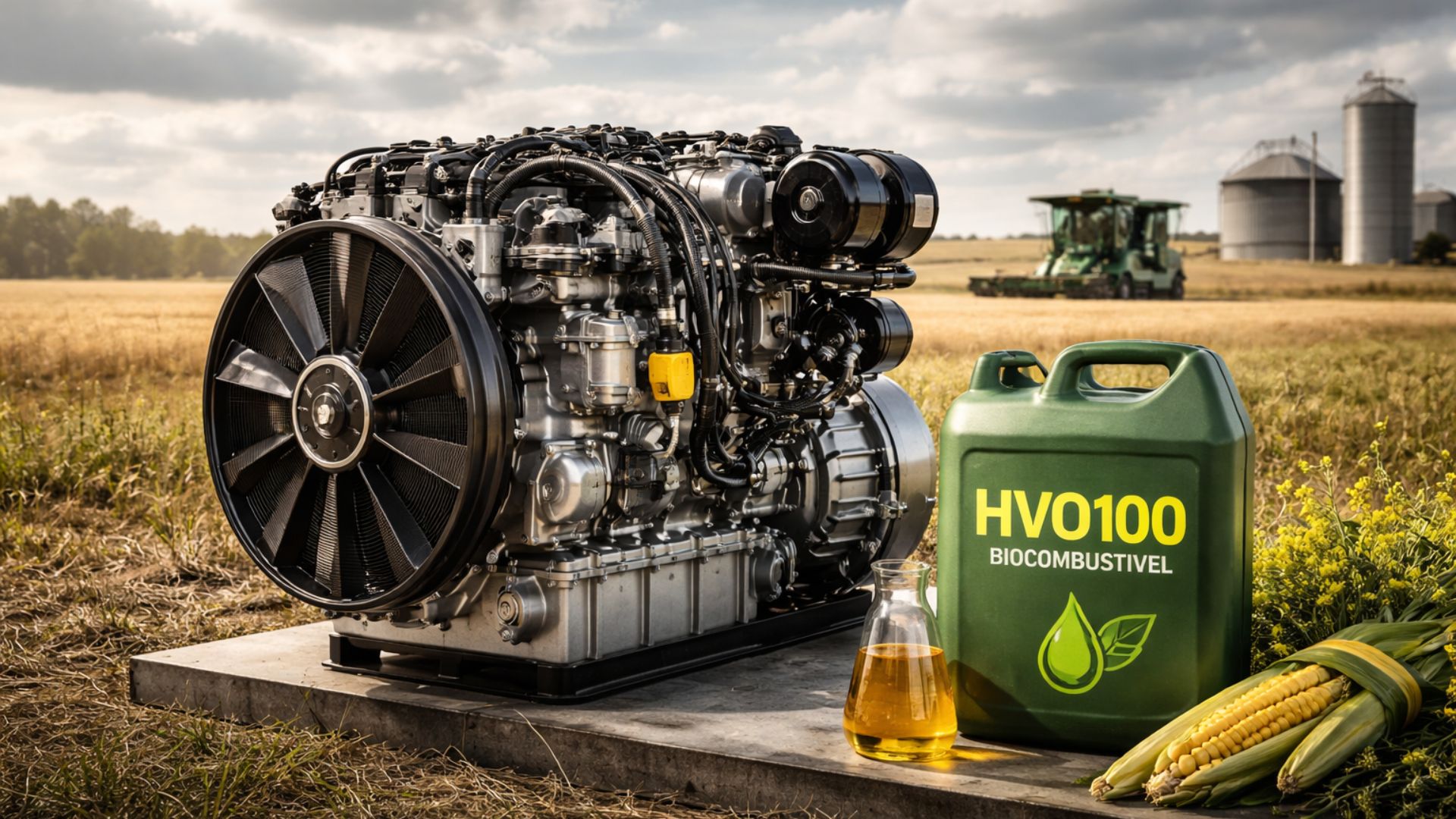
Innovation with biofuel engines transforms agribusiness by replacing diesel without the need for major adaptations, ensuring energy efficiency and helping to reduce dependence on oil.

The 5,000 m² infrastructure includes areas for electron microscopy, catalytic reactors, spectrometry systems, and pilot plants capable of simulating industrial-scale processes. This allows research to progress from laboratory bench to more robust testing, reducing the time between development and technological application.
Another important aspect is that the laboratory connects to Galp’s international innovation network, especially with the center located in Sines, Portugal. This integration ensures methodological alignment, information exchange between global teams, and standardization of protocols, strengthening scientific quality.
Why the Research and Innovation Center at UFRJ Matters for Brazil
The presence of a hub of this magnitude in national territory has direct and indirect effects on the energy sector, academia, and society. UFRJ already has a tradition of cutting-edge research, but Galp’s arrival adds infrastructure, funding, and new pathways for technology transfer.
Additionally, the research and innovation center positions Brazil in a strategic scenario: the country becomes one of the protagonists in developing solutions for the energy transition, attracting investments and qualified talent.
The combination of university, productive sector, and applied innovation tends to generate benefits such as:
- acceleration of research that would otherwise take years to materialize;
- creation of patents and national intellectual property;
- training of researchers with experience in real industry challenges;
- strengthening the energy matrix with less polluting technologies.
This is an initiative that enhances Brazil’s relevance in the global discourse on sustainability and energy.
Decarbonization and Biofuels as Pillars of Galp’s New Laboratory
One of Id.Lab’s central focuses is the development of routes for producing cleaner fuels. The laboratory is already working on advanced processes for CO₂ capture, synthetic fuel generation, and the creation of chemical routes for sustainable aviation fuels.
Galp intends to further strengthen research related to biogenic raw materials, pre-treatment of renewable inputs, and integration of these routes into refining. These studies expand the role of biofuels in the energy matrix, keeping up with the global trend of decarbonization and the search for less carbon-intensive options, especially in hard-to-electrify sectors such as aviation and maritime transport.
The first drops of synthetic fuels produced in 2024, in partnership with Brazilian universities, have already demonstrated the company’s ability to transform academic research into a real product — and Id.Lab is expected to accelerate this pace.
Cooperation Between Galp and UFRJ: A History of Innovation and New Pathways
The relationship between the company and the university has already yielded concrete results over the past few years. Several projects in the pre-salt context, including studies for the integrity of offshore equipment and the creation of autonomous inspection systems, have emerged from this collaboration.
An example is RovScan — a technology developed by researchers affiliated with UFRJ, currently in the industrialization phase — which promises to optimize underwater inspection processes, reducing costs and increasing accuracy in critical areas of offshore operations.
The inauguration of Id.Lab represents a natural advancement of this partnership. Now, with robust internal infrastructure and self-funding, Galp aims to increase the volume of published studies, generate new patents, and transform the technology developed in Brazil into globally applied solutions.
According to projections released by the company itself, the expectation is that the laboratory will produce more than 20 scientific publications per year, in addition to at least five new annual patents related to low-carbon technologies, advanced refining, and sustainable fuels.
Impact on the Energy Sector and Scientific Development
The creation of Id.Lab strengthens the Brazilian ecosystem of energy, technology, and innovation by promoting integration across different fields of knowledge — engineering, chemistry, physics, geosciences, computing, and advanced materials. This enables the development of comprehensive solutions that consider environmental impacts as well as industrial viability.
Furthermore, the laboratory is expected to attract more researchers, students, and international experts, promoting exchange and the training of highly qualified workforce. For the productive sector, the initiative increases the chances that new decarbonization routes become economically viable and scalable.
Technologies that are still experimental today could, in a few years, reach a level of maturity suitable for the market. Thus, the research and innovation center has the potential to transform industry challenges into opportunities for Brazil.
What to Watch in the Coming Years
Although the investment and inauguration are essential steps, the concrete impact of Id.Lab will depend on the continuity of cooperation, project execution, and the ability to transform knowledge into applicable technology.
Some points should be observed:
1. Scalability of Developed Technologies
CO₂ capture, synthetic fuels, and SAF still face economic and technical barriers. The transition to commercial scale is a global challenge.
2. Continuity of Innovation Funding
R&D programs require constant resources. The stability of this investment is crucial for significant advances.
3. Regulation and Public Policies
The evolution of biofuels and low-carbon fuels depends on appropriate regulatory frameworks, incentives, and integration with national climate goals.
4. Integration with Brazilian Productive Chains
The greater the integration with local companies and institutions, the greater the multiplier effects on the economy.
5. Training of Specialists
The laboratory will play a significant role in training new researchers, contributing to the scientific renewal of the country.
Why This Advancement is Important for the Future of Energy in Brazil
The inauguration of Id.Lab demonstrates that the country has the scientific and industrial capacity to lead strategic areas of the global energy transition. With the union of Galp, one of the largest companies in the sector, and UFRJ, a center of academic excellence, Brazil positions itself as an emerging hub for innovation and decarbonization.
This project reinforces Brazil’s potential to develop clean technologies and transform research into real solutions. With modern infrastructure, a highly qualified team, and a focus on sustainability, Id.Lab can generate lasting impacts, boosting competitiveness, attracting investments, and consolidating the country as a reference in energy innovation.









-

Uma pessoa reagiu a isso.