





 Portuguese
  English
  Spanish
  3 min of reading


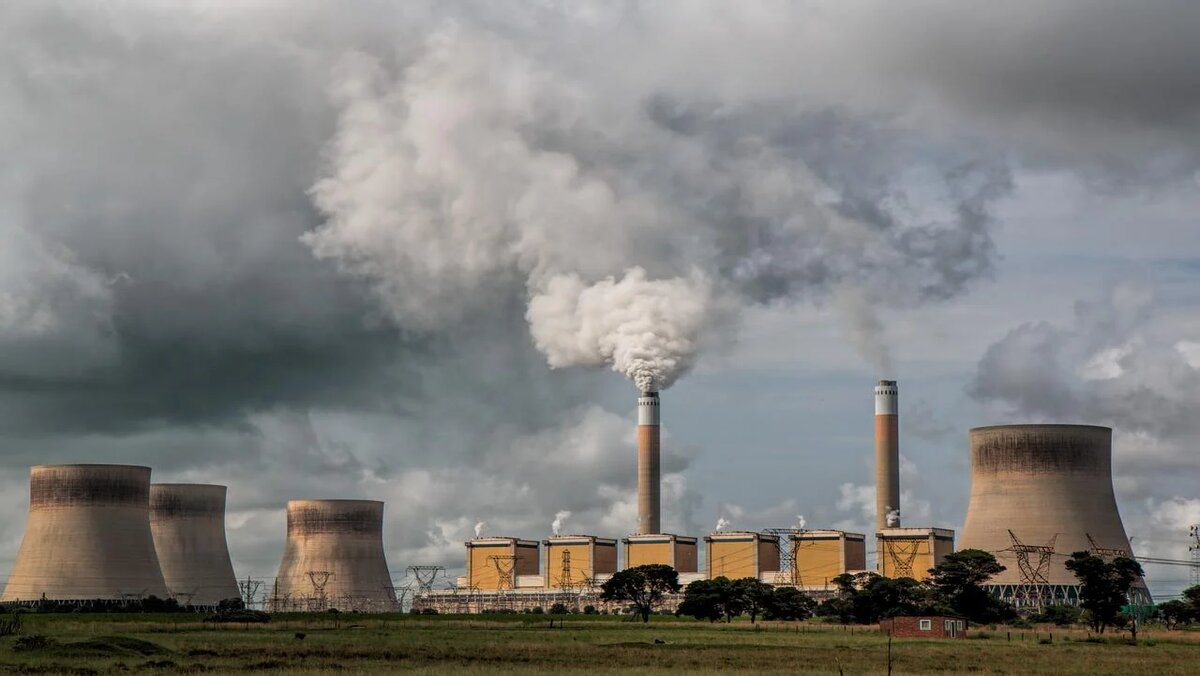
The Current Scenario Of High Prices And Low Supply Of Natural Gas Worldwide Is Leading Industries To Opt For Coal Instead Of Gas For Energy Generation, Contributing To The Maximization Of Environmental Impacts In The Sectors, Points IEA.
For this Wednesday, (07/27), the international fuel scenario is not favorable to the environment, as the assessments from the International Energy Agency (IEA) indicate that natural gas is being replaced by coal in energy generation. Among the factors contributing to this, low supply and high fuel prices, influenced by the unstable geopolitical scenario in Europe, are the main ones.
IEA Findings Show That Industries Are Replacing Natural Gas With Coal In The Energy Generation Process
The international fuel scenario is becoming increasingly unstable, and the results are already visible, as the IEA pointed out that industries worldwide are beginning to replace natural gas with coal in the energy generation process. This is because the geopolitical and commercial instability caused by conflicts in Europe has led to a significant increase in fuel prices, while supply has plummeted in recent months.
The war between Russia and Ukraine has led some European countries to seek alternatives to reduce their dependence on natural gas exported by Russia, and the most viable solution, although the most polluting, has been to adopt coal in industries.
-
Brazilian giant expands borders in the Southeast: Petrobras confirms new oil discovery in ultra-deep waters in the pre-salt of the Campos Basin.

-
Alert in the global energy market: Severe tropical cyclone hits the coast and disrupts gas production at major plants in Australia, threatening global supply.

-
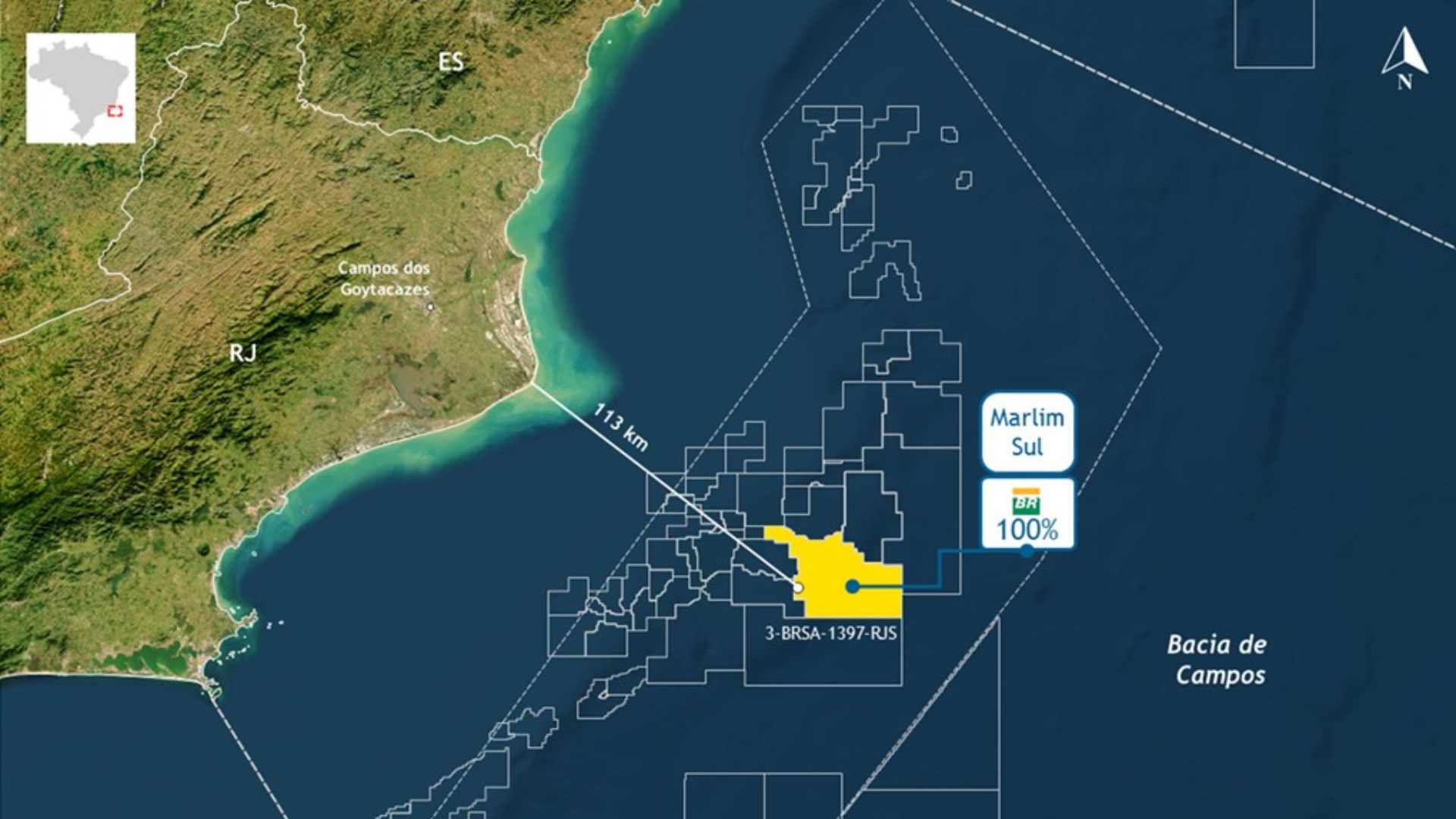
Petrobras finds high-quality oil in the pre-salt at 113 km from RJ and reignites expectations about strategic reserves in the Campos Basin.

-
Ocyan opens registrations for startups focused on innovation in the oil and gas sector and will select projects for Innovation Day with the support of Nexio.

Thus, the IEA points out that, seeking to ensure energy supply amid this scenario, these countries have delayed plans to eliminate coal and suspended previously imposed restrictions, thereby increasing the supply of the product.
Furthermore, the IEA’s findings also indicate that electricity prices in the European continent tripled during the year 2022, as the average prices of natural gas in Europe during the first four months of the year were four times higher than in the same period of 2021, while coal prices tripled.
Thus, the IEA warns of a growing substitution of a clean resource like natural gas for a highly harmful one like coal, thereby impacting the global environmental agenda.
European Union Announces Reduction In Gas Consumption Last Week, But IEA Forecasts An Addition Of Renewable Energies To The European Matrix
During the past week, the European Commission announced that all EU member states should voluntarily reduce gas consumption by 15%, totaling 45 billion cubic meters between August 2022 and March 2023. Thus, the scenario of low natural gas supply may intensify, and motivated by high fuel prices, countries may further increase the replacement of this resource with coal in the coming months.
Despite this, the IEA data indicates that the generation of renewable energies in the European matrix may expand significantly in the coming years, and the agency projects a 3% decline in nuclear energy, along with an overall 7% increase in low-carbon generation.
“Although electricity demand is expected to continue on a similar growth trajectory in 2023, the outlook is clouded by economic turbulence and uncertainty about how fuel prices may affect the generation mix,” the IEA highlighted.
In Brazil, the demand for renewable energies continues to grow significantly, and the Ministry of Mines and Energy is continuing with the developments of law 14.300/2022, which was enacted in January and provides more incentives for the distributed generation of renewable energies in the country.









Seja o primeiro a reagir!