





 Portuguese
  English
  Spanish
  5 min of reading
  1 comment





Extremely Low Fuel Prices and Growing Restrictions in Bolivia Prompt Risky Strategies Among Brazilians Living or Circulating at the Border, Increasing Smuggling and Military Surveillance in Border Cities.
The search for cheap fuel has led Brazilians to adapt to restrictions and create new strategies to ensure gasoline and diesel from the Bolivian side of the border.
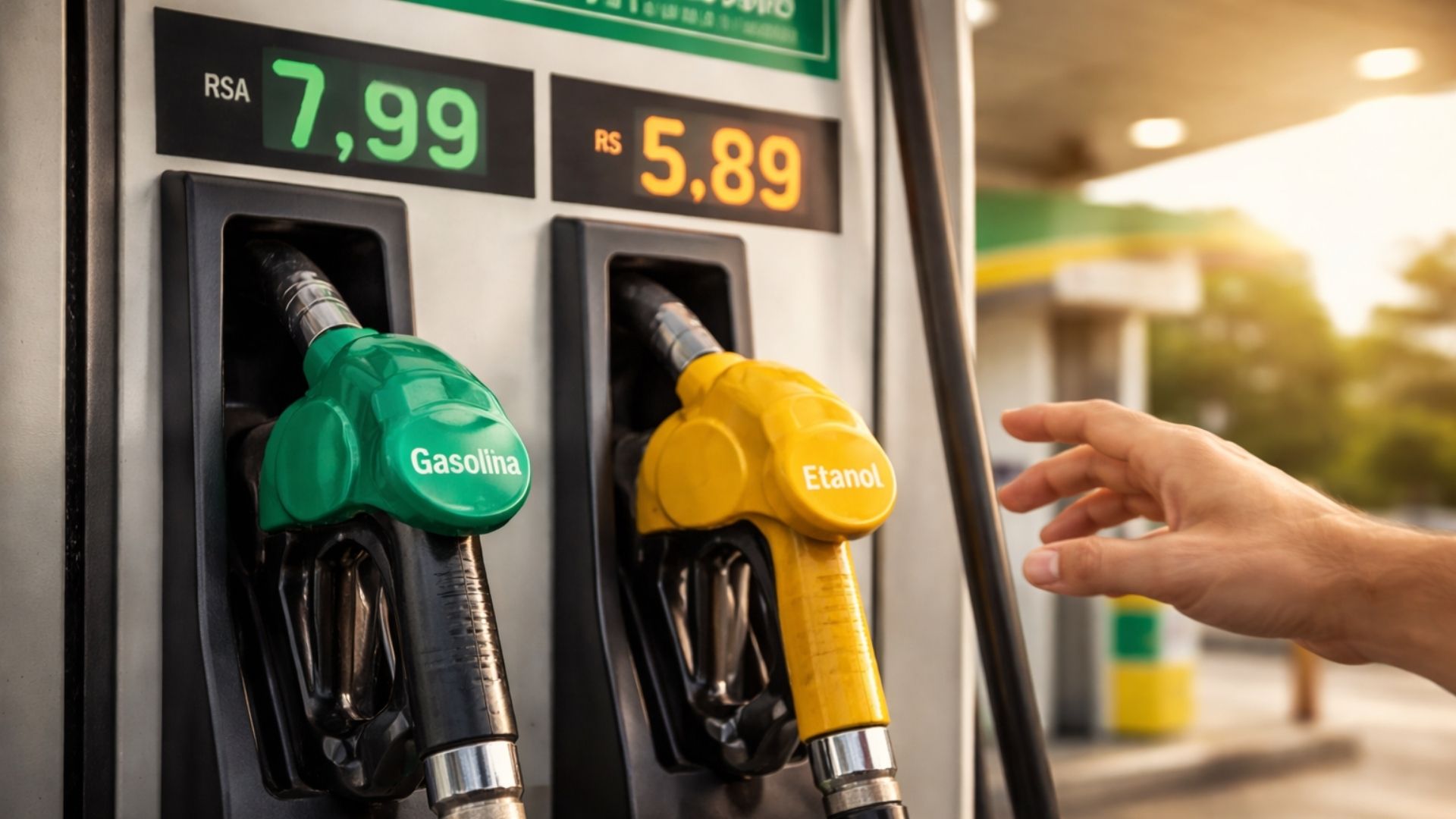
With gasoline costing as little as R$ 1.29 per liter in Bolivia, according to analysis from the consulting firm Global Petrol Prices, residents of border cities have intensified practices that, while not new, have taken on improvised and risky contours amid the supply crisis faced by the neighboring country.
As reported by the UOL portal, Brazilians living or passing through these regions resort to different means to keep their vehicles supplied.
-
Unemployment rises again to 5.8% at the beginning of 2026, raising alarms about the end of temporary positions and its impact on the Brazilian job market.

-
Document organization can cut invisible costs in small businesses, a simple step that prevents waste, rework, and losses in daily operations.

-
Chinese giant worth nearly R$ 4 billion that manufactures cables for electric cars, solar energy, and robotics wants to open a factory in SC.
-
Many employers do not know, but the law guarantees domestic workers a 25% increase in salary during trips, 50% for overtime, 20% for night shifts, and 17 additional benefits that can lead to labor lawsuits if not paid.


Low Fuel Prices in Bolivia
The subsidy policy maintained by the Bolivian government for over two decades is the main factor responsible for the reduced prices.
The price of regular gasoline is set at 3.74 bolivianos per liter, approximately R$ 3.05, but the value drops even more in the parallel market, where it can reach less than half the official price.
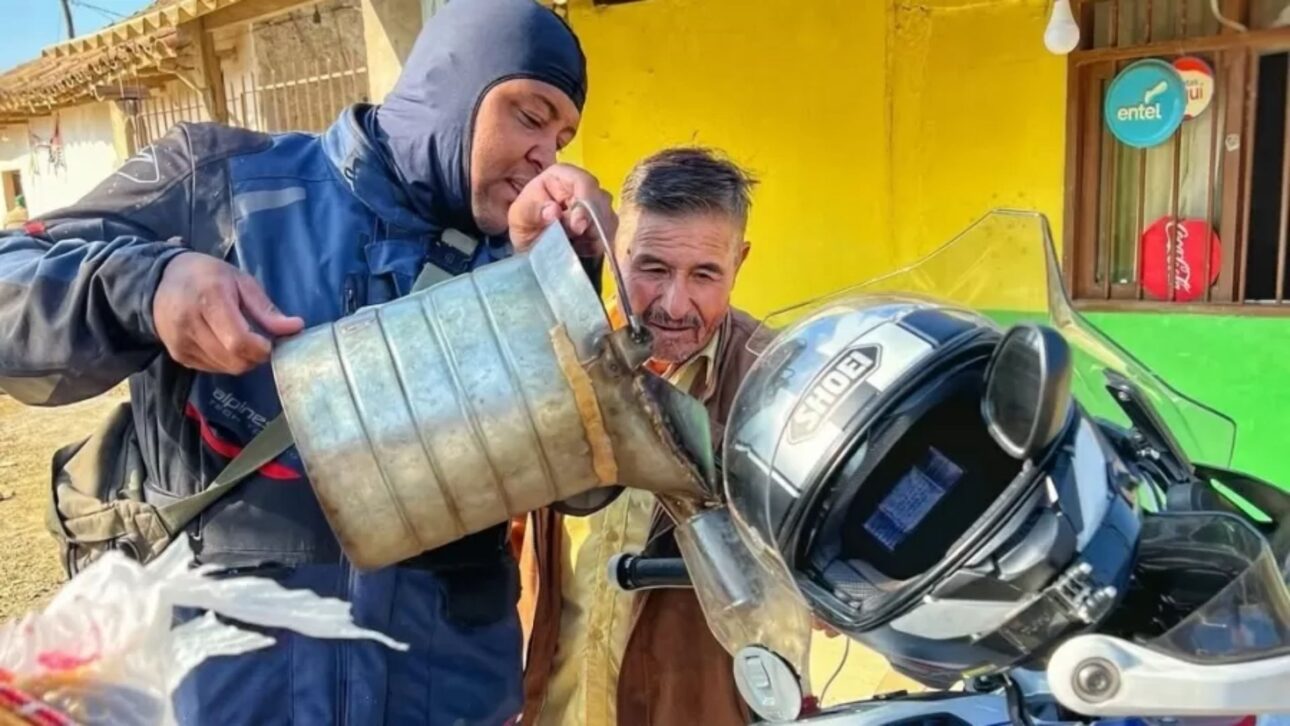
Diesel also follows a similar dynamic: Bolivian drivers pay around R$ 3.00 per liter, while foreigners face fees exceeding R$ 7.16, according to data from July 2025.
In light of this scenario, Brazilians living or circulating near the border develop alternatives to supply their vehicles, often resorting to informal practices.
One of them is the direct purchase of fuel from Bolivians who resell gasoline and diesel to tourists and foreigners.
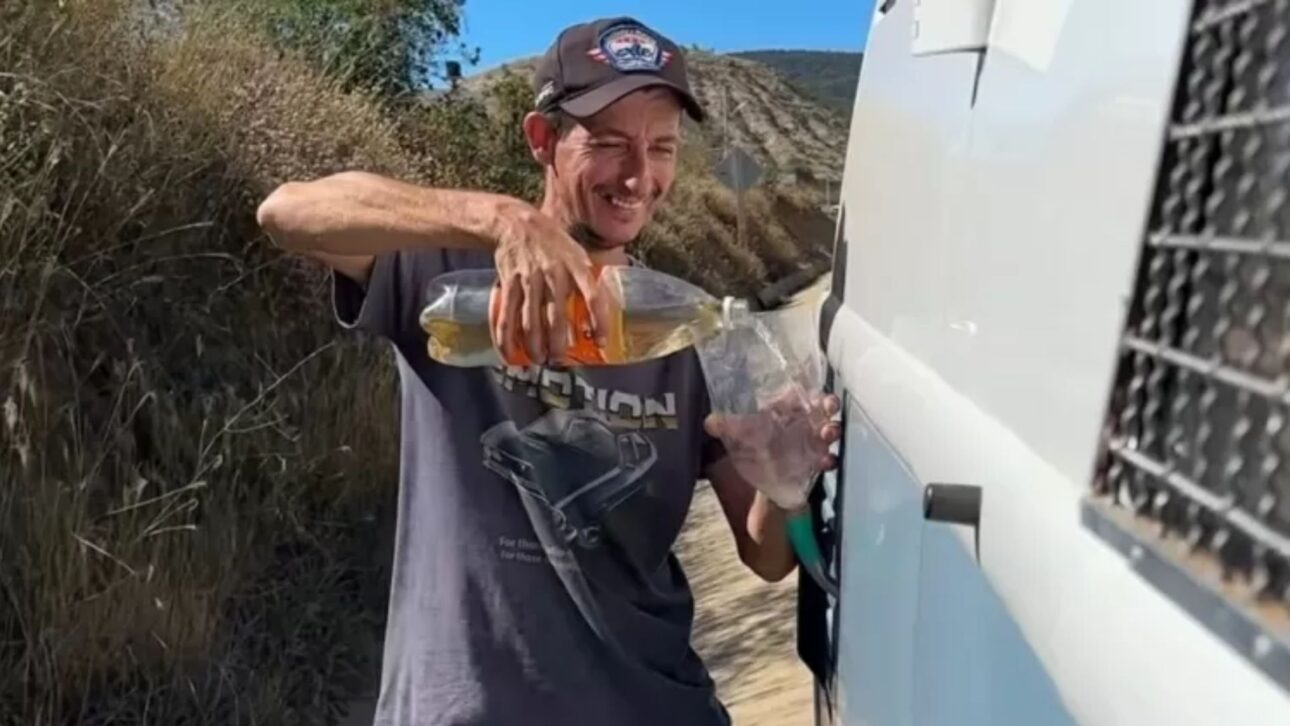
The process, often carried out in a makeshift manner, involves health and safety risks, as fuel is transferred using PET bottles and hoses, frequently employing the manual siphoning method, warns the National Agency of Petroleum, Natural Gas and Biofuels (ANP).
Subsidies and Economic Impact of Cheap Fuel
The low cost of gasoline and diesel in Bolivian territory is a direct result of a subsidy policy financed mainly by revenues from natural gas exports.
Despite attractive prices, the country faces serious structural limitations: being landlocked and with restricted oil reserves, Bolivia depends on the import of approximately 80% of the diesel and 70% of the gasoline it consumes internally.
In the last decade, Bolivian revenue from natural gas exports has dropped by around 69%, reducing the country’s international reserves and aggravating fuel shortages.
The government in La Paz, even under pressure, has maintained price freezes since the beginning of the 2020s, but has established strict limits on the volume of fuel that can be sold, especially in border regions.
The control is even stricter for those attempting to purchase fuels in plastic containers or makeshift receptacles.
According to an investigation by the UOL portal, any purchase exceeding 50 liters under these conditions requires state authorization.
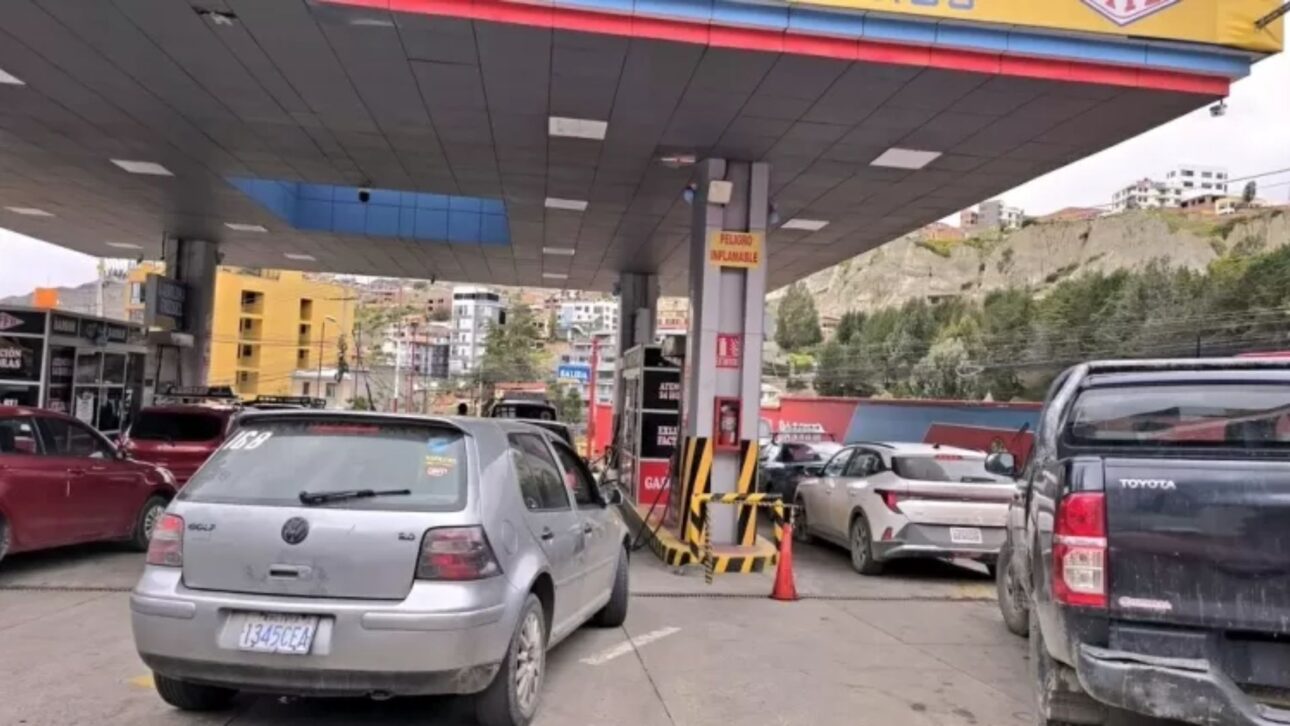
With the worsening of the crisis, gas stations have come under close military watch, making it even more difficult for foreigners to access fuel and increasing tensions between local consumers and visitors.
How Brazilians Bypass Restrictions to Refuel
The report also points out that Brazilians use different means to circumvent restrictions.
One of the most common practices is finding Bolivian residents willing to mediate the purchase of gasoline or diesel.
In these cases, the owner of the Bolivian vehicle usually fills up and then transfers the fuel to the Brazilian’s car tank or plastic jerry cans.
This operation, typically carried out clandestinely and quickly to avoid inspection, is considered dangerous, especially due to the risk of poisoning and accidents.
Among the collected reports, there are cases of Brazilians roaming communities near the border searching for houses displaying PET bottles filled with fuel, indicating availability for negotiation.
One interviewee stated: “I notice that some houses leave PET bottles with fuel at the door. In that case, you just call them and negotiate a price.”
The procedure, although known, has intensified with the supply crisis, leading tourists and workers to seek alternatives to ensure mobility in Bolivia.
Smuggling and Conflicts at the Border Increase
The increase in gasoline and diesel scarcity at Bolivian gas stations has transformed the landscape of border cities.
Episodes of protests, long lines, and conflicts have been reported, according to local media outlets.
The refusal of gas stations to sell to foreigners has also become more frequent.
In April 2025, the consul of Bolivia in Corumbá, Simons Blacutt, confirmed the existence of establishments that refused to supply fuel to Brazilians during a meeting with authorities from Mato Grosso do Sul.
To face the difficulties, tourists and truck drivers adopt their own strategies.
A miner reported having crossed the country with 120 liters of gasoline stored in his SUV, avoiding stops at gas stations.
Truck drivers have turned to political representatives to report bribery schemes in the release of diesel.
According to information published by UOL, smuggling, exacerbated by the low prices of Bolivian fuels, also causes significant losses to the Andean country.
Official data indicate that fuel smuggling to other countries costs nearly US$ 600 million per year.
The Federal Police of Brazil, in turn, has made arrests of smugglers transporting fuel by boat to the national territory, reinforcing the scenario of tension and ongoing surveillance at the border.
Surveillance and Restrictions on Fuel Purchases
With the intensification of the crisis, gas stations have been closely monitored by the Bolivian Army.
The increased scrutiny has raised the risks of punishment for those attempting to acquire or transport large quantities of fuel illegally.
Still, strategies to secure access to cheap gasoline, such as the use of electronic tags similar to those used for tolls—which authorize refueling only for vehicles registered locally—continue to be exploited by those living at the border.
In this context, the flow of Brazilians seeking Bolivian fuels remains steady, despite the risks and growing restrictions.
What explains the persistence of these methods and the willingness of so many to face precarious situations to refuel vehicles and ensure mobility in the region?








Quem me dera estar morando oir ali numa hora dessas. Burlar o sistema o escambau