





 English
  Francês
  Alemão
  Italiano
  Japonês
  Norueguês
  Portuguese
  Spanish
 3 min of reading


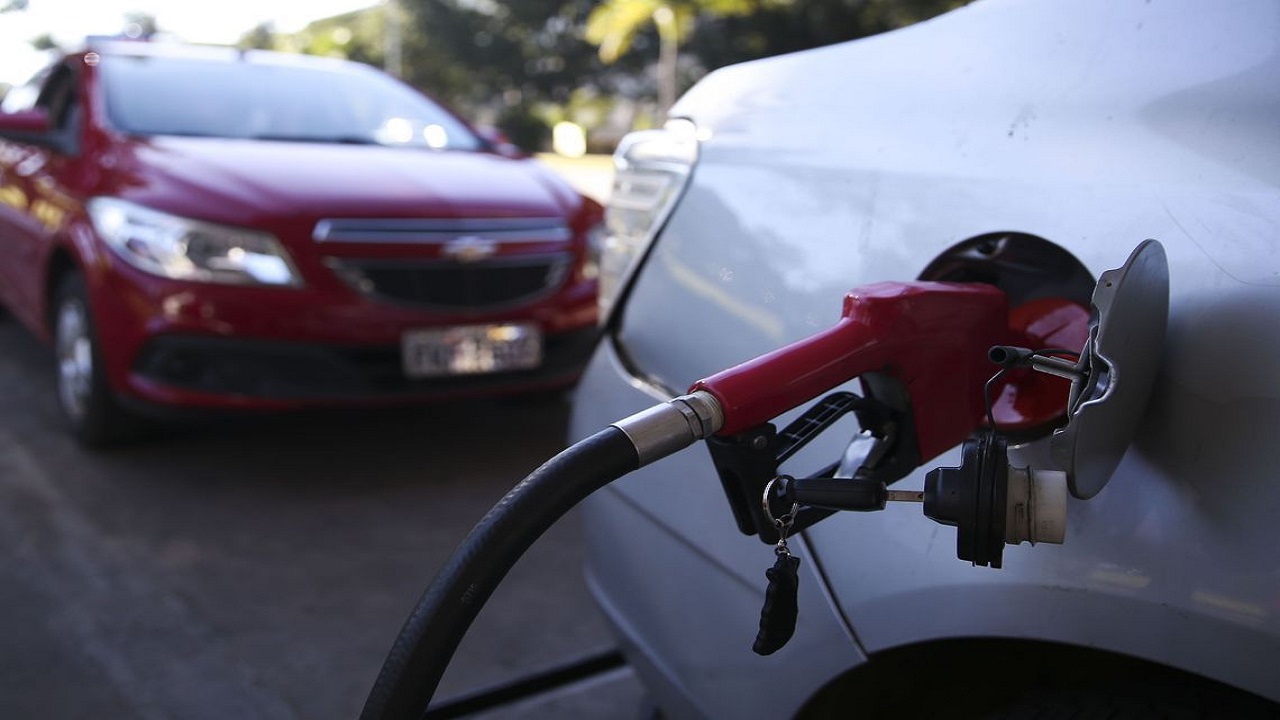
Due to the Devaluation of the Exchange Rate and Other Factors, Common Gasoline Has Reached a Price Higher Than R$ 7 for Consumers Using the Fuel in Rio Grande do Sul, According to Data Recorded by ANP
According to the National Agency of Petroleum, Natural Gas and Biofuels (ANP), the price of common gasoline has already surpassed R$ 7 in Rio Grande do Sul and consumers in Acre have been paying R$ 6.99 since last week. The average price of fuel in the country rose by 0.22% between August 8 and 14, and has already accumulated a 0.60% increase this month. According to experts, the dollar greatly influences the increase in fuel prices recorded by ANP, but other factors also contribute.
Read Also
Oil Barrel Price Increases After Currency Devaluation
According to Adriano Pires, Director of the Brazilian Infrastructure Center, petroleum derivatives, such as common gasoline, increase whenever there is a devaluation of the exchange rate and the price of the barrel also rises. On the 21st, the dollar closed at R$ 5.3848, and Brent crude traded in London reached US$ 65.18 per barrel.
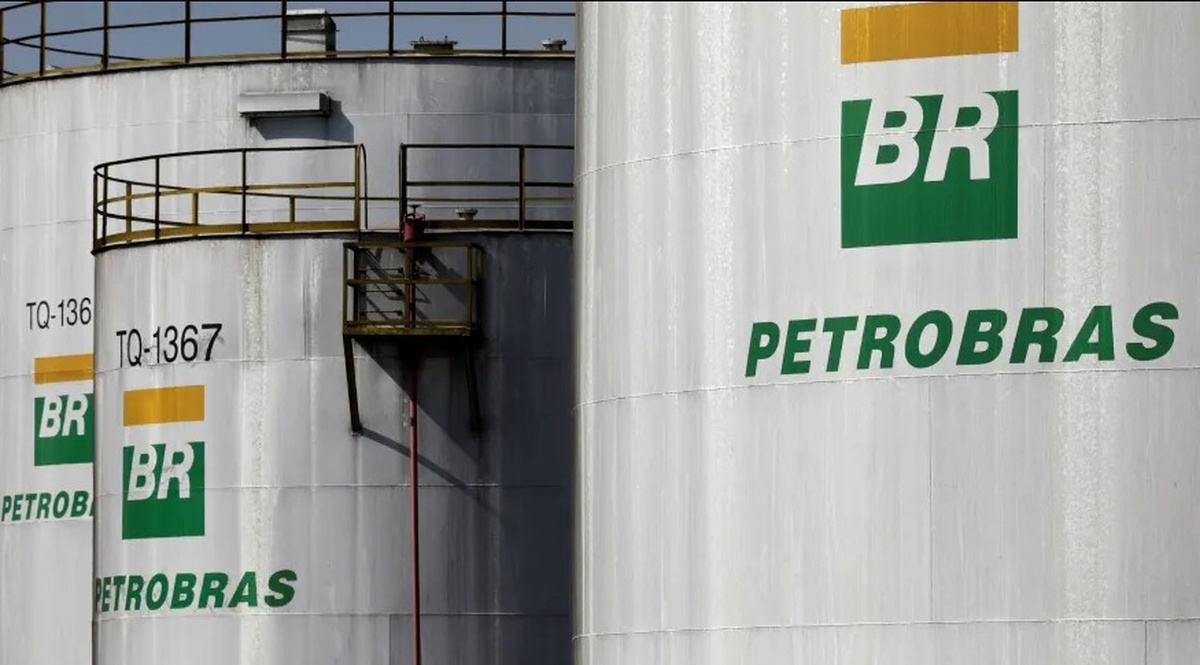
In the composition of the price of common gasoline, Petrobras’ share is the largest, according to ANP, at 32.9%. The state-owned company held 98% of the refining market until 2019 when it committed to selling half of its refineries to the Administrative Council for Economic Defense. So far, the only one that has been sold is the one in Bahia, purchased by the sovereign fund of the United Arab Emirates, Mubadala.
-
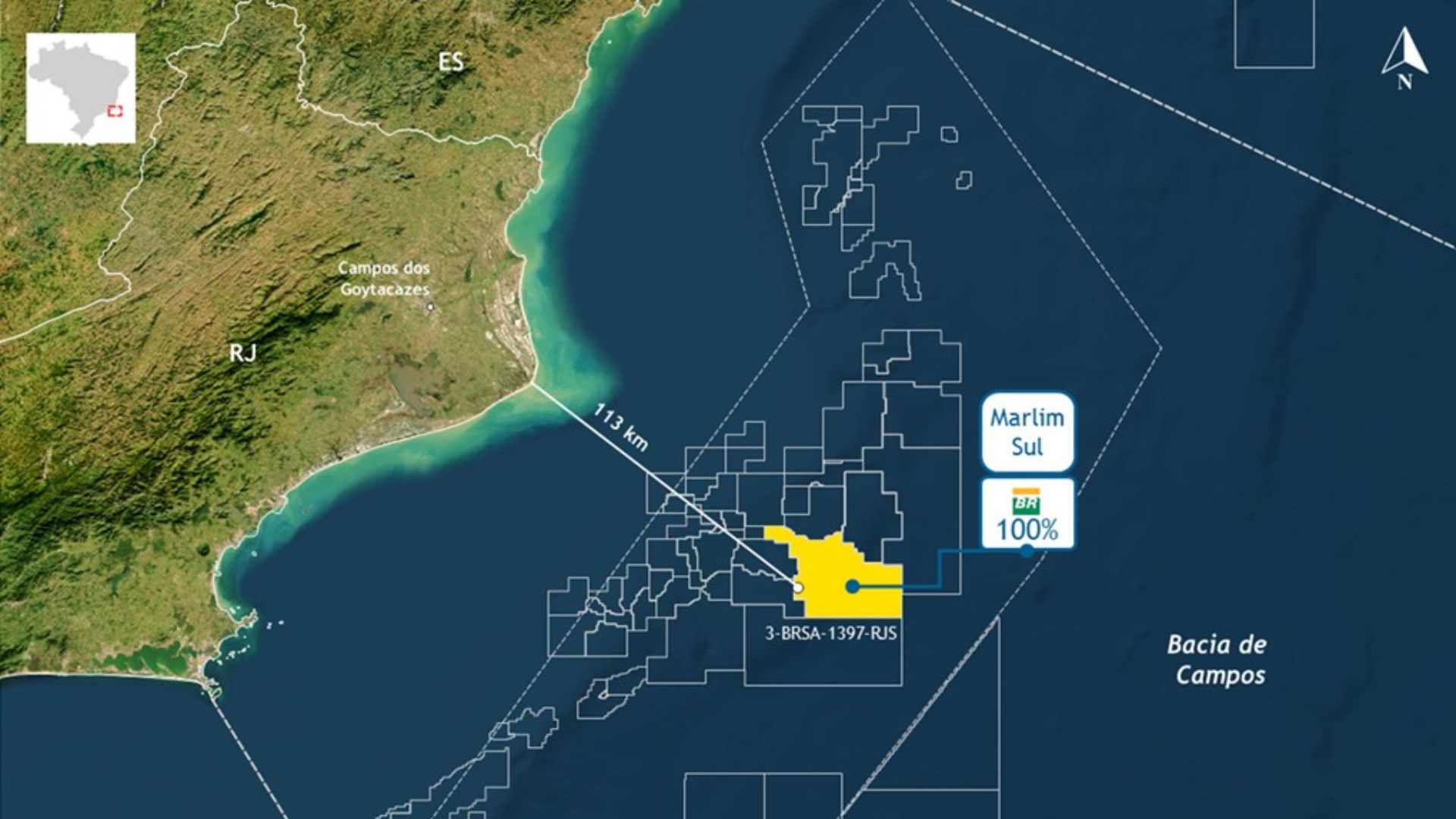
Petrobras announces new oil discovery in the pre-salt of the Campos Basin and reinforces Brazil’s prominence with high-quality reserves that can increase production and energy revenues.
-
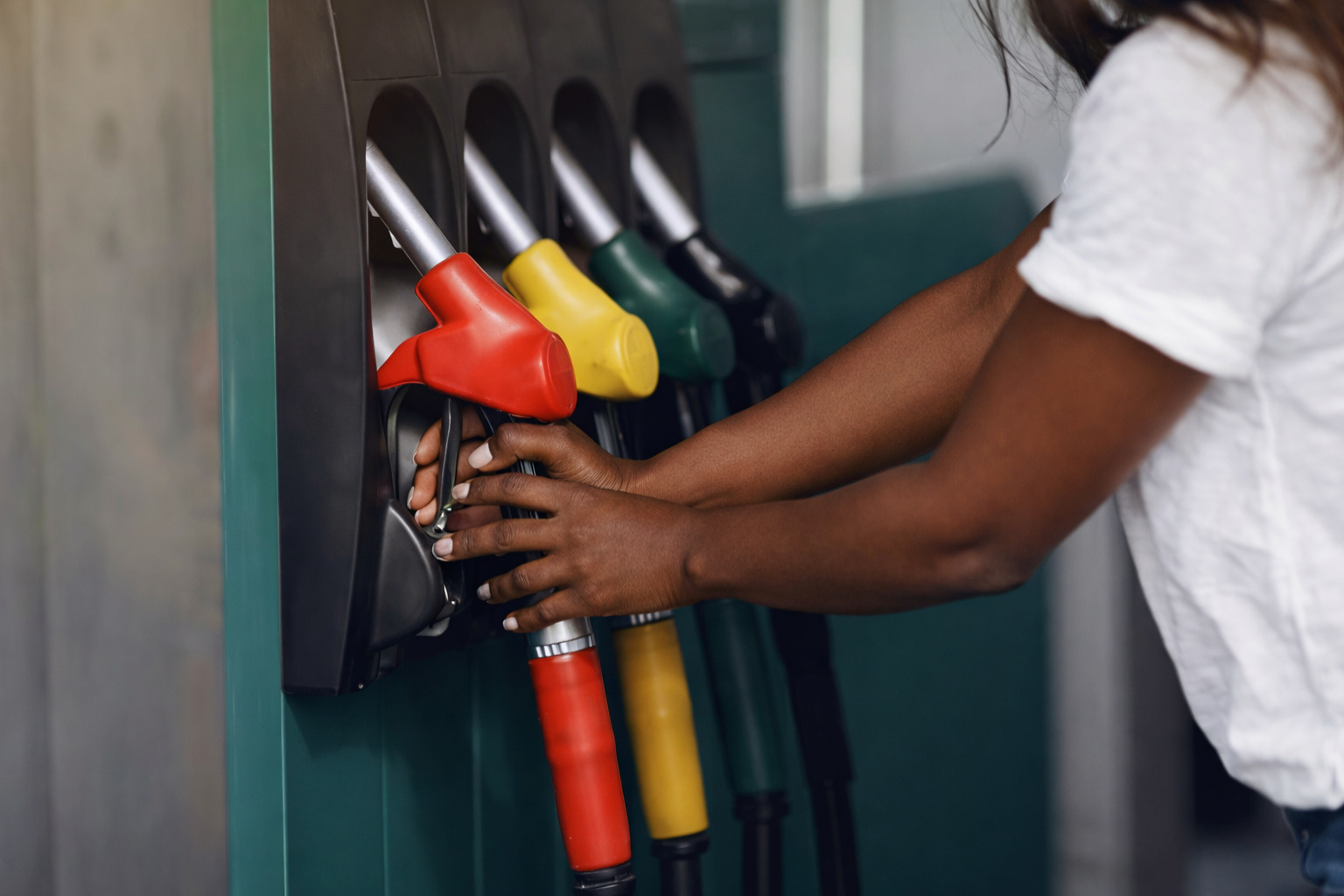
Alert in the fuel market: Analysts and a former director of ANP warn that oil prices may worsen in the coming months due to global instability.
-
Ocyan brings executives and digital solutions to Macaé Energy 2026 and highlights offshore expansion with Nexio and a new base in Macaé.

-
Petrobras advances 4.6% with rising oil prices and the dollar, reigniting the debate on macro risks, pricing policy, and fiscal impact in Brazil.

Almost 7% of Gasoline Consumed in Brazil Comes from Abroad
Maintaining international price parity is essential to attract interested parties to other refineries. Another point that reinforces the need for this is the fact that Brazil needs to import fuel to supply the internal market.
About 7% of the gasoline consumed in the country between January and June comes from abroad, according to Valéria Lima, Executive Director of Downstream at the Brazilian Institute of Petroleum and Gas (IBP). According to her, blaming Petrobras is futile, as the exchange rate also exerts significant pressure, and if it were lower, gasoline prices would be better for consumers. This is a result of economic policy; after all, the exchange rate also reflects the macroeconomic conditions of the country.
The director also highlights that other determinants affect the price of common gasoline reaching consumers. Even the biofuels included in the final blend have increased, such as anhydrous ethanol, which is added in a proportion of 27% to common gasoline and represents 15.9% of the value that reaches consumers.
ICMS Is One of the Major Influencers of the Increase Recorded by ANP
One of the biggest villains in fuel pricing is ICMS, which also accounts for 27.9% of the value that reaches consumers. Each state has the authority to set the rate, which according to data from the National Federation of Fuel Commerce varies between 25% and 34% for gasoline, depending on the state.
Despite being high, Brazilian fuel is not among the most expensive in the world. The average global price was US$ 1.20 per liter on the 16th of this month, and US$ 1.115 in Brazil.









Seja o primeiro a reagir!