





 English
  Francês
  Alemão
  Italiano
  Japonês
  Norueguês
  Portuguese
  Spanish
  3 min of reading
  0 comments



Analysis Reveals Limited Impact Even with Federal Measures
In June 2025, drivers in several regions of Brazil expected to feel the R$ 0.17 per liter cut announced by Petrobras on June 3, 2025, but the real impact was modest.
ValeCard Survey Shows Modest Decline at Gas Stations
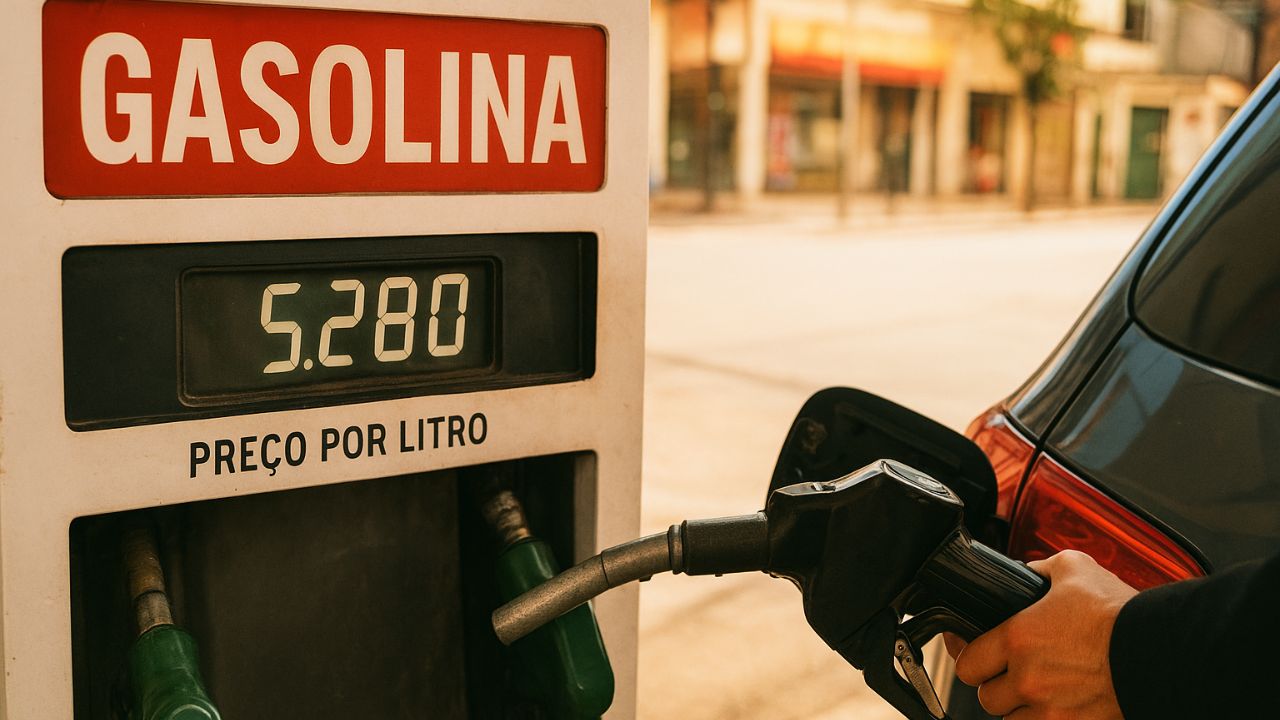
ValeCard, a specialist in payments and mobility, analyzed over 25,000 gas stations between June 1 and 26, 2025. The average gasoline price was R$ 6.411, only R$ 0.048 less than in May. Thus, the variation was 0.74%, absorbed by import costs, profit margins, and taxes.
Marcelo Braga, ValeCard’s Mobility Director, explained that “anhydrous ethanol accounts for about 12.7% of the final price, but the passing on to consumers depends on each distributor”, highlighting the complexity of price formation.
-
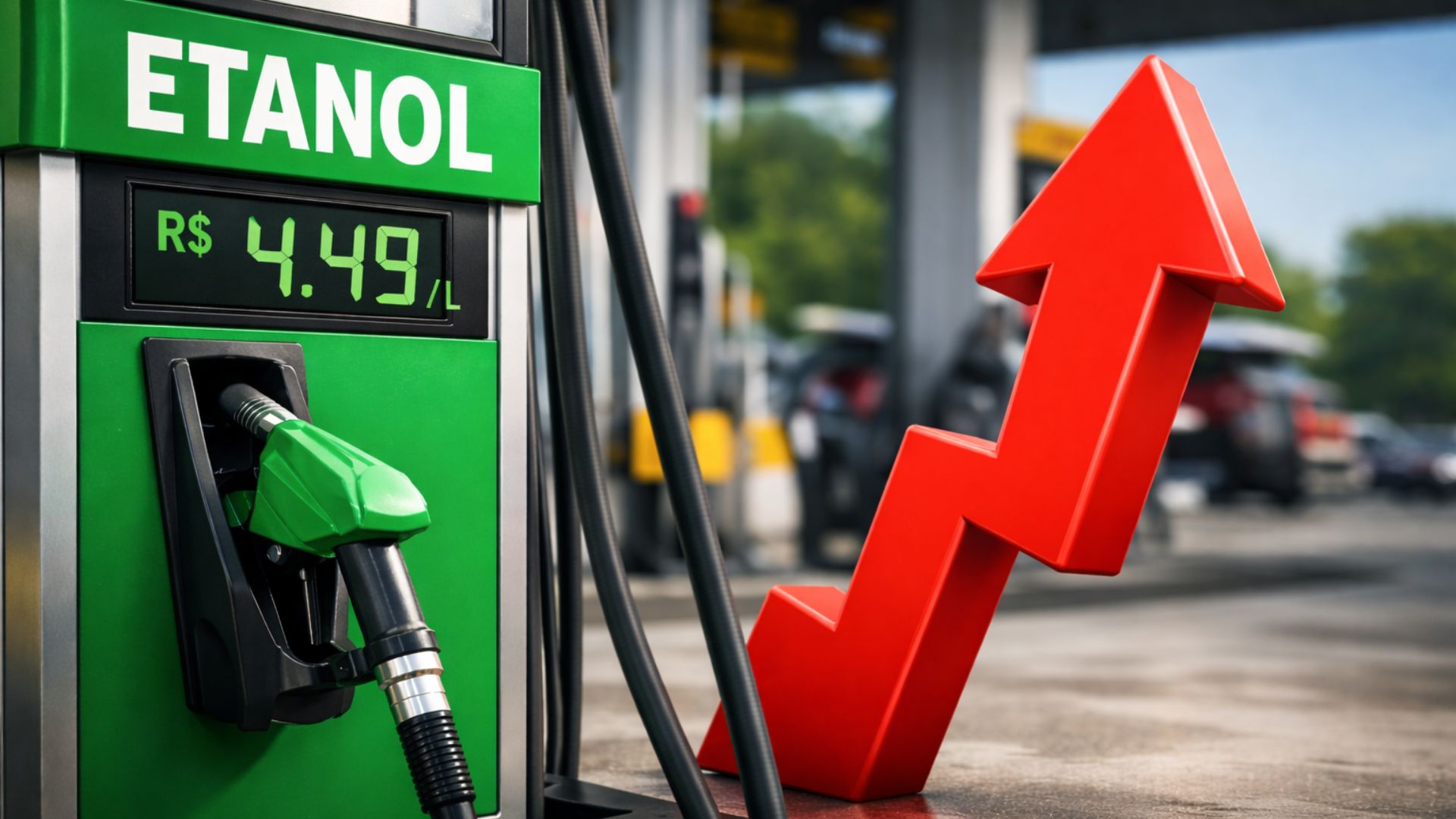
Ethanol Price Rises in 15 States and Remains Competitive in Only One: See Where Ethanol Beats Gasoline, ANP Data, and Impacts on the Brazilian Fuel Sector
-
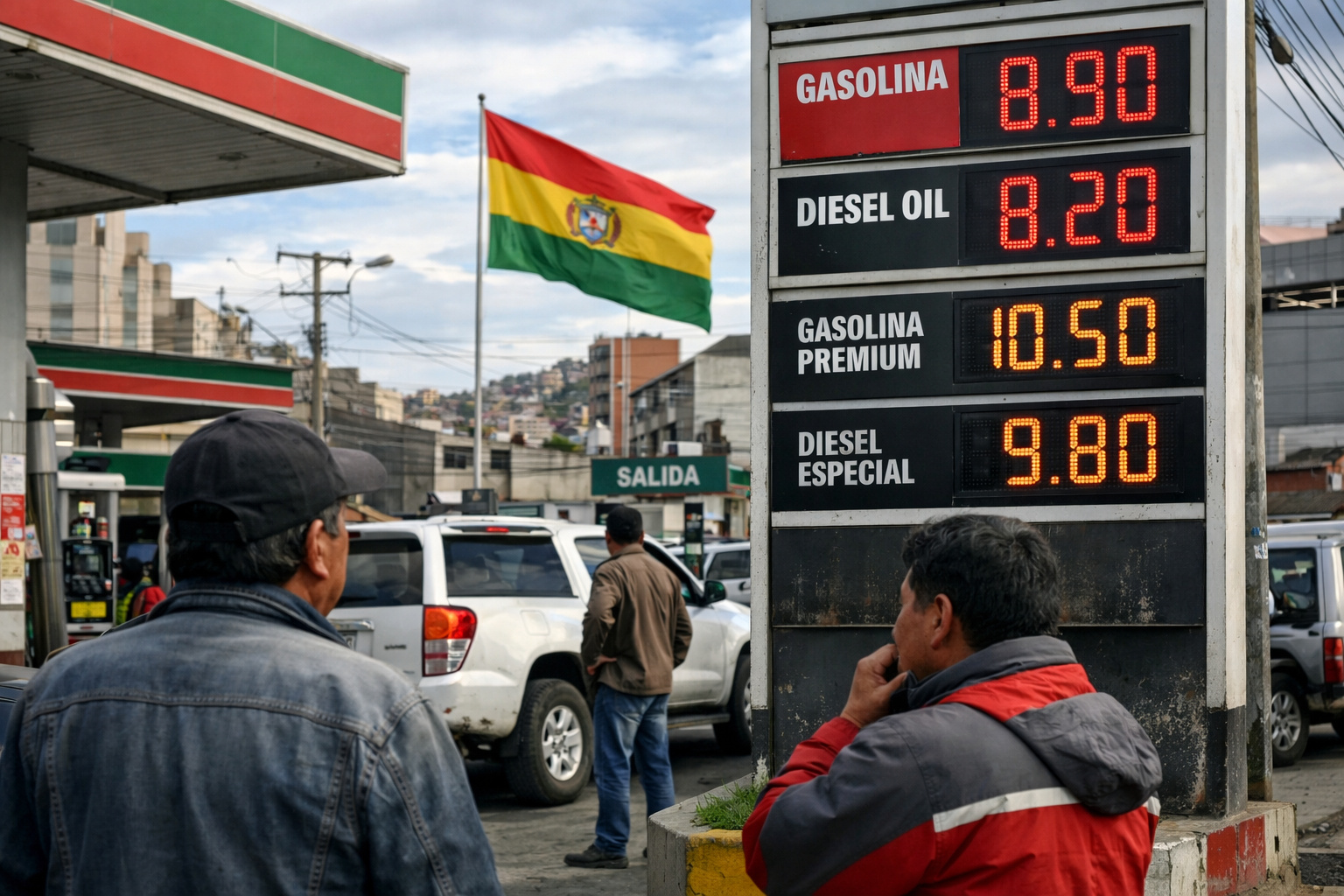
Bolivia Declares National Emergency, Ends Fuel Subsidies, and Prepares Up to 100% Increase in Gasoline and Diesel Prices
-
Brazilian Fuel Market Drives EPE’s New Projections for 2025 and Advances in Diesel, Ethanol, and Aviation
-
ANP Fuel Supply Oversight: Strategic Partnership with Ipem-SP Aims to Enhance Safety, Georeferencing, and Control in the Fuel Market

New Mixture of Ethanol and Biodiesel Takes Effect in August
Additionally, the National Council for Energy Policy (CNPE) determined on June 25, 2025, that the percentage of ethanol in gasoline will increase from 27% to 30%, while biodiesel will rise from 14% to 15% in diesel. For Braga, “these changes may have a moderate impact, as other factors continue to weigh on price composition”.
Regional Differences Highlight Inequalities in the Country
Among the states, São Paulo maintained the lowest gasoline price, at R$ 6.184, while Acre had the highest price, R$ 7.626, according to ValeCard. Additionally, states like Federal District, Minas Gerais, and Rio de Janeiro also showed modest variations.
Federal District: from R$ 6.708 to R$ 6.635 (-1.09%)
Minas Gerais: from R$ 6.459 to R$ 6.406 (-0.82%)
Rio de Janeiro: from R$ 6.340 to R$ 6.274 (-1.04%)
Ethanol Remains a Competitive Alternative in Some States
Despite fluctuations, common ethanol closed June at R$ 4.445, according to ValeCard, with an average reduction of 1.27% compared to May. São Paulo maintained the cheapest ethanol at R$ 4.137 per liter.
For ethanol to be advantageous, its price must represent up to 70% of the gasoline price. Following this calculation, Acre, Goiás, Mato Grosso, Mato Grosso do Sul, Paraná, Roraima, and São Paulo continue to justify the use of the renewable fuel.
Diesel S-10 Also Shows Moderate Decline
In the same survey, diesel S-10 recorded a decline of 1.50%, closing June at R$ 6.284. Rio Grande do Sul, according to ValeCard, had the lowest price, R$ 5.978, while Acre maintained the highest price, R$ 7.554.
Federal District: from R$ 6.423 to R$ 6.307 (-1.81%)
São Paulo: from R$ 6.297 to R$ 6.203 (-1.49%)
Minas Gerais: from R$ 6.434 to R$ 6.332 (-1.59%)
Rio de Janeiro: from R$ 6.473 to R$ 6.395 (-1.21%)
Expectations for the Remainder of 2025
For Marcelo Braga, director of ValeCard, the second half of 2025 is expected to continue with gradual adjustments, as factors such as imports, CBIOs, and geopolitical tensions continue to impact the market. Thus, even with federal measures and changes in the biofuel mixture, the real pass-through to the final consumer may remain limited.
Braga emphasizes: “The reduction only materializes when the entire supply chain adjusts costs and margins in a balanced manner”, making the impact truly felt at the pump.
In light of this scenario, will the new biofuel policies be able to genuinely ease the financial burden on drivers in the coming months?









-

Uma pessoa reagiu a isso.