





 English
  Francês
  Alemão
  Italiano
  Japonês
  Norueguês
  Portuguese
  Spanish
  6 min of reading
  1 comment


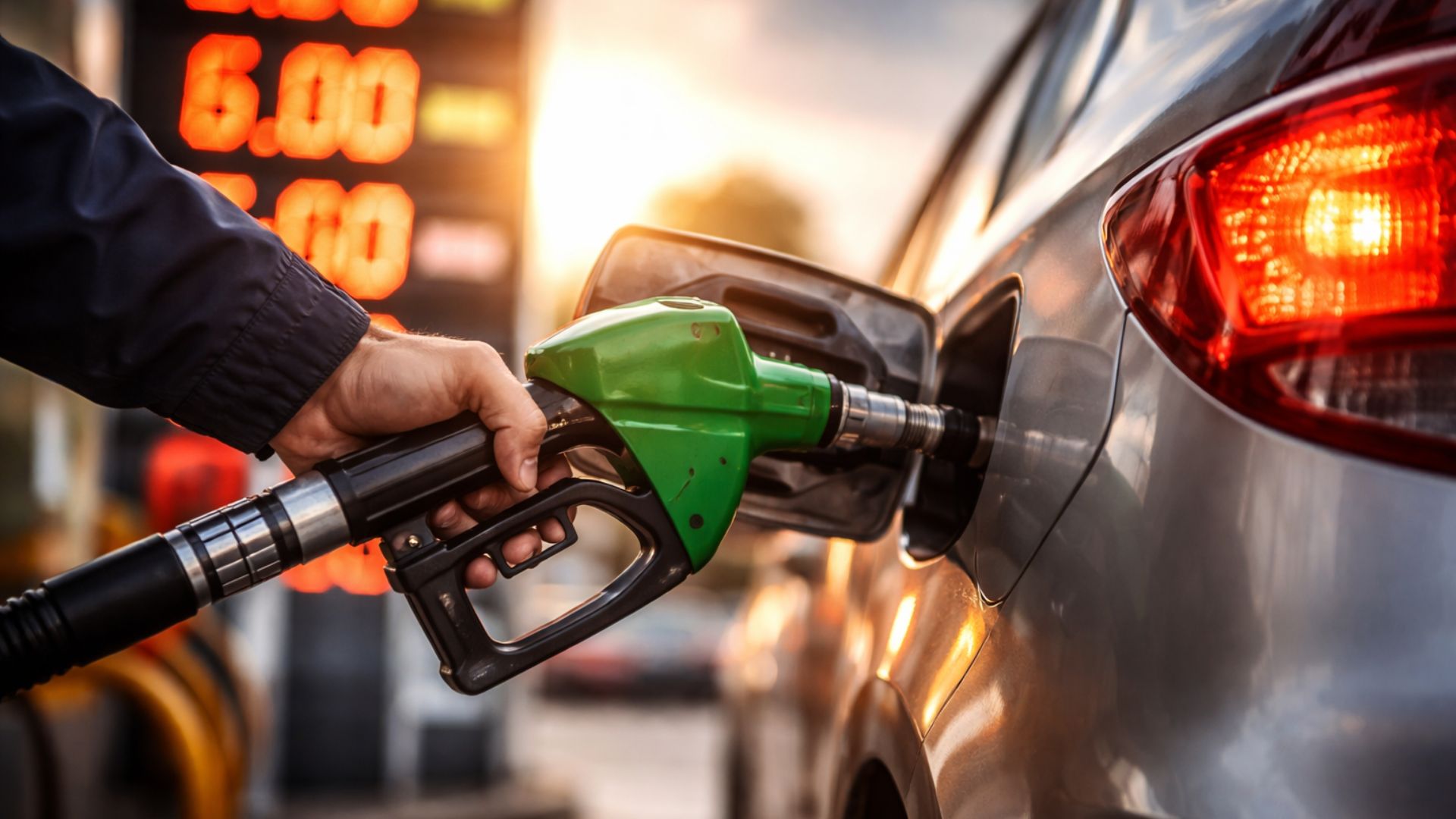

Understand Why The Increase In International Oil Prices May Pressure Gasoline And Diesel Prices In Brazil And What That Means For Drivers And The Economy.
The recent escalation of international oil has brought the fuel market back into the spotlight in Brazil. According to a report published by Isto é Dinheiro on Thursday (5), the rise in the price of crude oil on the global market has widened the gap between international values and the prices charged at Brazilian refineries, reigniting the debate over possible adjustments to gasoline and diesel. For millions of drivers, this movement represents a warning sign about potential changes in the price paid at gas stations in the coming weeks.
The geopolitical tension in the Middle East, involving Iran, the United States, and Israel, triggered an immediate reaction in global energy markets. Since the escalation of military tensions, the price of Brent crude oil has risen by nearly US$ 10 and is approaching US$ 86. This increase in international oil has widened the gap between external prices and the values charged by Petrobras in Brazil.
Recent reports from the financial sector indicate that this difference has already reached significant levels. The direct consequence of this scenario is pressure on the domestic fuel market, which may result in future adjustments to gasoline and diesel, directly impacting the wallets of drivers and also on inflation.
-
Former president of IBP highlights that dependence on diesel imports pressures prices in Brazil, increases vulnerability to global crises, and underscores the need for more robust and sustainable energy policies.
-
Middle East War Drives Up Oil Prices, And Petrobras Increases Diesel: Fuel Reaches R$ 3.65 Per Liter At Distributors
-
Oil Soars to Nearly $120, Middle East Tensions Shake Global Market, and a Little-Known Detail Returns to Energy Debate: The Gigantic Strategic Reserves Hidden by G7 Countries — See How Many Millions of Barrels Each Nation Holds in Reserve to Face a Global Crisis
-
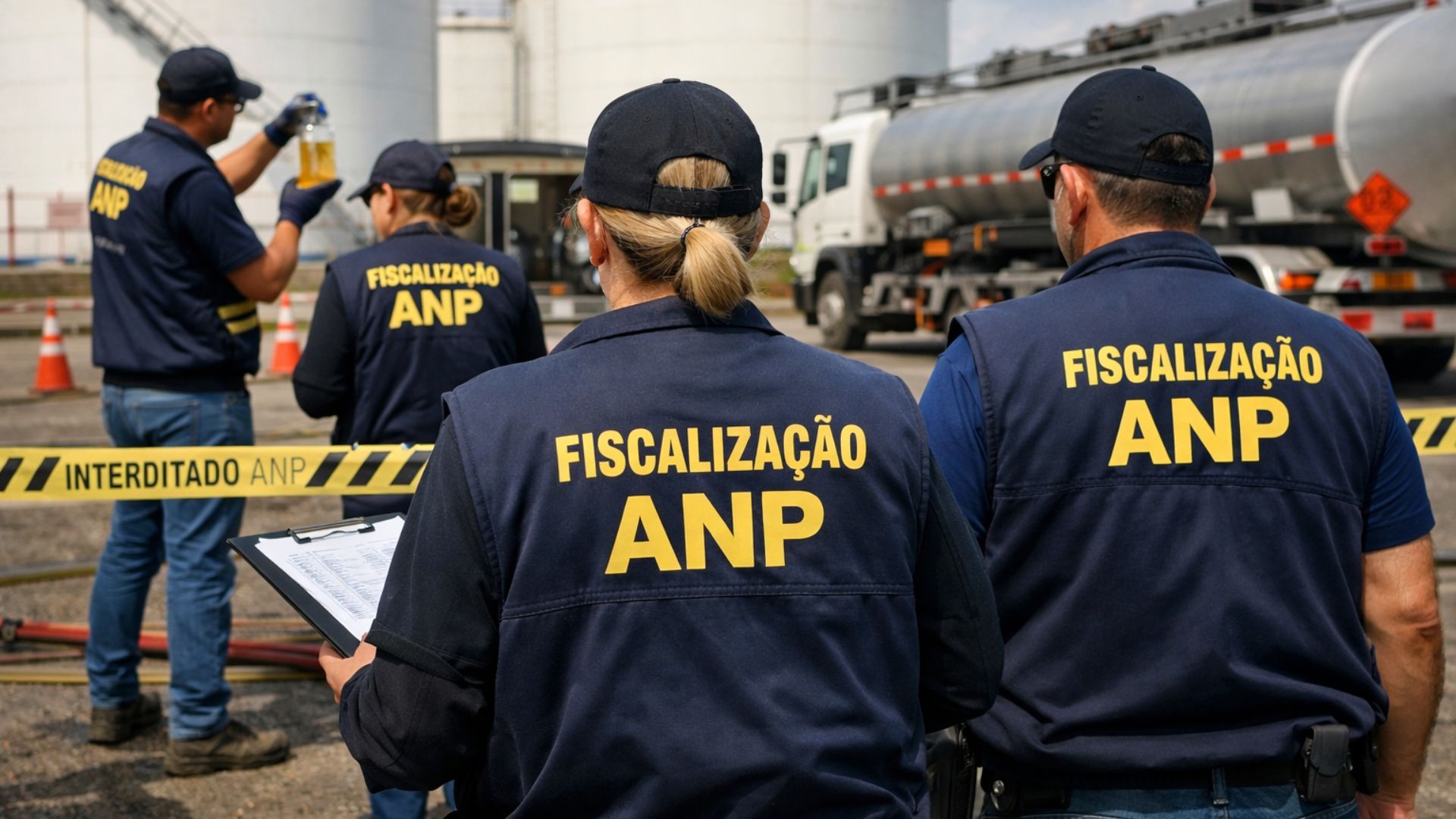
ANP and IPEM-MG Intensify Inspections at Fuel Stations in Uberaba to Ensure Product Quality and Greater Safety for Local Consumers


International Oil Escalation Reignites Alert In The Fuel Market
The increase in international oil is among the main factors explaining the new pressure on the Brazilian fuel market. The price of Brent, the global benchmark for the sector, has risen rapidly again after the escalation of tensions in the Middle East.
This global movement directly impacts countries that import or are partially dependent on external fuels, such as Brazil. Despite having significant refining capacity, the country still relies on imports to meet part of its demand, especially for diesel.
With the increase in crude oil prices, the difference between global prices and domestic values tends to grow. This phenomenon is known in the market as price gap. As this distance increases, so does the pressure for adjustments in gasoline and diesel, which can directly affect Brazilian drivers.
Diesel Sold In Brazil Is 30% Below International Price
A report released by Goldman Sachs indicates that the diesel sold by Petrobras to distributors is about 30% below the international reference. This is the highest level of difference recorded since 2022.
The gap occurs because the price of international oil has risen rapidly while prices at Brazilian refineries have remained stable for an extended period. As a result, the fuel sold domestically has begun to show a significant difference compared to the global market.
In import hubs such as Paulínia, in São Paulo, and Araucária, in Paraná, the situation is even more evident. In these locations, the price charged by Petrobras represents only 49% of the international value.
For drivers, this difference is not always immediately perceived at gas stations, as the final price of gasoline and diesel also depends on state taxes, distribution margins, and logistics costs.


Gasoline Also Accumulates Gap Due To The Increase In International Oil
Gasoline has also begun to show an increasing difference compared to the global market. According to data from the Brazilian Association of Fuel Importers (Abicom), the gap has reached about 19% at Petrobras refineries.
When considering private refineries as well, this difference slightly decreases to around 16%. Still, the scenario continues to be closely monitored by the market.
For internal prices to align with international oil, Abicom estimates that diesel should rise by about R$ 1.51 per liter at the refineries. Meanwhile, gasoline would require an adjustment of approximately R$ 0.47 per liter. These figures reinforce the existing pressure on the domestic fuel market and heighten expectations for potential adjustments in the future.

Long Period Without Price Adjustment Increases Pressure On Diesel And Gasoline
Another factor contributing to the current scenario is the long period without price changes at Petrobras refineries. Diesel has not had an adjustment for 304 days, a prolonged interval within the recent history of the state-owned company.
In the case of gasoline, the last move was made 38 days ago, when Petrobras announced a reduction of R$ 0.14 per liter. Since then, the rise of international oil has diminished part of the effect of this drop.
The company’s strategy aims to avoid immediate pass-through of global fluctuations to the domestic market. According to Petrobras itself, this policy aims to reduce volatility and prevent sharp impacts on the wallets of drivers. However, when the gap between internal and external prices grows too wide, the market begins to pressure for adjustments.
Private Refineries Have Already Begun To Increase Diesel Prices
While Petrobras keeps prices stable, some private refineries have already started to adjust fuel prices.
The Mataripe Refinery, located in Bahia, announced a R$ 0.28 increase per liter of diesel. The Manaus Refinery (Ream), situated in the Amazon region, raised the price of fuel by R$ 0.57 per liter.
These adjustments directly reflect the influence of international oil on the cost of production and importation of fuels. For drivers, these changes may lead to regional differences in the prices of gasoline and diesel, depending on the origin of the fuel sold at gas stations.
Dependence On Imported Diesel Increases Sensitivity Of The Brazilian Market
Another relevant point for understanding the current scenario is Brazil’s partial dependence on imported diesel. According to analyses by Goldman Sachs, about 25% of the diesel consumed in the country comes from abroad. The rest is produced by refineries located within the national territory, mainly by Petrobras.
When internal prices are significantly below international oil, importing fuel becomes less attractive for independent distributors. This scenario may discourage imports and reduce the availability of the product in the Brazilian market. If this happens, the pressure on gasoline and diesel prices may increase, directly affecting drivers and the transportation sector.
Exchange Rate Also Influences Gasoline And Diesel Prices
In addition to international oil, the exchange rate plays a crucial role in determining fuel prices in Brazil. Since oil is traded globally in dollars, any variation in the exchange rate of the American currency impacts the final cost of gasoline and diesel. According to the source, an extension of the conflict in the Middle East could provoke changes in the global flow of investments.
If investors reduce their exposure in the United States due to the costs of the war, part of these resources could flow into emerging economies. In this scenario, Brazil could benefit from the appreciation of the real against the dollar. For drivers, this would mean that a potential decline in the dollar could partially offset the rise in international oil, reducing pressure on fuels.
Drivers Feel The Impact Of Gasoline And Diesel Throughout The Economy
The impact of gasoline and diesel goes far beyond fueling private vehicles. Diesel is the primary fuel for cargo transportation in Brazil, responsible for moving most of the goods that circulate through the country’s highways.
When fuel prices rise, freight costs also tend to increase. This effect ends up being passed on to various sectors of the economy, influencing the prices of food, industrial products, and services. Meanwhile, gasoline has a direct impact on families’ budgets. Millions of drivers rely on fuel for daily commutes, work, and essential activities.
For this reason, any alteration in international oil can trigger a chain reaction, affecting everything from transportation to the cost of living for the population.
The Global Oil Scenario May Determine The Next Steps For Fuels
The future of gasoline and diesel prices in Brazil will largely depend on the evolution of international oil in the coming months.
If geopolitical tensions remain high and the price of crude oil stays near or above US$ 86, pressure on the Brazilian market is likely to increase.
In this context, Petrobras may choose to maintain its strategy of monitoring the market before making any decisions. The company itself has indicated that it is keeping an eye on the developments of the international conflict and prefers to observe market behavior for some time before making any adjustments.
For drivers, this means that the price of gasoline and diesel will continue to be influenced by global factors, such as wars, economic decisions, and fluctuations in the exchange rate.
Even without immediate adjustments, the dynamics of international oil will remain one of the main elements capable of determining the direction of fuels in Brazil and the final impact on consumers’ wallets.








TRUMP o lix@ de direita piorando cada vez mais o mundo