





 Português
  Inglês
  Espanhol
  3 min de leitura
  21 comentários


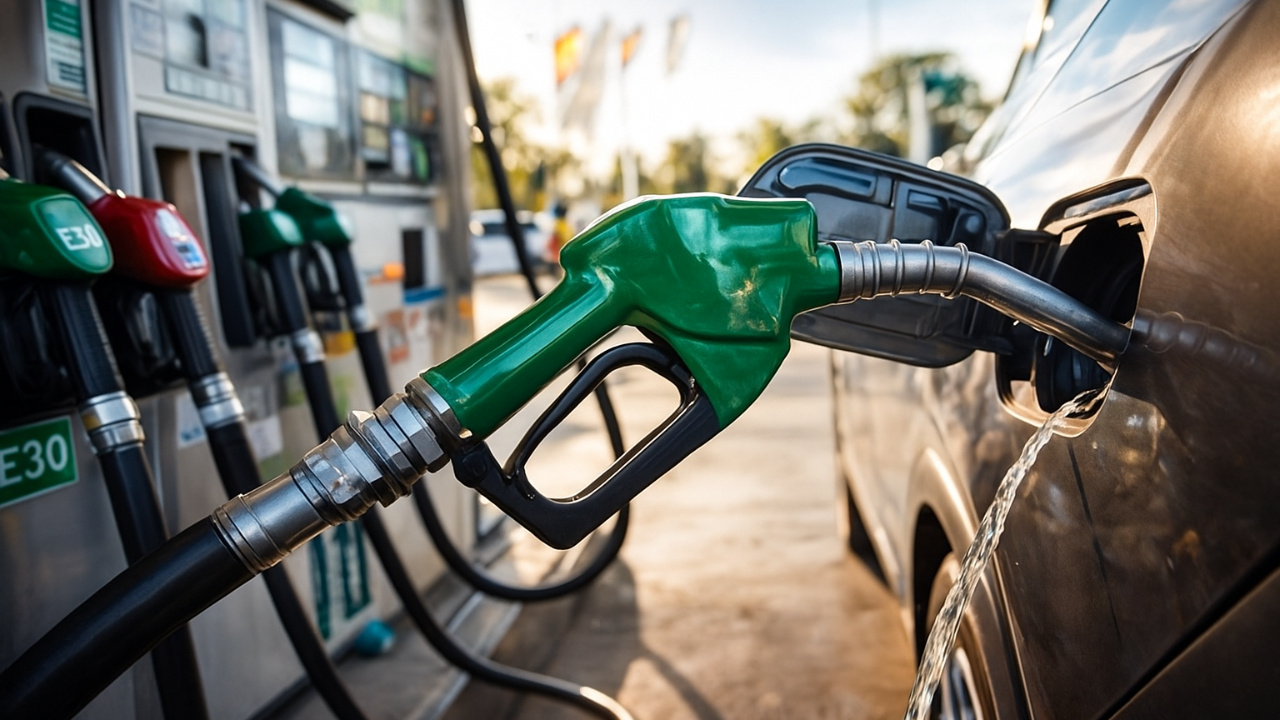


With E30 Gasoline, The New Fuel Approved By The Government Promises To Reduce Gas Prices In Brazil And Strengthen Ethanol Production.
What changes in the fueling of Brazilians? The Federal Government approved, on August 1, 2025, the official adoption of E30 gasoline, the new fuel approved by the government that promises to reduce gas prices in Brazil.
The decision, made by the National Energy Policy Council (CNPE), with the participation of President Luiz Inácio Lula da Silva and Minister Alexandre Silveira, came into effect simultaneously in all refineries in the country.
The goal is to increase the use of biofuels, decrease dependence on imported oil, and therefore offer more stable prices to consumers.
-
Offshore industrial demand in Macaé skyrockets with the recovery of oil and gas and could grow by up to 396% by 2026 in the Campos Basin.
-
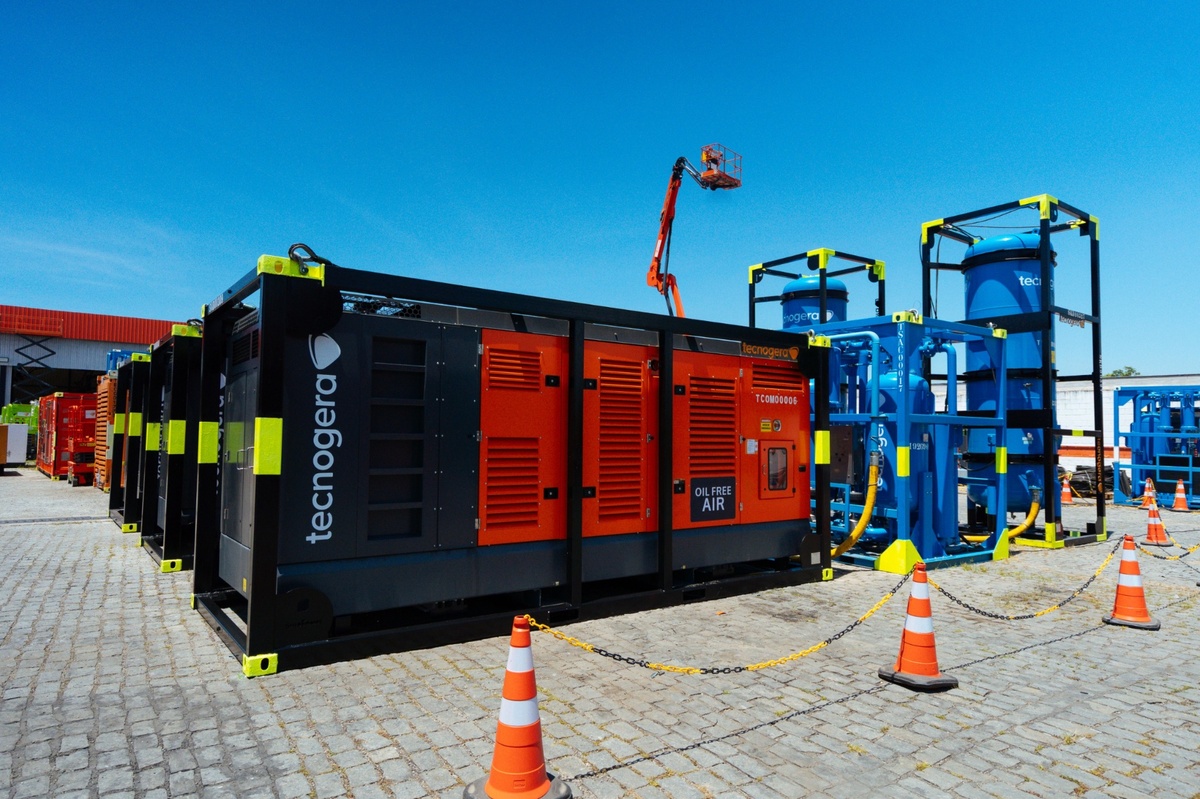
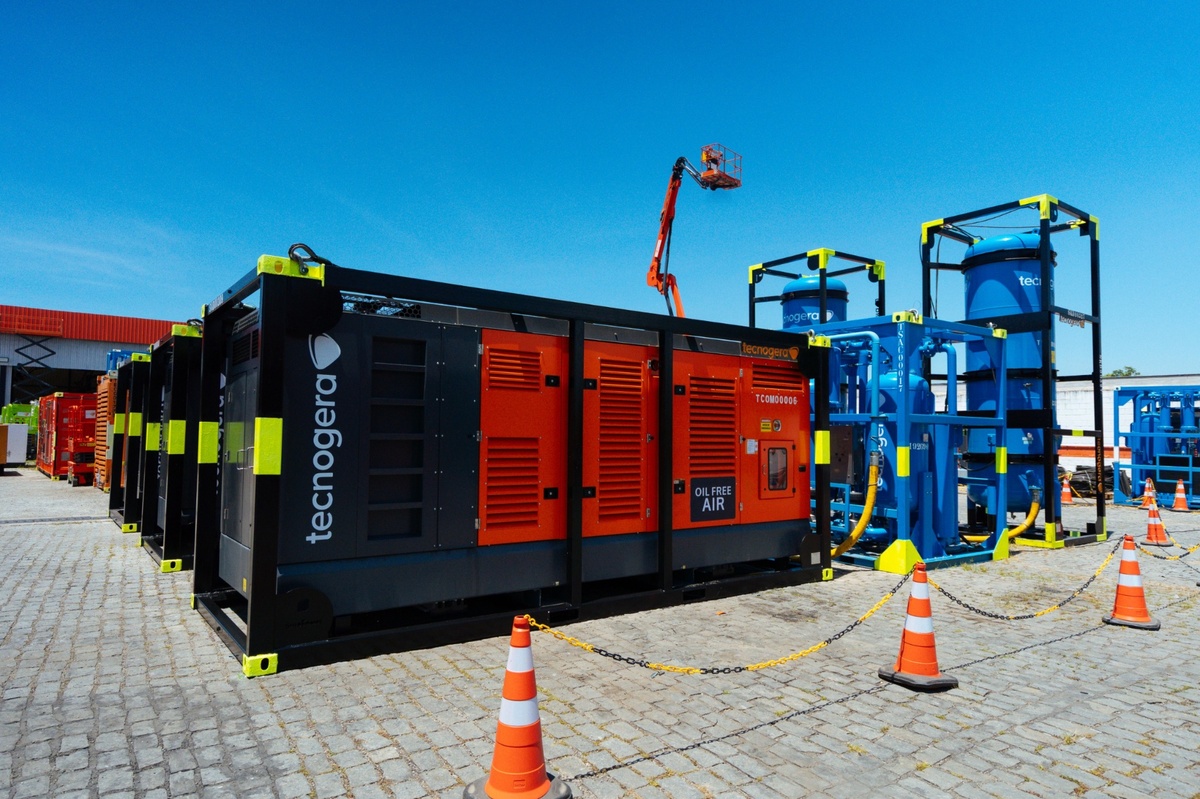
Offshore industrial demand in Macaé surges with the recovery of oil and gas and could grow by up to 396% by 2026 in the Campos Basin.
-
Brazilian giant expands borders in the Southeast: Petrobras confirms new oil discovery in ultra-deep waters in the pre-salt of the Campos Basin.

-
Alert in the global energy market: Severe tropical cyclone hits the coast and disrupts gas production at major plants in Australia, threatening global supply.


E30: Why The New Fuel Changes The Country’s Energy Policy
E30 gasoline emerges as one of the most robust measures to reinforce Brazil’s self-sufficiency in fuels. By containing a higher proportion of domestic ethanol, the product reduces the influence of the external market on gas price fluctuations.
Thus, the new fuel approved by the government promises to reduce gas prices in Brazil not only through its cheaper composition but also by the stability it brings to the production chain.
In addition, the government estimates that the measure will encourage over R$ 10 billion in investments in the sector, creating about 50 thousand new direct and indirect jobs.
In this way, the country strengthens its renewable energy matrix and rebuilds its productive capacity after 15 years.
Technical Characteristics Of E30 Gasoline: Proven Efficiency And Safety
E30 gasoline enters the market with an octane rating of 94 RON, a level considered ideal for modern engines, which benefit from fuels that are more resistant to detonation. This means better performance and greater thermal efficiency.
However, flexible-fuel vehicles may experience a slight increase in consumption, as ethanol has a lower calorific value.
Older cars or imported vehicles may require minor calibration adjustments to avoid premature wear.
Even so, according to tests by the Mauá Institute of Technology, the fuel was deemed safe for immediate use, posing no risks to engine operation.
Economic Impacts: Cheaper Fuel And Strengthened Industry
The adoption of E30 gasoline is seen as a strategy to reduce price volatility.
Thus, the new fuel approved by the government promises to reduce gas prices in Brazil with a structural approach, not just a temporary action.
Furthermore, by stimulating the ethanol and biodiesel chain, Brazil boosts agricultural and industrial sectors that already have significant productive capacity but still have potential for expansion.
This strengthens the domestic market while generating jobs and attracting investments to producing regions.
E30 And Sustainability: Less Pollution And More Energy Efficiency
The new fuel is also part of an environmental package adopted by the government.
With this, the country advances towards the goal of reducing pollutant emissions and increasing the prominence of renewable energies in the national matrix.
The greater presence of ethanol derived from sugarcane, a clean and widely available source, reinforces both the climate commitment and the competitiveness of Brazilian biofuels.










Não vamos esquecer que a gasolina baixou na Petrobrás 3X esse ano ( Quase 20%, e as distribuidoras e postos de gasolina, enfiaram esse dinheiro no bolso , como lucro, não repassaram nada ao consumidor. Então não é só culpar governo. Nossos empresários tb são desonestos igual ao governo. Quando tem oportunidade guardam o lucro e o povo que se dane. Cabe ao governo fiscalizar e aumentar impostos para as distribuidoras e postos. Ja que estão ganhando mais e não passam pro consumidor, que paguem ao governo. Se fizer isso, rapidinho o preço cai na bomba.
Tá tudo mundo acreditando, viu. Tenho idade suficiente pra lembrar que realmente TODAS as vezes que o percentual de etanol aumentou na adição à gasolina (lembro que começou há décadas atrás em 10%) o preço da gasolina na bomba diminuiu!!!
**** de hipócritas e mentirosos, mais uma NARRATIVA do desgoverno do descondenado!!!
Desde agosto esse combustível é vendido nos postos, a redução no preço da gasolina foi de R$0,02 nos postos e R$0,00 pro consumidor!
Isso aumentou a demanda por etanol, aumentando o preço desse produto e anulando a redução na gasolina.
Atualmente a Operação Carbono Oculto mostrou que o mercado de etanol é controlado pelo PCC. Então, quem foi beneficiado com essa medida?
Também não temos o ICMS monofásico no etanol, que atrapalharia o crime organizado, mesmo já tendo isso pra gasolina e pro diesel. Por que não tomaram essa medida que atrapalharia o crime organizado?