





 Português
  Inglês
  Espanhol
  4 min de leitura


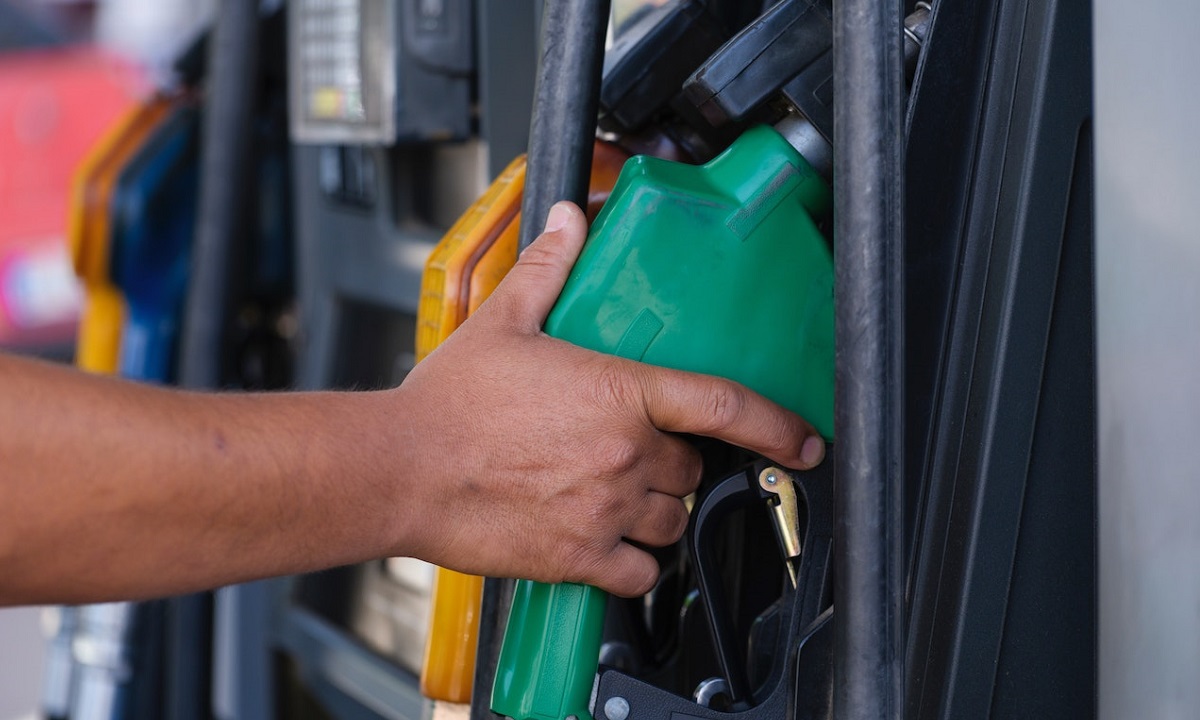
According to Global Petrol Prices, which analyzes fuel prices in 168 nations, Brazil is the country with the 39th cheapest gasoline. The price per liter of gasoline drops from R$3.53 to R$3.28 per liter
According to the announcement made by Petrobras last week, the price of gasoline sold to distributors has decreased once again. The price per liter of gasoline at refineries has decreased by 7.8%, dropping from R$3.53 to R$3.28 per liter.
The National Petroleum Agency (ANP) had already shown through a survey that the prices of gasoline, diesel, and ethanol have fallen again at fuel stations in most states. The average selling price of a liter of gasoline last week reached R$5.25 nationally.
According to a report published by G1, compared to other countries, Brazil was one of the countries that experienced the largest drop in gasoline prices in recent months, ranking among the ten countries where the price per liter of fuel decreased the most. The data were published by Global Petrol Prices, which analyzes prices in 168 nations. Between June 27 and August 29 of this year, Brazil climbed 37 positions, now being the 39th cheapest gasoline.
-
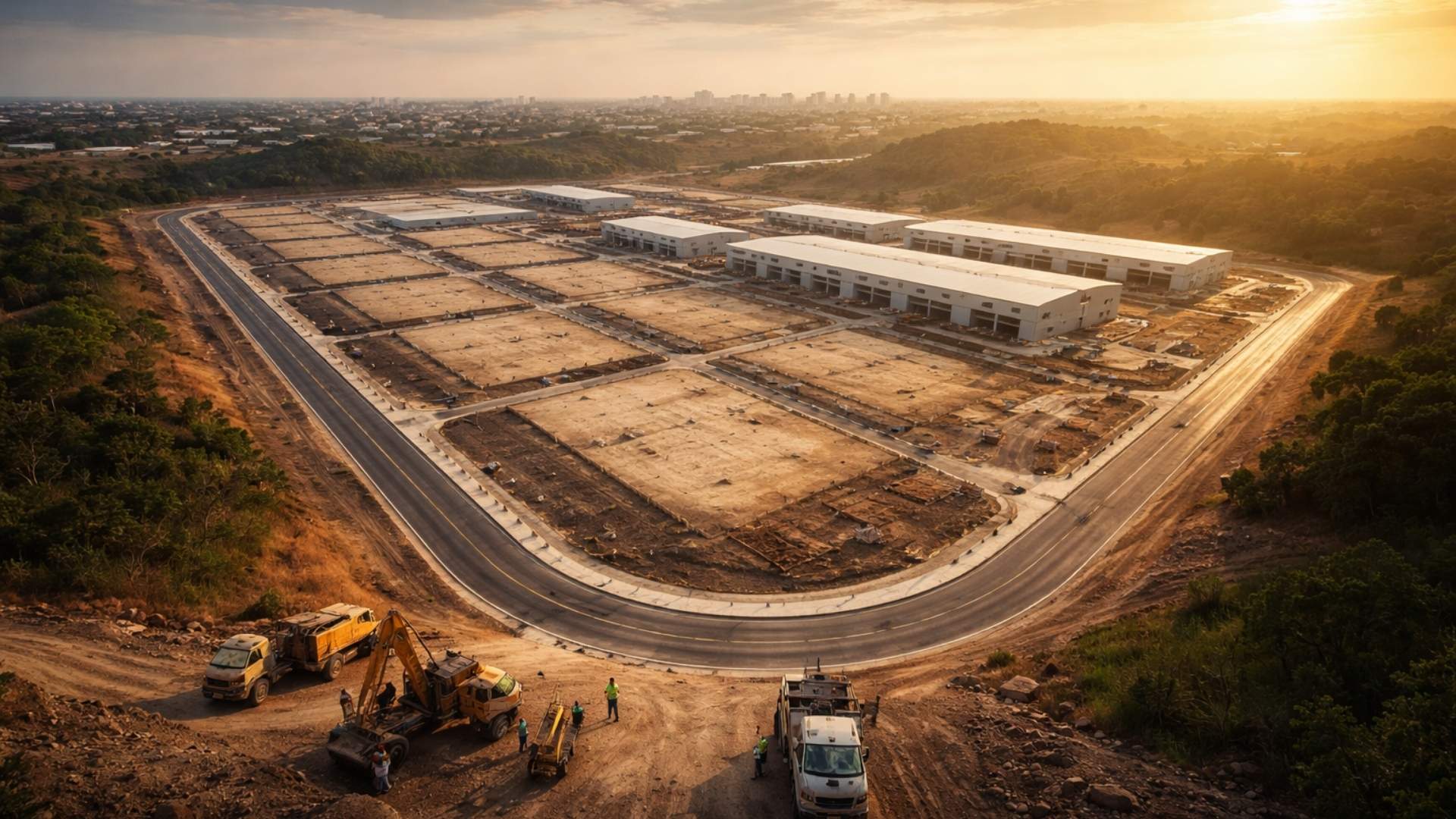
Brazilian city gains industrial hub for 85 companies that is equivalent to 55 football fields.

-
Peugeot and Citroën factory in Argentina cuts production by half and opens a layoff program for more than 2,000 employees after Brazil drastically reduced purchases of Argentine vehicles.

-
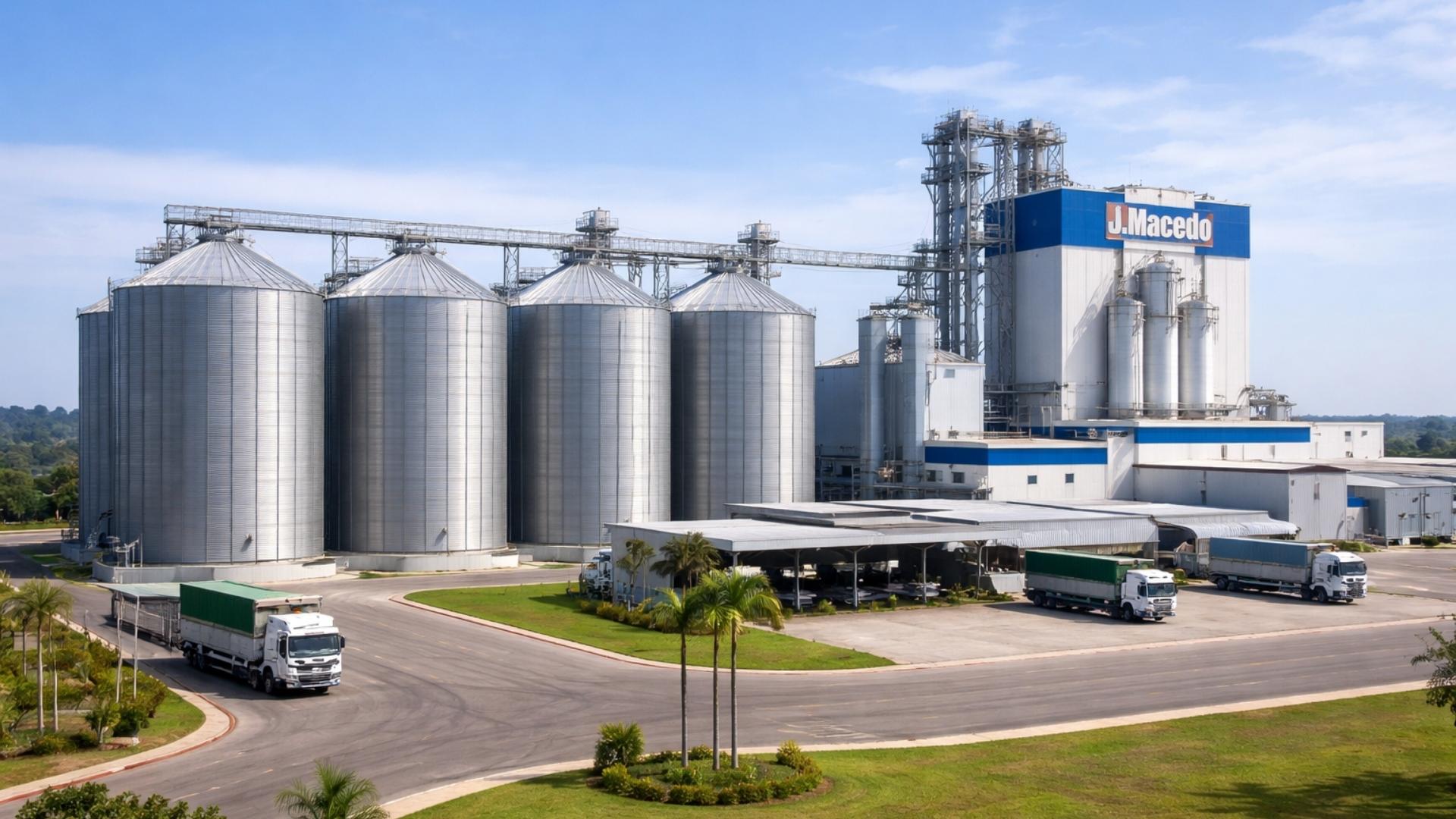
A Brazilian city gains a factory worth R$ 300 million with the capacity to process 200 thousand tons of wheat per year, a mill of 660 tons/day, silos for 42 thousand tons, and an industrial area of 276 thousand m².
-
Havan will leave the shopping mall in Blumenau to inaugurate something that the chain has never done before: a megastore in half-timbered style in the Historic Center of the city, which is expected to be completed in May and change the landscape of local retail.


So, Why Are Prices Decreasing So Much in Brazil?
The managing partner of the Brazilian Infrastructure Center (CBIE), Pedro Rodrigues, informs that the international market price of oil and the exchange rate are the factors that most influence the price of gasoline, as the commodity is quoted in dollars.
He states that the price of oil and the exchange rate are falling, and thus, any company that follows the international market – including Petrobras – when it reduces the price of crude oil, the price of fuel also decreases. Oil prices dropped nearly US$6 last Tuesday (30), and Petrobras reported that the decrease in gasoline prices at refineries follows this trend.
There are other factors that influence fuel prices, albeit in a more subtle manner, going beyond international market values. According to Rodrigues, taxes – such as PIS/Confins and ICM – and the ethanol blending percentage in gasoline are worth mentioning.
The Brazilian tax policy, along with the real appreciating against the dollar, are precisely the main factors causing fuel prices in Brazil to drop more than in other countries.
The managing partner of CBIE explained that, in addition to a global reduction in the price of oil, Brazil implemented a policy that further lowered the tax rate, resulting in a decrease in fuel prices.
What Are the Changes in Tax Policy?
The legislation that lowers the rates of the Tax on Circulation of Goods and Services (ICMS) that apply to essential items – such as fuels, natural gas, electricity, communications, and public transport – took effect in Brazil at the end of June. It was signed into law by President Jair Bolsonaro (PL), requiring states to limit the tax charge, which is state-level, to the minimum rate of each state, which varies between 17% and 18%.
The government also abolished the rates of two federal taxes on fuels: the Contribution for the Social Integration Programs and Public Server Asset Formation (PIS/Pasep) and the Contribution for the Financing of Social Security (Cofins).
Alexandre Andrade, an analyst at the Independent Fiscal Institution (IFI), says that, from a tax perspective, these were the factors that most influenced fuel prices. He states that all states charged ICMS rates above 17% or 18%, reaching as high as 30%, like in Rio de Janeiro. For the economist, the decree that zeroed the PIS and Cofins rates also had an impact, but the ICMS had more influence on the reduction of prices.
Where Does the Money from Taxes Come From?
Alexandre Andrade explains that the ICMS, besides being the largest source of revenue, is the main tax at the state level. Items like fuels, natural gas, electricity, communications, and public transport are the main sectors of revenue collection within the ICMS. Thus, the reduction in the ICMS rate establishes a significant loss of revenue for the states.
On the other hand, the ICMS collected supports essential services financed by state governments, such as education, health, security, and the operating costs of the public machine.
According to a calculation carried out by the National Confederation of Municipalities (CNM), the loss of revenue for municipalities alone is R$22 billion. The federal government, by law, is required to compensate states when revenue loss from the tax exceeds 5%, compared to the revenue from the previous year. The Supreme Federal Court (STF) granted interim measures to seven states – São Paulo, Alagoas, Maranhão, Piauí, Minas Gerais, Rio Grande do Norte, and Acre – for immediate compensation of the losses by the Union.
Within the Union’s competence, PIS, Pasep, and Cofins are social contributions, aimed at financing social security. PIS and Pasep finance policies for unemployment benefits and other support, while Cofins is aimed at financing social security (Social Security).
According to economist Alexandre Andrade, the federal government implemented these exemptions because revenue is growing at an accelerated pace, although a deceleration process has recently begun. In the case of fuels, the federal government is granting a subsidy to consumers.
The main criticism of this measure is that the government is financing fossil fuel consumption when it could be directing resources better toward other areas.
The Independent Fiscal Institution (IFI) estimates a revenue waiver of about R$17.6 billion due to the suspension of the PIS, Pasep, and Cofins rates on diesel and cooking gas until the end of the year. With the measure that zeroed the rates applicable to gasoline and ethanol in June, the IFI estimated a loss of R$18 billion by December, totaling R$35.6 billion. However, the government intends to extend these rate reductions into 2023, according to the 2023 budget proposal.








Seja o primeiro a reagir!