





 English
  Francês
  Alemão
  Italiano
  Japonês
  Norueguês
  Portuguese
  Spanish
  3 min of reading


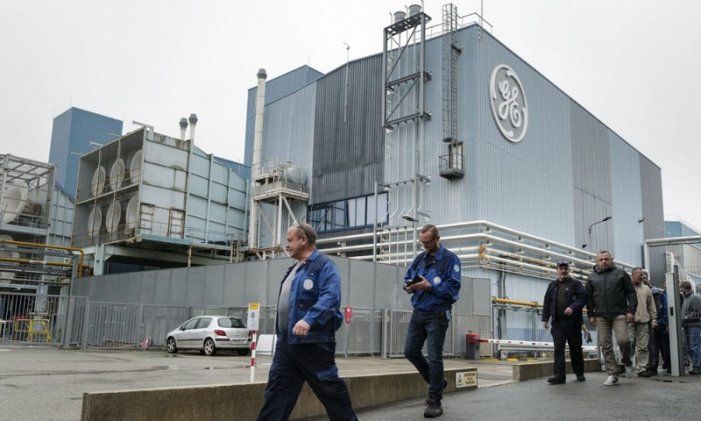
GE Wants to Focus on Gas Turbines for Thermal Plants or Steam Turbines for Nuclear Plants, as Well as Renewable Energy, Since Coal Power Plants Are Becoming an Increasingly Less Competitive form of Energy
The desire to focus more on renewable energy generation sources may lead to divestments, plant closures, and job cuts at General Electric if the decision to not build coal-fired power plants is realized. Lawsuit Against the Sale of Petrobras Refineries Suspended by the STF
Also Read
- Over 500 New Job Openings Today (09/22) by JBS, the Brazilian Company That Surpassed the Oil Giant Petrobras in Revenue
- Recruiting Agency in Rio de Janeiro Calls for URGENT Positions. Shift Schedule 60 x 60
- Over 60 Job Openings for Beginner Level Production Operator Positions Opened Yesterday Along with Other Positions for Intermediate, Technical, and Higher Levels at the Manufacturer Colormaq
GE – General Electric informed the market yesterday (09/21) about the new decision. The multinational had already expressed its desire to focus less on fossil fuels and more on renewable energy, reflecting the growing acceptance of clean sources by electric companies.
According to Kathy Hipple, financial analyst at the Institute for Energy Economics and Financial Analysis, “GE’s exit from the construction of new coal-fired power plants – after decades as a leader in this segment – is a recognition that growth in the energy sector will no longer come from coal.”
-
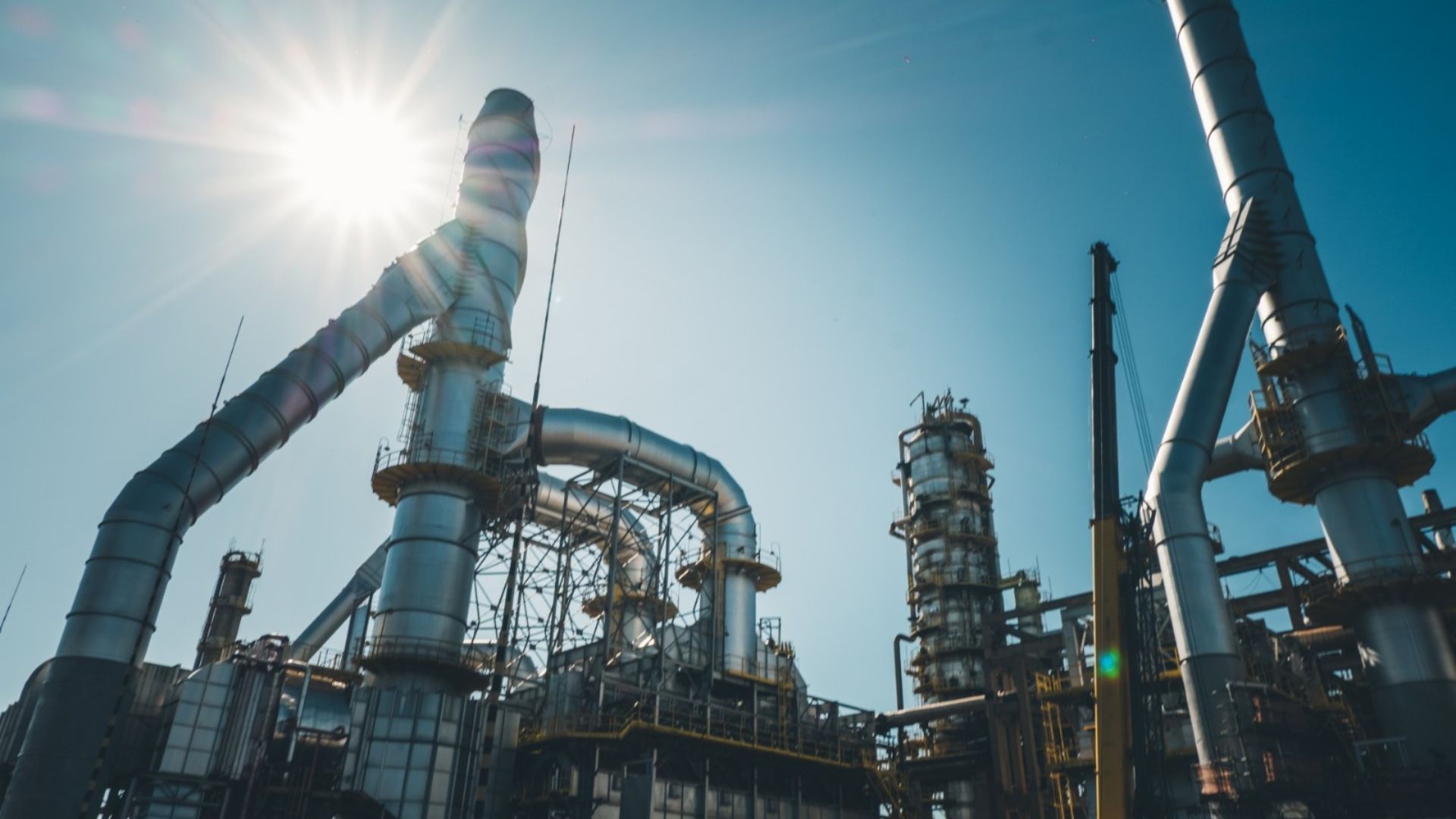
Petrobras Expands Refining in Brazil, Increases Production of Diesel S-10 and Gasoline, Enhances Operational Efficiency, and Reduces Import Dependence Between 2023 and 2025
-
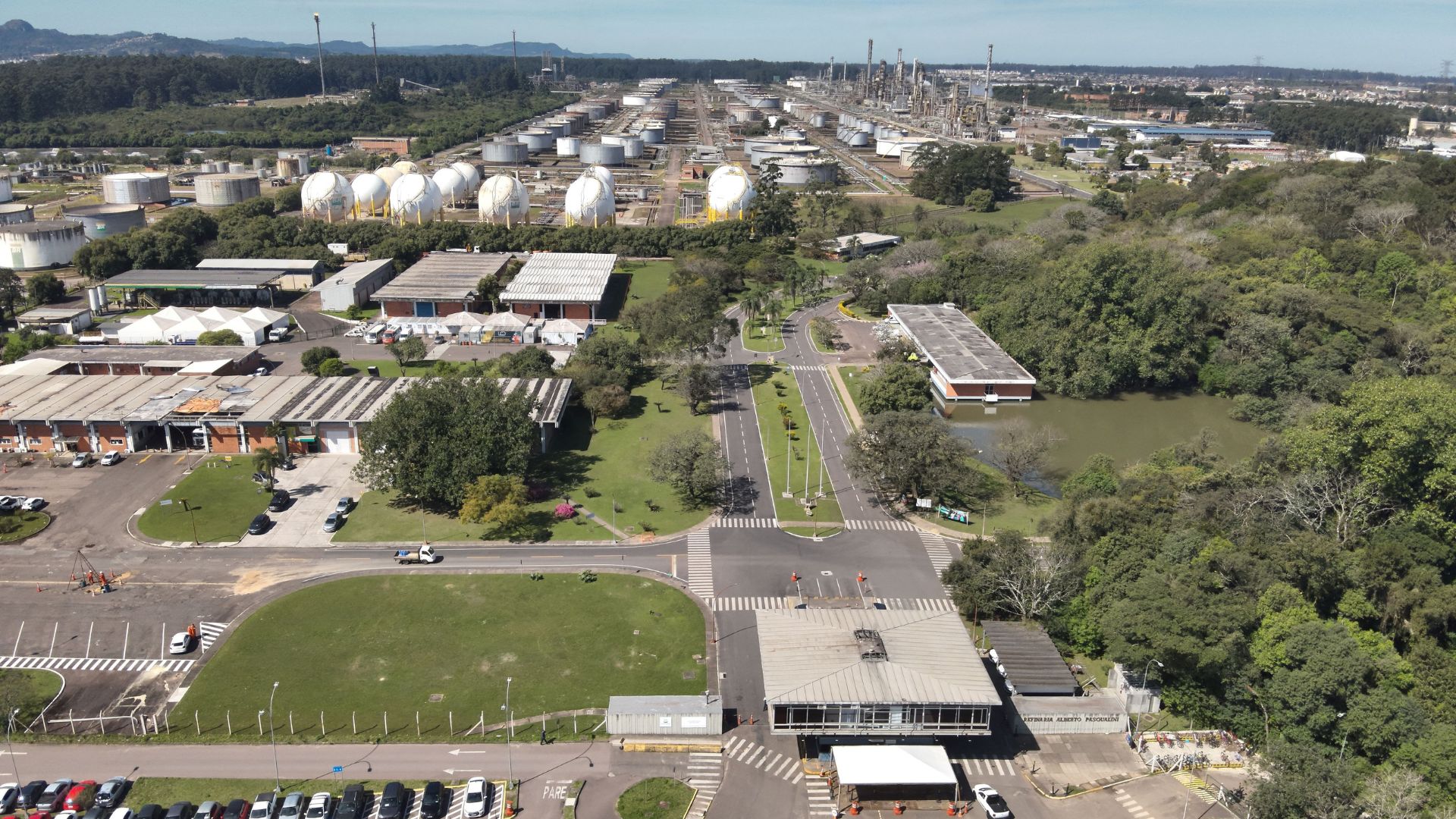
Petrobras’ Refap Sets Historic Records for Gasoline and S-10 Diesel Production in Canoas in Q4 2025, Surpassing Previous Figures
-
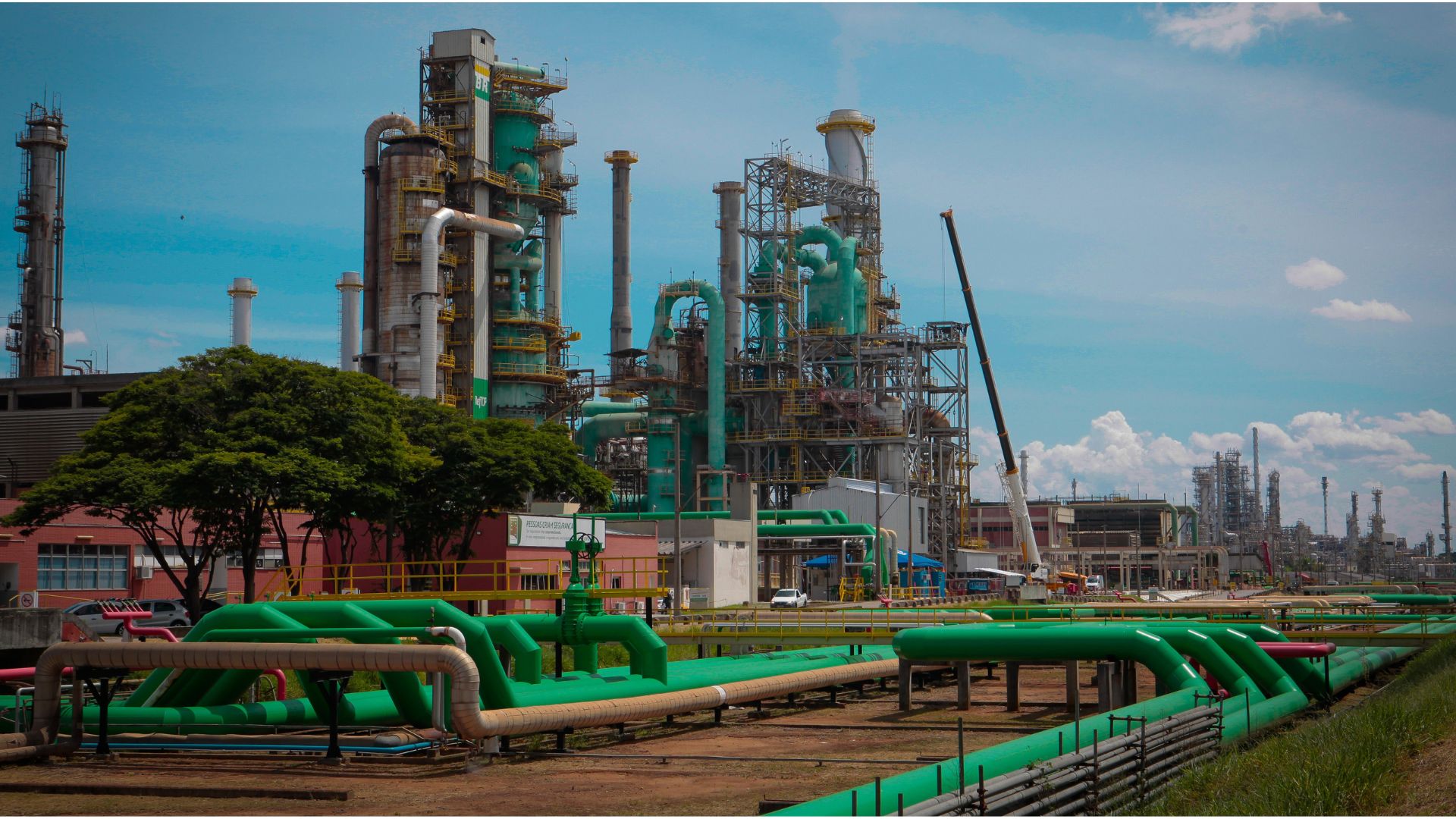
Revap Starts Operation of Modernized HDT and Petrobras Expands S-10 Diesel Production by 80% at the Refinery, Boosting Supply of Less Polluting Fuel in Brazil
-
Thermal Power Plant in Rio Grande do Sul Is Key to Attracting GWM
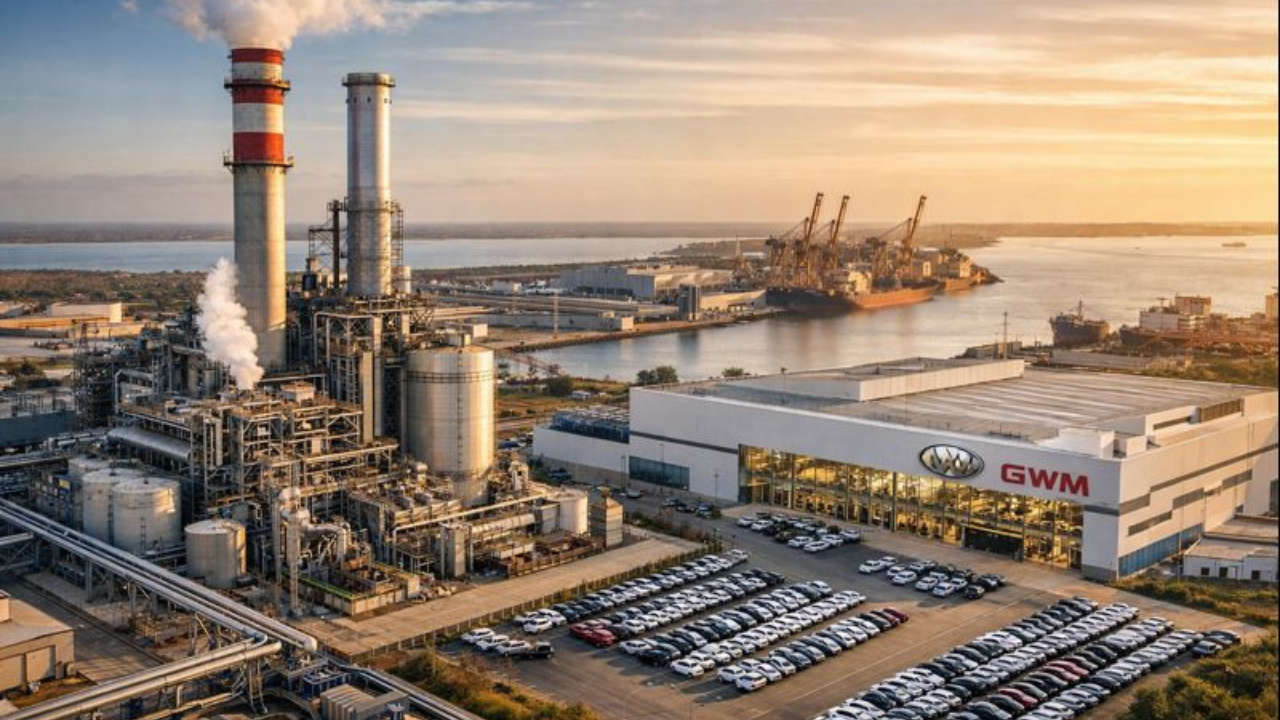

The company’s new concept of focusing more on renewable energy generation sources makes GE’s portfolio more aligned with ESG (English acronym for Environmental, Social, and Governance practices), as the coal and steam business accounts for about US$ 1 billion of General Electric’s annual revenue.
The company wants to focus on gas turbines for thermal plants or steam turbines for nuclear plants, as well as renewable energy. “As GE continues to transform, we are focusing on power generation businesses that offer an attractive business model and growth prospects,” noted Russell Stokes, director of the energy division of the industrial giant.
Coal-fired power plants are becoming an increasingly less competitive energy source compared to alternatives like gas and wind energy. Coal consumption in the United States is at its lowest level in 40 years, according to the U.S. Energy Information Administration.
Check Out Some Surprising Facts About the Company That Has Brought “Good Things for Life” Since 1892:
- A plane with GE turbines takes off every two seconds: The company has over 36,000 jet engines in service worldwide, and this number is expected to reach 46,000 by 2020, with over 15,000 units already ordered.
- GE Healthcare equipment generates 16,000 diagnoses every minute: The focus of many of the 3,000 software engineers in this area is currently on fighting cancer and neurological diseases and GE’s industrial internet solutions to connect and store the medical data of 500,000 imaging diagnostic machines used worldwide.
- Leaving the home appliance segment: Low profit margins have made the operation unprofitable, and the Chinese company Haier ended up acquiring it for US$ 5.4 billion.
- Its technology generates a third of the world’s electricity: Its technology generates a third of the world’s electricity; with 25,000 wind turbines installed, it has become one of the largest suppliers in the world.
- Its products generate real-time data: Sensors are being embedded in all GE products, from wind turbines to locomotives, including turbines and lighting solutions. These products provide real-time information about what is happening with them, sending data on temperature, pressure, and vibration, for example. This data goes automatically to advanced analysis tools, making it possible to predict when a machine will have a problem. In practice, this means extending the life of an asset, reducing unplanned downtime, and minimizing operational risks.









Seja o primeiro a reagir!