





 English
  Francês
  Alemão
  Italiano
  Japonês
  Norueguês
  Portuguese
  Spanish
  3 min of reading
  0 comments


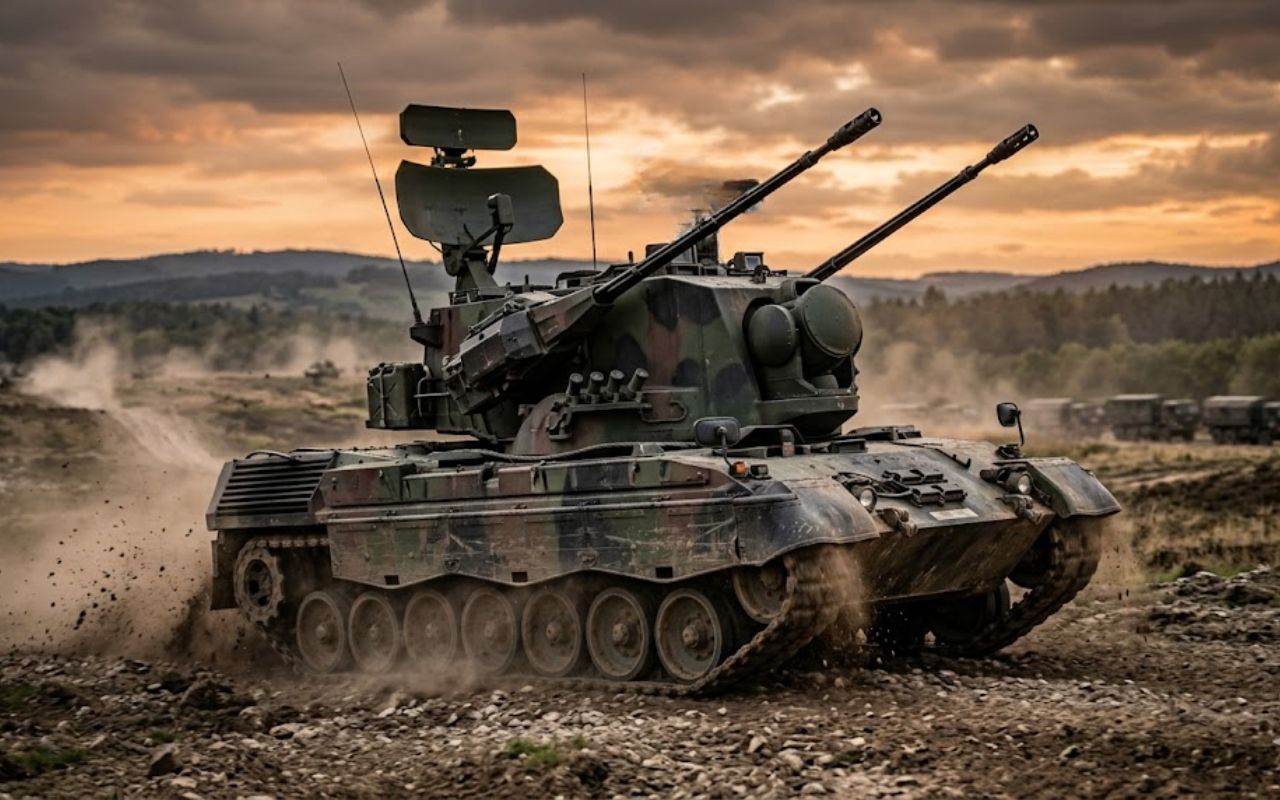
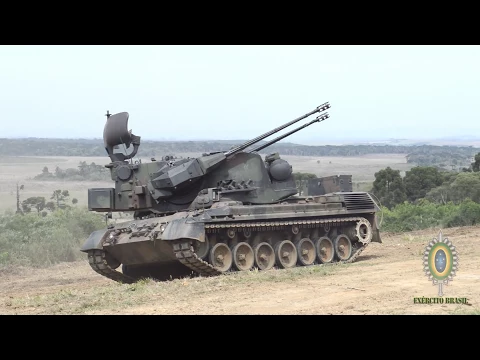
Gepard 1A2 is the armored vehicle of the Brazilian Army that fires 1,100 rounds per minute and operates against drones and modern aerial threats.
In a scenario marked by the evolution of aerial threats, the Brazilian Army has begun to invest in the Gepard 1A2 as a strategic solution to protect its troops. The armored vehicle was put to the test during exercises held at the Barão de São Borja Instruction Field, Rio Grande do Sul, where intense attacks with multiple targets were simulated.
The use of the equipment occurs at a time when drones and modern aerial systems are becoming increasingly present in conflicts.
Thus, the investment in the system aims to ensure rapid response, operational efficiency, and greater safety for units in motion.
-
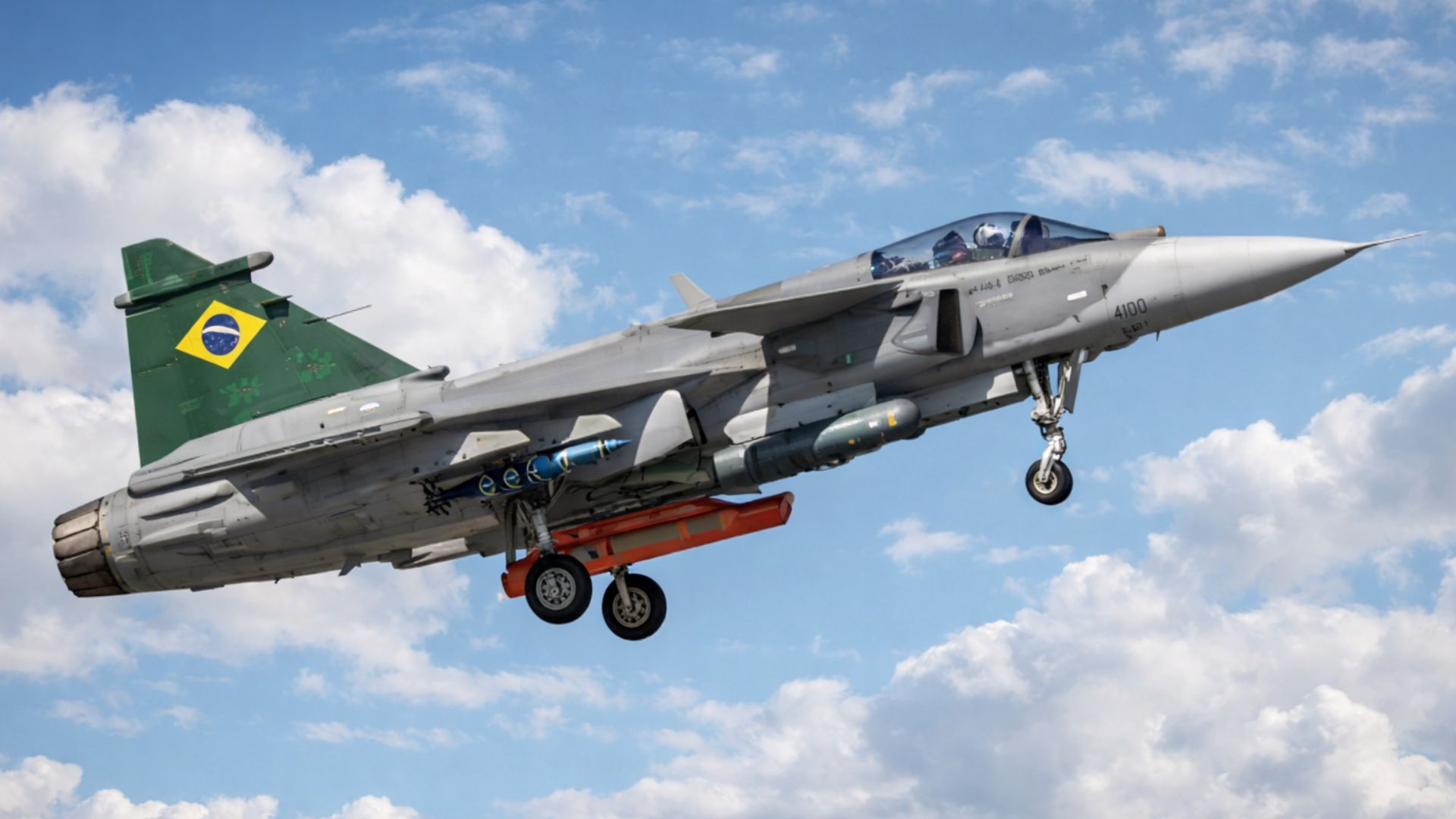
Brazil presents the first national F-39 Gripen fighter and redefines air defense with technological advancement, job creation, and strengthening of the defense industry on the global stage.
-
The construction of the Polar Ship Almirante Saldanha is progressing ahead of schedule and strengthens Brazil’s presence in Antarctica; the vessel will be 93 meters long, have a two-month autonomy, and technology to face ice.

-
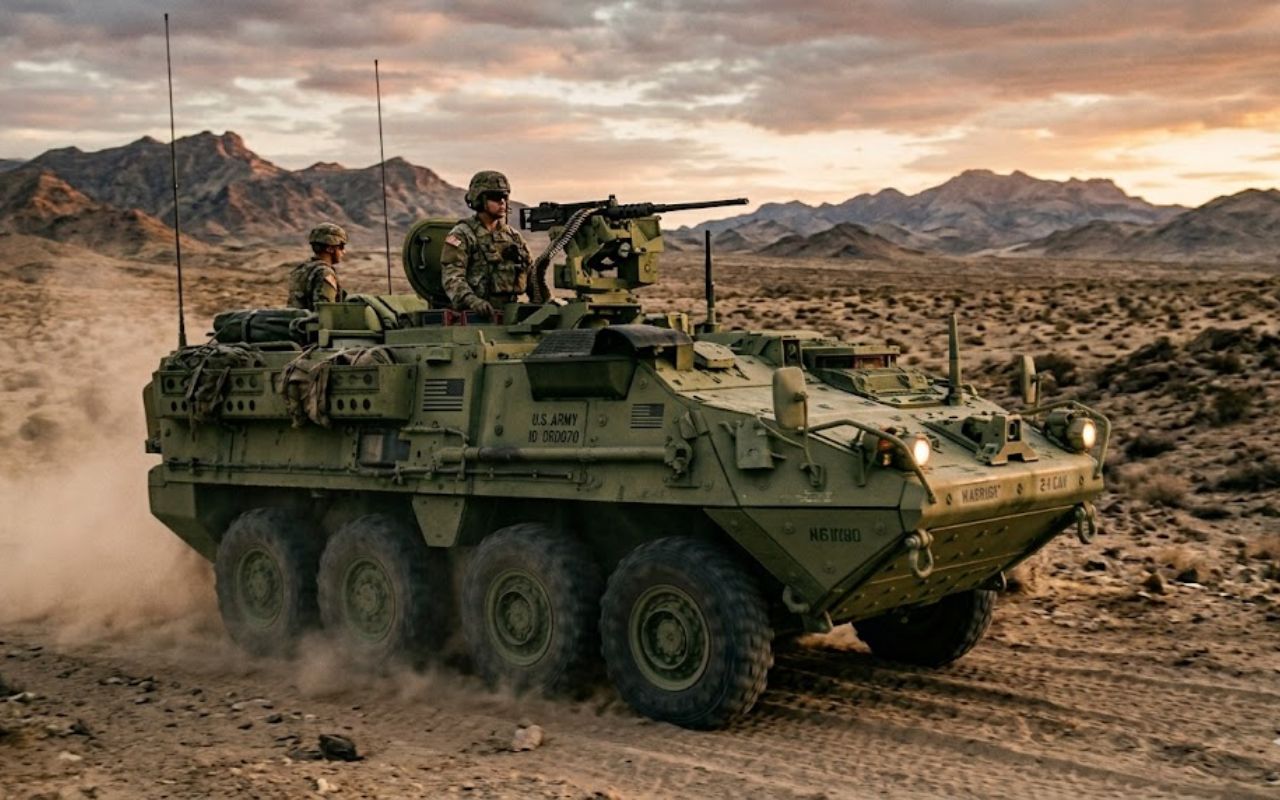
The United States Army has an armored vehicle that reaches speeds of up to 100 km/h, capable of operating normally on different types of terrain and also on asphalt without causing damage; equipped with a 350 hp engine, it can transport up to 9 soldiers — meet the Stryker.
-
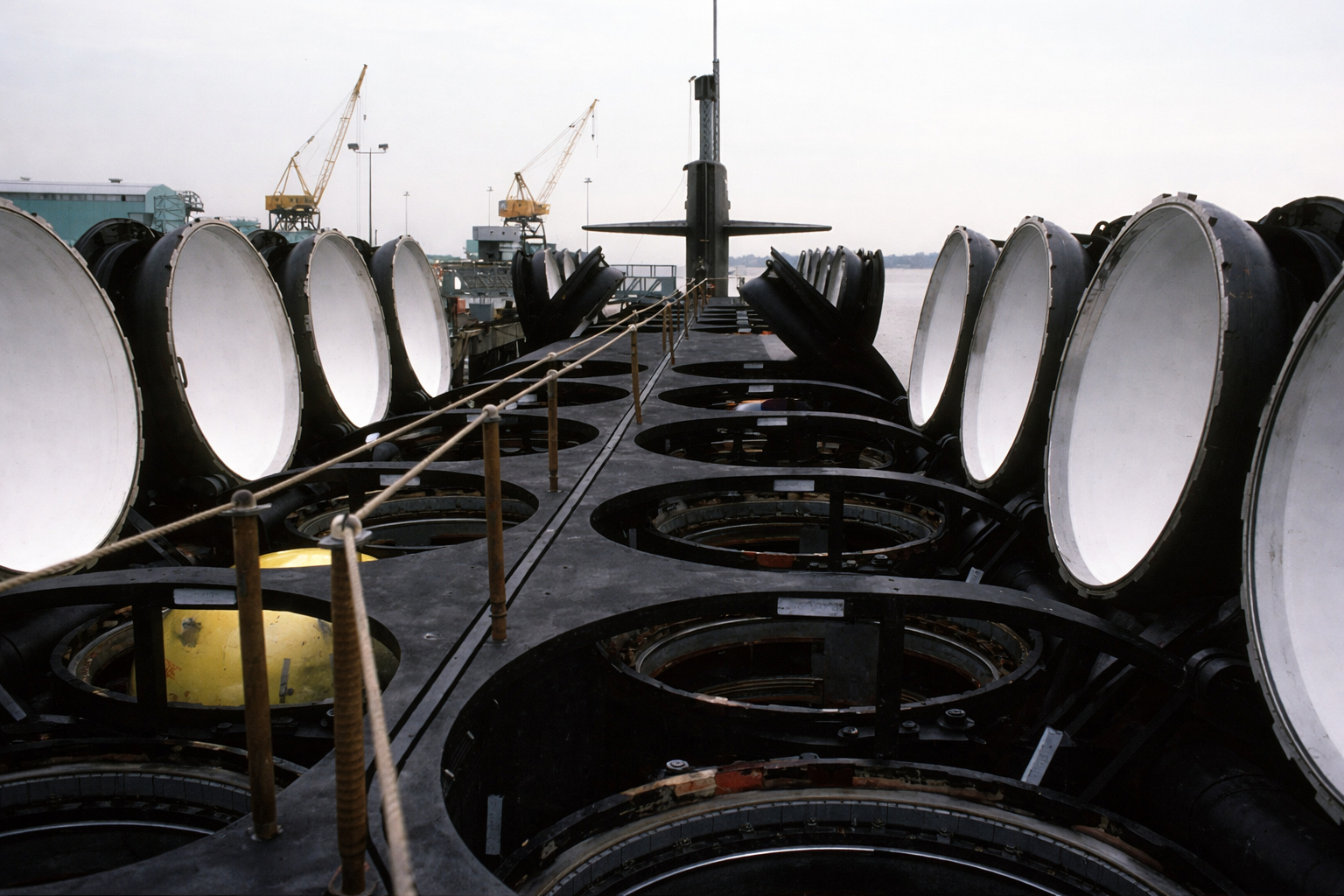
The USA has converted four nuclear submarines into “secret underwater bases” capable of launching 154 Tomahawk missiles and carrying 66 SEALs, and now they plan to retire all of them by 2028, with no replacement ready.

Armored vehicle Gepard 1A2 responds to the new reality of combat
With the constant presence of drones in war scenarios, low-altitude defense has become a priority. In this context, the Gepard 1A2 stands out for its quick response.
The armored vehicle is capable of engaging multiple targets simultaneously. Additionally, it provides cover for troops in motion.
Thus, the system keeps pace with the transformation of modern conflicts.
The major differentiator of the Gepard 1A2 lies in its attack power. The armored vehicle is equipped with two 35 mm cannons.
These weapons achieve a rate of fire of up to 1,100 rounds per minute. This creates an effective barrier against aerial threats.
Moreover, the operational range reaches approximately 5 kilometers.
Technological limitations challenge the operation of the armored vehicle
Beyond strength, the Gepard 1A2 relies on embedded technology. The armored vehicle features search radar and fire radar.
The first detects targets at long distances, while the second performs precise tracking. This combination allows for quick and efficient responses.
In this way, the system balances power and control.
Despite the advanced technology, tests revealed significant challenges. Some simulated targets exhibited low visibility on the radars.
These objects mimic simple drones, which are difficult to detect electronically. This type of threat has become common in current conflicts.
Thus, new strategies have become necessary.

Manual operation maintains efficiency
In light of these limitations, operators resorted to manual mode. The Gepard 1A2 allows the use of optical systems for engagement.
With this, the military adjusts the trajectory of the shots in real time. This practice ensures accuracy even without full support from the sensors.
Therefore, the human factor remains decisive.
Another relevant point of the Gepard 1A2 is its mobility. The armored vehicle uses the same chassis as the Leopard 1.
This allows it to accompany armored troops across different terrains. Additionally, it ensures protection during movements.
Thus, the system operates in an integrated manner on the battlefield.
Armored vehicle Gepard 1A2 reinforces Brazil’s strategic presence
The presence of the Gepard 1A2 strengthens Brazil’s defensive capability. The armored vehicle acts as a deterrent against aerial threats.
Its firepower complicates operations of aircraft at low altitudes. This increases the safety of ground forces.
Thus, the system contributes to regional strategic balance.
The Gepard 1A2 has established itself as a mobile shield for the troops. The armored vehicle provides constant protection against aerial attacks.
Moreover, its rapid response reduces risks in military operations. This is essential in light of new technological threats.
Thus, the system is becoming increasingly relevant.
With advanced technology, mobility, and high firepower, the Gepard 1A2 has become one of the main assets of the Brazilian Army.
The armored vehicle has demonstrated efficiency in tests and real scenarios. Additionally, it adapts to changes on the battlefield.
With information from Revista Sociedade Militar









Seja o primeiro a reagir!