





 English
  Francês
  Alemão
  Italiano
  Japonês
  Norueguês
  Portuguese
  Spanish
  3 min of reading


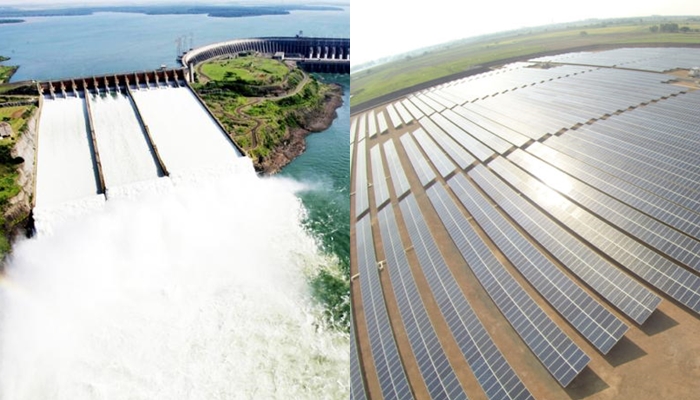
With Favorable Expansion Plan, Wind and Solar Power Generation Will Advance About 28% By 2027, Maintaining the Same Level of Expansion Without Needing More Hydroelectric Plants
As the second largest producer of hydropower after China, Brazil now aims to maintain the same level of wind and solar power generation while somewhat sidelining projects to build hydroelectric plants, which, although renewable, are highly intrusive and cause many environmental impacts.
You May Also Be Interested In
- Many Job Openings by Multinational General Motors for High School and College Students
- High School Students in the Occupational Safety Area Are Called Today to Rio by World Leader Subsea7
- Intense Selection Process by Bioenergetics Aroeira with Many Job Openings in Minas Gerais
Currently, most of Brazil’s hydroelectric plants are in the Amazon River basin. For the year 2020, Brazil has developed a 10-year energy expansion plan. The company anticipates that its non-hydroelectric renewable demand will grow by 3% annually. It is expected to reach 28% of the domestic energy mix by 2027.
This plan, which will focus on optimizing solar energy, is called the Decadal Energy Expansion Plan (PDEE) 2027. Its main goal is to increase Brazil’s solar photovoltaic capacity. The mentioned plan will cause installed solar PVs to increase their capacities to reach 8.6 gigawatts (GW) by 2027. Currently, the country supports the development of utility-scale PVs through energy auctions for new and existing projects. These auctions are supervised and carried out by the National Electric Energy Agency (Aneel).
-
A study reveals the expansion of renewable energy procurement in Brazil and shows how companies are taking advantage of opportunities to reduce expenses, ensure energy efficiency, and strengthen strategic environmental commitments.

-
Mato Grosso do Sul excels in the sugar-energy sector: the state reaches a milestone of 22 operating mills and accelerates the production of clean energy in MS with a focus on sustainability.

-
National energy dilemma: Brazilians support clean energy but reject increases in tariff costs to finance the sustainable transition.
-
Research indicates that Brazilians support clean energy and wish to advance in the energy transition, but reject paying more on their electricity bill, showing a direct conflict between cost and sustainability.


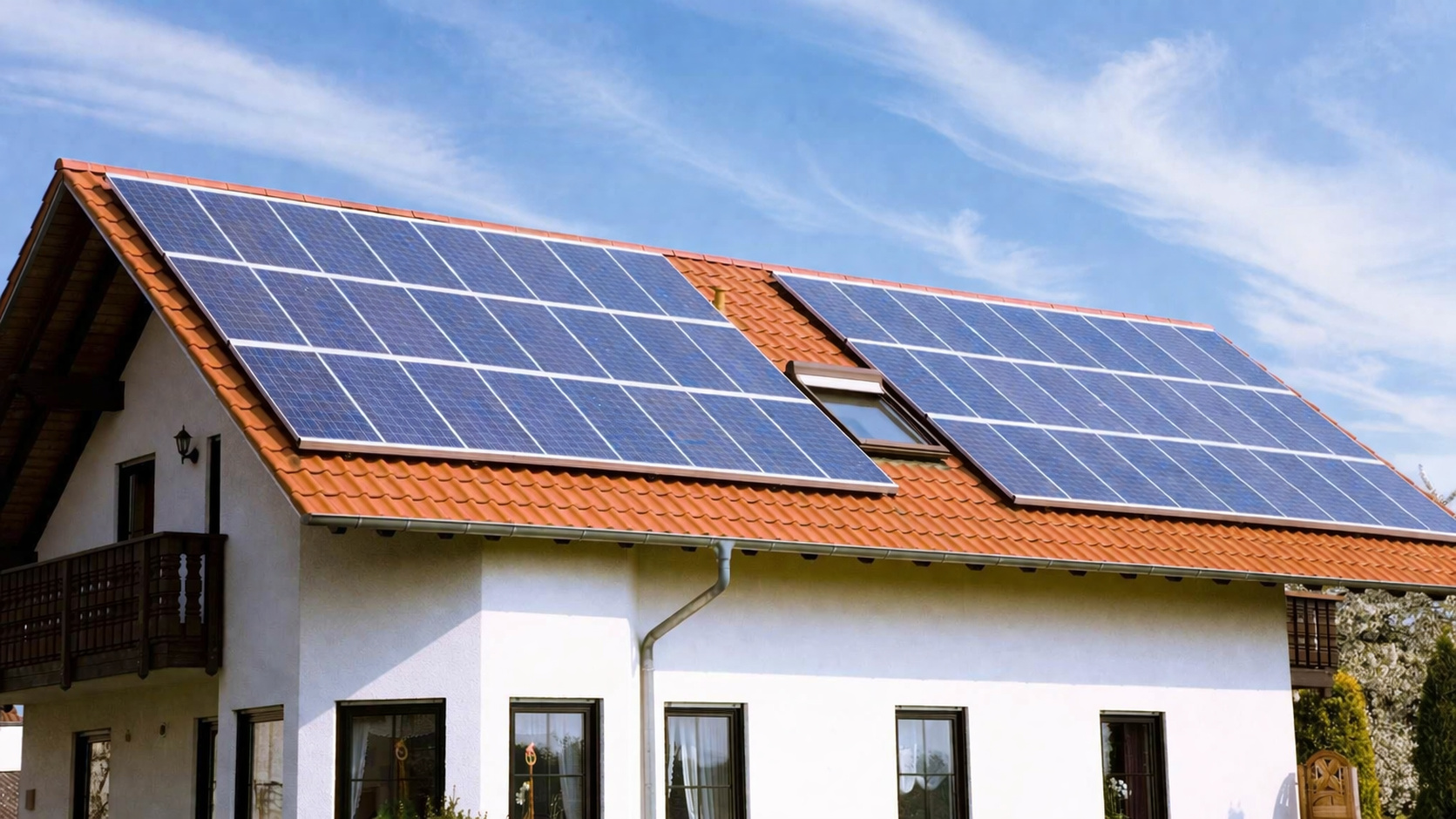
The plans to increase the allocation of non-hydroelectric renewable sources include distributed solar generation. This means off-grid systems of up to 5 MW. Currently, Brazil has more than 500 MW of installed capacity for distributed solar generation.
In 2019, over 49,000 solar photovoltaic systems were operational under net metering in Brazil. Approximately 75% of these systems are installed in residential areas.
Will Aneel Tax Solar Energy for Consumers?
In Brazil, solar energy generated residentially can be used in 2 distinct ways: Household generation for personal use or returning it to the utility, generating credits and reducing the bill amount, which often even zeros out the account.
Aneel’s justification for charging for solar energy generation is because consumers use the network infrastructure to return excess energy and have the right to credits. The public consultation ended on December 31, raising concerns among companies and especially citizens about the feasibility of implementing the system.
It is important to note that this tax project refers to energy returned to the utility; if you intend to generate photovoltaic energy for your own consumption, there is no type of tax.
The Chamber of Deputies Will Vote on a Bill to Block This Taxation
After the significant negative backlash, President Jair Messias Bolsonaro said early this Monday (06):
“I just spoke with Rodrigo Maia and Davi Alcolumbre about the taxation of solar energy proposed by ANEEL. The President of the Chamber will put a Bill to vote, urgently, PROHIBITING THE TAXATION of energy generated by solar radiation. The President of the Senate will do the same.”
Learn to Install Solar Panels, Generating Your Own Energy or Starting Your Own Business
There is a great market course that has trained hundreds of professionals as Solar Energy Installer. RedePetro-CE, managed by its president Vanisio Pinheiro, offers training in the area, and best of all, there is no need for prior technical training to take the course. Part of the learning is online, and the other is in-person. In it, you will learn all installation parameters and where to acquire work materials at the lowest possible cost, including all logistical support. CLICK HERE AND BECOME A SOLAR ENERGY INSTALLER NOW.









Seja o primeiro a reagir!