





 Português
  Inglês
  Espanhol
 3 min de leitura
  0 comentários


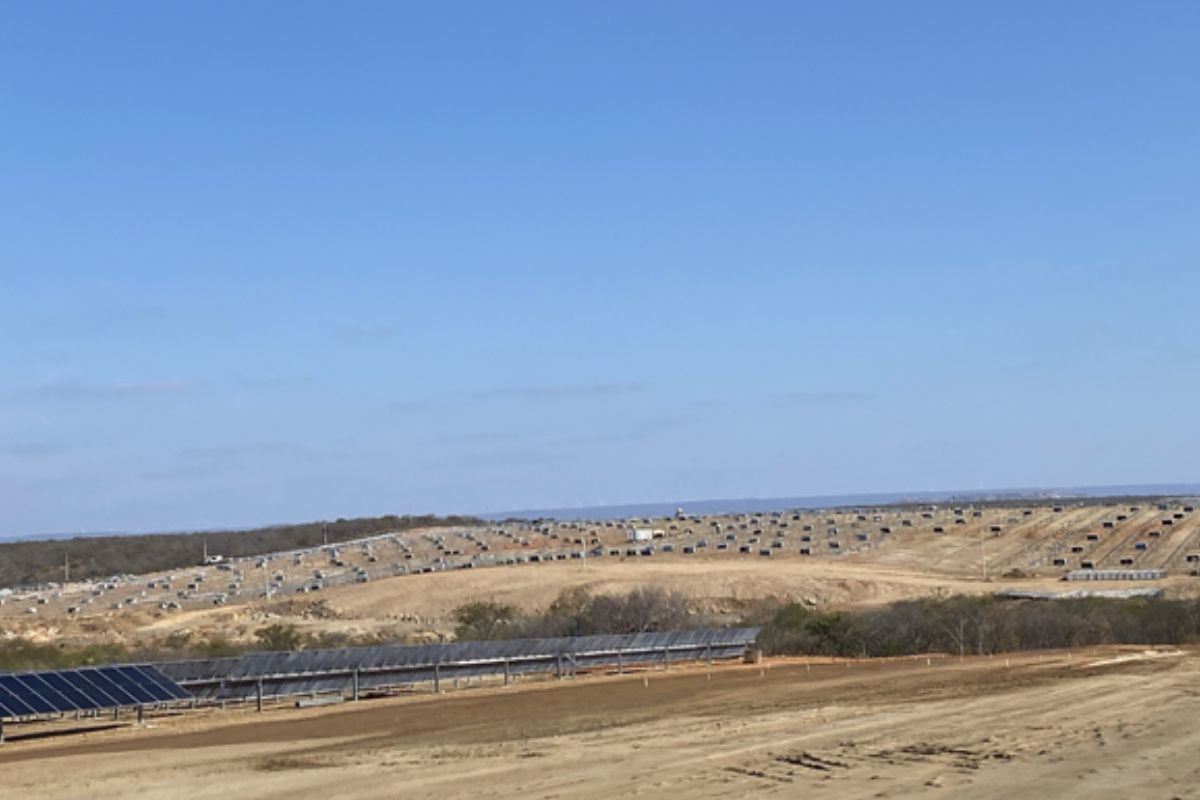
The Dunamis Photovoltaic Complex Expands Renewable Energy Generation in Rio Grande do Norte, Strengthening the Brazilian Solar Matrix and Promoting Sustainable Growth in the Region
The renewable energy generation gains new momentum in Brazil with the start of operations of the Dunamis Photovoltaic Complex, located in Santana do Matos, Rio Grande do Norte, according to a report published.
The project, included in the New Growth Acceleration Program (Novo PAC), symbolizes the progress of energy transition and sustainability policies in the country.
With a significant investment of R$ 569 million and an installed capacity of 117.54 megawatts (MW), the complex stands out as one of the largest recent initiatives in solar energy in the Northeast.
-
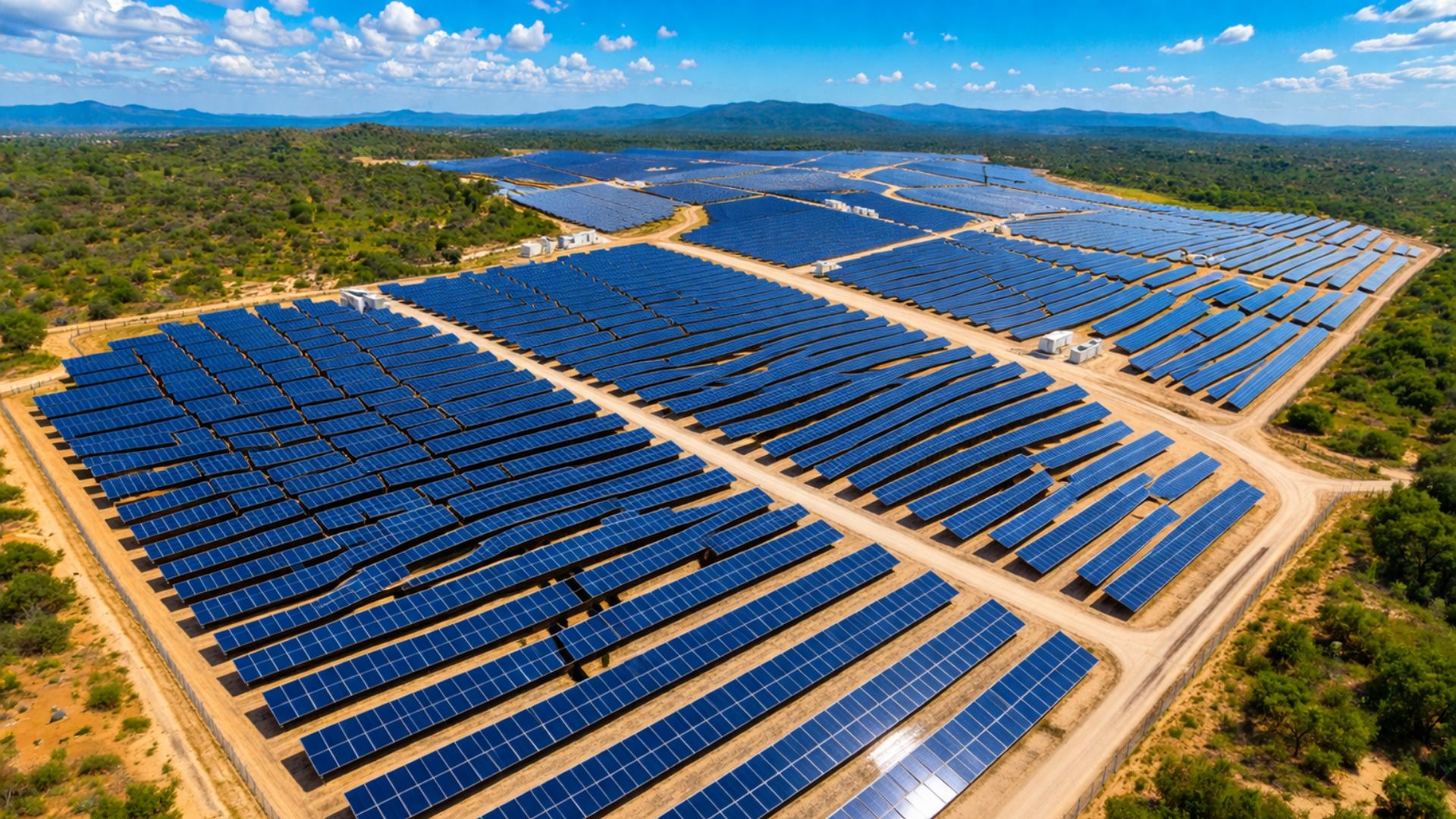
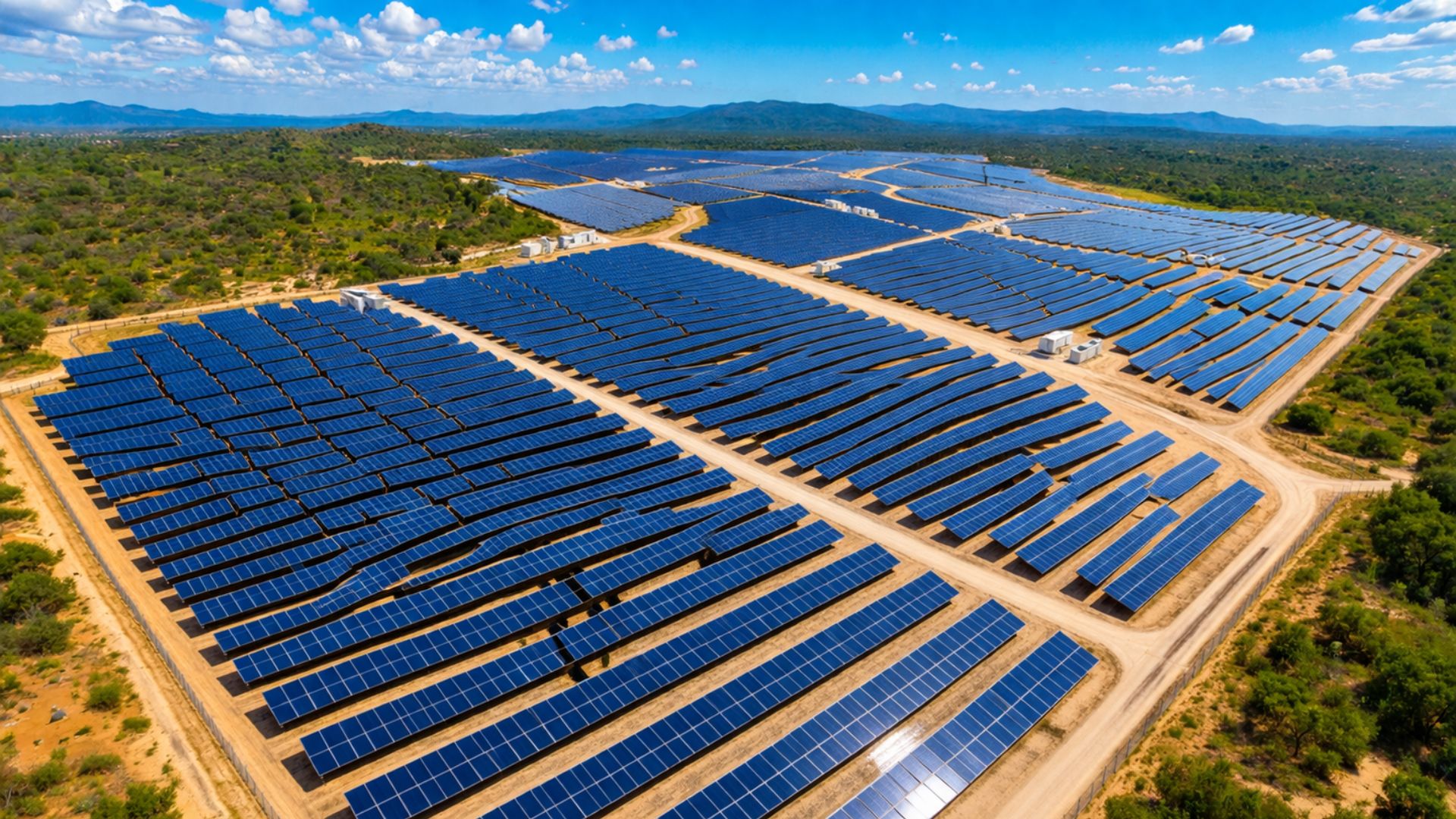
The Sol do Agreste Photovoltaic Complex begins operations in Pernambuco and accelerates the expansion of solar energy in Brazil, directly impacting the reduction of emissions and strengthening the sustainable energy matrix.
-
The Sol do Agreste Photovoltaic Complex begins operations in Pernambuco and accelerates the expansion of solar energy in Brazil, directly impacting the reduction of emissions and strengthening the sustainable energy matrix.
-
Renewable energy advances over protected areas in Brazil, and a survey by the Energy Transition Observatory reveals silent impacts that challenge environmental conservation and pressure sensitive traditional territories.

-
Rio Grande do Sul accelerates energy transition: State invests in renewable technologies and consolidates decarbonization strategies and pathways to attract billions in new industrial investments.


The project brings together 36 generating units distributed among four plants — Dunamis I, II, III, and IV — and connects to the Basic Grid through a 230 kV transmission line, approximately 100 meters long.
The environmental licensing, conducted by the Institute for Sustainable Development and Environment of Rio Grande do Norte (IDEMA-RN), ensures compliance with environmental standards and reinforces the commitment to clean and sustainable energy production in the country.
Expansion of Solar Energy in Northeastern Brazil
The expansion of solar energy in Northeastern Brazil has been transforming the national electricity matrix.
The Dunamis Complex is a concrete example of this progress by combining high public investment with efficient technical planning.
The state of Rio Grande do Norte, with high levels of solar radiation, has become a reference in photovoltaic generation. With its 117.54 MW, Dunamis has the potential to supply thousands of households and reduce dependence on non-renewable sources.
In addition to the energy impact, the project stimulates direct and indirect jobs during the installation and operation phases, boosting the local economy and contributing to sustainable regional development.
Economic Impact of Photovoltaic Generation in Rio Grande do Norte
The economic impact of photovoltaic generation in Rio Grande do Norte is visible not only in energy indicators but also in the appreciation of the territory and the attraction of new investments.
The R$ 569 million investment from the Novo PAC demonstrates the Federal Government’s commitment to diversifying the electricity matrix.
The infrastructure of Dunamis, with a booster substation and a double-circuit 230 kV transmission line, strengthens the integration of the regional and national electrical system.
The operation of the complex also represents increased revenue and opportunities for local companies involved in maintenance, transportation, and technical services.
Sustainability and Environmental Licensing of IDEMA-RN
IDEMA-RN’s environmental licensing ensures that the Dunamis Photovoltaic Complex operates within sustainability and socio-environmental responsibility parameters.
The Operating Licenses (LO) issued by the state agency confirm compliance with strict environmental requirements, such as waste control and preservation of adjacent areas.
This process ensures that energy growth occurs in a balanced manner, promoting economic and social benefits without compromising natural resources.
The adoption of responsible environmental practices reinforces public confidence in large-scale projects related to renewable energy generation.
Technological Advances in Brazilian Solar Infrastructure
Technological advances in Brazilian solar infrastructure play a decisive role in the success of projects like Dunamis.
The integration of innovation and operational efficiency allows for greater stability in distribution and better utilization of available solar energy.
The use of modern equipment and the adoption of international standards enhance the performance of the plants, optimizing costs and reducing environmental impacts.
Thus, Rio Grande do Norte establishes itself as one of the strategic hubs of clean energy in the country, expanding its contribution to the national energy transition.









Seja o primeiro a reagir!