





 Português
  Inglês
  Espanhol
  4 min de leitura
  0 comentários


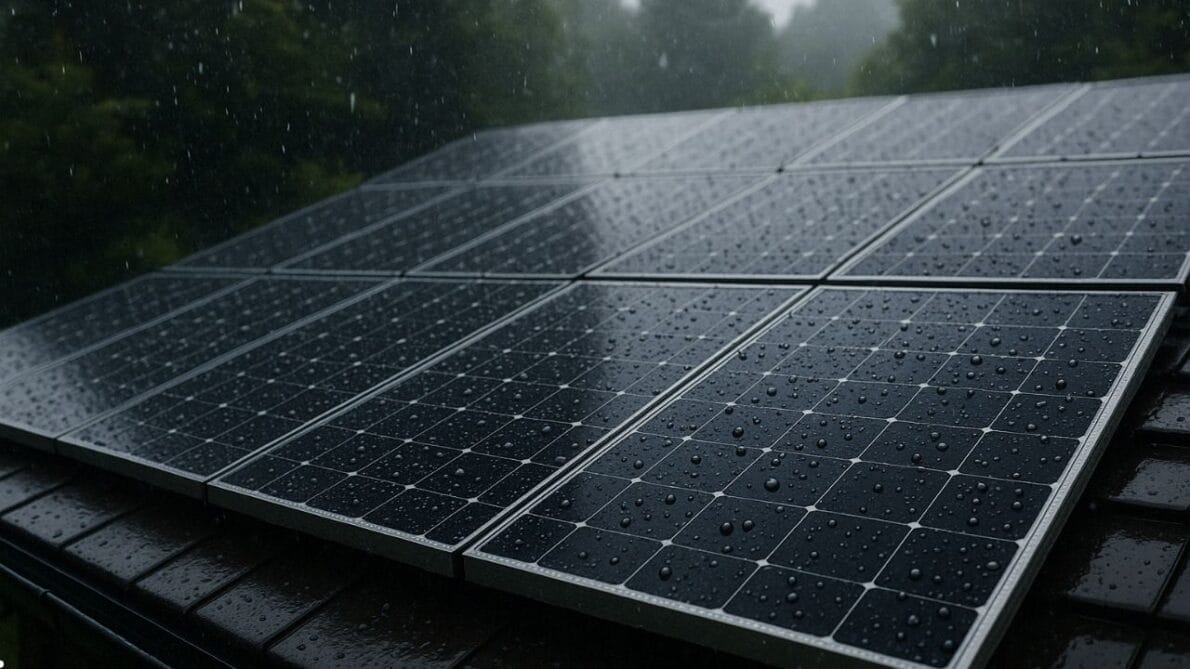
Even On Cloudy And Rainy Days, Solar Energy Keeps Working, Discover How The System Reacts And What This Changes In Your Electricity Bill.
You may have heard this question: “But if solar energy depends on the sun, does it work when it’s raining?” The doubt is common and legitimate. Especially in cities where rain is a constant presence on the calendar, many consumers wonder if it’s really worth investing in a photovoltaic system.
After all, if the weather closes in, does the system simply shut down? Does energy generation drop to zero? Many people believe so. But the reality is a little different and much more positive than it seems. We will show you, with real data, how solar energy behaves on those cloudier and rainier days. Believe it: the system surprises!
How Does Energy Generation Work In Different Weather Conditions?
To illustrate this, let’s use the example of a photovoltaic system with a peak power of 6.4 kW and a 5 kW inverter, designed to generate about 700 kWh per month. Three very different days were observed: one with strong sun, another with a partially cloudy sky, and a last one with rain all day long.
-
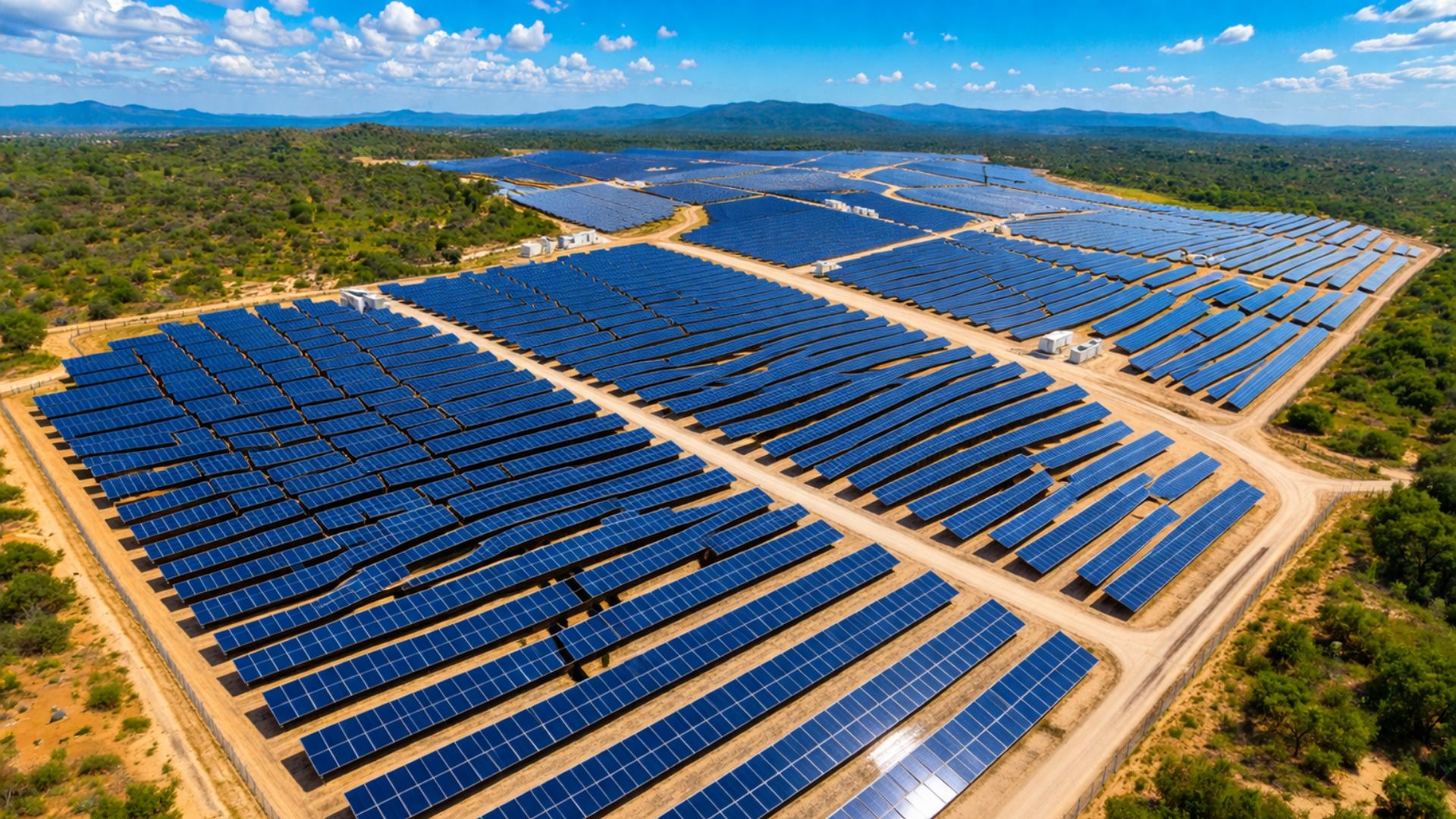
The Sol do Agreste Photovoltaic Complex begins operations in Pernambuco and accelerates the expansion of solar energy in Brazil, directly impacting the reduction of emissions and strengthening the sustainable energy matrix.
-
The Sol do Agreste Photovoltaic Complex begins operations in Pernambuco and accelerates the expansion of solar energy in Brazil, directly impacting the reduction of emissions and strengthening the sustainable energy matrix.
-
Roraima bets on the sun to escape high tariffs: Amid the energy crisis and price hikes, solar energy is growing in Roraima and transforming consumption in the North region.
-
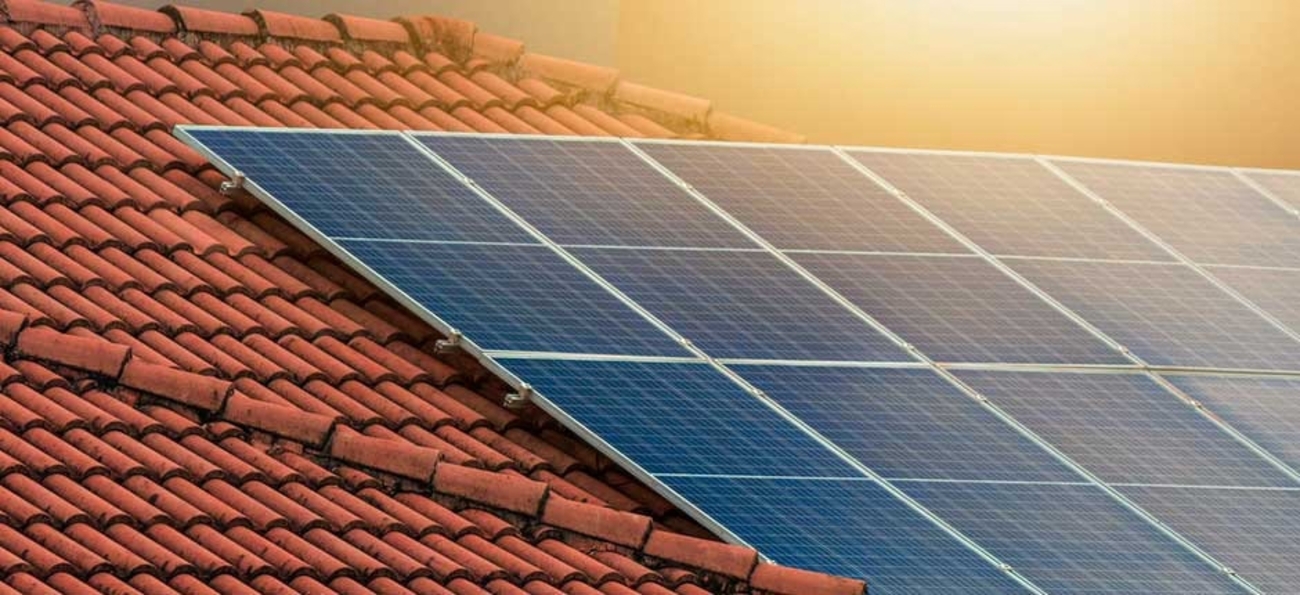
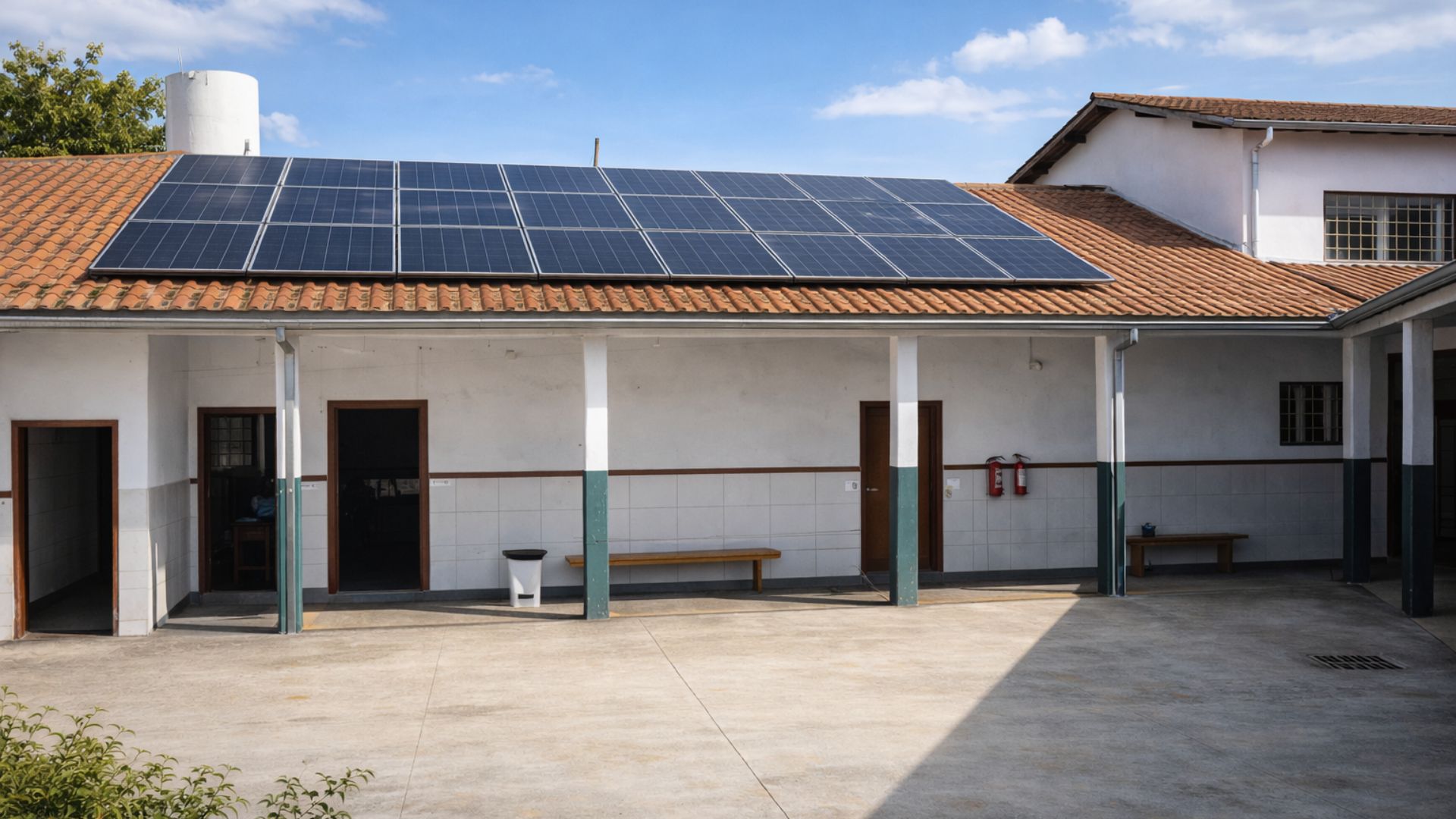
Copel boosts solar energy in Paraná and brings innovation to public schools, promoting savings on electricity bills, energy efficiency, and a direct impact on the quality of education.

On a sunny day, that typical “sun that cracks the corn”, the system generated an astounding 34.1 kWh, exceeding the expected average of 23 kWh. The generation curve showed stable behavior, peaking at 5000 W around 11:15 AM. A true spectacle of solar energy at its best performance.
On the partially cloudy day, despite variations in the generation graph, the system approached maximum power several times throughout the day. The total generated was 23 kWh, practically within the expected average. Even with clouds, energy production did not stop.
And on the dreaded rainy day? Generation fell, as expected, but still the system produced 7.4 kWh. The maximum power peak was 1500 W, recorded at noon. In other words, even with a heavy sky and a lot of rain, solar energy did not stop operating.
Does Solar Energy Stop Working When It Rains?
The direct answer is: no. Solar energy does not depend exclusively on full sun to function. It needs light, not necessarily a “clear sky.” Even on cloudy or rainy days, sunlight still penetrates through the clouds and reaches the photovoltaic panels, allowing the system to continue operating even with reduced intensity.
What actually changes is the amount of solar radiation that reaches the modules. On a rainy day, this radiation is reduced, and consequently, energy generation decreases as well. But it does not stop. Many people believe that the system shuts down completely, which does not happen.
This misconception often generates doubts and even insecurities when deciding about installing a solar energy system. But, as we have seen in the data for the mentioned system, even on the coldest days, the panels still produce some energy. And all generated energy counts.
Does Unfavorable Weather Compensate In The Long Term?
Yes, and with plenty of margin! Rainy or cloudy days are part of the climatic routine of any place. But in the current context, they are minor. That is: the loss of generation on these days is compensated over time by days of high production.
In Brazil, this compensation is even more effective due to our excellent level of solar irradiation throughout the year. Even in regions with high rainfall indexes, the potential for solar energy generation is high enough to more than justify the investment.
Additionally, the system’s sizing takes this climatic variability into account. Well-designed projects already include safety margins to handle natural fluctuations in generation.
Is Brazil Ideal For Solar Energy Or Not?
Certainly, yes. Brazil is one of the most promising countries in the world when it comes to solar energy. Even in the rainiest states, the average annual irradiation is still higher than that of several European countries that have already adopted this technology on a large scale.
This means that installing a solar energy system here is, in most cases, synonymous with guaranteed savings. It’s an intelligent way to reduce electricity bills, contribute to the environment, and still increase your property’s value.
So, the next time someone asks you if solar energy works on rainy days, you already know: it does work! With lower power, it’s true, but the system does not stop. And throughout the year, good days greatly compensate for the bad ones.
Source:
E4 Renewable Energies









Seja o primeiro a reagir!