





 Portuguese
  English
  Spanish
  3 min of reading


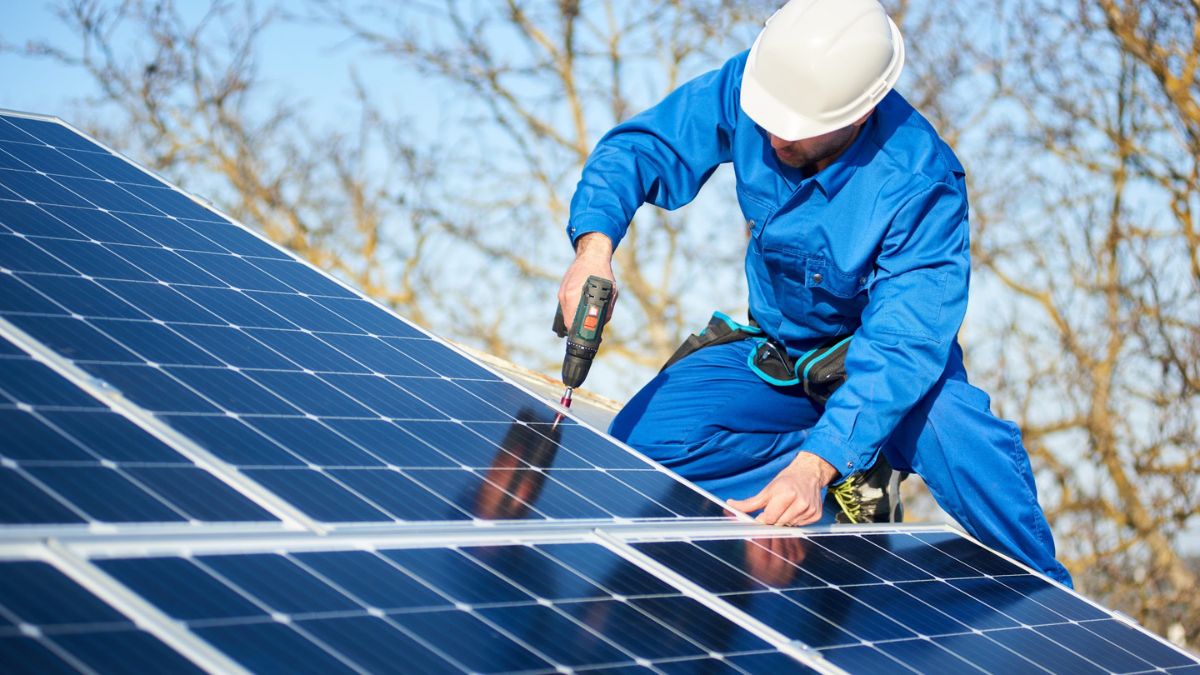
ABSOLAR Points Out That More Than 5.5 Million Municipalities Use Solar Energy, Having Generation Higher Than That of Itaipu Dam
Solar energy is one of the fastest-growing segments in Brazil in recent years and has reached the impressive mark of 14 gigawatts of installed generation. This amount surpasses the generation capacity of the Itaipu Hydroelectric Plant, one of the largest energy sources in Brazil. According to data from the Brazilian Solar Photovoltaic Energy Association (ABSOLAR), the solar energy sector saw investments of over R$76.7 billion, including in innovation, which favored these results.
Currently, Brazil has more than 1.7 million solar energy consumer units, distributed among 5.5 thousand Brazilian municipalities. In other words, from north to south, from east to west, Brazil has solar energy to surprise everyone. The consumer units include industries, businesses, public buildings, and residences. Want to know more? Continue below.
Learn More About the Landscape of Solar Energy Generation in Brazil with the Video Below


Installed Solar Energy Capacity Numbers Impress, According to ABSOLAR Data
According to ABSOLAR, Brazil has more than 1.3 million solar panels or photovoltaic systems connected in operation, out of 1.7 million consumer units. Since 2012, billions have been invested in the segment to stimulate growth, generating over 420,000 jobs in various parts of the country.
-
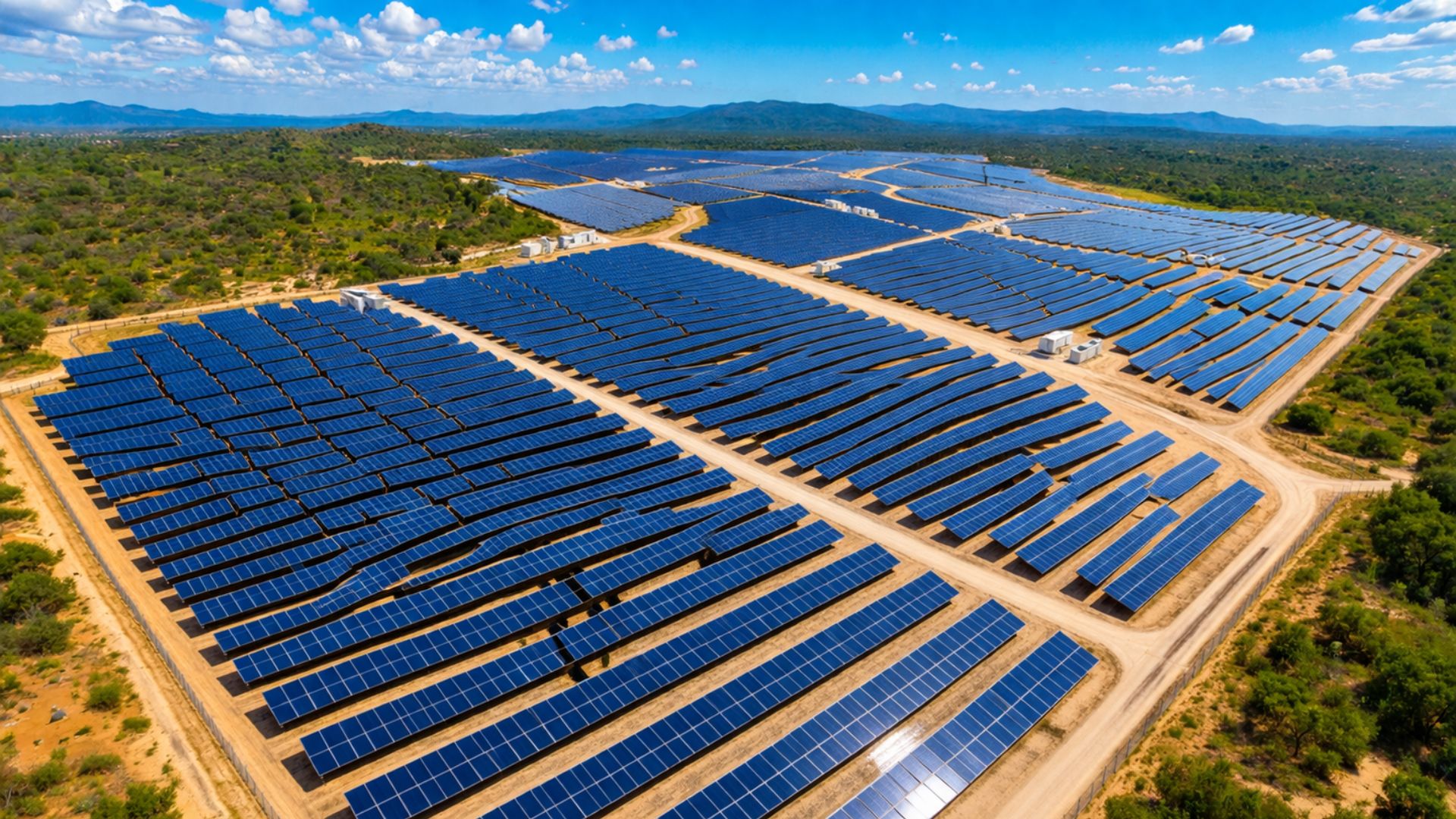
The Sol do Agreste Photovoltaic Complex begins operations in Pernambuco and accelerates the expansion of solar energy in Brazil, directly impacting the reduction of emissions and strengthening the sustainable energy matrix.
-
Renewable energy advances over protected areas in Brazil, and a survey by the Energy Transition Observatory reveals silent impacts that challenge environmental conservation and pressure sensitive traditional territories.

-
Rio Grande do Sul accelerates energy transition: State invests in renewable technologies and consolidates decarbonization strategies and pathways to attract billions in new industrial investments.

-
With 160,000 m² of collectors, an area larger than 20 football fields, Silkeborg, in Denmark, hosts a solar thermal plant that heats 19,500 homes and could become the largest solar heating plant in the world.


Thus, the solar energy segment generated R$ 17.9 billion and has an installed capacity of 14 gigawatts. Consequently, the total energy generated from solar panels spread throughout Brazil exceeds the capacity of the Itaipu hydroelectric plant, the second largest in the world and the largest in the Americas.
In this regard, the states leading solar energy production in Brazil are: Santa Catarina, Rio Grande do Sul, São Paulo, Minas Gerais, and Mato Grosso. However, other states also contribute significantly to the numbers achieved in 2022.
ABSOLAR CEO Points Out That 2022 Is the Best Year for the Segment in the Last Decade
Due to these impressive numbers, Rodrigo Sauaia, CEO of ABSOLAR, points out that 2022 is the year of the highest solar energy generation in Brazil in the last decade. In this sense, he estimates a very positive outlook and greater growth for the coming years.
“From the end of 2021 to October this year, the self-generation of solar energy jumped from 8.4 GW to 14 GW of installed power, a growth of 66.7%, while investments jumped during this period from R$ 42.4 billion to R$ 76.7 billion, an increase of 80.9%”.
Rodrigo Sauaia, CEO of ABSOLAR (2022).
New Law No. 14,300/2022 Will Bring Some Changes to Solar Panel Installation in Residences and Businesses
If you are impressed by these numbers and wish to install a photovoltaic system or panel in your residence or business, pay attention. After all, you have 80 days to make this request and installation without being affected by the changes in the new Law No. 14,300/2022, which was approved at the beginning of 2022 and brings some rules.
According to the wording of this new law, there will be new rules – and even more bureaucratic – for the request for access approval of self-generation systems for this type of energy.
“The accelerated growth of photovoltaic systems in residences and small businesses is linked to factors such as the high cost of electricity in the country, the decreasing prices of solar systems, and the transition period provided in the law, which guarantees until 2045 the maintenance of current rules for consumers who install a solar system on their roof by January 2023.”
Ronaldo Koloszuk, Chairman of the Board of Directors of ABSOLAR (2022).
Thus, if you want to have clean and sustainable energy without significant bureaucracy, take advantage of the last days. This way, you will have greater ease in installing your panels.





Seja o primeiro a reagir!