





 Portuguese
  English
  Spanish
  4 min of reading
  0 comments


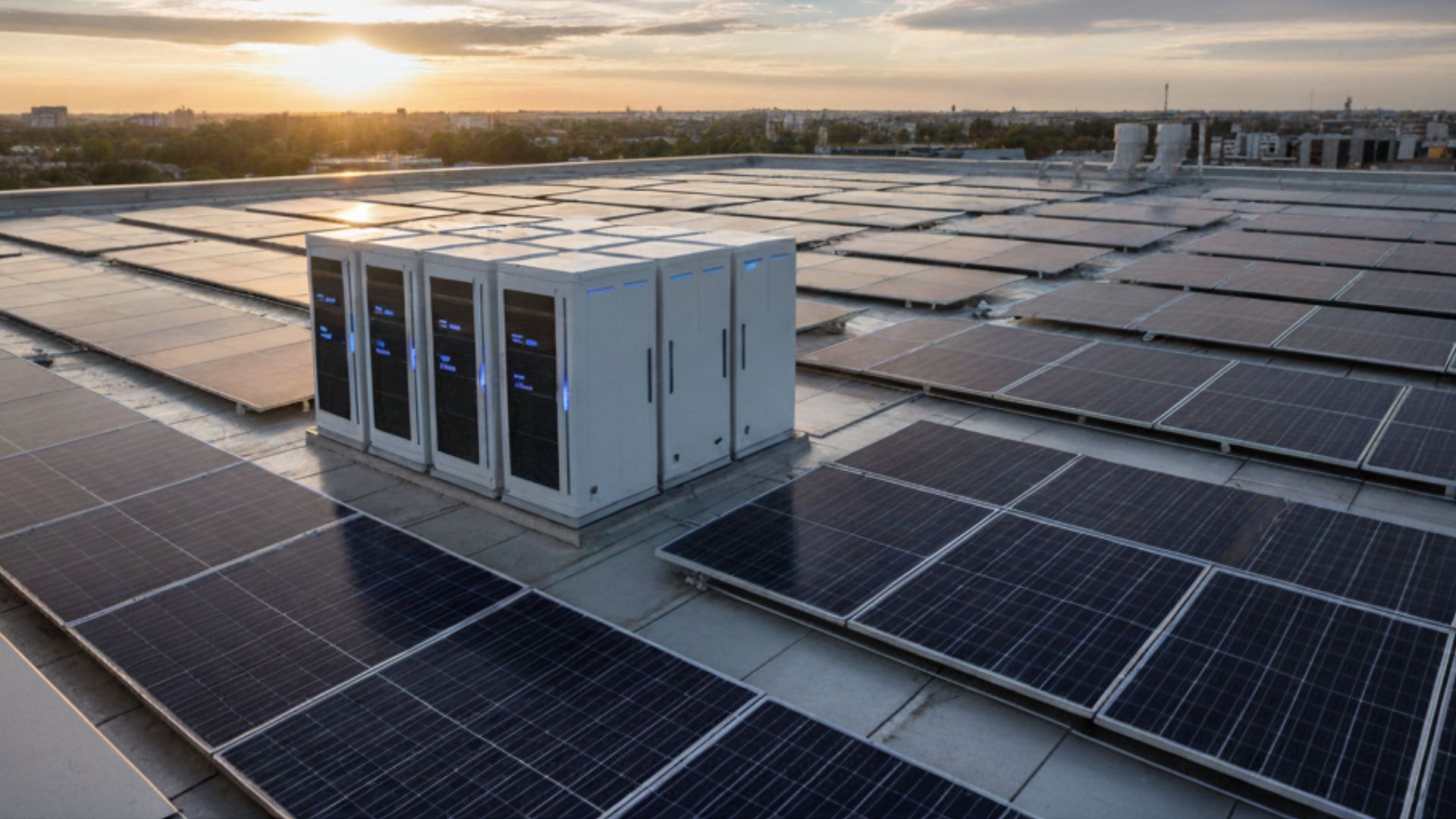
Greener Survey Reveals That Distributed Generation With Batteries Linked to Solar Energy Faces Barriers in Brazil. Despite Technological Advances, High Prices and Expensive Credit Limit Sector Growth
On September 30, 2025, the study by consultancy Greener, released by agency Eixos, revealed an ambiguous scenario for the distributed generation with batteries sector in Brazil.
Although the supply of these hybrid systems has grown rapidly, factors such as high prices, elevated interest rates, and economic uncertainties continue to hinder the commercial expansion of the technology.
Greener Reveals: Demand Grows, but Sales Do Not Follow
In the first seven months of 2025, the country added 2.9 gigawatts (GW) of capacity in distributed generation, reaching a total of 41 GW installed. The supply of hybrid systems with batteries increased significantly: 71% of integrators began to offer this solution, up from 65% in the same period of 2024.
-
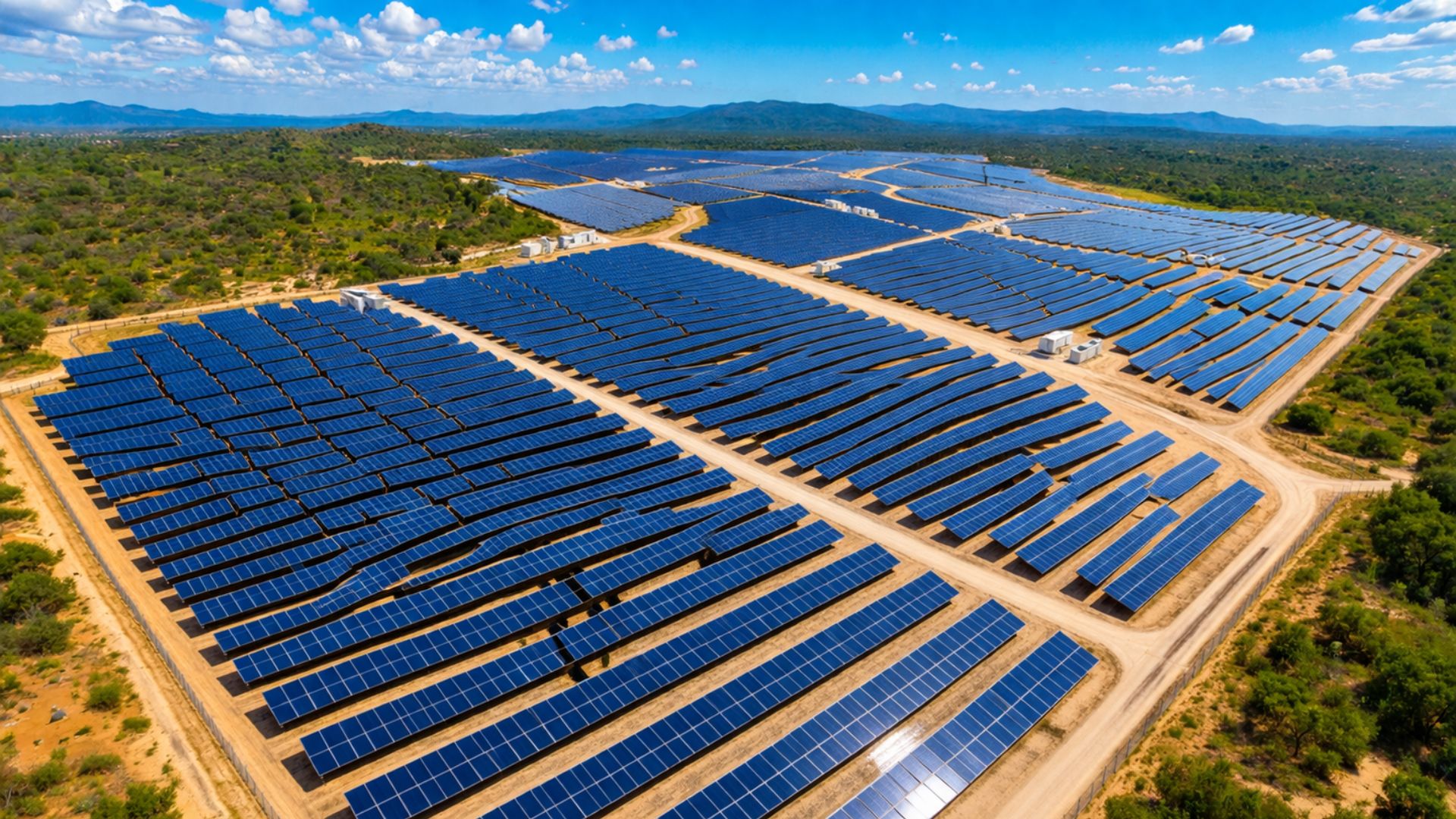
The Sol do Agreste Photovoltaic Complex begins operations in Pernambuco and accelerates the expansion of solar energy in Brazil, directly impacting the reduction of emissions and strengthening the sustainable energy matrix.
-
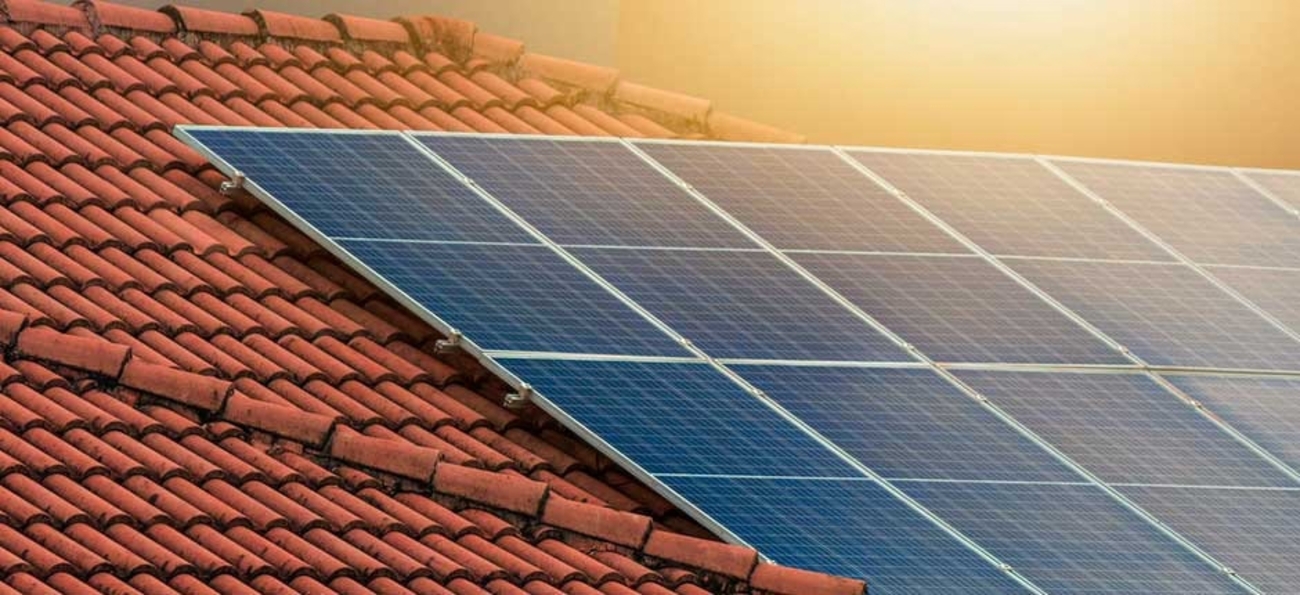
Roraima bets on the sun to escape high tariffs: Amid the energy crisis and price hikes, solar energy is growing in Roraima and transforming consumption in the North region.
-
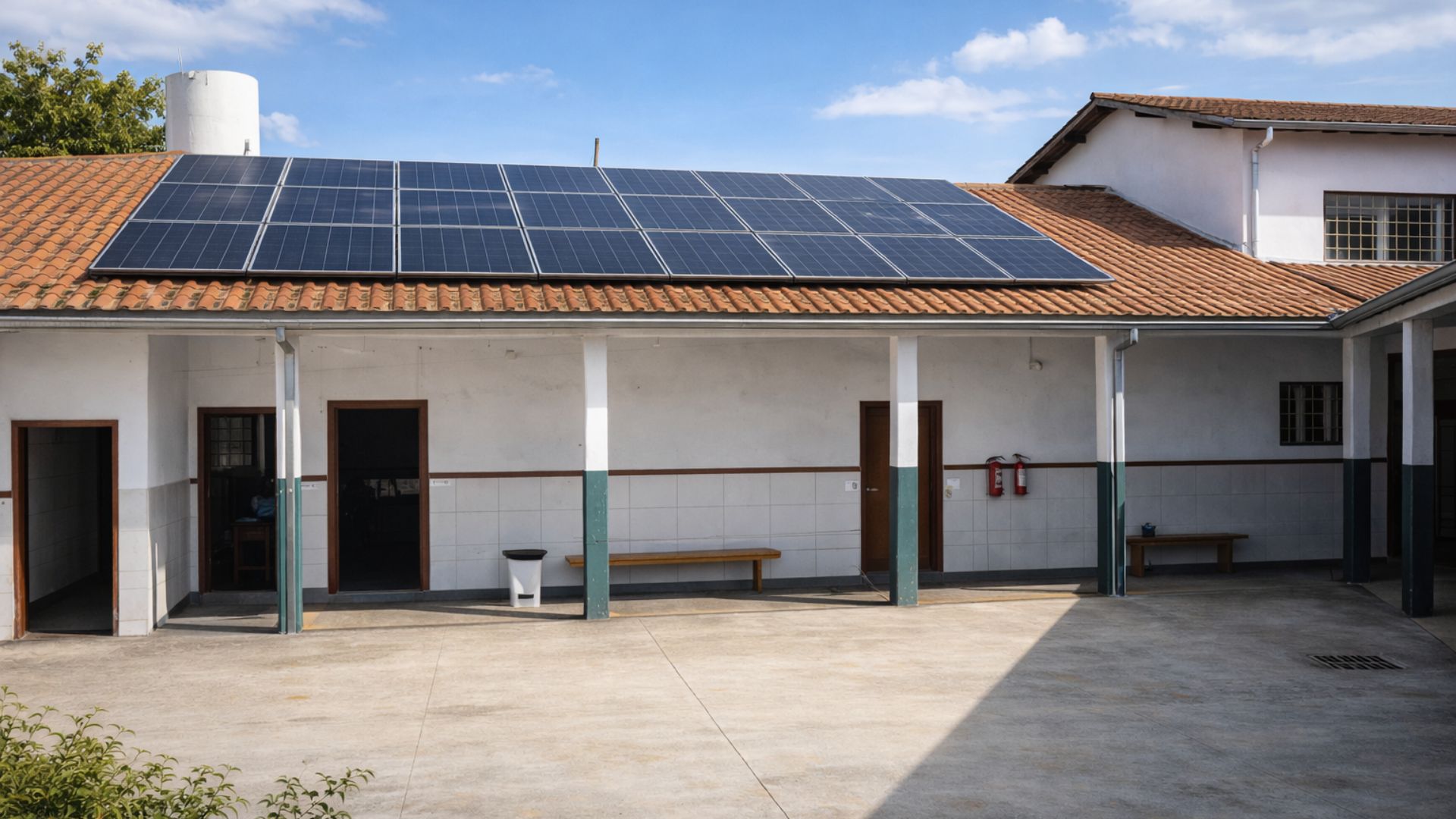
Copel boosts solar energy in Paraná and brings innovation to public schools, promoting savings on electricity bills, energy efficiency, and a direct impact on the quality of education.
-
Brazil reaches historic milestone in solar energy: Sector surpasses 2 million accumulated green jobs and generates billions in the national economy even under market pressure.

However, only 2% of actual sales involved energy storage systems, and more than half of the integrators offering batteries still have not made any sales.
“Supply has grown, but the market has not yet absorbed the technology as expected”, highlights Greener’s report. The main barrier identified by consumers is the high cost of storage equipment, which undermines the investment’s profitability compared to conventional systems that inject excess power into the grid.
Growth of Distributed Generation With Batteries
Distributed generation has established itself as a viable alternative for consumers seeking energy independence and cost reduction. With advancements in technology and the popularization of solar energy, hybrid systems with batteries emerge as a strategic solution to store excess generated power and ensure continuous supply.
According to Greener’s study, the growth in supply results from greater equipment availability and the search for more comprehensive solutions by consumers. However, the market still faces resistance in converting budgets into sales, especially due to the high cost of batteries and lack of financial incentives.
High Prices and Interest Rates Hinder Expansion of Clean Energy
According to Greener’s survey, the main challenges faced by distributed generation integrators in the first half of 2025 were:
- Competition With Low Prices: 65% of integrators indicated that aggressive pricing by competitors hampers competitiveness.
- High Interest Rates: 58% mentioned that the cost of financing deters potential customers.
- Difficulties in Credit Approval: 49% reported obstacles in obtaining financing from banks.
These factors contributed to a 46% drop in the average monthly budget volume compared to the same period in 2024. “Consumers are more cautious and selective”, states Greener, attributing this behavior to inflation, political instability, and adverse economic conditions.
Additionally, the increase in import tariffs on photovoltaic cells from 9.6% to 25%, announced by the Ministry of Development, Industry, Commerce, and Services (MDIC), directly impacted the sector. This measure led to a rush for imports in the first quarter of 2025, followed by a 38% drop in the second quarter.
Profile of Consumers and Changes in the Distributed Generation Market
Despite the difficulties, the residential segment showed growth. In 2025, 57% of installed capacity in distributed generation was allocated to residences, a historic record for this category. On the other hand, commercial and rural consumers reduced their participation:
- Commerce: Many business owners have opted for solutions that require lower initial investment.
- Rural Sector: The rise in interest rates and difficulties in accessing credit negatively impacted the sector. Additionally, producers prioritized investments in agricultural infrastructure.
Greener indicates that residential consumers are more likely to invest in solar energy, even amidst uncertainties. The search for energy independence and lower electricity bills are the main motivators.
Solar Energy and Batteries: A Strategic Combination
The combination of solar energy and batteries represents a significant advance in the quest for greater energy efficiency and reduced dependence on conventional power grids. Hybrid systems allow consumers to use generated energy even when there is no sunlight, increasing autonomy and energy security.
However, the high cost of batteries remains a barrier. According to experts, price reductions depend on tax incentives, increased production scale, and technological advancements.
Without public policies that stimulate the market, growth will be limited, warns Greener’s study. The lack of remuneration models for battery use also discourages investments.
Statistics and Projections from Greener for the Clean Energy Sector
Greener’s study presents relevant data on the sector’s performance in 2025:
- 2.9 GW added in distributed generation in the first seven months of the year.
- 41 GW total installed capacity in the country.
- 71% of integrators offer systems with batteries.
- Only 2% of sales involve hybrid systems.
- 46% decline in monthly budgets compared to 2024.
- 57% of installed capacity was allocated to residences.
These numbers show that, although the technology is available, adoption is still timid in the face of economic challenges. The expectation is that with the stabilization of the economy and the creation of public policies aimed at the sector, the market can expand more consistently in the coming years.

Opportunities and Paths for Advancing Distributed Generation With Batteries
Greener’s research highlights that the market for distributed generation with batteries is expanding but faces significant obstacles. High prices, elevated interest rates, and economic uncertainties are the main factors hindering the conversion of supply into sales.
Nevertheless, the growth of solar energy and increased environmental awareness among consumers indicate that the demand for clean energy will continue to grow. For Brazil to harness the full potential of this technology, it will be necessary to invest in public policies, tax incentives, and financial solutions that make hybrid systems more accessible.
“The future of energy is in decentralization and smart storage”. With planning and institutional support, distributed generation with batteries can become a pillar of the Brazilian energy matrix, promoting sustainability, autonomy, and innovation.







Seja o primeiro a reagir!