





 Português
  Inglês
  Espanhol
  4 min de leitura


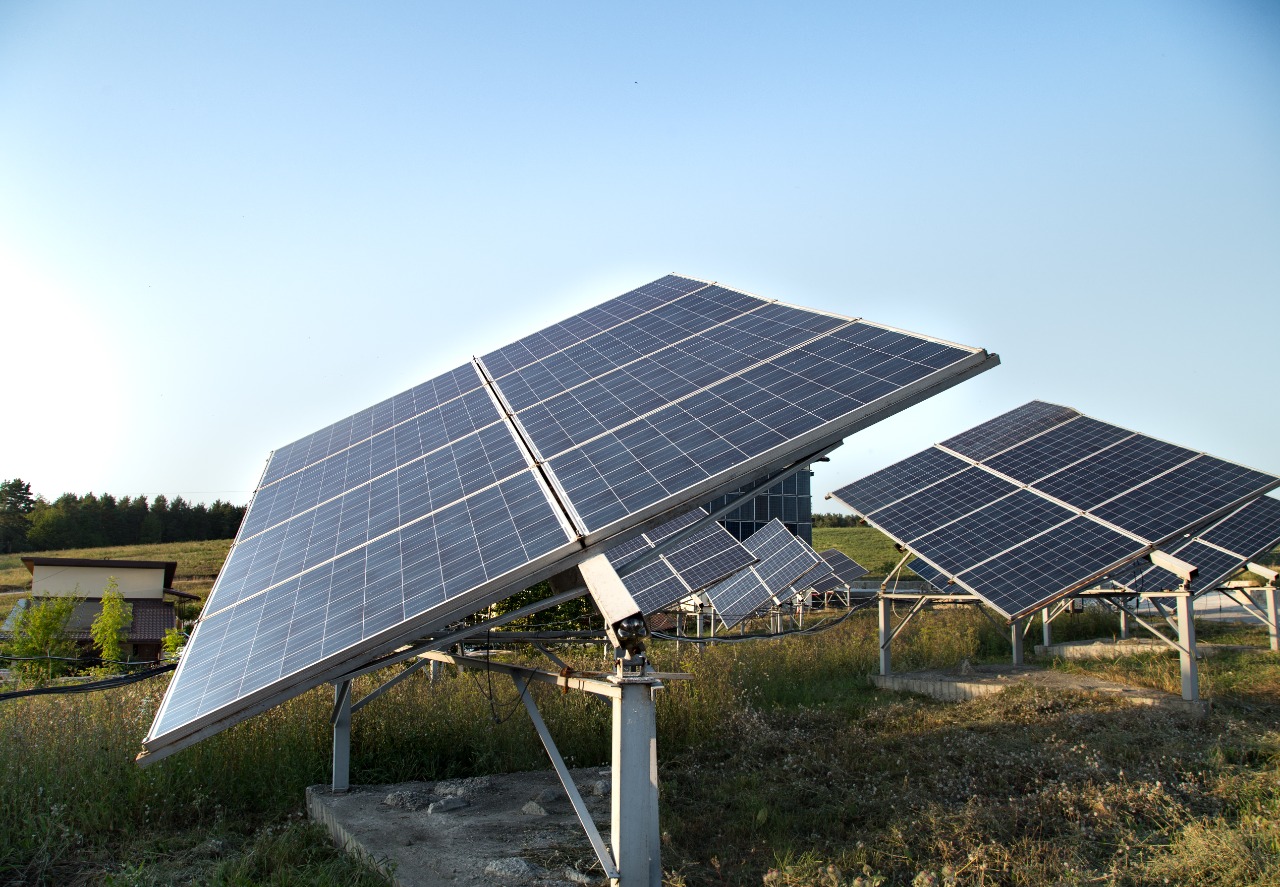
The Bill Text of the New Regulatory Framework for Renewable Energy, Already in the Senate, Establishes New Tariff Premises and Should Direct the Attention of Plant Managers and Consortia to Resources That Allow for Delivering Savings to Customers Within the Parameters of Distributed Generation
The bill for the new regulatory framework for distributed renewable energy generation is advancing in Congress – it was approved by the Chamber and is now under urgent consideration in the Senate – and companies are already preparing to ensure savings with the new rules. The regulation establishes new tariff premises and will accelerate managers of plants, consortia, and cooperatives to look more towards resources that allow them to deliver savings to customers. Distributed renewable energy generation is the principal part of the installed capacity of the source in the country. There are 6.6 GW in the model that, combined with the 3.6 GW of centralized solar plants, place Brazil on the list of the 15 largest countries in the world for photovoltaic generation. In addition to the installed capacity, the number of active integrating companies in the market has increased from about 14,000 at the end of 2020 to more than 16,000 by June 2021, according to a study by the consulting firm Greener.
Read Other Related News
“The Imminence of Changes in the Rules of the Renewable Energy Sector May Have Contributed to the Acceleration of the Market Amidst the Economic Crisis, Due to Benefits That Were Previously Unregulated, and Now Creates a New Moment for Plant Managers and Cooperatives to Seek Resources to Ensure Savings for Those Migrating to This Model,” Assesses Jefferson Kobs, Product Manager at Way2, a Company That Has Technology for Managing the Compensation of Credits from Distributed Generation Within Its Scope.
Changes in Credit Offsetting Within the Renewable Energy Market
One of the Main Points of the Legal Framework for Distributed Generation, Once Approved, Is Tariff Compensation. Currently, Credits Are Fully Offsetting the Energy Bill, Including Parts of the Tariff That Do Not Correspond to Generation, Such as Sector Charges and Transmission and Distribution Tariffs. The Legal Framework Specifies That Consumers Participating in Distributed Generation Will Pay Some Charges Separately, Such as the Distribution System Usage Tariff (Tusd) for the “B Wire,” Which Remunerates Distributors.
-
Renewable energy advances over protected areas in Brazil, and a survey by the Energy Transition Observatory reveals silent impacts that challenge environmental conservation and pressure sensitive traditional territories.

-
Rio Grande do Sul accelerates energy transition: State invests in renewable technologies and consolidates decarbonization strategies and pathways to attract billions in new industrial investments.

-
With 160,000 m² of collectors, an area larger than 20 football fields, Silkeborg, in Denmark, hosts a solar thermal plant that heats 19,500 homes and could become the largest solar heating plant in the world.

-
A study reveals the expansion of renewable energy procurement in Brazil and shows how companies are taking advantage of opportunities to reduce expenses, ensure energy efficiency, and strengthen strategic environmental commitments.


That Is, Generated Credits Will No Longer Be Offsetting This Portion of the Energy Bill. The Text of the Regulatory Framework Exempts, On the Other Hand, the Agents of Distributed Generation from Paying the Availability Fee – Charged by the Energy Concessionaire, a Value in the Electricity Bill Referring to the Availability of the Electrical Network for the Consumer to Use.
“With the Upcoming Changes for Consumers and Distributors, Companies That Manage the Credits of Multiple Consumption Units Need to Pay More Attention to Accuracy and Gains in This Management to Audit Consumption Data and Have the Balance of Generated Credits, Ensuring Savings and Operational Efficiency. The Larger the Portion of the Tariff on Which Consumers Cannot Offset Credits, the Less Attractive the Business Becomes and the Slower the Expansion,” Observes the Product Manager at Way2.
Technology Will Be Key to Managing Changes in the Regulatory Framework of the Renewable Energy Market
Today, the Relationship of Companies That Manage Energy Credits of Their Units and Need to Audit Billing Cycles with Distributors Is One of Learning. Units Classified in Distributed Generation with a Credit Quota That, Due to Some Generation or Credit Transfer Problem, Have Compensation Different from What Was Agreed with the Consumer, Need to Be Monitored Daily so That Companies Have Material to Request Refactoring from the Distributors, for Example.
“With Changes in Tariff Compensation, It Is Another Point That Managers Need to Pay Attention To, Precisely to Ensure Savings and Consumer Trust. In Scenarios of Unrestricted Growth and Need for Scalability, The Use of Technological Tools Is Supporting These Managers,” Comments Kobs.
GDSolar Claims That the New Legal Framework Will Bring Changes That Should Impact the Focus of Work
For GDSolar, a Company That Offers Solutions in Clean and Sustainable Energy Assets, the New Legal Framework Will Bring Changes That Should Impact the Focus of Work.
The Company Was Already Working with Shared Generation, But It Is Expected to Expand This Front Following the Publication of the Law. For the President of GDSolar Holding, Ricardo Costa, Technology Will Be Key for This Moment, Mainly Due to the Increased Digitalization of the Sector. According to Him, the Work Will Involve a Much Larger Volume of Information That Needs to Be Managed Between Plant, Consumer, and Distributor.
“Technology Is Key to This. Having Appropriate and Well-Thought-Out Digitalization Tools Makes This Action Possible. Solar Energy Plays an Important Leadership Role in Distributed Generation. This Happens Not Only Because of Equipment Prices, but Also Because Technology Has Evolved Significantly and This Set Contributes to the Expansion of Distributed Generation.”
Way2 Has an Energy Credit Management Platform for Remote Self-Consumption and Shared Generation Companies and Saw Its Distributed Generation Offer Grow Amidst the Pandemic, Increasing the Number of Clients by Over 3,000%.










Seja o primeiro a reagir!