





 Portuguese
  English
  Spanish
 6 min of reading
  0 comments



Petrobras Manager’s Statement Rekindles Debate on the Oil Industry’s Role in the Energy Transition. Expert Advocates for Balance Between Sustainability, National Sovereignty, and Economic Growth.
On Thursday (9), during an event held in the city of Serra, Espírito Santo, Petrobras manager, Wagner Victer, made a strong statement that resonated throughout the country: preventing the oil industry is an act of treason.
According to him, this stance directly undermines national sovereignty and economic development in Brazil, especially given the challenges of the energy transition.
The Warning from Petrobras Manager About Energy Sovereignty
Victer’s remarks, also reported in a CNN Brasil article, come at a time of intense debate regarding the role of the oil industry in the Brazilian energy matrix and possible paths for a fair and sustainable energy transition.
-
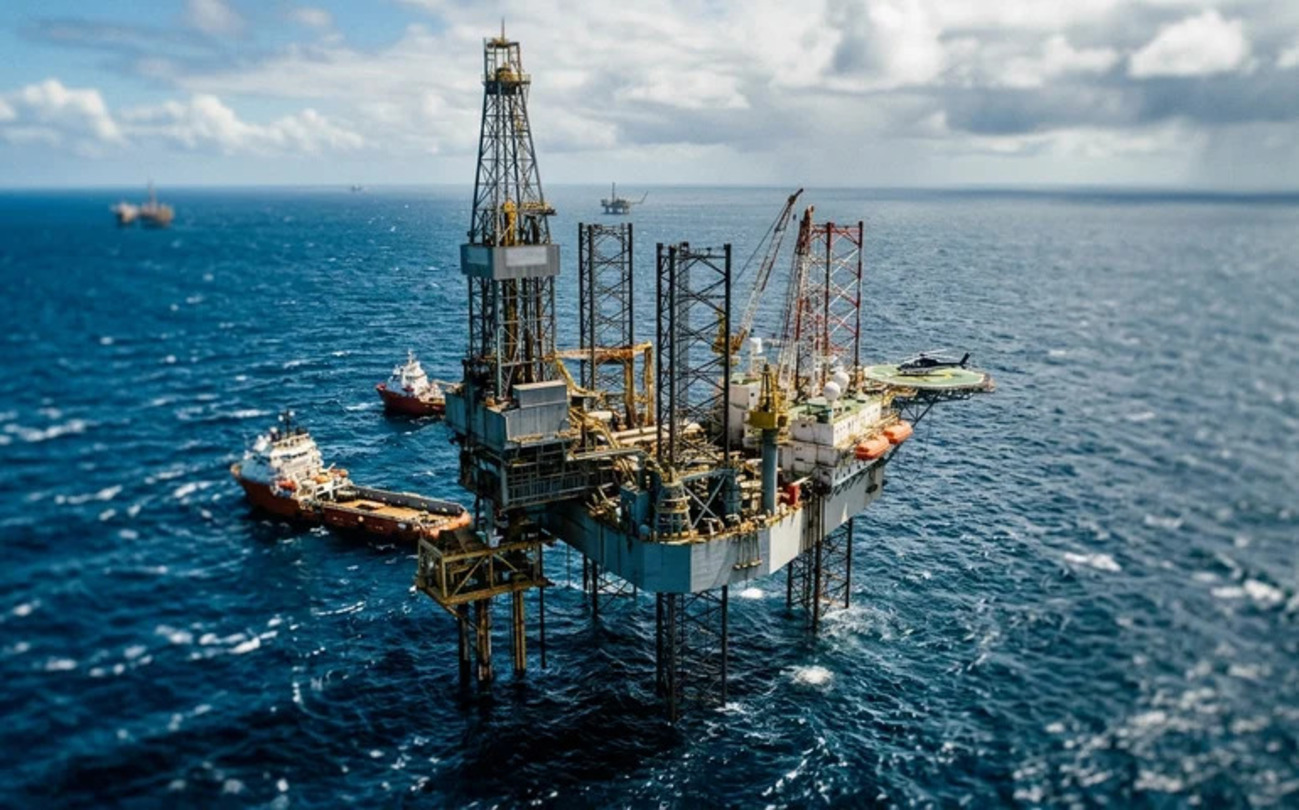
Brazilian giant expands borders in the Southeast: Petrobras confirms new oil discovery in ultra-deep waters in the pre-salt of the Campos Basin.
-
Alert in the global energy market: Severe tropical cyclone hits the coast and disrupts gas production at major plants in Australia, threatening global supply.
-
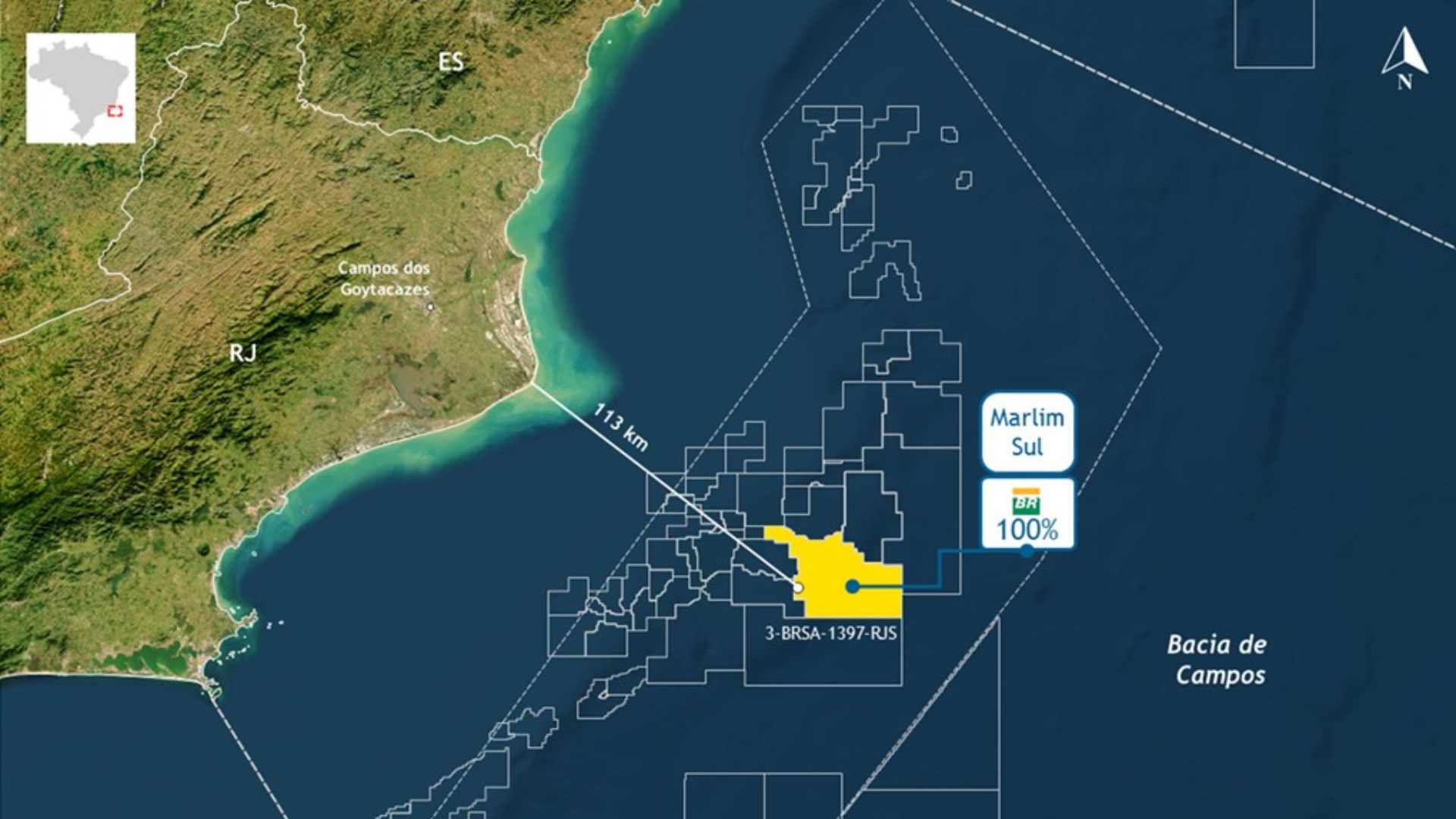
Petrobras finds high-quality oil in the pre-salt at 113 km from RJ and reignites expectations about strategic reserves in the Campos Basin.

-
Ocyan opens registrations for startups focused on innovation in the oil and gas sector and will select projects for Innovation Day with the support of Nexio.


During the event, Wagner Victer, Executive Manager of Strategic Programs at Petrobras, stated that halting oil production due to external pressures is unacceptable.
For him, this decision serves the interests of other nations and harms Brazil, which still relies heavily on oil exploration to sustain its economy.
“There is no environment without economic development,” declared Victer, emphasizing that the energy transition must be carried out responsibly and with planning.
He warned that shutting down productive basins and reducing oil exploration without viable alternatives would hand over the market to other countries, jeopardizing Brazil’s energy sovereignty.
Oil Industry: Engine of the National Economy
The oil industry is one of the pillars of the Brazilian economy. According to data from the National Agency of Petroleum, Natural Gas and Biofuels (ANP), Brazil produced about 3.4 million barrels of oil per day in 2024, establishing itself as the ninth-largest producer in the world.
In addition to production, the sector is responsible for:
- Hundreds of thousands of direct and indirect jobs
- Collecting over R$ 120 billion in royalties and special participations in 2024
Reducing the activity of the oil industry without an efficient energy replacement can lead to profound social and economic impacts, especially in producing states such as Rio de Janeiro, Espírito Santo, and Amazonas.
Energy Transition: A Necessary Yet Challenging Path
The energy transition is a global process seeking to replace fossil sources with clean and renewable alternatives, such as solar, wind, and biomass energy. However, this change requires time, robust investments, and adequate infrastructure.
According to the “World Energy Outlook 2024” report by the International Energy Agency (IEA), Brazil has the potential to lead this transition but still relies on fossil fuels for about 60% of its energy matrix.
The electrification of the fleet, the expansion of renewable energies, and the modernization of the electrical grid are essential steps but are still in the implementation phase.
Wagner Victer argues that Brazil cannot forgo its oil production until there is energy security guaranteed by other sources. He claims that yielding to international pressure without considering national reality is a strategic error that could prove costly for the country.
Petrobras Statement: Political and Economic Implications of the Expression
The expression treason, used by Victer, carries strong symbolic and historical weight. Traditionally, it is used to describe acts that violate the interests of the country.
By applying this term to the interruption of oil production, the Petrobras manager suggests that such a decision not only harms the economy but also undermines Brazil’s autonomy in the global geopolitical landscape.
The statement elicited diverse reactions. While environmentalists and civil society sectors advocate for a faster energy transition, representatives of the industry and economists warn of the risks of an abrupt change, without planning and without considering social impacts.
Petrobras and the Energy Transition: Between Oil and the Future
Petrobras has been working to adapt to the new global energy landscape. The company announced investments in research and development of clean technologies, such as biofuels, carbon capture, and energy efficiency. However, the majority of resources are still directed towards oil and gas exploration and production, especially in the pre-salt layer.
According to Petrobras’ Strategic Plan 2024–2028, US$ 78 billion in investments are planned, with 85% allocated to oil exploration and production. This demonstrates that while the energy transition is on the company’s radar, oil remains the primary focus for operations and revenue generation.
Risks of External Energy Dependency
Another central point in Victer’s remarks was the risk of external energy dependency. Countries that abandon their oil production without viable alternatives end up importing fossil fuels, often from nations with less stringent environmental standards.
By reducing its production, Brazil may make room for the advancement of countries like Russia, Saudi Arabia, and the United States, who continue to invest heavily in oil and gas. This would compromise not only the trade balance but also the energy security and strategic autonomy of the country.
Sustainable Development Requires Balance
The discussion between environmental sustainability and economic development is one of today’s biggest dilemmas. While environmental organizations pressure for an immediate reduction in carbon emissions, productive sectors warn of the social and economic impacts of hasty decisions.
The Petrobras manager proposes a path of balance, where Brazil continues to explore oil responsibly while investing in renewable sources. This approach seeks to preserve jobs, revenue, and sovereignty without neglecting the climate commitments made by the country.
Possible Paths for a Just Energy Transition
For the energy transition to be successful in Brazil, it is necessary to adopt a strategy that considers the country’s specificities. This includes:
- Investments in renewable energy infrastructure
- Training the workforce for new sectors
- Incentives for research and technological innovation
- Long-term planning with realistic goals
- Responsible utilization of existing oil reserves
The oil industry can also finance part of the energy transition, through taxes, royalties, and direct investments in sustainable projects. This synergy between the present and the future is essential for ensuring a safe and effective change.
The Role of Society and Public Policy Makers
Building a sustainable and sovereign energy model depends on the active participation of society, the private sector, and public policymakers. It is necessary to promote a transparent debate based on data and evidence, considering the social, economic, and environmental impacts of each decision.
Ignoring the strategic role of the oil industry in the current Brazilian context neglects one of the main sources of revenue and development for the country. At the same time, it is vital to accelerate investments in clean energy, ensuring that the energy transition occurs in a fair and balanced manner.


The Energy Future of Brazil: Between Reality and Ambition
The Petrobras manager’s remarks in October 2025 sparked an urgent and necessary debate: how to balance the energy transition with the preservation of national sovereignty and economic development.
By labeling any attempt to undermine the oil industry as treason, Wagner Victer not only defended the interests of the state-owned company but also raised a flag in the name of the country’s energy security.
Brazil has a strategic position in the global energy scene, with vast oil reserves, significant potential in renewable energies, and a cleaner energy matrix than the global average. However, for this advantage to translate into sustainable development, planning, investment, and dialogue are needed.
The energy transition is inevitable, but it cannot be imposed abruptly or disconnected from national reality. The challenge lies in building a path that unites environmental responsibility, economic growth, and social justice — fundamental pillars for a truly sovereign energy future.








-

Uma pessoa reagiu a isso.