





 Português
  Inglês
  Espanhol
  5 min de leitura
  5 comentários


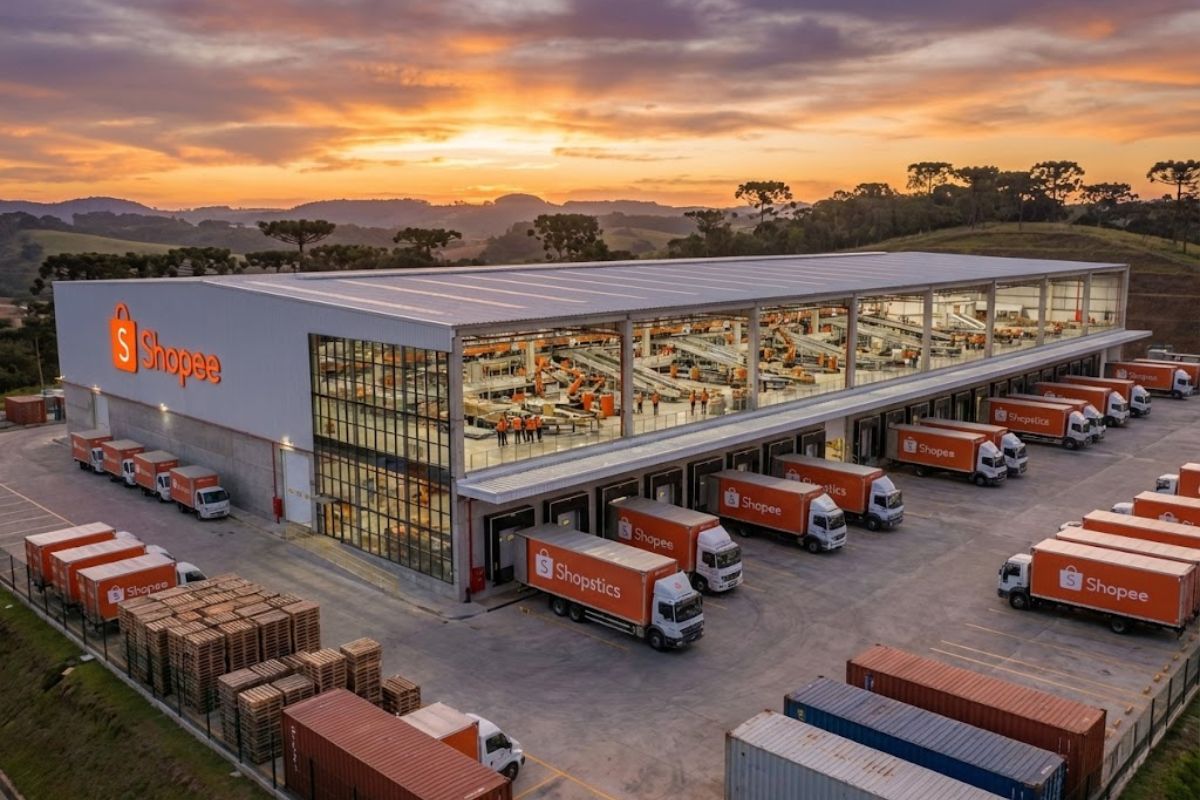


The Chinese Giant Shopee Will Build, In Build-To-Suit Model, A 33,000 M² Distribution Center In Londrina (PR), Financed By The TRXF11 Fund And Constructed By RET, With An Investment Of R$ 135.5 Million. AAA Standard, Expected Delivery In July 2027, And Cross-Docking Operation Promise To Accelerate Flows In The South.
The Chinese giant Shopee has decided to place Londrina (PR) at the center of a large-scale logistics bet: a megawarehouse of 33,000 square meters, with an investment of around R$ 135.5 million, aimed at expanding operations in the South and shortening the path between purchase and delivery. The move combines infrastructure, high construction standards, and a design intended for high turnover.
In addition to its size, the project stands out for its format: the distribution center will be built as a build-to-suit, financed by the TRXF11 real estate fund (TRX Real Estate) and constructed by the Paraná-based RET, approximately 9 kilometers from downtown Londrina, near PR-445 highway. The official delivery is expected in July 2027, with AAA standard specifications and operation in the cross-docking model.
What Is Being Built And Why Londrina Became The Betting Point
The plan is to build a distribution center of 33,000 m², referred to as a “megawarehouse” due to its scale and the type of operation planned. For the Chinese giant, it is not just a physical expansion: it is a network node to strengthen presence in the South, where logistics often requires speed and predictability to sustain shorter timelines.
-
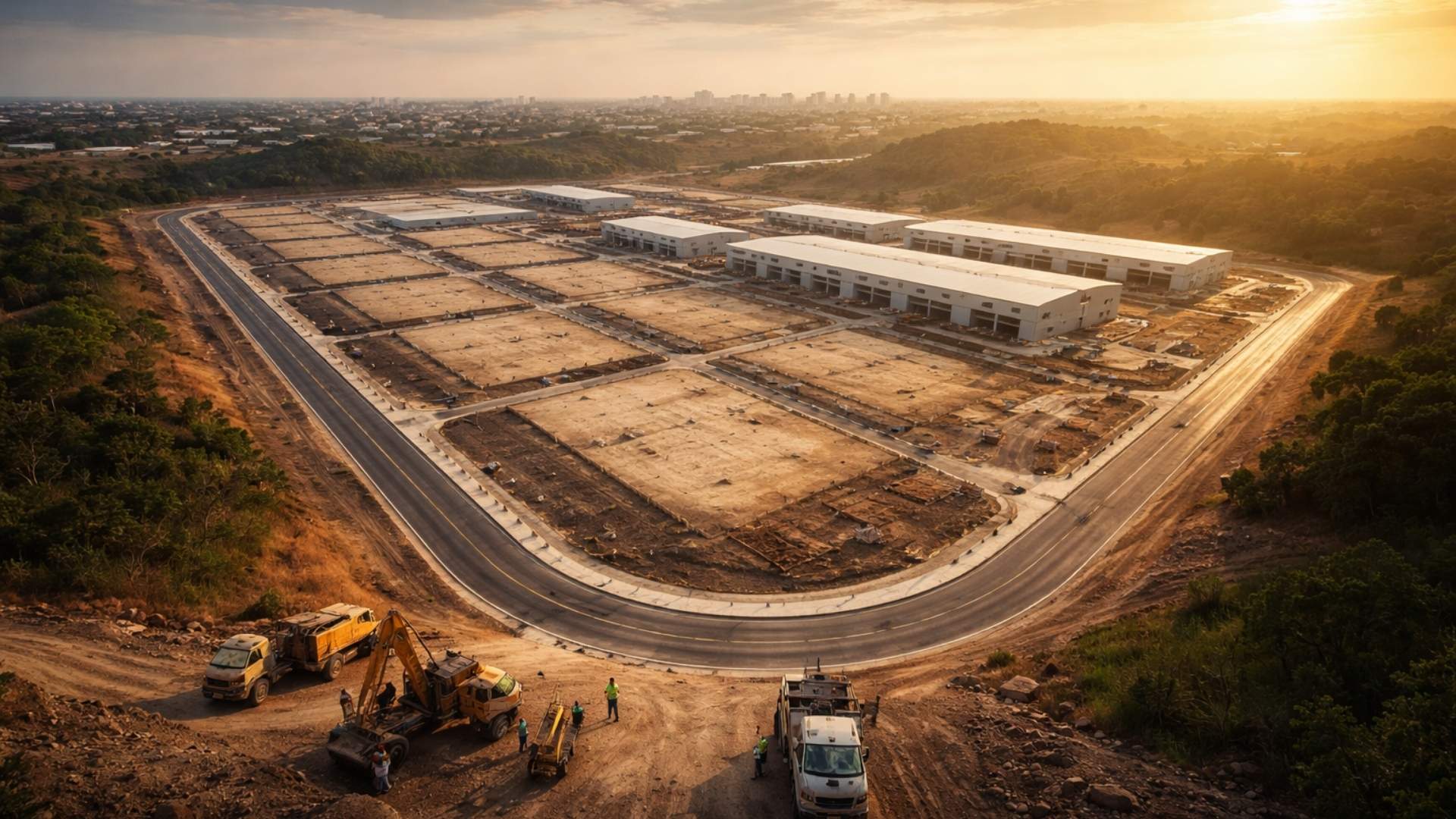
Brazilian city gains industrial hub for 85 companies that is equivalent to 55 football fields.

-
Peugeot and Citroën factory in Argentina cuts production by half and opens a layoff program for more than 2,000 employees after Brazil drastically reduced purchases of Argentine vehicles.

-
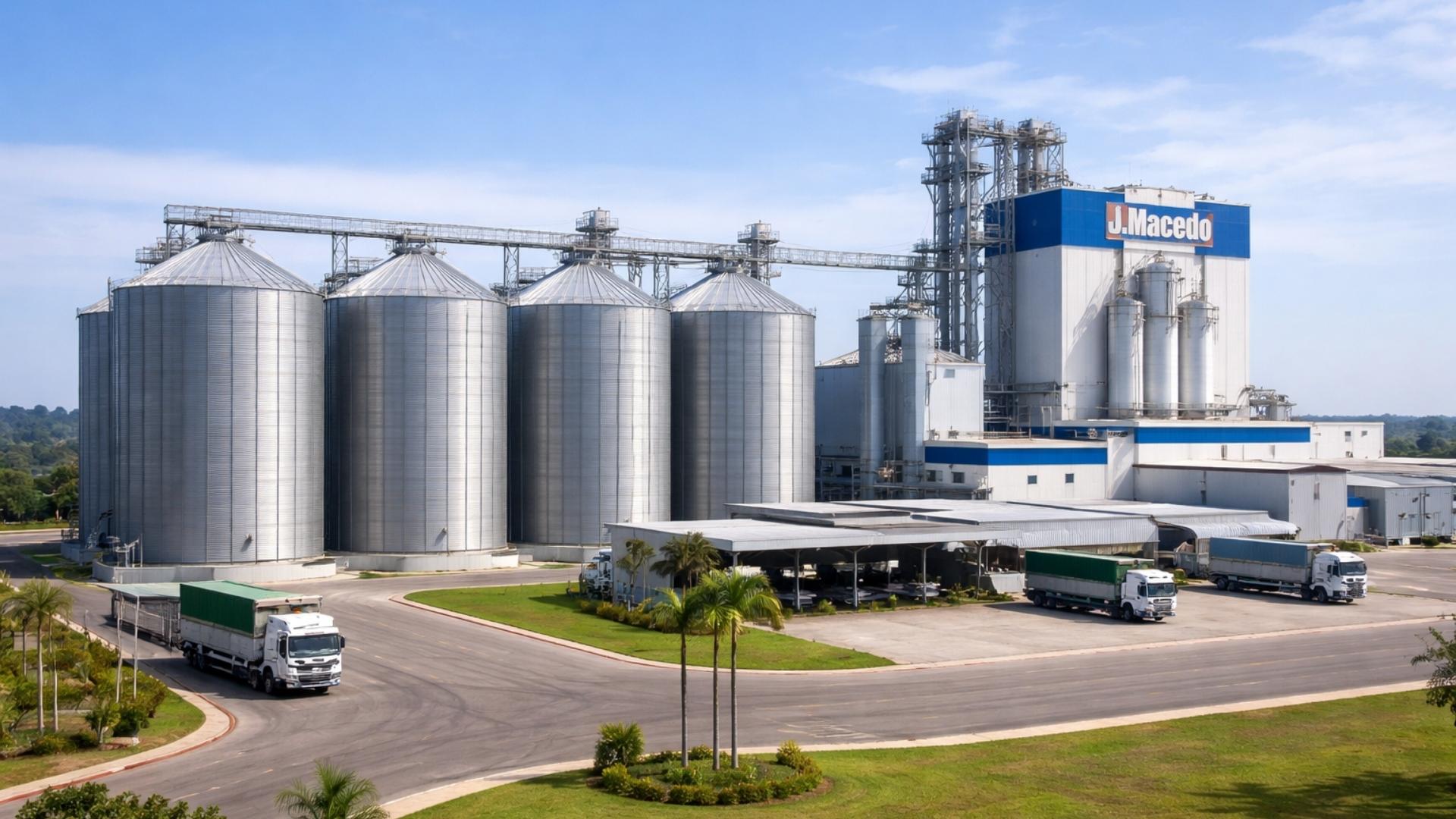
A Brazilian city gains a factory worth R$ 300 million with the capacity to process 200 thousand tons of wheat per year, a mill of 660 tons/day, silos for 42 thousand tons, and an industrial area of 276 thousand m².
-
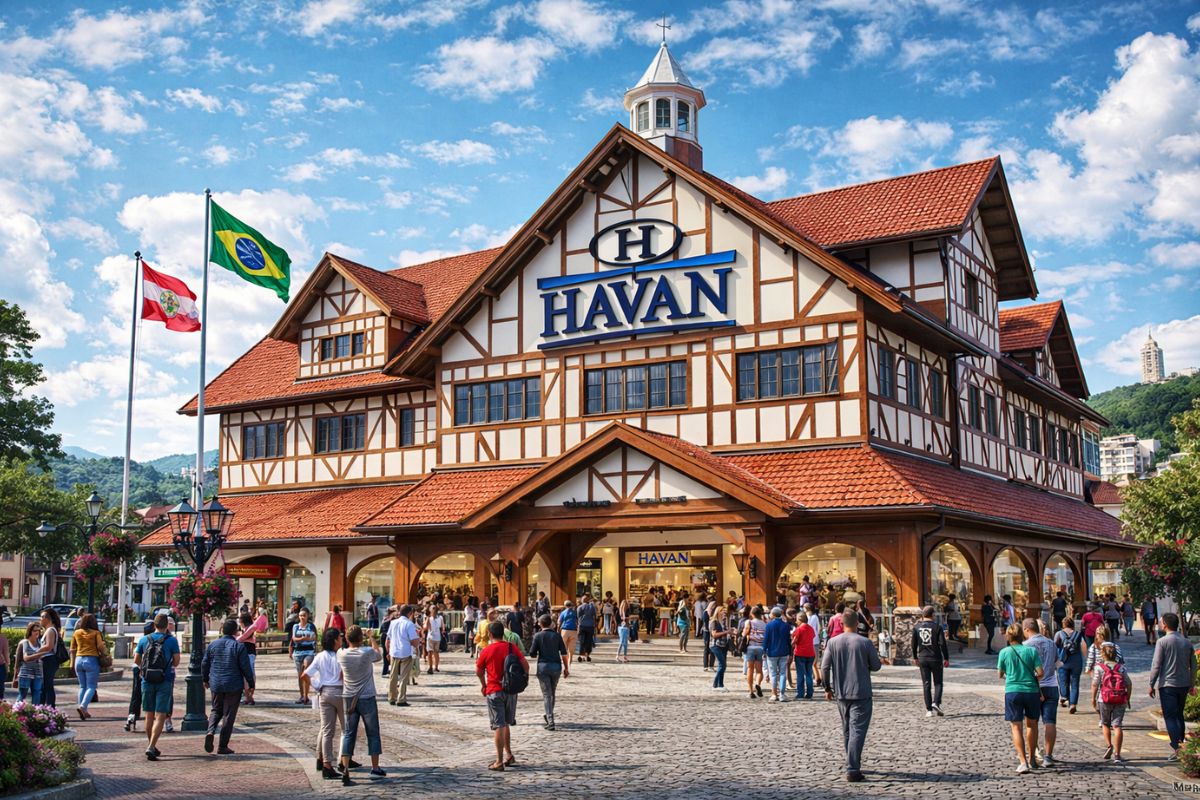
Havan will leave the shopping mall in Blumenau to inaugurate something that the chain has never done before: a megastore in half-timbered style in the Historic Center of the city, which is expected to be completed in May and change the landscape of local retail.

The location is also part of the described strategy: the project will be located about 9 km from downtown Londrina, near PR-445. Being close to a highway is a logistical advantage, as it facilitates the entry and exit of trucks and helps organize transfer routes, exactly the type of dynamics that a hub focused on e-commerce needs to maintain a continuous flow.
Build-To-Suit Model And The Financial Engineering Behind The Project
The center will be built in the build-to-suit model, where the property is designed to meet specific operational needs, rather than as a generic warehouse that is adapted later. In practice, this tends to reduce improvisation: the design is inherently aligned with the volume, type of cargo, and shipping rhythm that the Chinese giant intends to sustain in the region.
In financing, the stated structure includes the TRXF11 real estate fund as responsible for funding the project, with construction handled by RET.
The project also anticipates minimum guaranteed income equivalent to 9.5% per year on the invested capital during the development period, a mechanism that, based on what has been disclosed, ties financial predictability while the warehouse is not officially in operation.
AAA Standard And The Design For High Turnover: How Cross-Docking Works
The AAA construction standard appears as a seal of demand: it is not just about space, but about the capacity to handle intense turnover. The fund’s manager itself points out that this type of structure needs to be superior to conventional industrial warehouses due to the high turnover of cargo. In e-commerce, the difference between “storing” and “turning” changes everything.
Therefore, the warehouse has been designed to operate in a cross-docking model where goods arrive and depart quickly, with minimal time in stock. To support this format, the property must have a minimum height of 12 meters, a floor capacity of six tons, docks on both sides of the land, and expanded areas for truck maneuvering. For the Chinese giant, this setup functions as an operational “accelerator”: less time stationary, more time in transit to the next delivery stage.
Cost Per Square Meter Above Average: What Changes When The Warehouse Becomes An E-Commerce “Machine”
The reported investment carries a direct indicator: estimated cost of R$ 4,100 per square meter, about 20% above the typical value of traditional logistics warehouses. This “extra” is largely the price of transforming a building into performance, when the operation requires reinforced structure and tolerance for constant loading and unloading cycles.
The explanation related to the standard includes structural reinforcement and increased operational capacity to cope with the intense flow characteristic of e-commerce.
In the logic of the Chinese giant, spending more per m² makes sense when the goal is to reduce physical bottlenecks: docks, flooring, height, and maneuvering are not aesthetic details — they are friction points that, if they fail, become a chain delay.
How This Megawarehouse Fits Into The National Expansion Of The Chinese Giant
The Londrina project does not emerge in isolation. The stated operational base indicates an expansion across different states, with a clear focus on hubs that support high volumes.
In São Bernardo do Campo (SP), the operation is described as automated and capable of processing 3.8 million packages per day, a number that reinforces the scale at which the Chinese giant operates when it structures larger centers.
Additionally, Contagem (MG) appears as a strategic hub, Canoas (RS) with a logistics center, and Itajaí (SC) as a southern unit with a capacity of 400,000 packages per day. By distributing processing points, the network gains redundancy and speed, because the path of the package can be reorganized according to demand and capacity of each unit, without relying on a single hub.
What May Change For Timelines, Routes, And Consumer Experience In The South
By placing a new distribution center in Londrina with a cross-docking design, the Chinese giant is likely to gain momentum exactly where transfer time weighs most: in the leap between receiving, sorting, and shipping.
When goods “enter and exit” quickly, timelines shorten due to flow, not by abstract promise — it is operational engineering.
In practice, the impact tends to show up in the rhythm of regional supply and the ability to sustain demand peaks with less internal accumulation.
Even without stating specific deadlines, what is designed is a hub that prioritizes passage speed, docks on both sides, and efficient maneuvering — three elements that, for the Chinese giant, can mean more predictability in shipments and less “downtime” between stages.
The megawarehouse of 33,000 m² in Londrina, with an investment of R$ 135.5 million, AAA standard, TRXF11 financing, and construction by RET, puts the Chinese giant in front of a clear choice: pay more per m² to gain capacity, turnover, and operational consistency in the South, with an expected delivery in July 2027 and a focus on cross-docking.
And in your routine, do you notice a real difference when a platform opens a new logistics center in the region?
Let us know in the comments your city and if deliveries have improved, worsened, or remained the same — and what matters most to you: deadline, tracking, shipping cost, or reliability in everyday life.









Grande **** se é chinesa,singapurense,javenesa ou seila,o importante é que esta construindo e vai gerar empregos e melhorias, povo chato.
Faz toda a diferença um galpão triple AAA. Tem interesse em construir um? Somos uma das maiores do Brasil, Dagnese soluções metálicas. Me chame no 47992102931
A pessoa que fez a matéria, equivocou-se em relação á origem da Empresa. A Shoppe, apesar de asiática pertence á Singapura.