





 Portuguese
  English
  Spanish
  6 min of reading
  1 comment


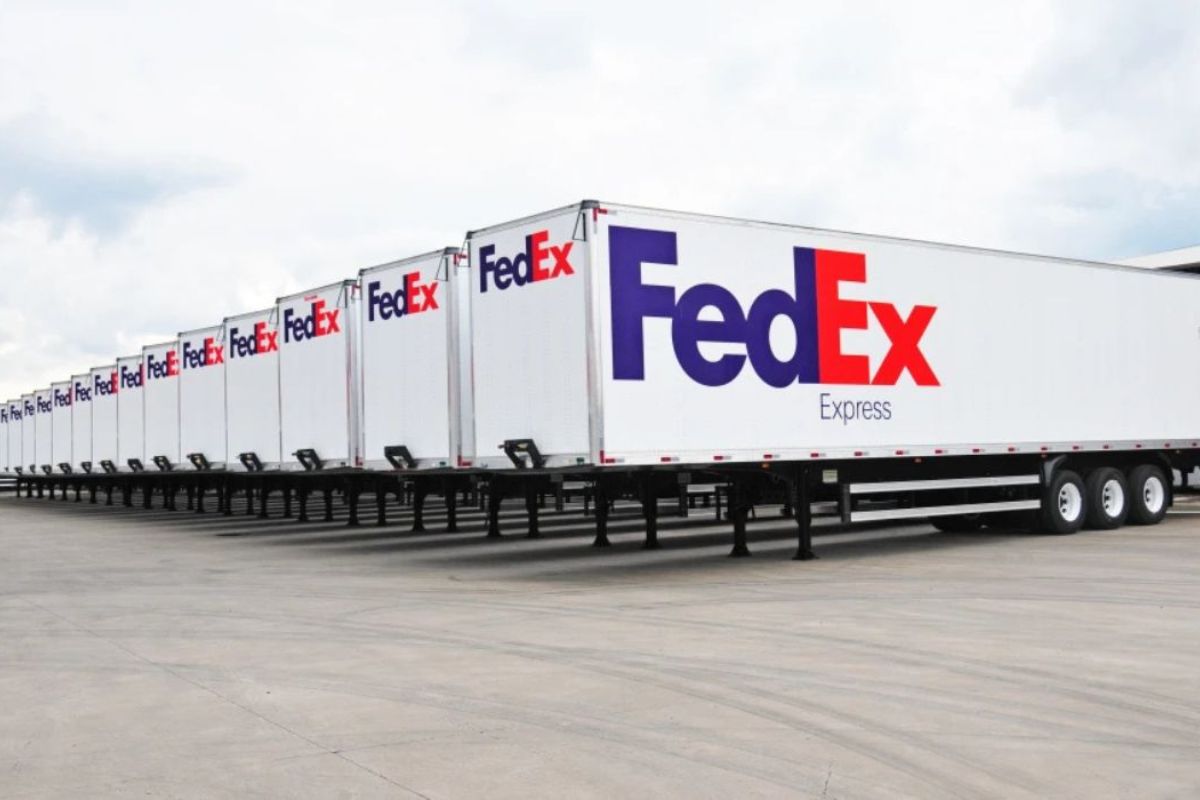


Announcement Was Made On Wednesday (7) And Provides For Gradual Closure Of National Service. According To Exame, Domestic Collections Continue Until February 6, While The Delivery Giant Focuses Efforts On International Air And Road Transportation, As Well As Supply Chain Solutions, With Closure Of Structures And Layoffs In Brazil.
The delivery giant FedEx announced on Wednesday (7) the end of domestic delivery operations in Brazil, marking the closure of the national service after 37 years of operation in the country and redirecting the operation to specific fronts.
The company reported that it will maintain international transportation, both air and road, as well as supply chain solutions. The closure will be gradual, with continuity of already contracted deliveries, a transition estimated at 30 days and changes that include closure of operational structures and employee layoffs.
What The Delivery Giant Is Ending In Brazil
The change announced by the delivery giant focuses on the end of domestic deliveries, that is, the national service for pickups and deliveries within Brazil.
-
50 viaducts, 4 tunnels, 28 bridges, and 40 kilometers of bike paths: BR-262 in Espírito Santo will receive 8.6 billion reais for the largest engineering project in the state’s history, inspired by the Immigrant Highway in São Paulo.

-
Brazil produces too much clean energy and doesn’t know what to do with it: over 20% of solar and wind capacity was wasted in 2025 while investors flee and 509 renewable generation projects were abandoned in the last year.

-
Piauí will produce a new fuel that replaces diesel without needing to change anything in the truck’s engine and reduces pollutant gas emissions by half: truck drivers from all over the Northeast are already celebrating the news that will arrive later this decade.

-
A new Brazilian shopping center worth R$ 400 million will be built in an area equivalent to more than 4 football fields, featuring 90 stores, 5 cinemas, a supermarket, a college, and parking for 1,700 cars, potentially generating 3,000 jobs.


This cut is the core of the decision disclosed by the company, which is now directing its operations in the country towards international operations and activities related to the supply chain.
The announcement makes it clear that this is not a total exit from the country. What is being phased out is the domestic delivery operation, while other fronts remain active, focusing on international transportation and supply chain solutions.
Timeline For Closure: What Happens Now And Until February 6
According to Exame magazine, the process will be gradual, with the multinational fulfilling already contracted deliveries within the established timeframe.
This detail is central to understanding the transition: instead of an immediate halt, the delivery giant signals continuity of already assumed commitments.
According to Exame, FedEx is expected to maintain domestic pickups until February 6. This deadline serves as a practical reference for clients and partners still operating with national pickups within the current flow, especially in routines that depend on regular collection, consolidation, and dispatch.
In addition to the February 6 milestone, the estimated transition of 30 days suggests a period of operational reorganization during which structures are closed, routines are adjusted, and the company concludes what was already contracted while reshaping what remains in the country.
30-Day Transition And Closure Of Operational Structures
The estimated 30-day transition includes the closure of operational structures. In practical terms, this points to an internal reorganization that accompanies the end of domestic deliveries, with deactivation of parts of the operation linked to the national service and reorienting towards the services that the company will continue to offer.
Closing operational structures is one of the clearest signals that the change is structural, not just a point change in route or service.
The decision reorganizes the scope of what the delivery giant will do in Brazil based on this repositioning.
Layoffs: What Has Been Reported And What Has Not Been Clarified
The available information indicates that the transition includes employee layoffs within the estimated 30-day period. This is one of the most sensitive points of the announcement, as it indicates a reduction in operations and restructuring of teams due to the closure of the domestic service.
At the same time, the delivery giant has not clarified when employees will be laid off during the restructuring, nor how many people will be dismissed.
This scenario creates an asymmetry of information: there is confirmation that there will be layoffs, but there is still no public detailing of the volume, layoff schedule, and how the company intends to conduct this stage within the estimated transition.
What Remains: International Transportation And Supply Chain Solutions
Even with the end of domestic deliveries, the delivery giant states that it will continue to operate in Brazil in specific services.
The company reported that it will now focus solely on:
- International Transportation
- Air And Road Transportation
- Supply Chain Services
This delimitation is relevant because it preserves part of the portfolio, concentrating service on international flow and solutions aimed at the supply chain.
The cut of what remains reinforces a focus strategy, rather than a broad maintenance of national service.
What FedEx Told Customers And Partners About The Decision
In a statement to customers and business partners, the delivery giant explained that the decision is part of a strategic repositioning to “proactively respond to market dynamics”.
The phrase summarizes the framing adopted by the company to justify the move and position it as an adjustment in light of market conditions.
In addition to the stated reason, FedEx also stated that it “remains fully committed to fulfilling all contractual obligations and providing reliable service to its customers” and that it will continue to offer logistics solutions that meet global brand standards.
In practice, this message combines two intentions: on one hand, to justify the closure of domestic deliveries as repositioning; on the other, to reinforce continuity and reliability in operations that remain, with an emphasis on contractual obligations and global standards.
Why The Announcement Stands Out: 37 Years Of Operation In The Country
The closure of the domestic service gains additional weight for occurring after 37 years of operation in Brazil.
When a delivery giant with such a history reduces its scope of operation, the movement tends to be interpreted as a significant reorganization within the logistics sector, especially for clients and partners who associate the brand with express deliveries and integrated solutions.
The decision also has a symbolic effect because it alters a chapter of long presence in the country, keeping the brand active but with a more concentrated focus.
It’s a change in perimeter, not in identity, with the company preserving international operations and supply chain, while discontinuing the domestic service.
Global Trajectory Of The Delivery Giant And How It Came To Brazil
FedEx was created in 1971 in the United States by Frederick W. Smith, who envisioned a fast delivery model inspired by banking compensation systems.
The company started operations in 1973 in Memphis, Tennessee, with a small fleet of planes.
Over the decades, the delivery giant grew and became one of the largest logistics companies in the world, with business units that include express transportation, ground freight, and supply chain solutions in more than 220 countries and territories.
In Brazil, FedEx’s presence began in 1989 with the acquisition of Flying Tigers, a move that allowed it to offer international express transportation services and connect Brazilian customers to the global reach of the company.
In 2012, the multinational acquired Rapidão Cometa, integrating a domestic road transportation network into its portfolio.
This acquisition strengthened local operations, impacting both national and international services, within the structure that is now undergoing reconfiguration with the end of domestic deliveries.
What The Change Means For Customers, Partners, And Shipping Routines
With the confirmation that domestic deliveries will be phased out, the most concrete point for customers and partners is the mentioned timeline: gradual closure, already contracted deliveries maintained within the timeframe, and domestic pickups until February 6, according to Exame.
For those interacting with the delivery giant in national shipping routines, this calendar becomes the main axis of planning.
What Is Contracted Remains A Declared Commitment, and the focus on international operations and supply chain defines the type of solution the company intends to prioritize in the country.
As the announcement was directed to customers and business partners, the trend is that the transition period will be accompanied by operational adjustments and direct communication with involved parties, within the scope defined by the company: to conclude what is already contracted and reposition the operation for what remains.
What Is Still Open And What The Public Will Seek In Response
Despite the information already released, there are points that remain without public detailing. The main one is the extent of the layoffs and the exact timing of when they will occur, as the company has not clarified these details yet.
Another aspect that naturally draws attention is how the delivery giant will conduct the closure of operational structures throughout the estimated 30-day transition, while maintaining the declared commitment to fulfill contractual obligations and preserve reliable service in the areas that continue.
As long as these answers are not detailed, the most solid elements remain those that have already been reported: announcement on Wednesday (7), gradual closure, domestic pickups until February 6 according to Exame, estimated transition of 30 days with closure of structures and layoffs, and maintenance of international transportation and supply chain solutions.
With The Delivery Giant Ending Domestic Deliveries After 37 Years, Do You Think The Greater Impact Will Be On The End Consumer Or On Companies That Depend On National Pickup To Maintain Daily Operations?









Será nos 2