





 Português
  Inglês
  Espanhol
 4 min de leitura
  1 comentário


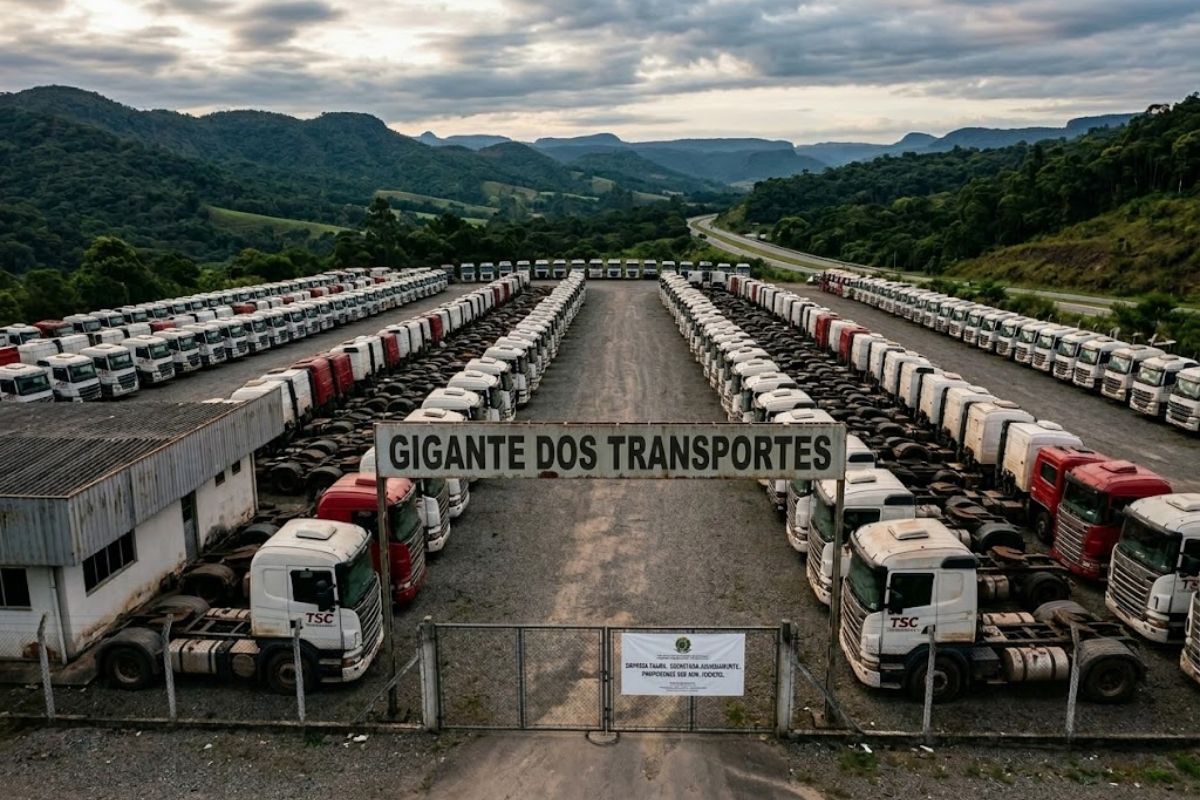


The Bankruptcy of a Transport Giant in Western Santa Catarina Revealed Debts Close to R$ 50 Million, Hundreds of Creditors, and Direct Impacts on Workers
A transport giant Bauer Express, with operations in Santa Catarina, had its bankruptcy declared by the courts after admitting it was unable to overcome a serious financial crisis. The company, based in Chapecó, accumulated millions in debt.
The judicial decision involving the transport giant occurred in March 2026 and revealed liabilities approaching R$ 50 million, affecting creditors of various profiles and raising concerns among workers who are waiting for payment of salaries and labor rights.
Bankruptcy of the Transport Giant After Attempting Judicial Recovery
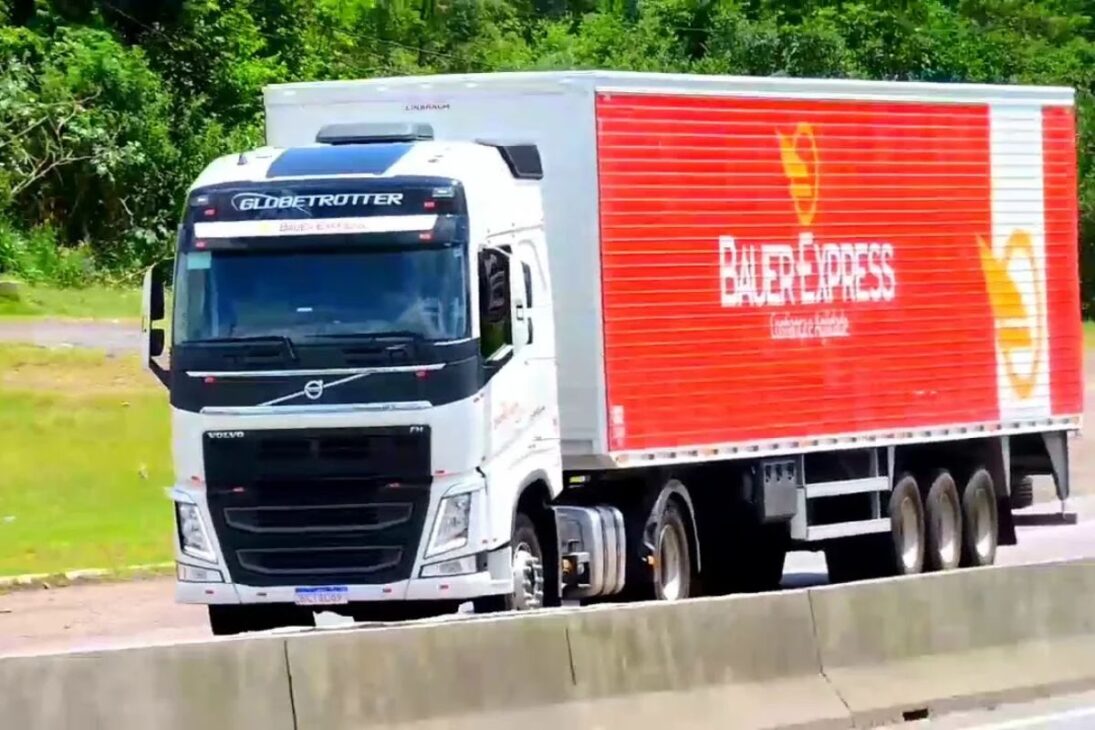
The crisis of the transport giant Bauer Express had been monitored by the judiciary since July 2025, when the group filed for judicial recovery to reorganize its finances and maintain operations.
-
Brazilian city gains industrial hub for 85 companies that is equivalent to 55 football fields.

-
Peugeot and Citroën factory in Argentina cuts production by half and opens a layoff program for more than 2,000 employees after Brazil drastically reduced purchases of Argentine vehicles.

-
A Brazilian city gains a factory worth R$ 300 million with the capacity to process 200 thousand tons of wheat per year, a mill of 660 tons/day, silos for 42 thousand tons, and an industrial area of 276 thousand m².

-
Havan will leave the shopping mall in Blumenau to inaugurate something that the chain has never done before: a megastore in half-timbered style in the Historic Center of the city, which is expected to be completed in May and change the landscape of local retail.


At that moment, the strategy aimed at debt renegotiation and an attempt to restructure the company, which also operated through other units within the same business group.
In September 2025, the judiciary authorized the processing of the judicial recovery and appointed an administrator responsible for overseeing the case.
However, months later, the transport giant itself reported that it would not be able to comply with the recovery plan and requested the conversion of the process into bankruptcy.
Days after the request, the courts officially declared the company’s bankruptcy.
Million-Dollar Debts Revealed in the Process
Documents submitted in the judicial process indicate that the transport giant was accumulating debts with various types of creditors.
Among the labor debts, considered priority in the bankruptcy payment order, the amount reaches R$ 9,091,904.86, distributed among 1,412 creditors.
Another relevant group involves what are called unsecured debts, which are those without specific guarantees, totaling R$ 21,871,382.08 with about 325 creditors.
There are also debts with micro and small enterprises, totaling R$ 9,537,424.54, in addition to credits classified as extrajudicial, valued at approximately R$ 10,378,369.95.
Together, these amounts indicate a total liability of around R$ 50 million.
The diversity of creditors reveals the broad financial impact caused by the company’s collapse.
Creditor List Includes Small Amounts and Million-Dollar Debts
The documents in the case show that the transport giant has debts ranging from small amounts to very large sums.
Among the records, there are debts of around R$ 275.58 with a notary, approximately R$ 100 with a trade association, and about R$ 16,000 with Celesc.
At the same time, there are much larger financial commitments.
These include amounts close to R$ 250,000 with security companies and about R$ 2.6 million with fuel suppliers, an essential item for transportation companies’ operations.
Another curious point in the process is that one of the company’s own partners is listed as a creditor, with about R$ 137,000 to receive.
This type of situation occurs when administrators also make financial contributions or loans to the company during recovery attempts.
Direct Impact on Workers
The bankruptcy of the transport giant also brought consequences for workers connected to the company.
According to information from labor unions, hundreds of employees were affected by the cessation of activities and by payroll delays recorded in the months preceding the financial collapse.
In June 2025, about 200 workers were associated with the company only in Chapecó, while the total number of labor creditors exceeds 1,400 people in the judicial process.
After the bankruptcy declaration, unions filed collective actions and notified authorities like the Ministry of Labor and the Public Prosecutor’s Office, seeking to ensure workers’ rights.
Reports published by former employees on social media mention delayed salaries, absence of FGTS deposits, and difficulties in receiving severance payments.
These amounts become part of the priority payment list within the bankruptcy process.
What Happens Now to the Company and Its Assets
With the bankruptcy declared, a new judicial phase begins involving the transport giant.
The judicial administrator responsible for the process must carry out the collection and inventory of all the company’s assets, including real estate, vehicles, and equipment.
These assets will subsequently be liquidated to pay creditors according to the legal order provided in Brazilian legislation.
Within this order, labor credits have priority, followed by other types of debts.
While the asset inventory occurs, some judicial decisions may also temporarily suspend the recovery of properties used by the company until the complete assets of the bankrupt estate are identified.
This process usually takes months or even years to reach its final conclusion.
The bankruptcy of this transport giant in Santa Catarina reveals how financial crises can quickly escalate even in companies with structured operations and significant regional presence.
With debts estimated at around R$ 50 million, hundreds of affected creditors, and workers, the case now moves to the liquidation phase and attempts to pay existing obligations.
The episode also raises questions about financial management, market conditions, and the challenges faced by companies in the logistics sector.
A question now arises.
When a large company collapses financially in this way, who suffers the most impact: the workers, the suppliers, or the entire regional economy?









Todos perdem. Trabalhadores, Fornecedores,Governo, comércio local, etc.