





 Portuguese
  English
  Spanish
 3 min of reading


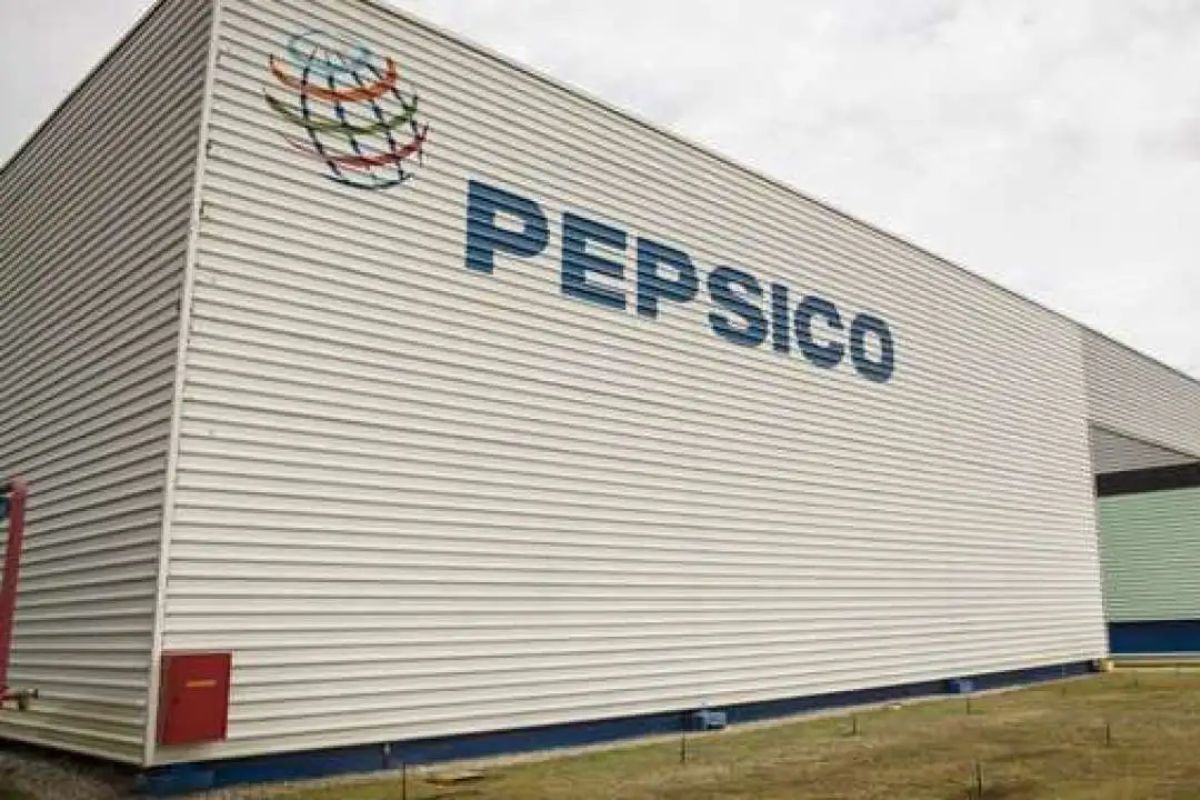
Membrane Bioreactors And Reverse Osmosis Are New Bets By PepsiCo For Industrial Effluent Treatment
Wishing to stand out in the sustainability sector and aiming for water conservation, the giant PepsiCo announced that it will begin employing innovative processes for industrial effluent treatment. These processes include the use of membrane bioreactors (MBR) and the reverse osmosis (RO) process at the facilities in Curitiba and Sete Lagoas, initially. The investment in these new technologies is the largest ever made in the company’s sustainability history in Brazil.
Due to limited water resources, the company has shown increasing concern with the use and reuse of water to contribute to the environment. After all, PepsiCo focuses on sustainability, following its global strategy, PepsiCo Positive. To understand this innovation better, continue reading.
Learn A Bit More About How Membrane Bioreactors Work In The Video Below
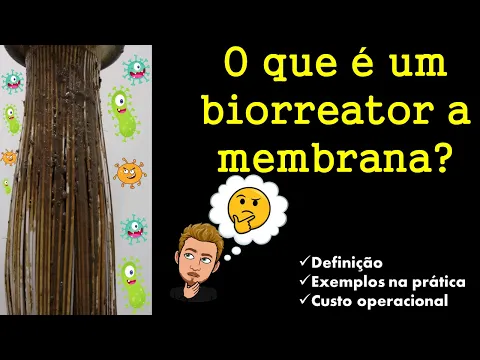

The Deployment Of New Effluent Treatment Stations By PepsiCo Will Involve Investment In Technologies Developed By Researchers And Historic Investment
PepsiCo has allocated a massive investment for the construction of new Industrial Effluent Treatment Stations (ETE) using new technologies patented by researchers. In this context, Reverse Osmosis (RO) and Membrane Bioreactors (MBR) promise to revolutionize water use in the served companies, with savings that can reach 70%.
-
Brazilian city gains industrial hub for 85 companies that is equivalent to 55 football fields.
-
Peugeot and Citroën factory in Argentina cuts production by half and opens a layoff program for more than 2,000 employees after Brazil drastically harmed purchases of Argentine vehicles.

-
A Brazilian city gains a factory worth R$ 300 million with the capacity to process 200 thousand tons of wheat per year, a mill of 660 tons per day, silos for 42 thousand tons, and an industrial area of 276 thousand m².
-
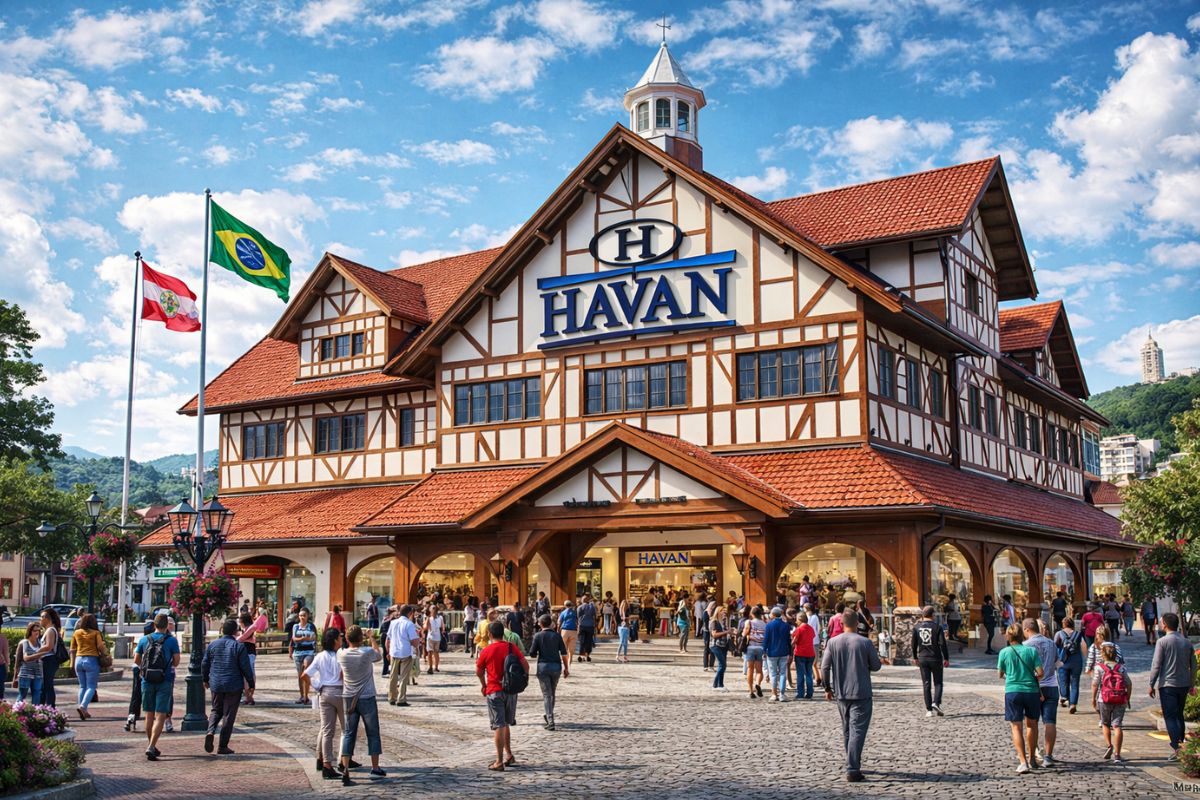
Havan will leave the shopping mall in Blumenau to inaugurate something the chain has never done before: a megastore in half-timbered style in the Historic Center of the city, which is expected to be ready in May and change the landscape of local retail.

The factories in Curitiba (PR) and Sete Lagoas (MG) will receive this sustainability innovation. However, at the Itu (SP) factory, the company already saves 18 million liters of water per month by using Membrane Bioreactors. The promise is that in Curitiba, the savings will reach the mark of 70% water savings.
After All, How Do Membrane Bioreactors And Reverse Osmosis Work?
Membrane Bioreactors and the Reverse Osmosis process used by PepsiCo involve a complex biological system that relies on anaerobic or aerobic heterotrophic bacteria for the natural degradation of pollutants. Subsequently, the result of this degradation is filtered through membranes in a process of ultrafiltration or microfiltration.
Thus, the organic matter present in the treatment of industrial effluents is completely degraded by a more natural and sustainable process. It is important to highlight that this process is regulated and follows all sanitary standards required by regulatory bodies. Furthermore, the water resulting from the process is rigorously analyzed to meet the required quality standards.
“The quality of the water resulting from our treatment process is superior to that required by Brazilian authorities, meaning it meets drinking water standards”
Bruno Guerreiro, Sustainability Manager at PepsiCo Brazil (2022)
At PepsiCo, Treated Water Will Be Directed To Secondary Processes Aiming For Sustainability
At the giant PepsiCo, the water that undergoes the innovative treatment will be reused in various simple and secondary processes within the company that do not require a high level of quality.
“One example is its use in the washing and transportation station for potatoes, used in the production of potato chips, among other cleaning uses in the factory”
Bruno Guerreiro, Sustainability Manager at PepsiCo Brazil (2022)
This system is already operational in five other factories in Central America and one in North America and has brought very promising results that make the investment even more optimistic. Looking at the scenario in Brazil, the deployment of Membrane Bioreactors and Reverse Osmosis at the Sete Lagoas (MG) and Curitiba (PR) plants of the company will bring a historic advancement in sustainability. The construction of the Industrial Effluent Treatment Stations is set to begin later this year and be completed in 2023.






Seja o primeiro a reagir!