





 Português
  Inglês
  Espanhol
  3 min de leitura
  0 comentários


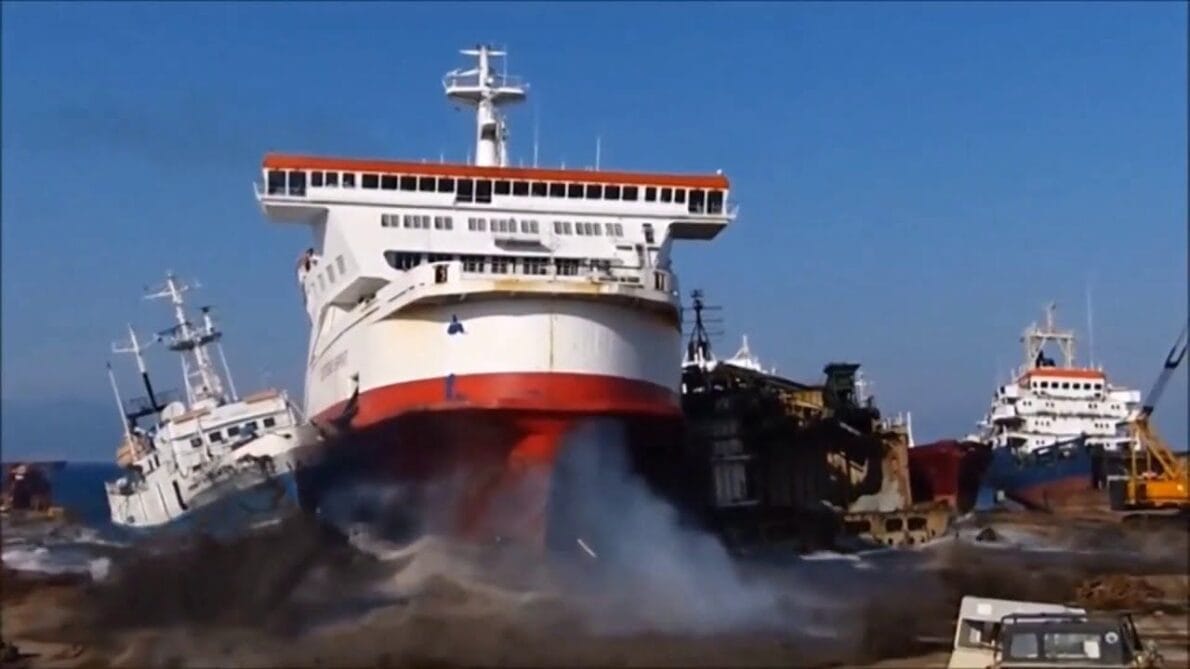
The Ship Graveyards Are Places Where Decommissioned Vessels Are Dismantled and Recycled. This Process, Despite Being Profitable, Presents Environmental and Safety Challenges. Understand How Ships Are Destroyed and the Impact of That on the Environment.
Ship breaking yards, known as ship graveyards, are where vessels that have reached the end of their useful life are dismantled and sold as scrap. These locations generate millions of dollars in profit per vessel, but they also bring various environmental and safety issues.
One of the largest ship graveyards in the world is the Aliaga Ship Recycling Yard in Turkey, where many ships are dismantled annually, especially after the COVID-19 pandemic, which led to the early decommissioning of many cruises.
Dismantling Begins in the Cabins, Goes Through the Recreation Areas, and Ends with the Removal of Walls, Windows, and Floors
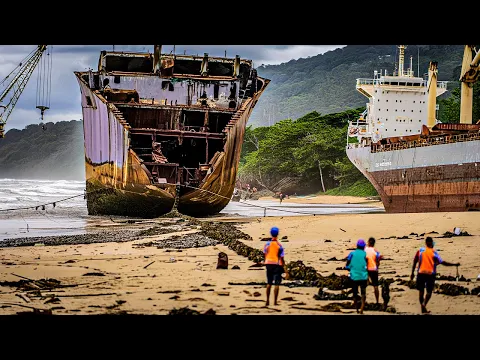

When a ship arrives at the Aliaga Ship Breaking Yard, the captain guides the vessel to dock. Once docked, the team inspects the condition of the ship and plans the dismantling. This process can take six months to a year, depending on the type of ship.
-
Historic bankruptcy of Centauro shocks the market, and the century-old company puts more than 500,000 products, machines, and complete infrastructure up for online auction.

-
New shoe factory in Ceará is expected to create 400 jobs and strengthen the local economy.
-
No one imagined it, but a mixture of sawdust with a mineral that fights fires surprises scientists with a result that changes the course of fire-resistant construction.

-
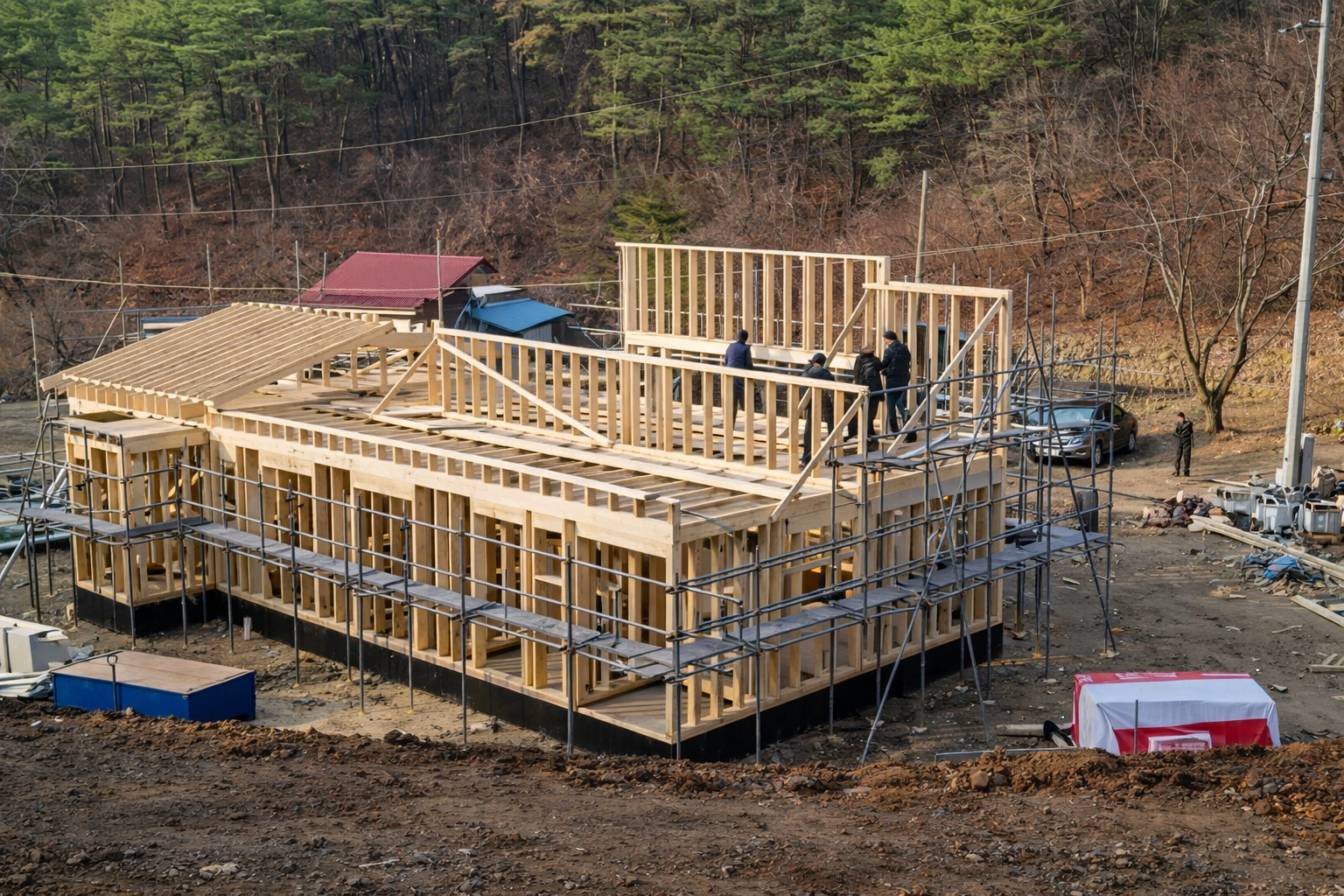
From empty land to a high-end house, wooden construction uses a lightweight system, metal structure for the foundation, ventilated ceramic cladding, and special windows to create an efficient and comfortable living space throughout the year.

Dismantling begins in the cabins, goes through the recreation areas, and ends with the removal of walls, windows, and floors. Heavy equipment, such as cranes, is used to move parts of the ship, which can weigh up to 2,000 tons.
Aliaga Recyles About 1 Million Tons of Metal Per Year
Ships contain toxic materials such as asbestos and hazardous paints. To prevent contamination, Aliaga has a centralized waste disposal system. This system ensures that hazardous materials are treated and disposed of safely, protecting the environment.
After dismantling, the internal components of the ships are recycled and sold to various sectors, while the metal parts are sent to metal recycling plants. Aliaga recycles about 1 million tons of metal per year, generating approximately 4 million dollars per ship.
Working in Ship Graveyards Is Dangerous
Working in ship graveyards is dangerous. According to the International Labor Organization, workers face a high risk of accidents and exposure to toxic substances. Despite high wages, working conditions are tough.
The largest ship graveyard in the world is in Alang, India, where the dismantling process is similar to that of Aliaga, but with less environmental protection and safety for workers. Most tasks are done manually, exposing workers to even greater risks.
Lack of Specific Legislation for Ship Dismantling Results in Abandoned Ships Along the Coast
In Brazil, the lack of specific legislation for ship dismantling results in abandoned ships along the coast. In 2022, the incident involving the cargo ship São Luiz, which collided with the Rio-Niterói Bridge, highlighted the urgent need for regulation. Currently, there are 51 abandoned vessels in Guanabara Bay, posing environmental and public health risks.
Ship graveyards are essential for the recycling of decommissioned vessels, but they present serious environmental and safety challenges. Locations like Aliaga and Alang highlight the importance of safe and regulated practices in ship dismantling. Brazil needs to advance in creating specific legislation to avoid problems like the abandoned ships in Guanabara Bay and ensure safe and sustainable dismantling.








Seja o primeiro a reagir!