





 Português
  Inglês
  Espanhol
  3 min de leitura
  0 comentários


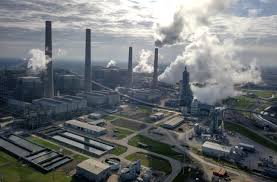
Federal Government Invests in Liquefied Natural Gas to Modernize Industry, Facing Infrastructure and Management Challenges
Liquefied Natural Gas (LNG) is emerging as a crucial vector in the global energy transition, promising energy efficiency, enhanced security, and a significant reduction in pollutant emissions. During a recent conference, the Minister of Mines and Energy, Alexandre Silveira, expressed the government’s commitment to expanding the LNG market, announcing the creation of a specialized committee to oversee and regulate the sector. This measure, according to Silveira, could reduce natural gas costs by 25% in the country, a significant step toward strengthening the green economy.
Internationally, the LNG landscape is also changing, with a 4.3% increase in global gas liquefaction capacity from 2022 to 2023, according to the latest report from the International Gas Union (IGU). However, giants like China and India are reducing their imports, opting to bolster domestic production.
The LNG Landscape in Brazil
In Brazil, the import of natural gas from Bolivia dropped by about 15% in 2023, reflecting a gradual adaptation to new dynamics in the energy market. LNG plays a vital role in various industries, such as metallurgy, glass production, ceramics, and cement, leveraging its high calorific value. In addition, it is an essential raw material in the chemical industry and fertilizer production, and serves as energy support for thermoelectric plants, especially during peak consumption.
-
Offshore industrial demand in Macaé skyrockets with the recovery of oil and gas and could grow by up to 396% by 2026 in the Campos Basin.
-
Offshore industrial demand in Macaé surges with the recovery of oil and gas and could grow by up to 396% by 2026 in the Campos Basin.
-
Brazilian giant expands borders in the Southeast: Petrobras confirms new oil discovery in ultra-deep waters in the pre-salt of the Campos Basin.

-
Alert in the global energy market: Severe tropical cyclone hits the coast and disrupts gas production at major plants in Australia, threatening global supply.


However, as pointed out by André Ribeiro Chaves, Vice President of Falconi for Base Industry and Infrastructure, despite the sustainability potential of LNG, there is an urgent need for adaptation by the industrial sector and state governments to absorb this new demand. He emphasizes that the Brazilian market, while aligned with global trends, still faces significant infrastructure challenges for gas distribution.
Strategies to Overcome Obstacles
Among the strategies to advance in the natural gas market are the development of public policies for incentives, improved regulation for transportation and storage, and cost reduction associated with the flow and processing of LNG. In addition, it is essential for companies to review their internal processes to increase productivity and efficiency, setting clear goals for the future.
Overcoming political, economic, social, and governance challenges will be key to the progress of the LNG market in Brazil, requiring a collaborative approach among governments, companies, and civil society. According to Chaves, the proposed changes can not only drive the economy but also guide efforts for the decarbonization of the Brazilian industry.
In summary, Liquefied Natural Gas has a transformative role for the national industry, promising a more sustainable and economically viable future. Government initiatives and the response from the industrial sector will be crucial to ensure that Brazil fully capitalizes on the opportunities presented by LNG in the new energy era.
Source: Matheus Briet.










Seja o primeiro a reagir!