





 Portuguese
  English
  Spanish
  5 min of reading
  0 comments


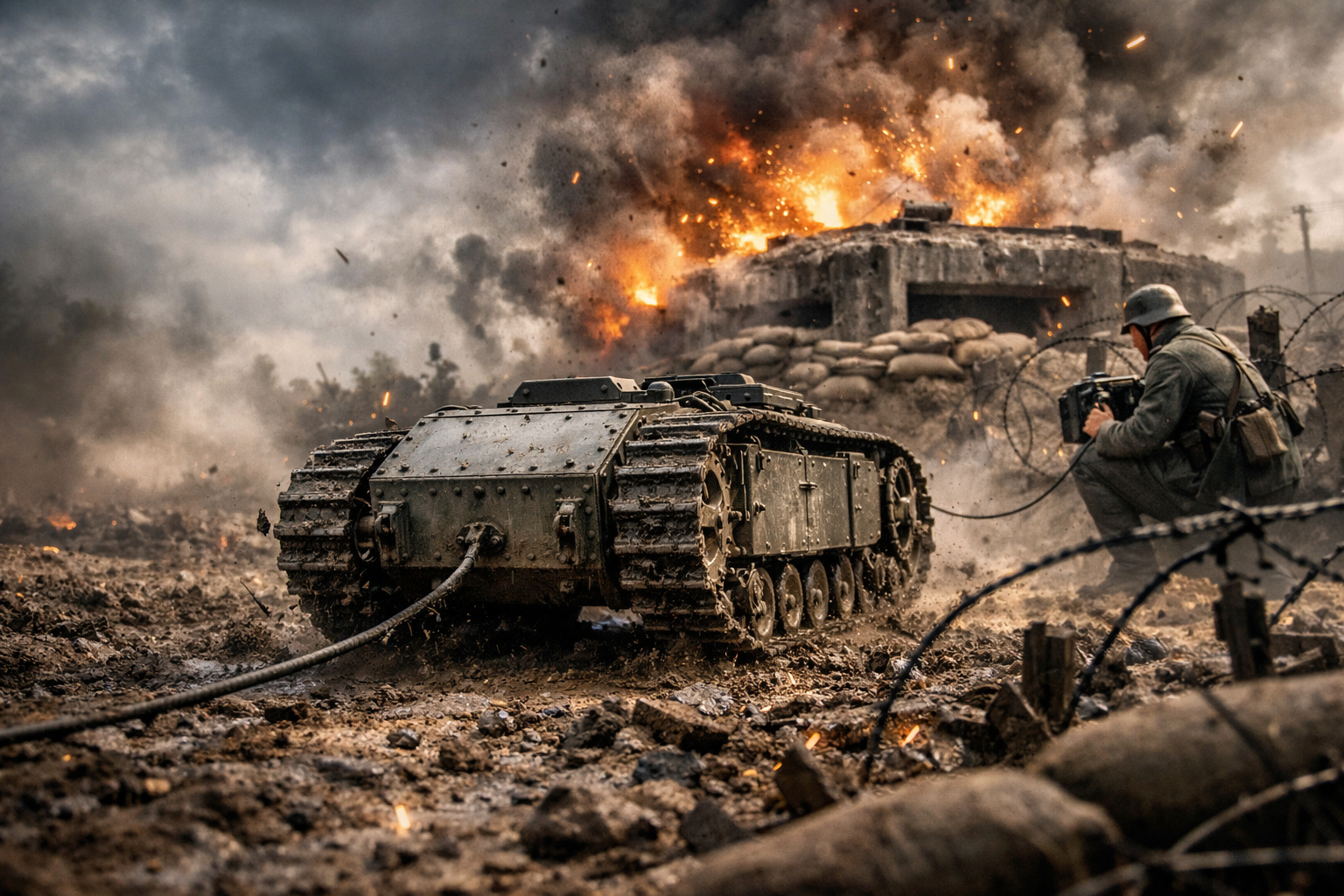
With about 370 kg and controlled by electric cable, the German Goliath of World War II was one of the first unmanned military vehicles, used to destroy tanks, bunkers, and bridges by remote control.
Long before the existence of military drones and modern combat robots, German engineers were already experimenting with ideas that today seem incredibly futuristic. During World War II, Nazi Germany developed a small remote-controlled vehicle capable of delivering explosives directly to enemy positions. This vehicle became known as Goliath, officially designated as Sd.Kfz. 302 and later Sd.Kfz. 303. Although it seemed simple compared to modern systems, it represented an extremely advanced concept for its time: a unmanned ground vehicle designed to attack enemy targets without putting soldiers directly at risk.
The Goliath essentially functioned as a small mobile mine. Loaded with explosives and remotely controlled by an operator, it could advance toward fortifications, tanks, or bridges and detonate on command, causing great destruction.
The Origin of the Project and the Context of the War
The development of the Goliath began in the early 1940s, when Germany sought new ways to overcome fortified defensive positions. During the military campaigns of World War II, many battles were fought against bunkers, trenches, and fortified obstacles that were difficult to destroy with conventional weapons.
-
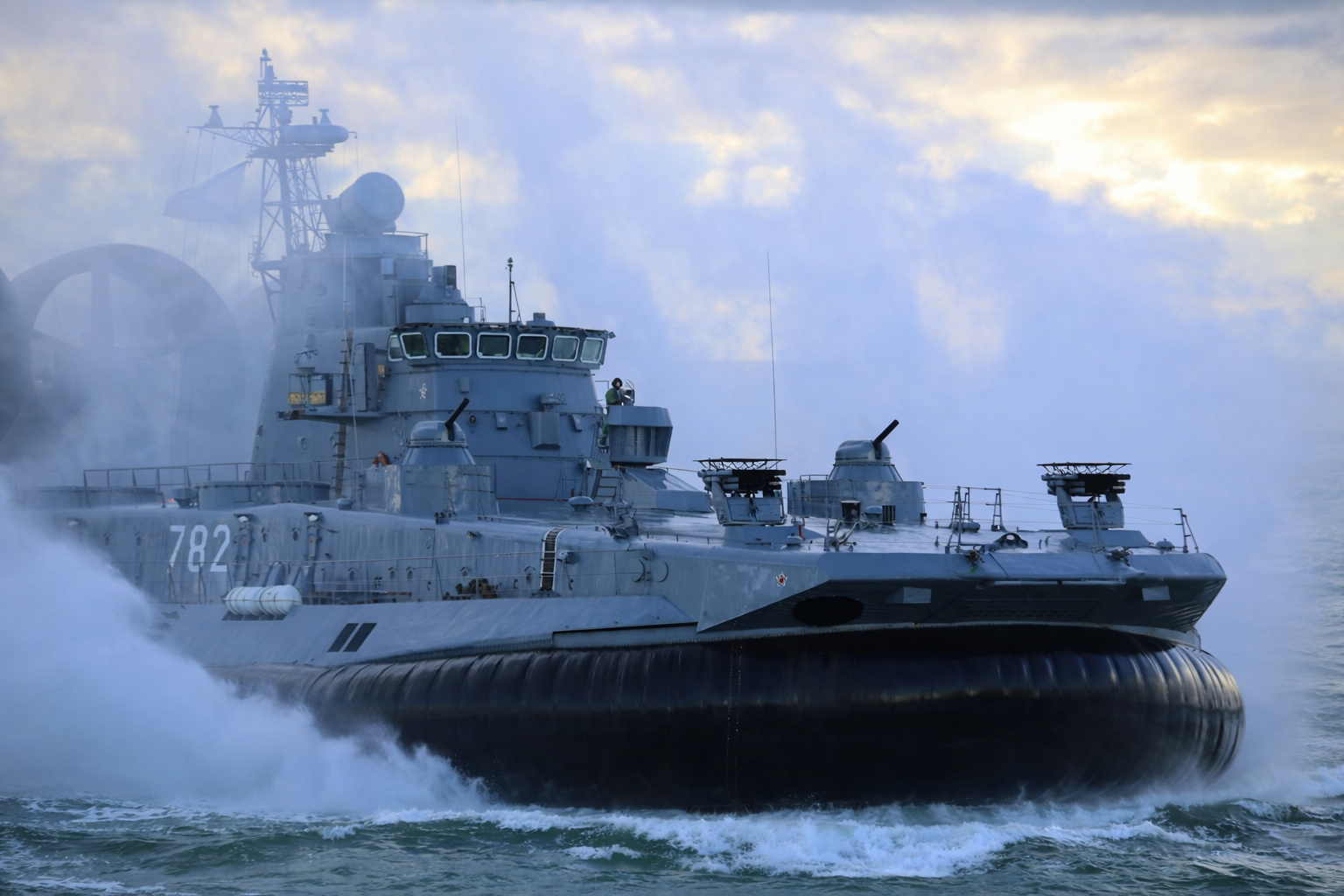
Classified as a “amphibious monster” weighing 555 tons, 57 meters long, and featuring three propellers with a diameter of 5.5 meters, the Zubr is the largest military hovercraft ever built, capable of transporting 3 tanks or 500 soldiers at speeds exceeding 100 km/h over water, ice, and sand, and China has resumed production of it to project power in the South China Sea.
-
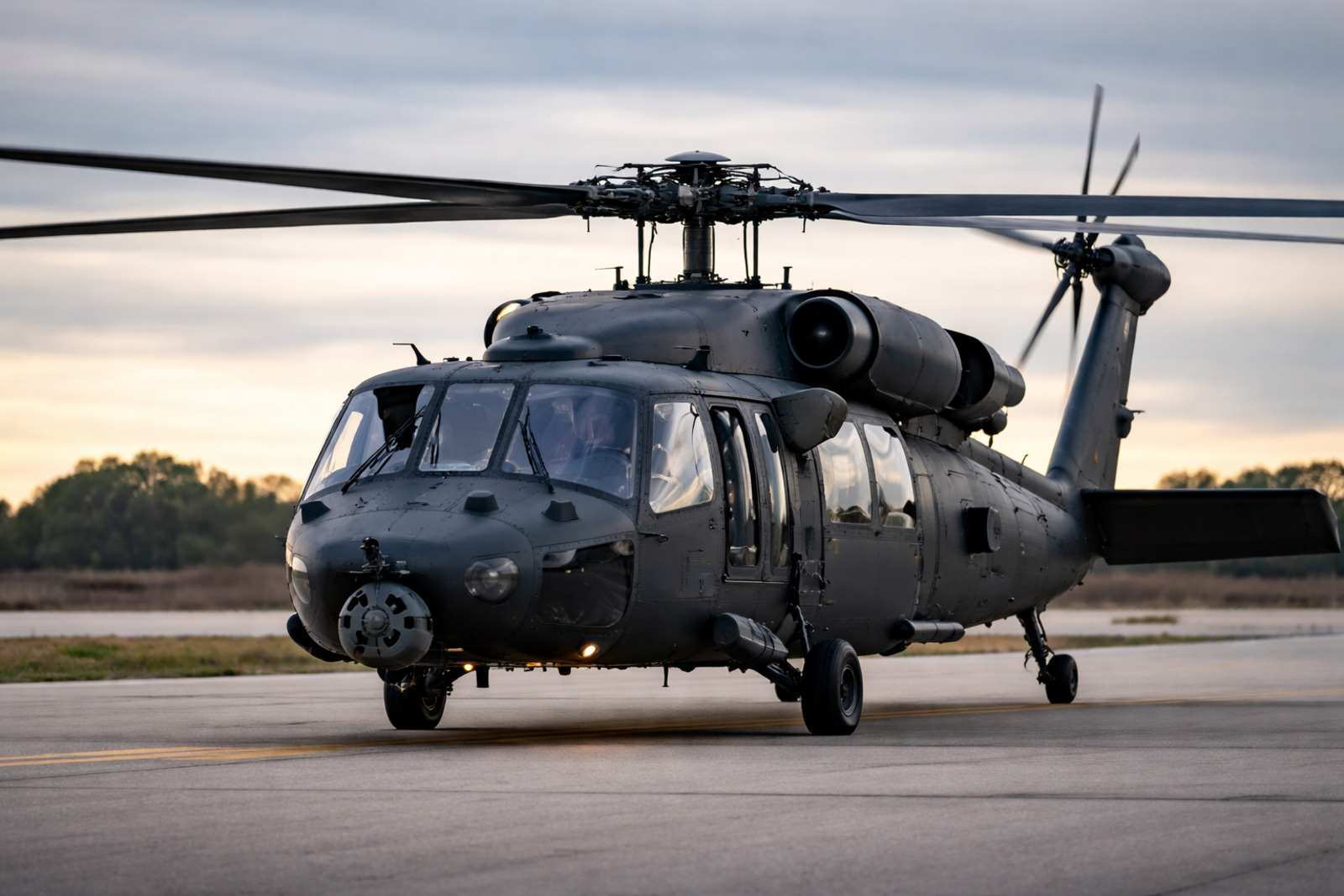
The U.S. Army receives the first Black Hawk helicopter that can fly without pilots, be controlled by a tablet, and even land on its own during high-risk missions.
-
With 11,000 tons and sensors capable of hunting submarines at long distances, the Type 055 has become one of the most feared floating arsenals of the Chinese navy.

-
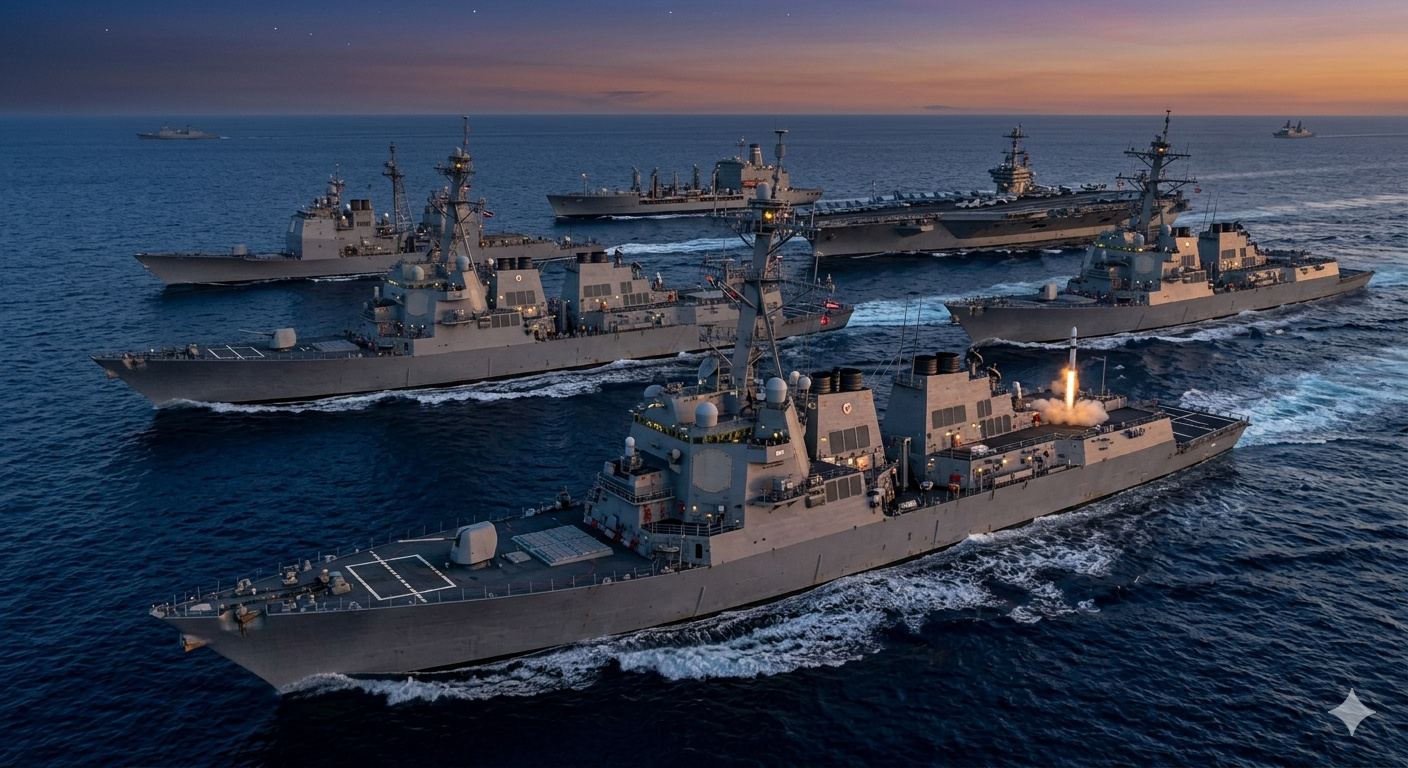
With over 15,000 tons, radars capable of tracking hundreds of targets simultaneously, and more than 120 missiles ready for launch in seconds, modern destroyers cease to be escorts and begin to dominate the naval battlefield.

The idea of a remotely controlled explosive vehicle emerged as a solution to this problem. Instead of sending soldiers to manually place explosives, the army could use a small vehicle loaded with explosives to perform the task.
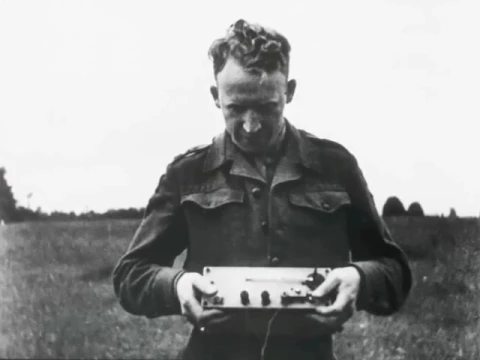

The initial inspiration came from a French prototype captured by the Germans after the invasion of France in 1940. This experimental equipment caught the attention of German engineers, who decided to develop a much more robust version capable of operating in various combat scenarios.
How the Goliath Worked
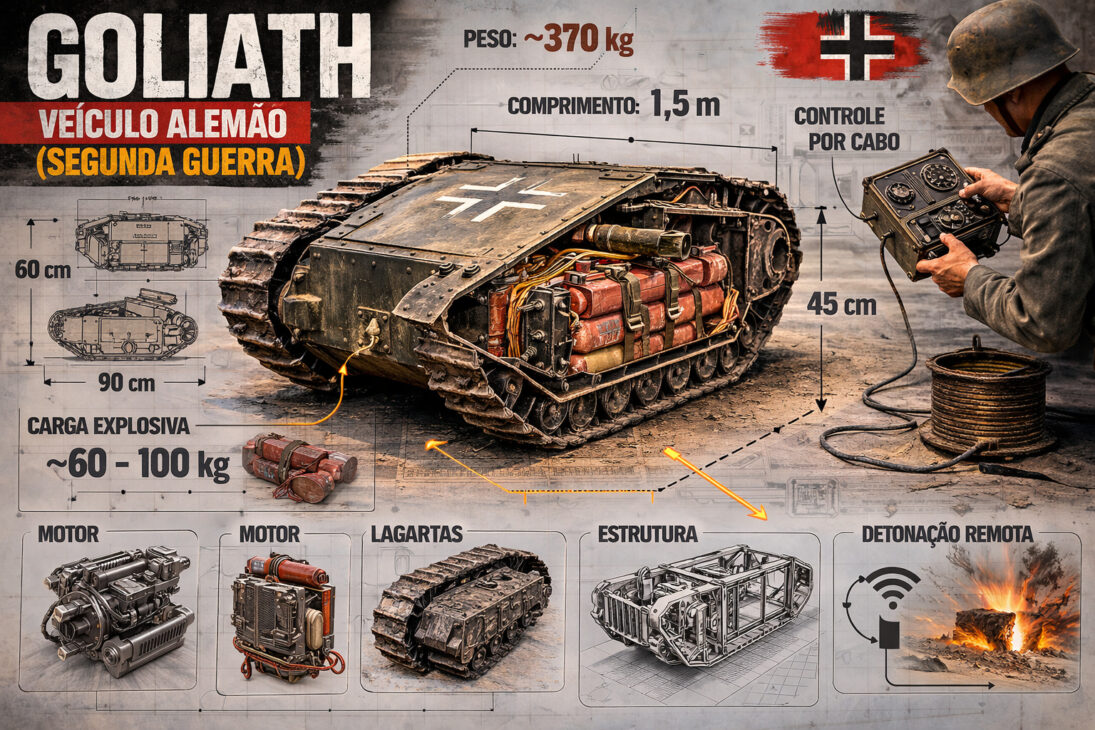
The Goliath was an extremely small vehicle compared to tanks or conventional armored vehicles. Its design resembled a small tracked robot, with a low profile and compact structure. The operation of the system was relatively simple, yet ingenious for its time. The operator controlled the vehicle through an electric cable connected to a manual control similar to a joystick.
This cable transmitted commands that allowed:
- to move forward
- to move backward
- to turn left
- to turn right
When the vehicle reached the target, the operator activated the detonator, causing the explosion of the transported payload.
This technology transformed the Goliath into a kind of guided ground bomb, capable of hitting specific targets without the need for a pilot inside the vehicle.
Weight, Explosives and Capacity for Destruction
Despite its relatively small size, the Goliath had significant destructive capacity. The two main versions of the vehicle had slightly different characteristics.
The Sd.Kfz. 302, the first version produced, weighed about 370 kg and carried approximately 60 kg of explosives.
The later version, the Sd.Kfz. 303, was redesigned to be more robust and cheaper to manufacture. This model could carry about 75 kg of explosives, increasing the vehicle’s destructive potential.
This payload was sufficient to:
- destroy bunkers
- damage tanks
- demolish bridges
- destroy barricades and obstacles
When detonating near the target, the explosion could cause considerable damage to military structures.
Control by Electric Cable
One of the most curious features of the Goliath was its control system. The vehicle was connected to the operator by a three-wire cable that could reach about 650 meters in length.
This cable transmitted electrical signals that controlled the movement of the tracks and the detonation of the explosive.
Although ingenious, this system also had some significant limitations. The cable could be easily damaged by:
- gunfire
- shrapnel
- terrain obstacles
If the cable were cut, the operator would completely lose control of the vehicle. Even so, for its time, the system represented a fairly advanced form of military remote control.
One of the First Unmanned Military Vehicles
Today, the concept of military drones is widely known. Unmanned aerial and ground vehicles are used in various modern operations.
However, during the 1940s, the idea of a remotely controlled military vehicle was extremely innovative.
The Goliath is often cited by military historians as one of the first unmanned combat vehicles used in actual warfare.
Although its technology was rudimentary compared to current standards, it anticipated concepts that are now common in military robotic systems.
Mass Production During the War
Between 1942 and 1945, Germany produced thousands of units of the Goliath.
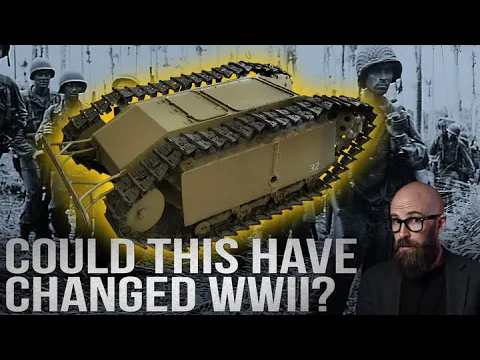
Historical estimates indicate that more than 7,000 vehicles were manufactured during the conflict. Despite this relatively high number, the Goliath never became a decisive weapon on the battlefield.
Diverse factors limited its effectiveness. Among them were:
- low speed
- vulnerability to enemy gunfire
- dependence on the control cable
- difficulties in crossing very uneven terrain
Still, it was used in various combat fronts.
Use in Battles of World War II
The Goliath was employed in several military operations during the war. Among the scenarios where it appeared were:
- battles on the Eastern Front
- urban combat in European cities
- German defensive operations towards the end of the war
In some situations, the vehicle was used to attempt to destroy enemy tanks or clear paths through minefields. It was also used to attack fortifications and defensive positions.
Despite these applications, the results varied widely, and the equipment never achieved the impact that German strategists expected.
Technical Limitations and Vulnerabilities
Despite being innovative, the Goliath presented several practical limitations. Its speed was relatively low, generally under 10 km/h, which made it easy to destroy before reaching the target.
Additionally, the vehicle had minimal armor, making it vulnerable even to light weapons. Another issue was the control cable. Any damage to this cable interrupted the system’s operation and rendered the vehicle useless on the battlefield.
These factors caused many Goliaths to be destroyed before fulfilling their mission.
A Precursor of Modern Military Drones
Even with its limitations, the Goliath represents an important milestone in the history of military technology. It demonstrated that it was possible to use unmanned vehicles to carry out dangerous missions on the battlefield.
Today, aerial drones and ground robots are used for:
- reconnaissance
- bomb disposal
- transportation of equipment
- military attacks
Although separated by decades of technological advancement, these systems share a fundamental principle that was already present in the Goliath: the use of remotely controlled machines to reduce human risks in military operations.
For this reason, the small German explosive vehicle continues to be remembered as one of the first steps in the long evolution of military robotics.









-

-

2 pessoas reagiram a isso.