





 Português
  Inglês
  Espanhol
  6 min de leitura
  0 comentários


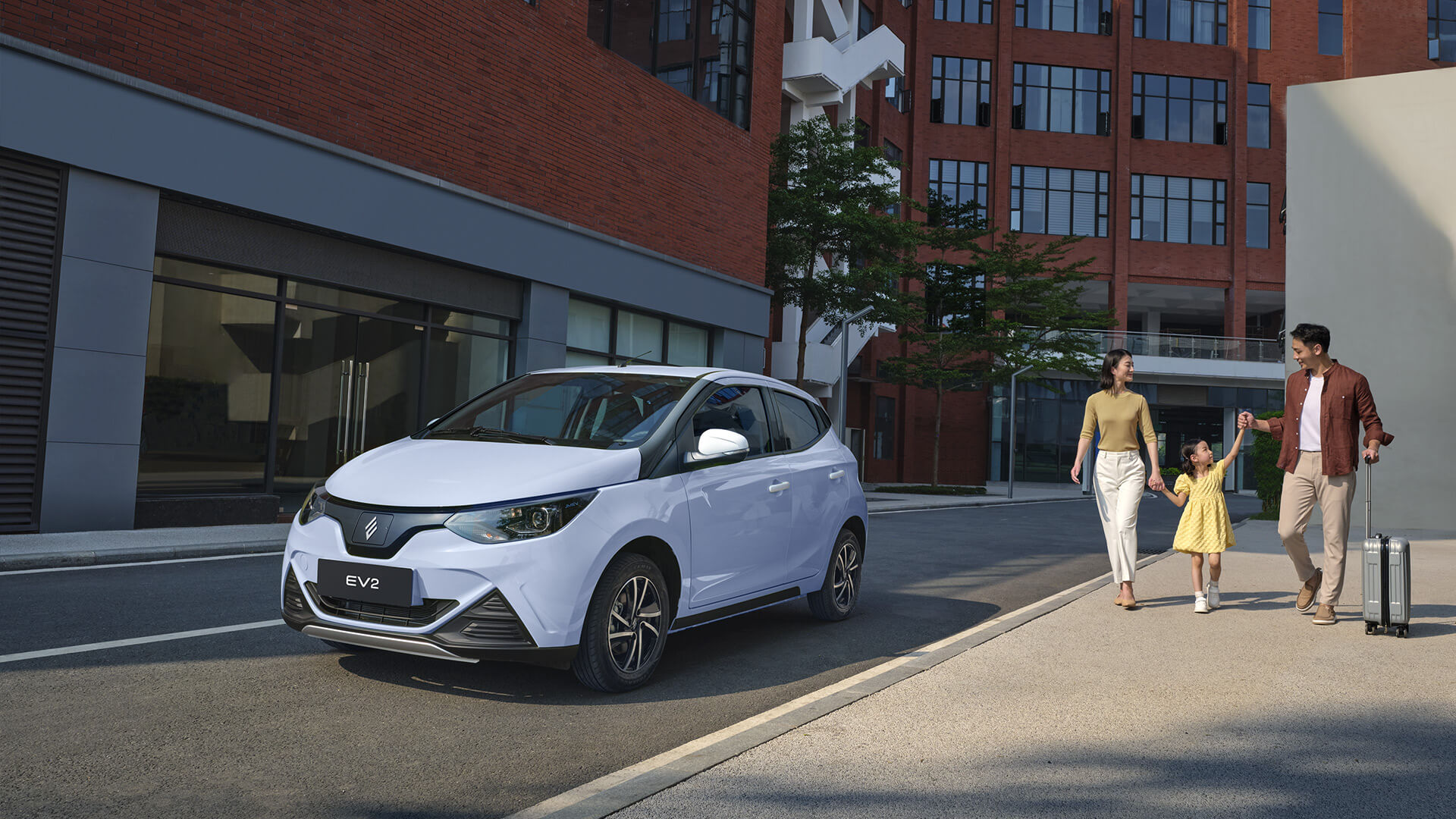
Electric car for less than R$ 70 thousand begins to be sold in Brazil with 200 km of autonomy and promises to reduce costs with fuel and maintenance.
In 2025, the Brazilian automotive market began to register the arrival of a new type of vehicle that could change the concept of popular cars in the country. The model JMEV EV2, developed by the Chinese automaker Jiangxi Jiangling Group New Energy Vehicle, started to be sold in Brazil through the company E-Motors Brasil, with sales beginning in the city of Pedro Leopoldo, Minas Gerais. According to information released by the Brazilian operation itself, the model arrives with a promotional starting price of R$ 69,990, positioning itself among the most affordable electric vehicles available in the country. The most impactful data is that the car offers about 200 km of autonomy with an estimated charging cost much lower than that of combustion vehicles, opening up space for a new logic of urban mobility based on operational economy.
This movement occurs at a time when fuel costs continue to pressure drivers’ budgets, especially those who rely on their vehicles daily for work.
Compact dimensions reinforce the urban proposal of the JMEV EV2
The JMEV EV2 was designed as an urban vehicle, with reduced dimensions compared to traditional popular cars.
-
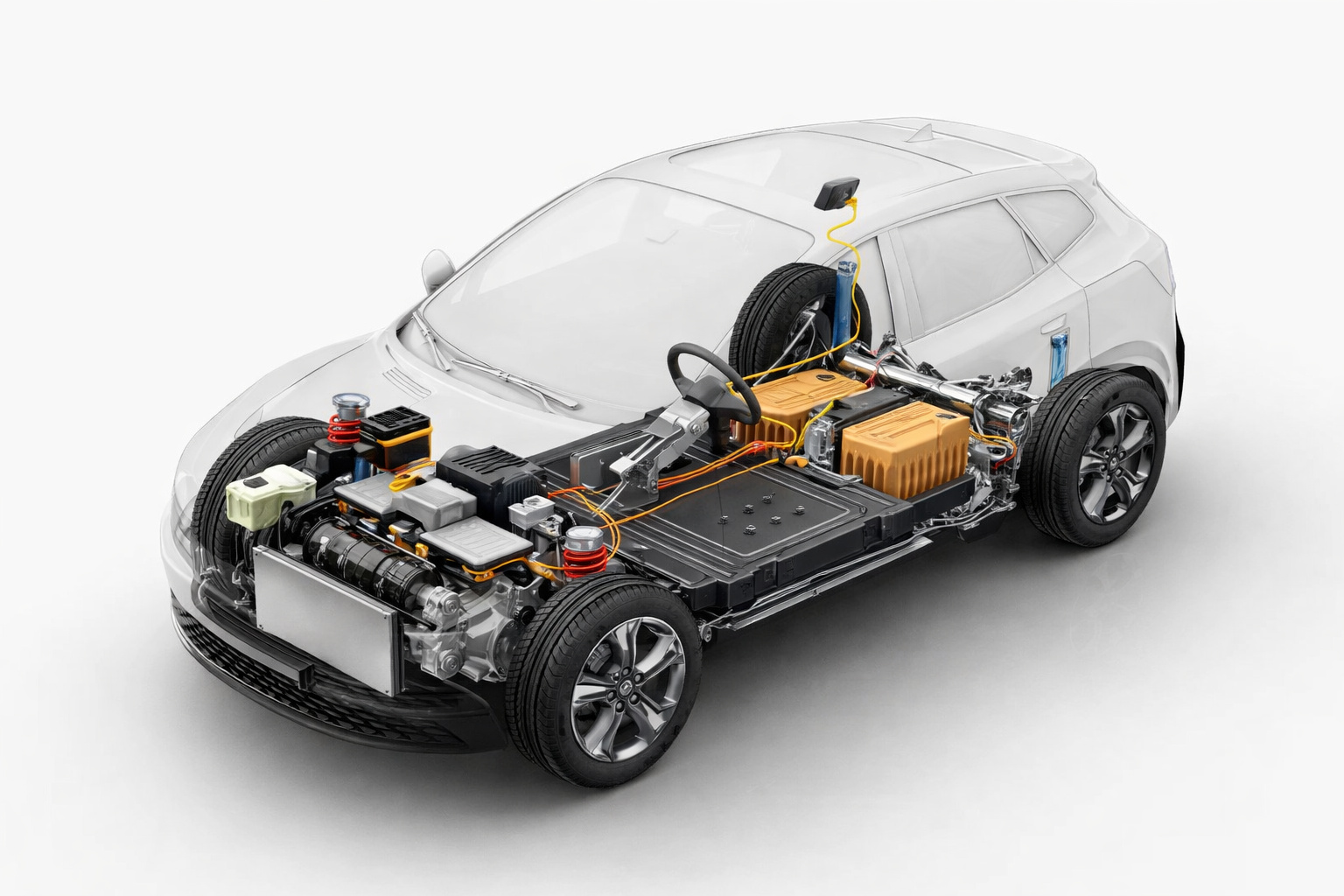
China Surprises Automotive Industry With Battery That Promises Electric Car Able to Run Up to 1,000 km Without Recharge
-
Why BYD Grew So Fast in Brazil and How Blade Batteries, Electric Cars, and Industrial Incentives Shaped This Expansion in the National Automotive Sector
-
Electric Cars Make Progress in Brazil in 2026 and Promise to Reduce Drivers’ Costs with Cheaper Energy, While Infrastructure Grows Slowly Across the Country

-
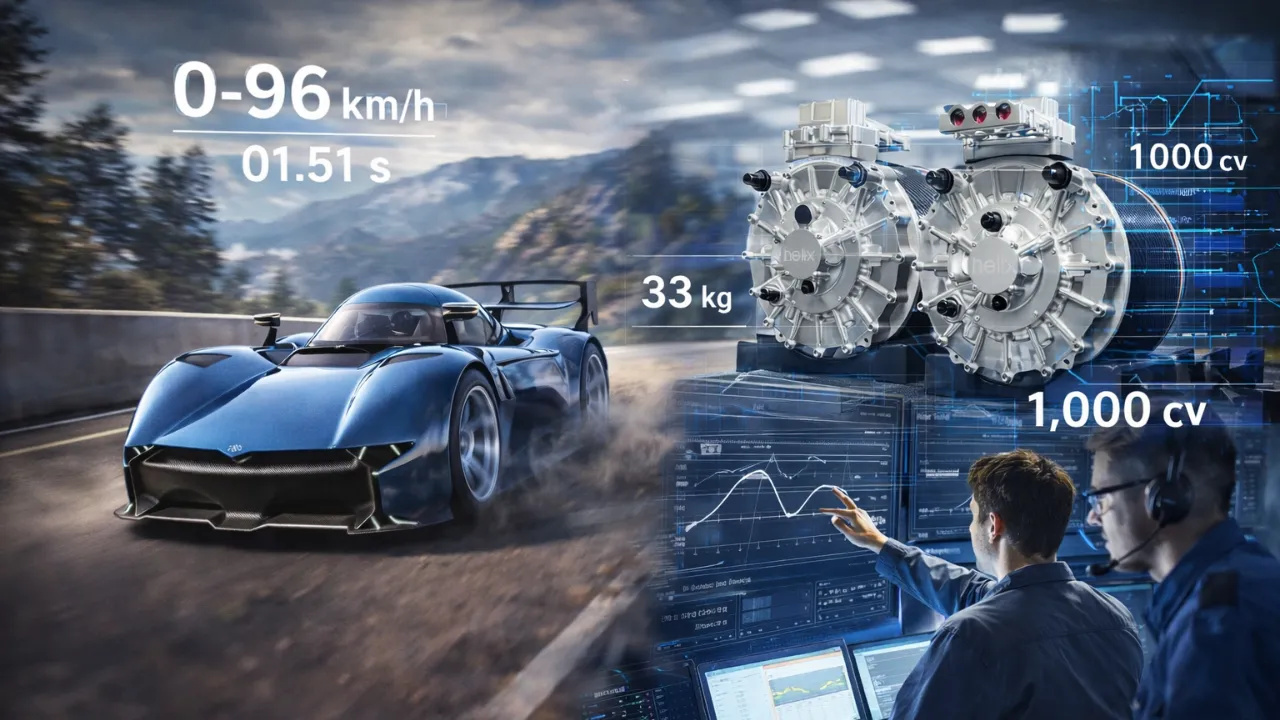
This Helix Electric Motor Weighs Only 33 Kg and Turns the McMurtry Spéirling Into a Compact 1,000 Hp Missile That Takes Just 1.5 Seconds to Reach 100 Km/H

The model is about 3.50 meters long and 2.30 meters between axles, which places it below combustion models like the Fiat Mobi in terms of size.
This compact configuration facilitates:
- circulation in congested roads
- parking in urban areas
- use in short and repetitive trips
This proposal reinforces the positioning of the EV2 as a vehicle aimed at daily commuting within cities, where autonomy and practicality are more relevant than performance on highways.
Despite its reduced size, the model has four seats, which enhances its versatility for everyday use.
Versions, equipment, and low-cost proposal
The EV2 arrives in the Brazilian market in two versions with specific differences in equipment. The entry-level version, called EV2 Standard, starts at R$ 69,990 and includes basic items such as parking sensors, 14-inch wheels, conventional radio, and automatic transmission.

The EV2 Comfort version, priced at R$ 75,990, adds a multimedia center with a screen of approximately 10 inches and a rearview camera.
Inside, the model follows a simplified proposal, focusing on cost reduction:
- digital cluster on LCD screen
- digital air conditioning
- power windows on all four doors
- basic connectivity via Bluetooth
The absence of more advanced systems, such as Android Auto and Apple CarPlay, highlights the strategy of keeping the vehicle accessible, prioritizing functionality over technological sophistication.
Electric motor and performance equivalent to 1.0 cars
The mechanical set of the JMEV EV2 is simple but suitable for the urban use it proposes. The model uses an electric motor with about 40 horsepower, powered by a battery of approximately 17 kWh.


This set allows for an average autonomy of about 200 km, sufficient for most daily commuting in urban areas.
The performance is comparable to that of 1.0 vehicles, with the advantage of immediate torque delivery characteristic of electric motors, which improves response in starts and urban traffic. The maximum speed is around 100 km/h, reinforcing the model’s focus on urban use.
Charging time and simplicity in infrastructure
One of the relevant points of the EV2 is the simplicity of the charging process. The model can be charged at a common 220V grounded outlet, using the portable charger that comes with the vehicle.
The estimated time for a full charge is approximately 8 hours, allowing for overnight charging. The absence of the need to install a wallbox reduces the entry cost for the consumer, facilitating the adoption of the vehicle.
This feature is especially important in regions where charging infrastructure is still limited.
Savings on fuel can exceed R$ 3 thousand per month
One of the main arguments in favor of the EV2 is operational savings. Based on the data released, a full charge costs about R$ 20 and allows for approximately 200 km of travel.

In comparison, a 1.0 combustion car can consume about 20 liters of gasoline to cover the same distance. Considering the average price of gasoline at around R$ 6 per liter, the cost would be approximately R$ 120 per day.
In this scenario, daily savings can reach R$ 100, which represents up to R$ 3 thousand per month just in fuel for those who use the car intensively, such as app drivers. This difference in operational cost is one of the factors driving interest in electric vehicles.
Reduction in maintenance reinforces economic advantage
In addition to energy costs, the EV2 also presents advantages in maintenance. By not having components typical of combustion engines, the model eliminates the need for:
- oil changes
- belt replacements
- clutch maintenance
- gear adjustments
This mechanical simplification significantly reduces maintenance costs over time, increasing the predictability of expenses for the owner. The warranty of eight years for the battery also contributes to the security of the investment.
Entry strategy in Brazil and planned expansion
The commercialization of the EV2 in Brazil begins regionally, with initial operation in Pedro Leopoldo, through the partner Lulute Veículos.
National distribution will be based on delivery logistics, allowing the model to reach other regions even without a wide network of dealerships.
The strategy includes the gradual expansion of after-sales, with accreditation of workshops and creation of stock of parts for national service. This entry model reduces initial costs and allows for testing market acceptance.
The impact on the concept of popular car in Brazil
The arrival of an electric vehicle in this price range raises discussions about the future of the popular car in Brazil. Traditionally, this segment has been dominated by low-cost combustion vehicles, with simple engines and a focus on economy.
However, the rising price of fuels and the evolution of electric technology create a new scenario. The EV2 emerges as an alternative that shifts the concept of economy from the moment of purchase to the total cost of use, considering fuel, maintenance, and durability.
This change may influence consumer behavior in the coming years. Despite the advantages, the EV2 also presents limitations that must be considered.
Among the main points are:
- limited autonomy for long trips
- absence of fast charging
- assistance network still expanding
- simple finishing
These factors indicate that the model is more suitable for urban use and may not meet all the needs of those seeking a multifunctional vehicle. Additionally, market acceptance will depend on trust in the brand and support structure.
A new path for urban mobility
The arrival of the JMEV EV2 in Brazil represents an important step in the democratization of electric vehicles in the country.
With an initial price below R$ 70 thousand, adequate autonomy for urban use, and reduced operational costs, the model presents a proposal that may attract consumers seeking savings in their daily lives.
By combining low usage costs, simplified maintenance, and an urban proposal, the EV2 signals a possible change in the concept of popular cars, adapting it to a reality increasingly focused on electrification.
This movement indicates that the Brazilian market may be entering a new phase, where the total cost of mobility becomes as relevant as the acquisition price.










Seja o primeiro a reagir!