





 English
  Francês
  Alemão
  Italiano
  Japonês
  Norueguês
  Portuguese
  Spanish
  5 min of reading
  0 comments


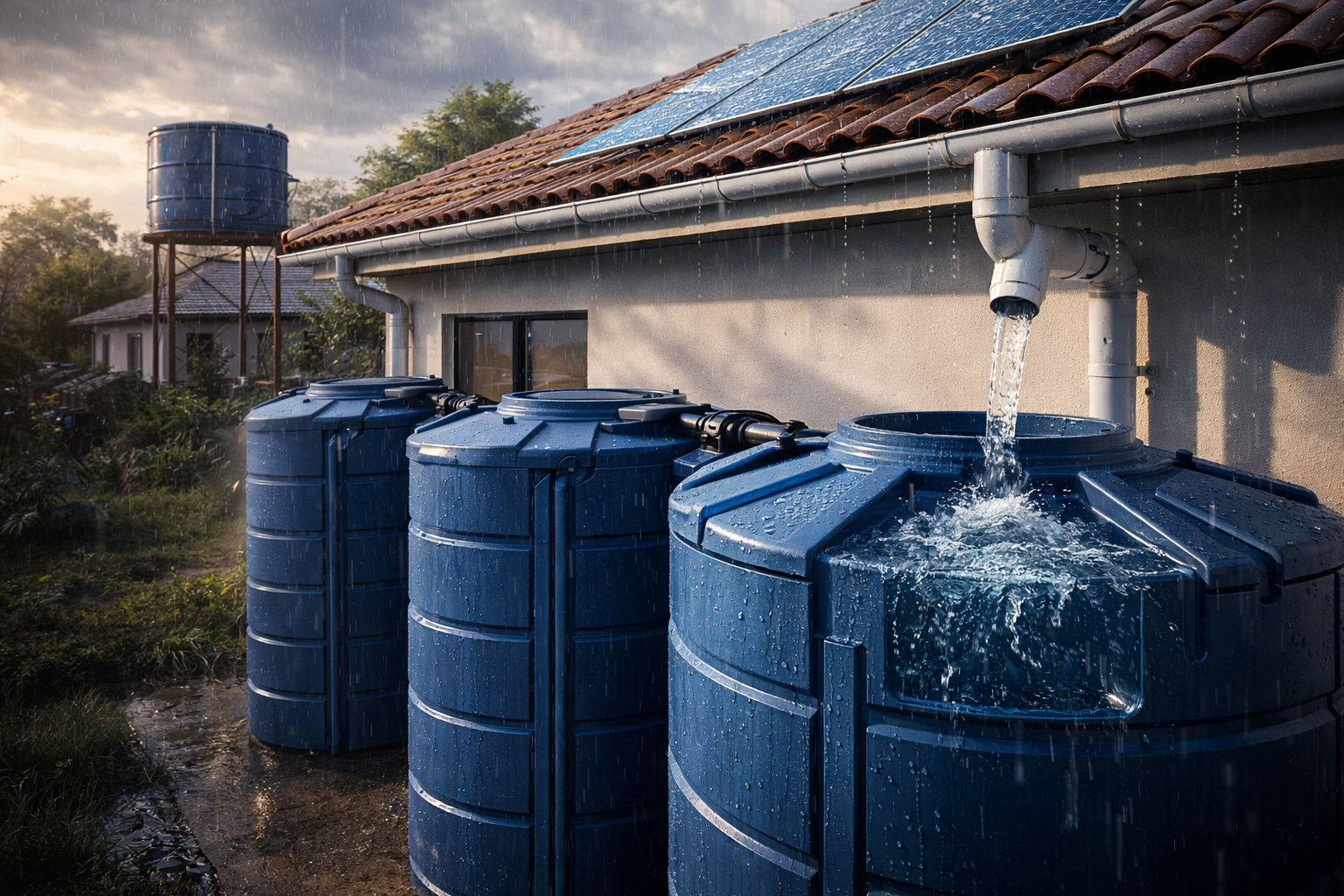
Low-cost modular cisterns gain space in Brazil by capturing rainwater, reducing bills, and offering an efficient alternative to traditional water tanks.
In 2024, the use of alternative water storage systems gained traction in Brazil, driven by rising tariffs and irregular supply in various regions. According to reporting from Agência Brasil, public programs and local initiatives expanded the adoption of rainwater harvesting technologies, with the expansion of thousands of cisterns aimed at consumption and food production. Among these solutions, low-cost modular cisterns stood out for offering a more accessible and scalable model compared to traditional water tanks.
The movement did not arise by chance. It reflects a practical change in household behavior in response to a recurring problem: paying more for an increasingly unstable resource.
What are modular cisterns and why are they replacing water tanks
Modular cisterns are water storage systems made up of independent reservoirs that can be connected to each other. Unlike traditional water tanks, which require fixed installation and elevated structures, these cisterns can be installed at ground level and expanded as needed.
-
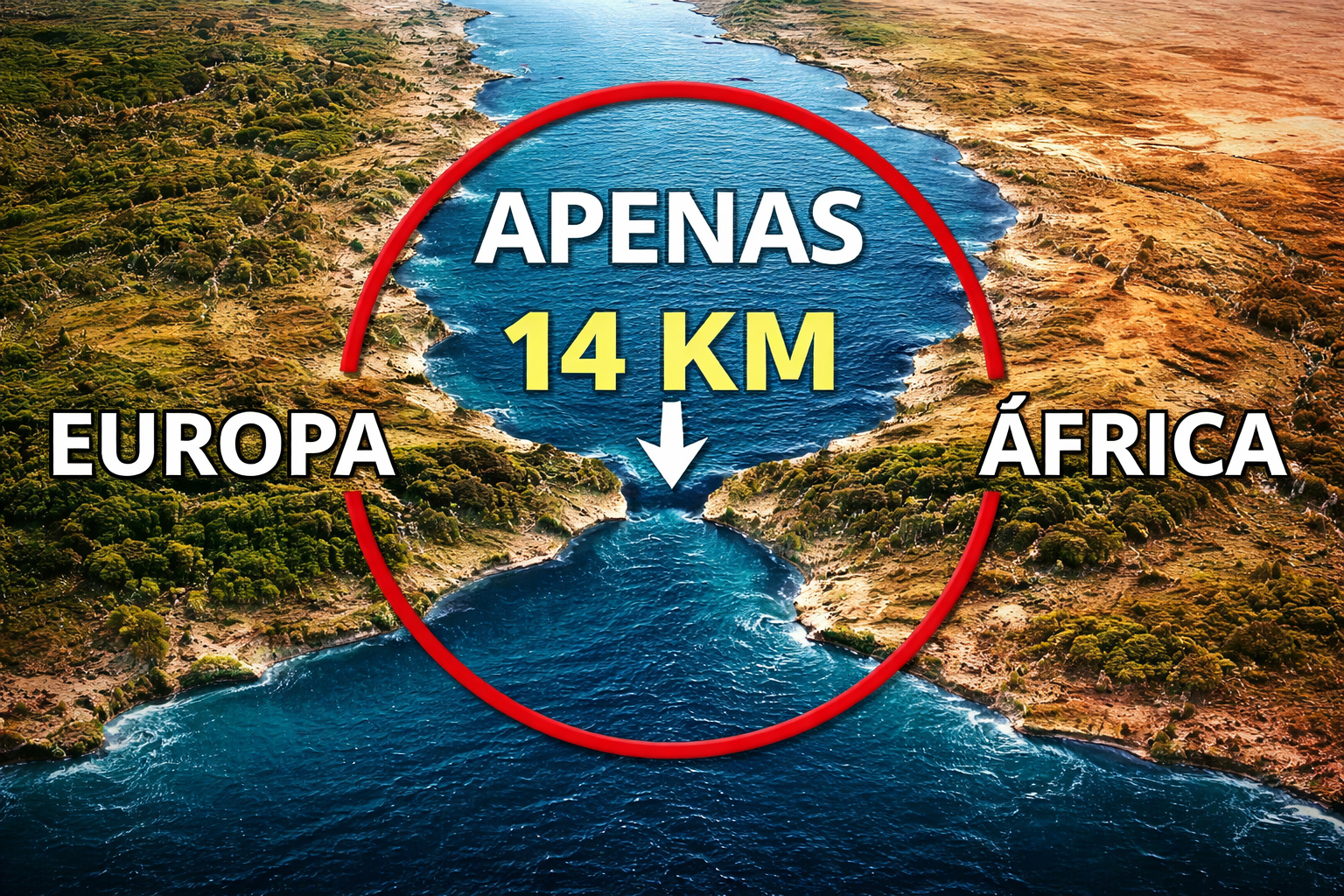
For 45 years, Spain and Morocco have been trying to connect Europe to Africa through a project of just 14 kilometers in the Strait of Gibraltar, and an active tectonic fault on the seabed continues to make the project nearly impossible.
-
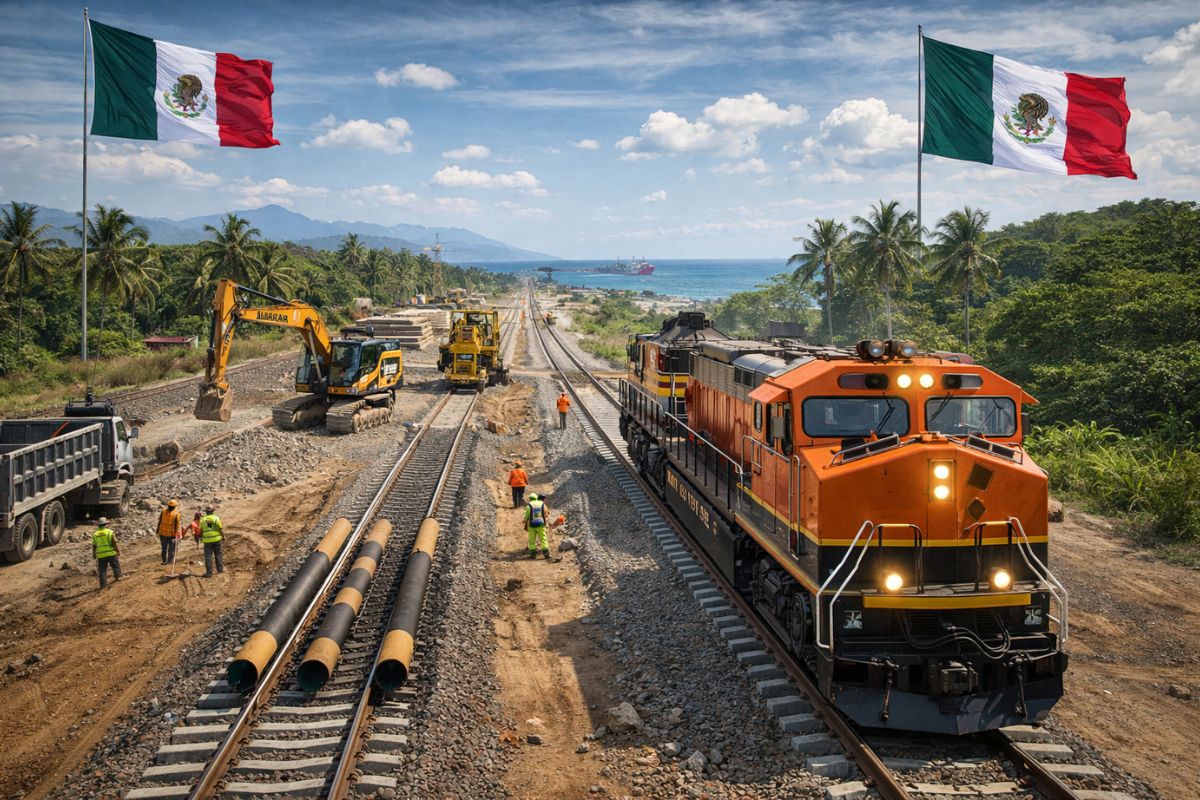
Mexico is building a 300-kilometer railway corridor that connects the Pacific to the Atlantic in just seven hours and wants to compete directly with the Panama Canal, which is already facing water scarcity issues.
-
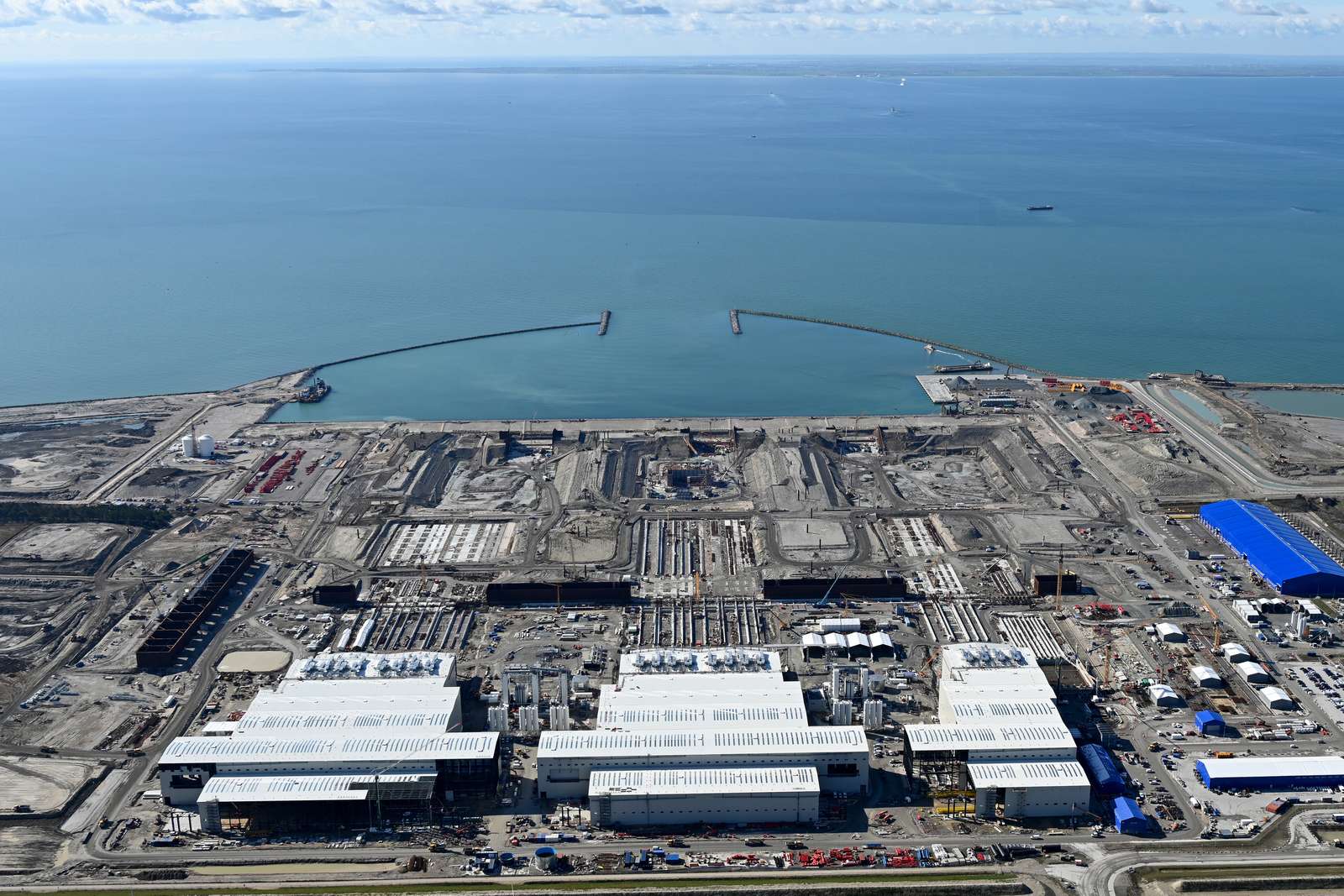
The largest tunnel module factory in the world was built from scratch on a beach in Denmark to produce 89 concrete blocks and will be demolished after the project: each structure weighs up to 10 times the Eiffel Tower and will be installed on the bottom of the Baltic Sea with an accuracy of 12 millimeters in a tunnel that will halve the travel time between Hamburg and Copenhagen.
-
India wants to build the highest railway in the world in the Himalayas, 489 kilometers crossing four mountain passes above 3,900 meters, with 74 tunnels and pressurized carriages like airplanes, and the most expensive project in Indian railway history still has no date for the start of the main works.


The main function of these structures is to capture and store rainwater, which can be used for non-potable purposes, such as washing outdoor areas, irrigating gardens, flushing toilets, and general cleaning.
This characteristic completely alters the logic of water use within a household. Instead of relying solely on public supply, the property begins to operate with a complementary source that reduces demand on the network.
Rainwater harvesting: how the system works in practice
The operation of modular cisterns is based on a simple but efficient principle. The rainwater that falls on the roof is directed by gutters to an initial filtration system. This filter removes leaves, dirt, and larger particles before the water is stored. Then, the liquid is directed to the modular reservoir.

Once stored, the water can be used through pumps or by gravity, depending on the installed system. In simpler models, the use is manual. In more advanced systems, distribution can be integrated into the house’s plumbing network.
The result is a continuous cycle of reuse, especially efficient in regions with regular rainfall.
Reduction in water bill: how much residents are saving
One of the main factors driving the adoption of modular cisterns was the savings generated. In homes that use rainwater for non-potable activities, the reduction in public network consumption can be significant. In some cases, savings reach 30% to 50% of the monthly bill, depending on usage patterns and storage capacity.
This reduction occurs because activities such as washing yards, watering plants, and using water for flushing toilets represent a significant portion of total domestic consumption. By replacing this demand with captured water, the financial impact becomes direct.
Additionally, the system serves as a strategic reserve during periods of rationing or supply interruptions.
Why the cost is lower than that of traditional systems
Modular cisterns have a lower initial cost than traditional systems for several reasons. First, installation does not require complex structures or slab reinforcement, as the reservoirs are on the ground. Second, the materials used, usually high-strength plastics, are less expensive compared to conventional solutions.
Another relevant factor is modularity. The system can start small and be expanded over time, avoiding a high initial investment.
This flexibility makes the technology accessible to a broader audience, including lower-income households.
Sustainability and reuse: direct environmental impact
In addition to financial savings, the use of modular cisterns has a significant environmental impact. Rainwater harvesting reduces pressure on public supply systems, especially during drought periods. It also decreases surface runoff, contributing to the reduction of flooding in urban areas.
Another important point is the preservation of water resources. By reusing water for non-potable purposes, the consumption of treated water — which requires energy and infrastructure to be distributed — is reduced. This more efficient usage model aligns with urban sustainability and water management policies.
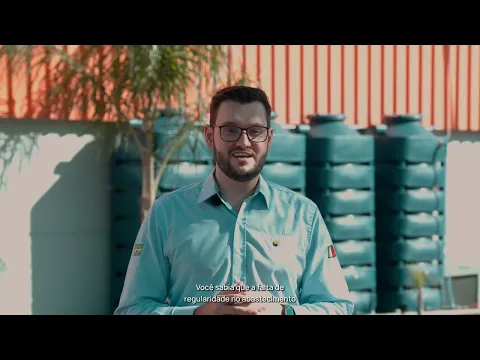

The use of cisterns is not new in Brazil, especially in regions like the Northeast, where government programs have already encouraged the construction of reservoirs for rainwater harvesting. However, what has changed recently is the expansion to urban areas and regions in the Southeast and Midwest.
The rise in tariffs and episodes of water crises contributed to this dissemination. Cities with a history of scarcity, such as São Paulo during the 2014-2015 crisis, served as a reference for the adoption of alternative solutions in the following years. Today, the system is already present in homes, condominiums, and even small businesses.
Limitations of the system and what needs to be considered
Despite the advantages, the use of modular cisterns requires some care. The rainwater collected is not potable and should not be used for human consumption without proper treatment. Additionally, the system directly depends on the volume of rainfall, which can limit its efficiency in drier regions.
Maintaining the filters is also essential to ensure the quality of the stored water and avoid contamination.
Another relevant point is the available space for installation. Although more flexible than traditional water tanks, cisterns still require free area on the property.
Why this model is gaining strength now
The popularization of modular cisterns in Brazil is directly linked to three main factors. The first is economic: the constant increase in water tariffs makes any consumption reduction alternative more attractive.
The second is climatic: drought events and irregular supply increase the perception of risk. The third is technological: the availability of cheaper and easier-to-install systems broadens access.

This combination created a scenario where solutions previously restricted to specific contexts began to be adopted on a large scale.
The advancement of modular cisterns indicates a structural change in household behavior. Instead of relying solely on public infrastructure, homes are beginning to incorporate their own resource management solutions. This movement, still discreet, points to a more decentralized consumption model.
The partial replacement of the traditional water tank with rainwater harvesting systems does not eliminate dependence on the public network, but reduces its centrality. And it is precisely this reduction that explains why the technology has been spreading continuously.










Seja o primeiro a reagir!