





 English
  Francês
  Alemão
  Italiano
  Japonês
  Norueguês
  Portuguese
  Spanish
 7 min of reading
  0 comments


Governor of Piauí Proposes Adjustments to Federal Law Regulating Distributed Generation to Balance Costs of the Electric Grid and Encourage the Growth of Solar and Clean Energy in Brazil.
The debate about the rules governing distributed generation in Brazil has returned to the center of political and energy discussions following a new initiative by Rafael Fonteles. The head of the state executive announced that he will send a letter to the federal delegation from the state in Brasília proposing changes to Law No. 14,300/2022, considered the main federal law regulating micro and minigeneration distributed in the country.
According to a publication made by the Government of Piauí on March 10, the proposal from the Governor of Piauí aims to reduce the financial impacts caused by the current rules on those who generate solar energy and share the surplus on the electric grid. At the same time, the initiative seeks to maintain the economic balance of the system, as the infrastructure used to transport clean energy involves permanent operational, maintenance, and expansion costs.
Although any changes depend on the approval of Congress, the political movement indicates that the debate over the federal law on distributed generation is set to gain new chapters. Experts point out that the accelerated expansion of solar energy in Brazil requires periodic adjustments to ensure that the growth of clean energy occurs in a balanced way for consumers, distributors, and investors.
-
Roraima bets on the sun to escape high tariffs: Amid the energy crisis and price hikes, solar energy is growing in Roraima and transforming consumption in the North region.
-
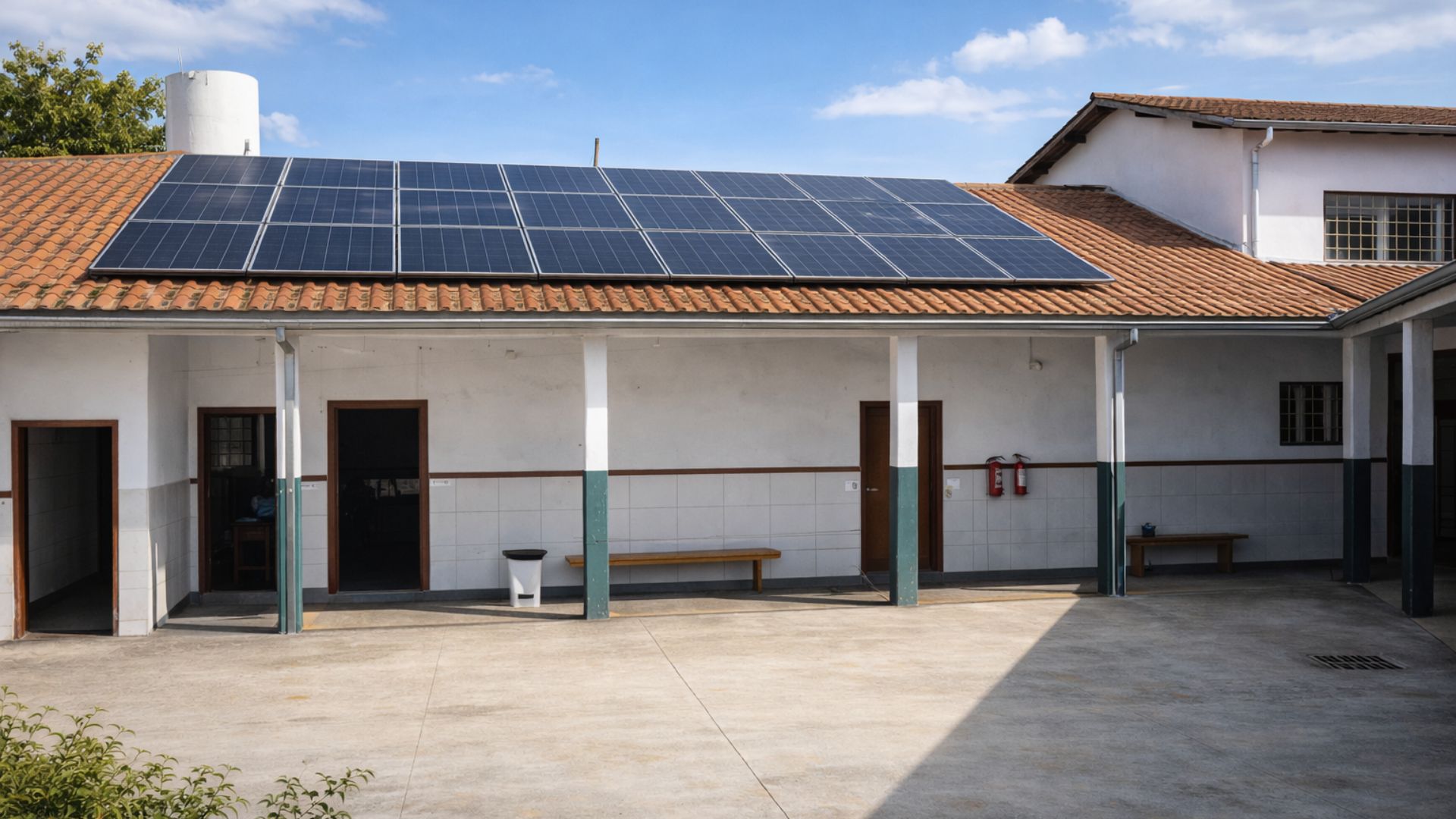
Copel boosts solar energy in Paraná and brings innovation to public schools, promoting savings on electricity bills, energy efficiency, and a direct impact on the quality of education.
-
Brazil reaches historic milestone in solar energy: Sector surpasses 2 million accumulated green jobs and generates billions in the national economy even under market pressure.
-
Minas Gerais takes the lead in renewable energy: State surpasses historic mark of 14 GW in solar energy generation in MG and consolidates dominance in the Brazilian electric sector.
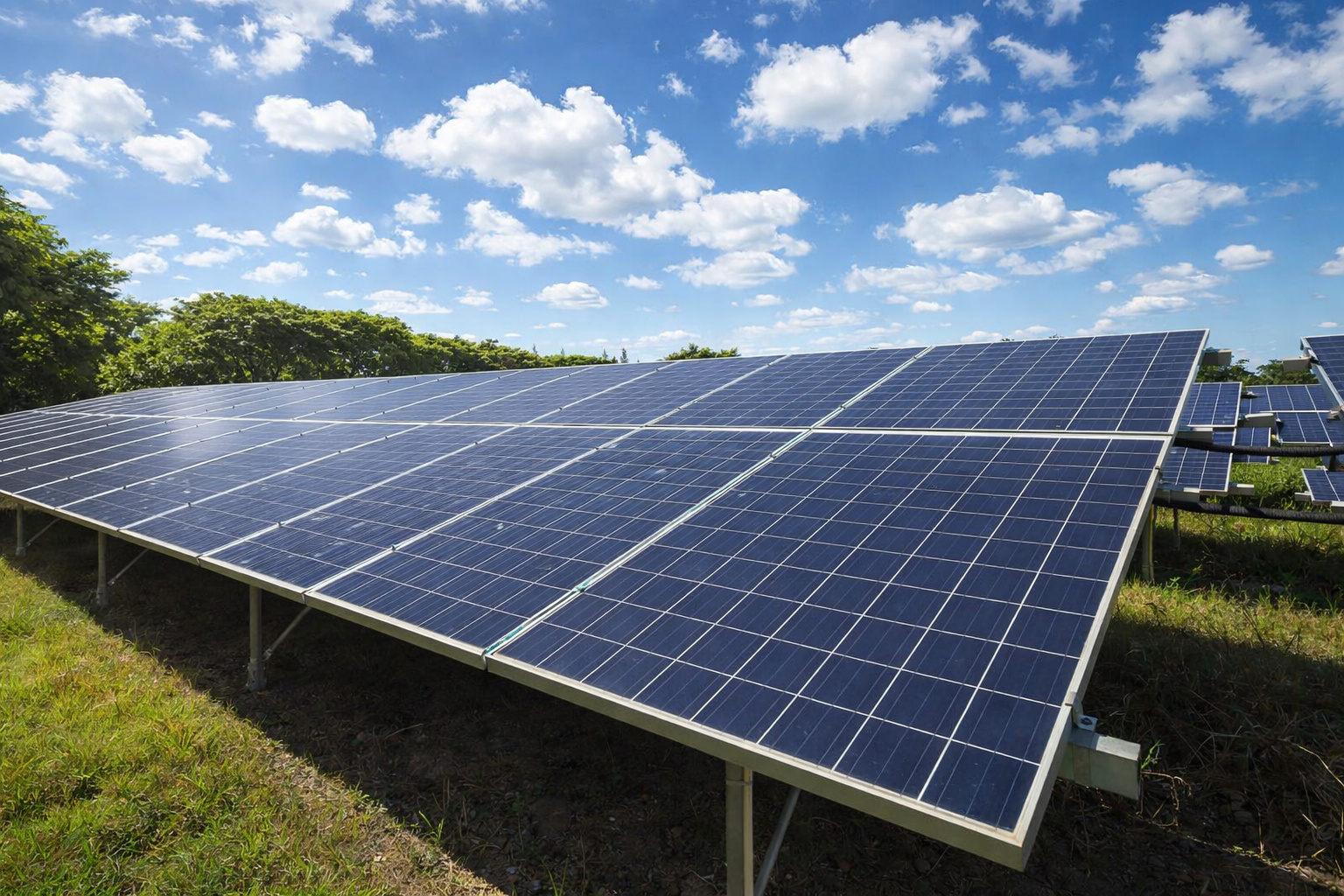

Governor of Piauí Proposes Adjustments to the Federal Law Regulating Solar Energy in Brazil
The articulation led by the Governor of Piauí aims to open a discussion on possible improvements to the federal law that establishes the rules for distributed generation. Current legislation determines that consumers who produce solar energy also contribute to part of the costs of using the electric grid, which is used to transport the surplus of clean energy generated in homes, businesses, and rural properties.
The goal of this charge is to avoid tariff distortions within the electric system. Even those who produce solar energy still depend on the distribution grid at various moments, such as during the night or in periods of lower generation. Therefore, the federal law provides that these consumers participate partially in funding the infrastructure that allows the movement of clean energy.
According to the statement released by the Governor of Piauí, the intention is not to completely remove this contribution, but to discuss adjustments that reduce financial impacts and ensure predictability for those who invested in solar energy. The final decision, however, depends on the processing of proposals in Congress.
Understand What the Federal Law No. 14,300 Determines About Clean Energy and Distributed Generation
Law No. 14,300/2022 was enacted in 2022 and created a definitive regulatory framework for distributed generation in Brazil. Before this federal law, the sector primarily operated based on resolutions from the National Electric Energy Agency, which generated legal insecurity for investors and consumers.
The legislation defined clear rules for micro and minigeneration systems that use renewable sources, especially solar energy, also establishing a transition period for the gradual charging of the electric grid usage fee.
Among the main points defined by the federal law are the maintenance of the energy compensation system and the creation of a progressive charging model for those injecting clean energy into the electric grid. The proposal sought to balance the incentive for the expansion of solar energy with the need to maintain the financial sustainability of distributors.
Another important aspect of the legislation is that consumers who installed solar energy systems before the new rule came into effect have differentiated conditions during a transition period. This mechanism was created to preserve investments made before the regulatory change.
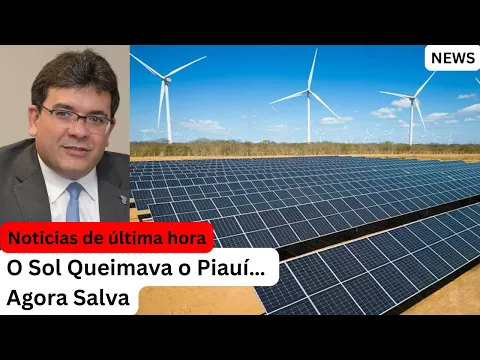

Accelerated Expansion of Solar Energy Drives the Debate on Sector Rules
The movements of the Governor of Piauí occur within the context of accelerated growth of solar energy in Brazil. In recent years, the photovoltaic source has consolidated itself as one of the main alternatives to diversify the electric matrix and increase the share of clean energy in the country.
Data released by the Brazilian Association of Photovoltaic Solar Energy shows that Brazil has recorded strong expansion of installed capacity of solar energy, primarily driven by distributed generation. This model allows homes, businesses, and rural properties to produce their own clean energy.
This growth also generates significant economic impacts. The production chain of solar energy involves equipment manufacturers, installers, engineering companies, and specialized services. The sector contributes to job creation, attracting investment, and reducing greenhouse gas emissions.
In this scenario, discussions about adjustments to the federal law become inevitable. As clean energy grows in the electric system, new regulatory challenges related to the financing of distribution infrastructure arise.
ICMS Exemption Reinforces Incentive Policy for Solar Energy in Piauí
Despite the discussion regarding changes to the federal law, the state government affirms it will maintain important incentive policies for the expansion of solar energy. One of the main measures is adherence to the agreement No. 16/2015 of the National Tax Policy Council.
This agreement allows for the exemption of the Tax on Circulation of Goods and Services (ICMS) on clean energy generated by micro and minigeneration systems when it is compensated on the electric grid.
According to the state’s Finance Secretary, Emílio Júnior, ICMS does not apply to the generation of solar energy itself. The tax is only levied on amounts charged by the utility related to the use of the electric grid.
The policy seeks to stimulate investments in clean energy and broaden the adoption of renewable technologies, keeping Piauí aligned with national strategies for energy transition. For the Governor of Piauí, this type of incentive is essential to ensure that solar energy continues to expand in the state.
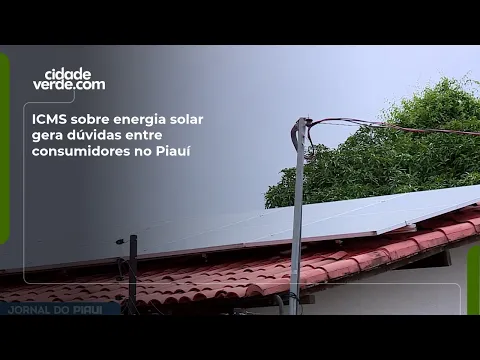
Costs of the Electric Grid Enter the Center of the Discussion on Clean Energy
One of the most debated points in the application of the federal law involves the costs of maintaining the electric grid. The infrastructure responsible for transporting clean energy to consumers incurs ongoing expenses that do not disappear when someone begins to produce solar energy.
Included in the electricity bill are the transport of electricity between regions, distribution to municipalities, maintenance of the grid, operation of the system, and necessary investments to ensure service continuity.
According to experts in the electric sector, if consumers with solar energy do not contribute to part of these costs, the burden may end up being transferred to those without their own generation systems. This phenomenon is known as cross-subsidy.
For this reason, the federal law established mechanisms for progressive contributions for the use of the grid. The discussion proposed by the Governor of Piauí seeks to assess whether the current model can be adjusted to avoid excessive impacts without compromising the sustainability of the electric system.
Project Sent to the Legislative Assembly Also Addresses Water Use by Farmers
In addition to the discussion about the federal law on solar energy, the Governor of Piauí informed that he will submit a bill to the Legislative Assembly of the State of Piauí to clarify another issue relevant to the productive sector.
The proposal aims to reinforce that there is no state fee charged for the use of water from wells by farmers in the state. The goal is to avoid misinterpretations and ensure legal security for rural producers who utilize water resources in their activities.
Although it is a topic distinct from the debate on clean energy, the measure integrates a broader agenda of policies aimed at economic development and sustainability in the state.
Perspectives for the Future of Solar Energy and the Federal Law in Brazil
The initiative of the Governor of Piauí shows that the regulation of solar energy will remain a central theme in Brazilian energy policies. The growth of clean energy requires periodic revisions of the rules to ensure that the electric system remains financially sustainable.
The federal law created in 2022 brought greater legal certainty to the sector, but experts acknowledge that adjustments may occur as the market evolves and the share of solar energy increases in the energy matrix.
In the coming years, the challenge will be to find a balance between encouraging the expansion of clean energy, preserving investments made, and ensuring that the costs of electric infrastructure are shared fairly among all consumers.
In this context, the debate initiated by the Governor of Piauí may contribute to improving the Brazilian regulatory model and strengthening the role of solar energy in the country’s energy transition.








Seja o primeiro a reagir!