





 Portuguese
  English
  Spanish
  3 min of reading
  0 comments


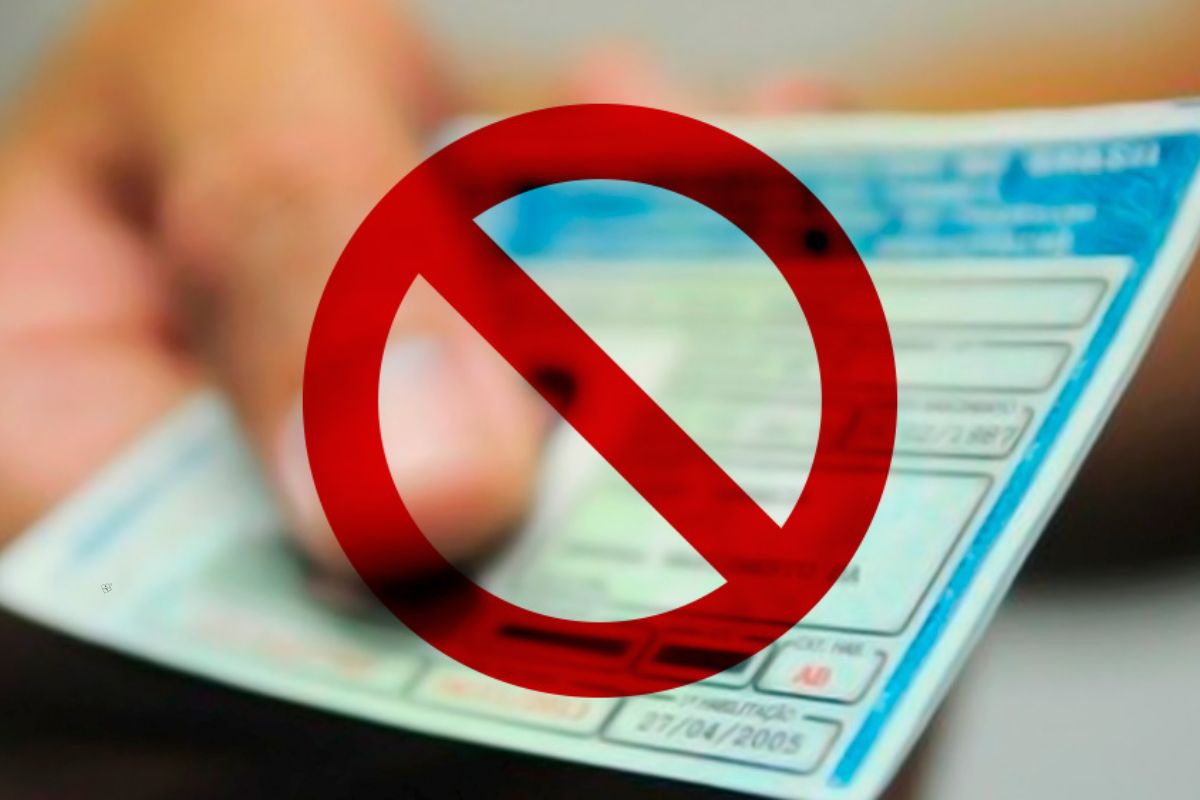
Debtors Can Lose Their Driver’s License If Other Collection Attempts Fail. Measure Was Confirmed by the Supreme Federal Court and Can Be Applied When All Collection Alternatives Have Been Exhausted.
The topic gained prominence after the Supreme Federal Court confirmed that a debtor can lose their driver’s license if other collection attempts have not been successful. This possibility has started to be used by the Judiciary in specific situations, functioning as a form of pressure for court-recognized debts to be settled.
According to experts, the suspension of the National Driver’s License is not automatic or generalized. This is an extreme measure, applied only after the judge’s analysis, when it has already been proven that the debtor has the means to pay but does not do so, and that other collection mechanisms have failed.
What Are the Criteria for Blocking the Driver’s License?
For a debtor to lose their driver’s license, the judicial process must prove the existence of a valid and already recognized debt. Furthermore, it is necessary to demonstrate that other collection measures, such as asset seizures or bank account freezes, have not been successful.
-
Unemployment rises again to 5.8% at the beginning of 2026, raising alarms about the end of temporary positions and its impact on the Brazilian job market.

-
Document organization can cut invisible costs in small businesses, a simple step that prevents waste, rework, and losses in daily operations.

-
Chinese giant worth nearly R$ 4 billion that manufactures cables for electric cars, solar energy, and robotics wants to open a factory in SC.

-
Many employers do not know, but the law guarantees domestic workers a 25% increase in salary during trips, 50% for overtime, 20% for night shifts, and 17 additional benefits that can lead to labor lawsuits if not paid.


The responsible magistrate also assesses the impact that the suspension of the license may have on the debtor’s life. The idea is not to punish, but to force debt negotiation, balancing the creditor’s right to collect and the debtor’s fundamental rights.
Are There Alternatives to Suspending the Driver’s License?
Before adopting such a restrictive measure, the Judiciary often encourages less severe solutions, such as:
- Direct agreements between creditor and debtor, allowing for new deadlines and payment conditions.
- Debt renegotiation programs, which can reduce interest and make payment feasible.
- Mediation and constant dialogue, preventing the process from advancing to coercive judicial measures.
These alternatives help prevent the debtor from losing their driver’s license while allowing the creditor to receive the owed amount.
Practical Impacts of Suspending the Driver’s License
In practice, losing the driver’s license can directly compromise the debtor’s routine, especially for those who depend on the document for work, such as professional drivers, sales representatives, or delivery workers. Without the license, the risk of income loss increases, further worsening the financial situation.
Therefore, legal experts warn that the ideal is to seek renegotiations before the court determines the suspension of the driver’s license, as this measure can end up harming the debtor’s ability to generate resources to pay the debt.
The Supreme Federal Court made it clear that a debtor can lose their driver’s license as an exceptional measure, but only when there is proof of bad faith or resistance to pay court-recognized debts. The decision reinforces the importance of proactive negotiation and financial responsibility.
And you, what do you think about this measure? Does the suspension of the driver’s license really help to force the payment of debts or does it just worsen the situation for debtors? Leave your opinion in the comments.









-

-

3 pessoas reagiram a isso.