





 English
  Francês
  Alemão
  Italiano
  Japonês
  Norueguês
  Portuguese
  Spanish
 4 min of reading


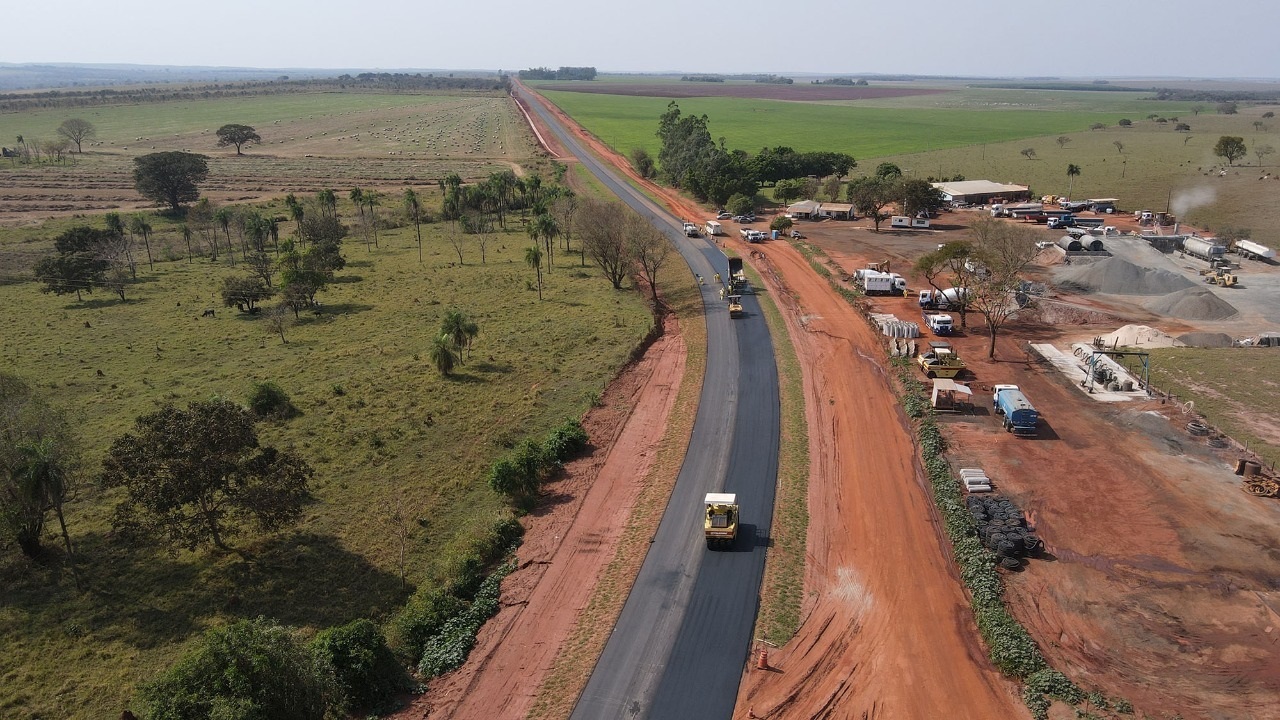
The Road Network of Mato Grosso do Sul Will Be Expanded with Investments of R$ 1.2 Billion and Foresees 450 km of New Roads.
The State Government aims to implement, pave, and restore a total of 16 state roads, eight of which are part of the direct interventions of the Bioceanic Route, and all together will receive R$ 1.2 billion in investments.
Among the highways that will undergo work are MS-162 and MS-166, located in Maracaju, MS-270 in Ponta Porã (Cabeceira do Apa), MS-278 and MS-378 between Ponta Porã and Fátima do Sul, MS-345 between Bonito and Anastácio, and MS-384 between Antônio João and Bela Vista. The expansion of the state road network is essential to strengthen the flow of products from Mato Grosso do Sul and the rest of the country to the Asian market.
The Initiative Aims to Enhance the State’s Economy, Boost Agribusiness and Trade, and Create New Job Opportunities.
The Secretary of State for Infrastructure and Logistics, Hélio Peluffo, highlights the importance of the interventions that will connect various regions, shortening distances and improving the conditions of state roads in diverse areas of Mato Grosso do Sul.
-
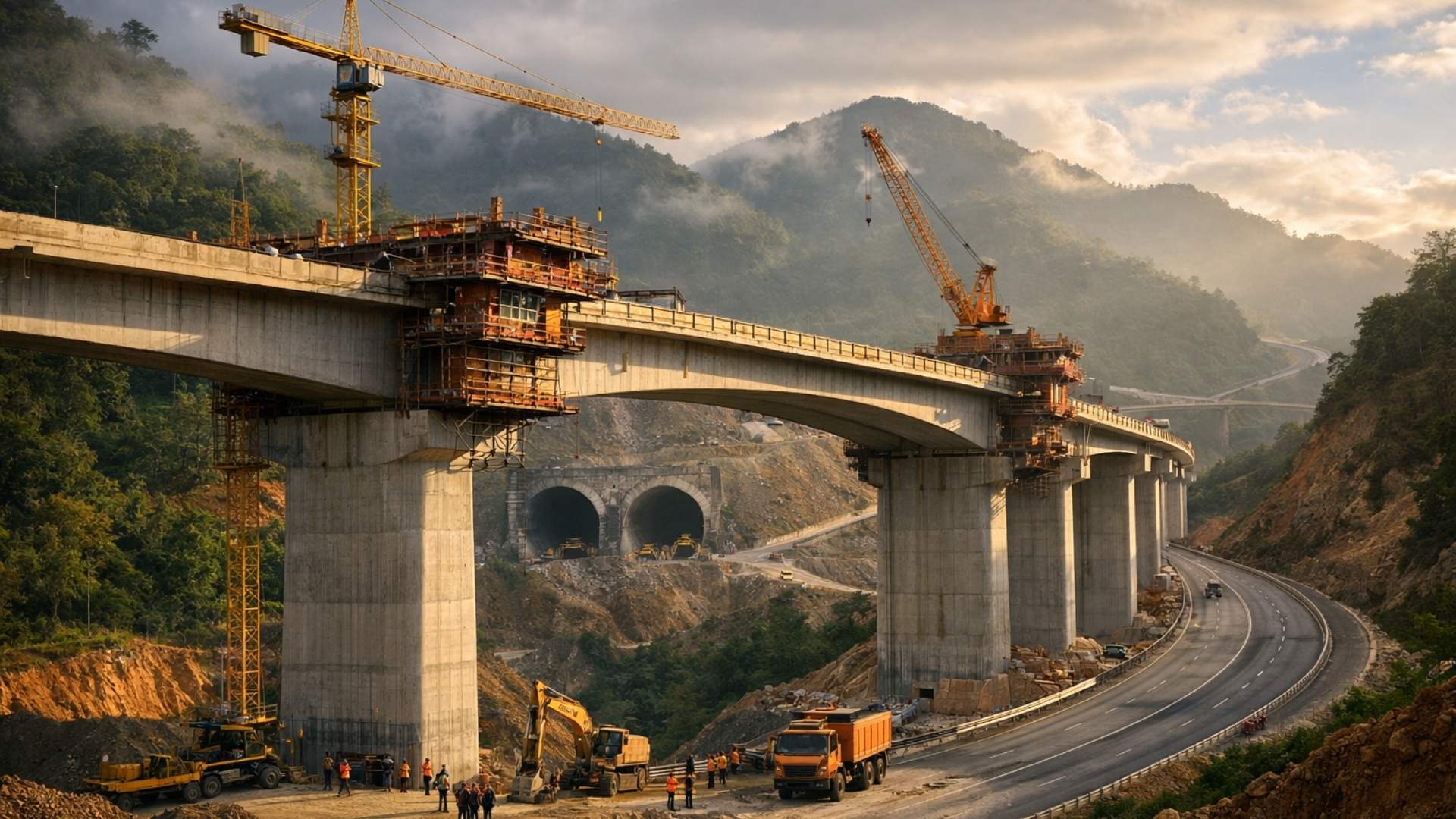
The government puts R$ 8.6 billion on the table to change the highway (BR) with 50 overpasses, 28 bridges, 4 tunnels, and 40 km of bike lanes in 180 km of historic duplication.
-
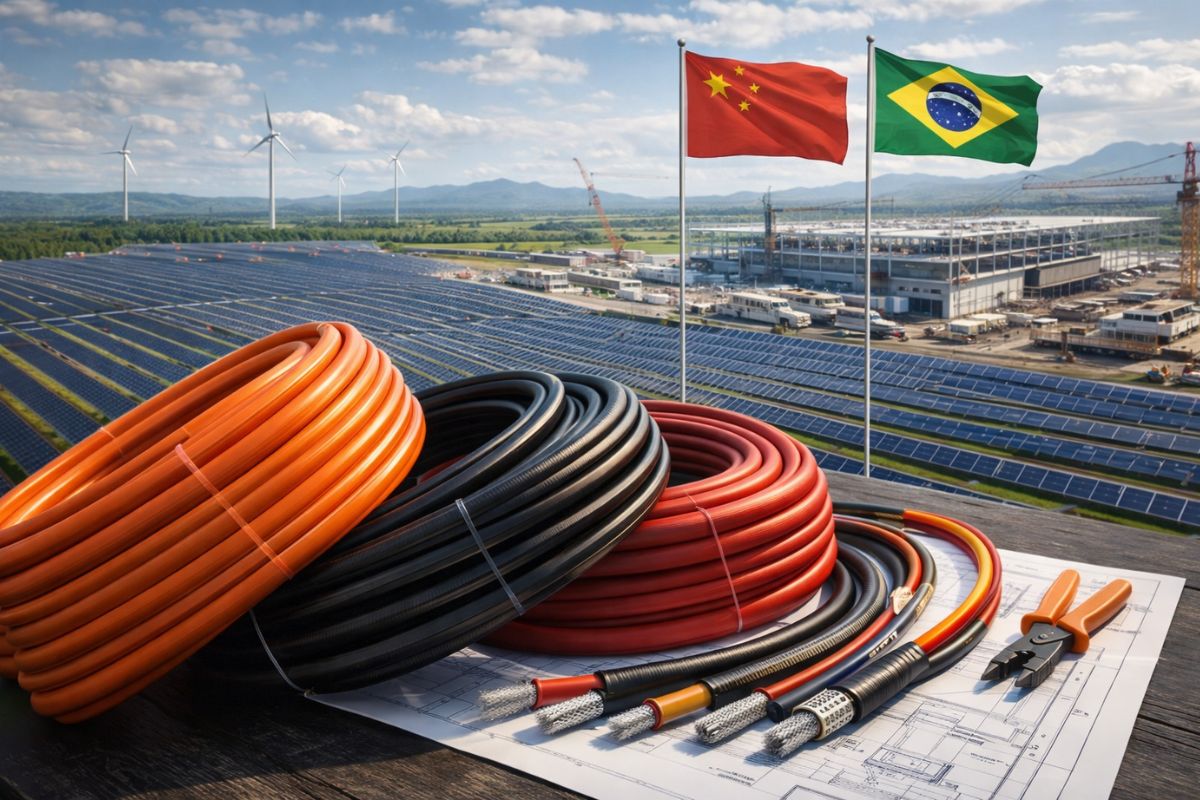
Chinese giant worth nearly R$ 4 billion that manufactures cables for electric cars, solar energy, and robotics wants to open a factory in SC.
-
Many employers do not know, but the law guarantees domestic workers a 25% increase in salary during trips, 50% for overtime, 20% for night shifts, and 17 additional benefits that can lead to labor lawsuits if not paid.

-
Gasoline prices soar and the question arises: is ethanol more advantageous? The 70% rule reveals the limit with gasoline.


The Bioceanic Route is one of the main projects included in the state government’s investments, aimed at linking South America to the Pacific Ocean. To this end, the state government will invest in road paving and the implementation of new highways. Among the roads to be restored are those located in Maracaju, Coronel Sapucaia, Paranhos, Três Lagoas, Camapuã, Ribas do Rio Pardo, Terenos, Ponte do Grego, Aldeia de Coxim, and Chapadão do Sul. Additionally, 150 km of primary coating (gravel) will be implemented on unpaved roads.
The investment will be essential for the development of MS, with a significant economic impact due to the restoration of roads and paving, which will not only create new business opportunities but will also significantly improve traffic conditions in the covered areas.
The Bioceanic Route Is a Project of Great Strategic Importance for the State and the Country
As it enables access to the Asian market through the Pacific Ocean, contributing to economic development and improving railway and road logistics, facilitating the flow of production and access of Brazilian products to the international market.
The Secretary of Infrastructure and Logistics, Hélio Peluffo, emphasized that access to the bridge is complex, especially on the Brazilian side, which has a different and more complicated geography. “Our geography is different, our side is wet, flooded, theirs is dry. We are talking about a very large investment,” said Peluffo.
For Maracaju, works are planned on MS-162, which connects the municipality to the junction with BR-267, through the municipality of Guia Lopes da Laguna, and on MS-166, which provides access to the Vista Alegre District and the São Fernando plant. The section of MS-165, located between Coronel Sapucaia and Paranhos, is also expected to receive investments.
Another Important Section Is MS-320, Which Will Be Implemented in Três Lagoas, Interconnecting Avenida Rafael de Haro to the Ports of the Region.
MS-338, which includes the connection from MS-060 in Camapuã to Ribas do Rio Pardo, will also undergo interventions. The Barranqueira Highway will have a stretch restored that runs along the Taquari River and continues to the Aldeia farm in Coxim. MS-352, which provides access to Ponte do Grego, between Campo Grande and Terenos, will also be under construction. Additionally, MS-425, MS-229, and MS-320 in Chapadão do Sul will also receive investments.
The State Government plans to construct 34 new concrete bridges in 21 stretches of state highways and rural roads. The investments in road paving and the implementation of new highways will total 450 km of roads. With this, the government promises to optimize MS’s economy, boost agribusiness and trade throughout the state, and create new job opportunities.
The implementation of the Bioceanic Route is a significant differentiator for the development of Mato Grosso do Sul. This will make the state a gateway to international trade, opening new horizons for the export market.
The Project Has Brought Mercosur Countries Closer to the Asian Market, Strengthening Trade Ties Between Regions and Enabling Privileged Access to These Markets.
The investment in 450 km of new roads and the restoration of other highways will bring transformations to the infrastructure of the covered cities and also boost agribusiness and trade throughout the state of Mato Grosso do Sul. The project positions the state as one of the main road junctions in the country and expands business and development possibilities with the international market.
The State Government of Mato Grosso do Sul is investing in infrastructure with the primary goal of improving the state’s road network, ensuring safer and more efficient circulation of people and goods. It is expected that teams will begin work soon, given the strategic importance and positive economic impact on the entire region. Infrastructure investments are sufficient to broaden business possibilities and attract new investments to the state, enhancing its potential and contributing to Brazil’s economic development.








Seja o primeiro a reagir!