





 English
  Francês
  Alemão
  Italiano
  Japonês
  Norueguês
  Portuguese
  Spanish
 7 min of reading
  0 comments


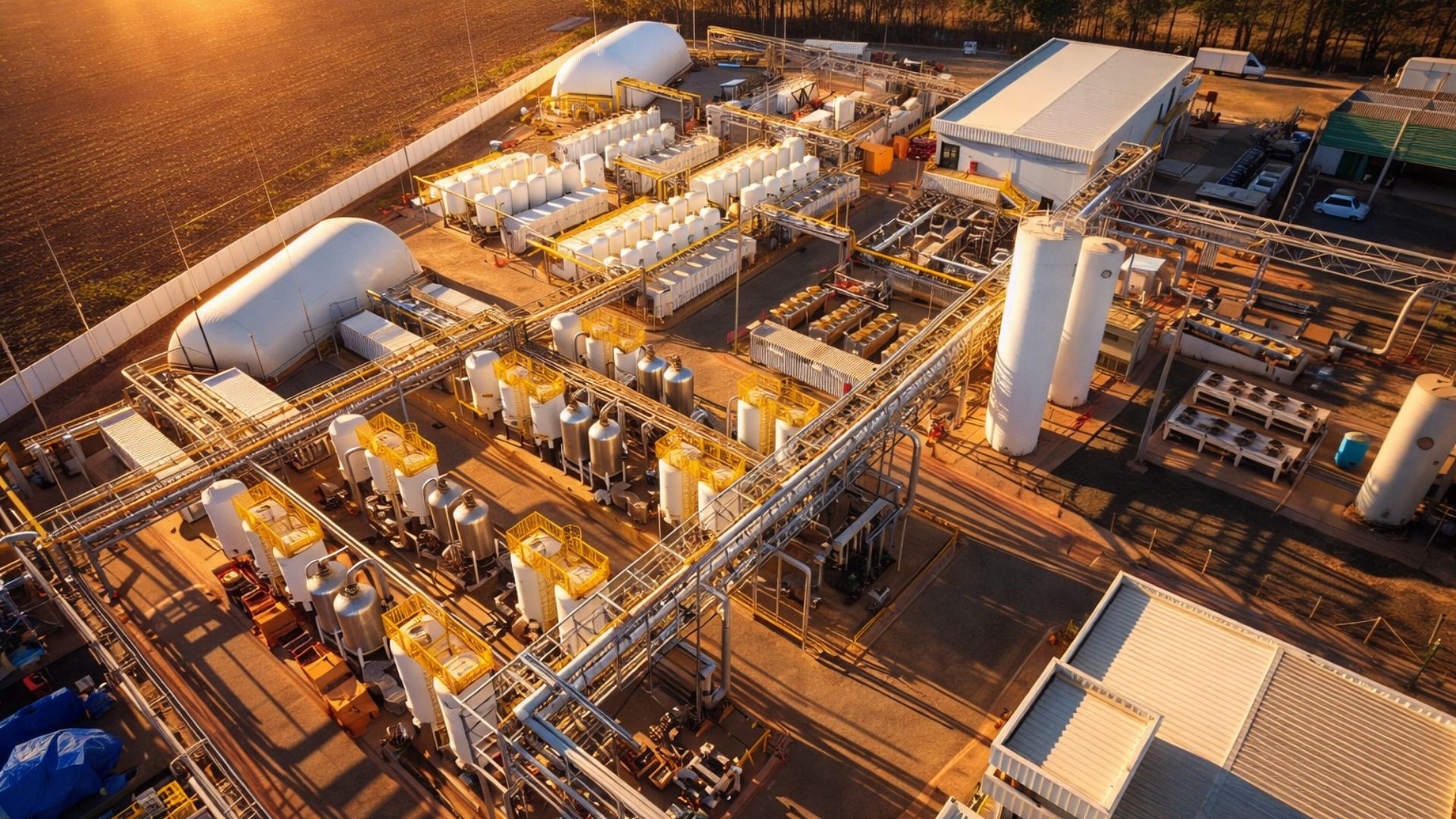
The Government of São Paulo Inaugurated in Paulínia the Largest Biogas Plant in Brazil, Capable of Transforming Urban Waste into Renewable Energy to Supply Industry and Transport, Expanding the Production of Sustainable Fuel in the Country.
The inauguration of the largest biogas plant in Brazil marks an important advance in the energy transition and in the circular economy in the country. According to an article published by Semil on March 9, the Government of São Paulo has put into operation a new unit in Paulínia that transforms urban solid waste into renewable energy, creating new opportunities for industry and transport and expanding the supply of sustainable fuels.
The inauguration ceremony was attended by Governor Tarcísio de Freitas and the State Secretary of Environment, Infrastructure, and Logistics, Natália Resende. The new plant reinforces the prominence of São Paulo in developing clean energy solutions and consolidates the state as a national reference in the production of biogas.
Currently, São Paulo already hosts nine of the nineteen biogas plants in operation in Brazil, which represents approximately 700 thousand cubic meters per day (m³/day) of installed capacity. With the new unit inaugurated in Paulínia, the state strengthens its strategy to expand the use of renewable energy in strategic sectors of the economy.
-
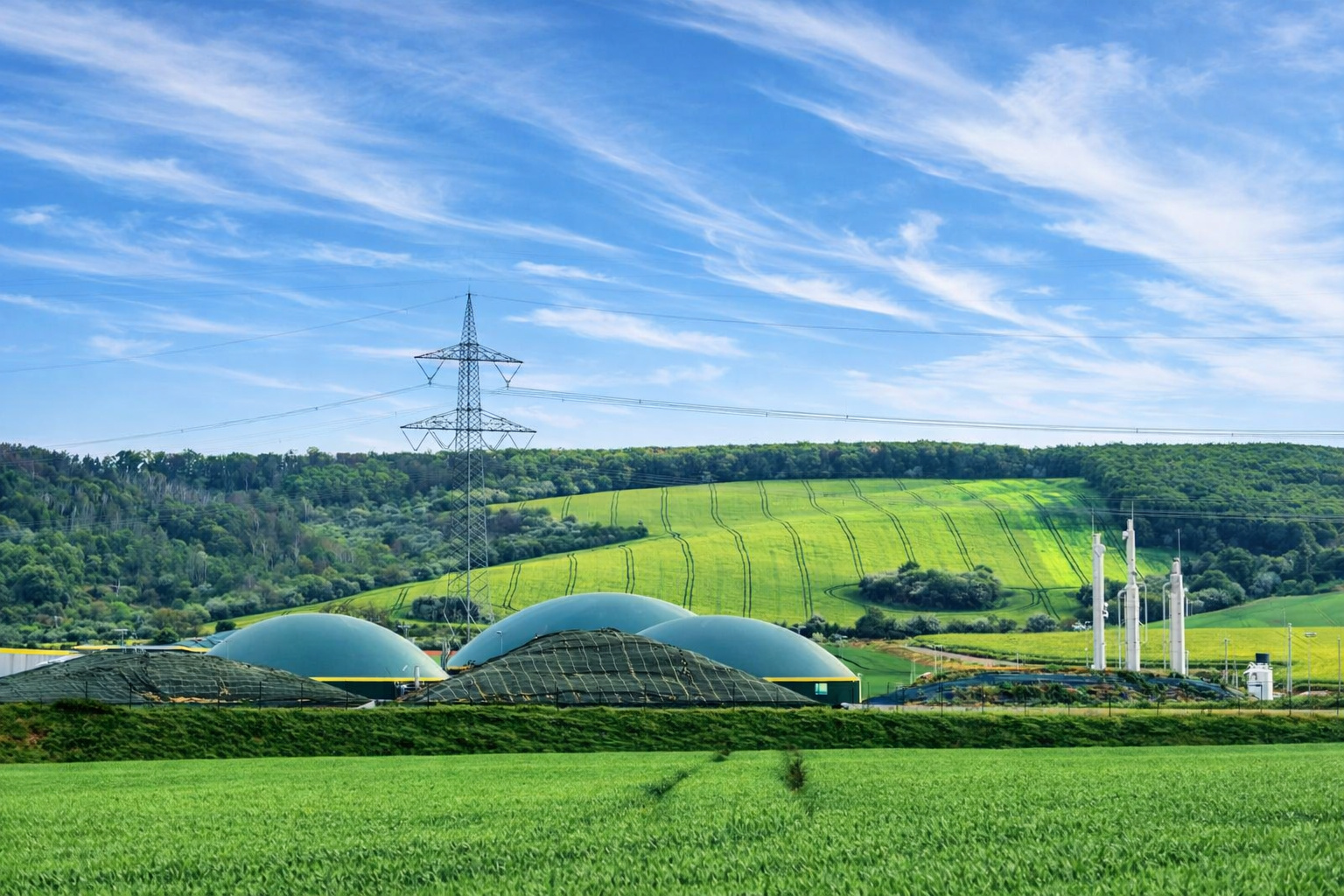
Brazil accelerates decarbonization in the South: International forum in Foz do Iguaçu gathers leaders to discuss the advancement of biomethane in the energy matrix and the potential of “caipira pre-salt.”
-
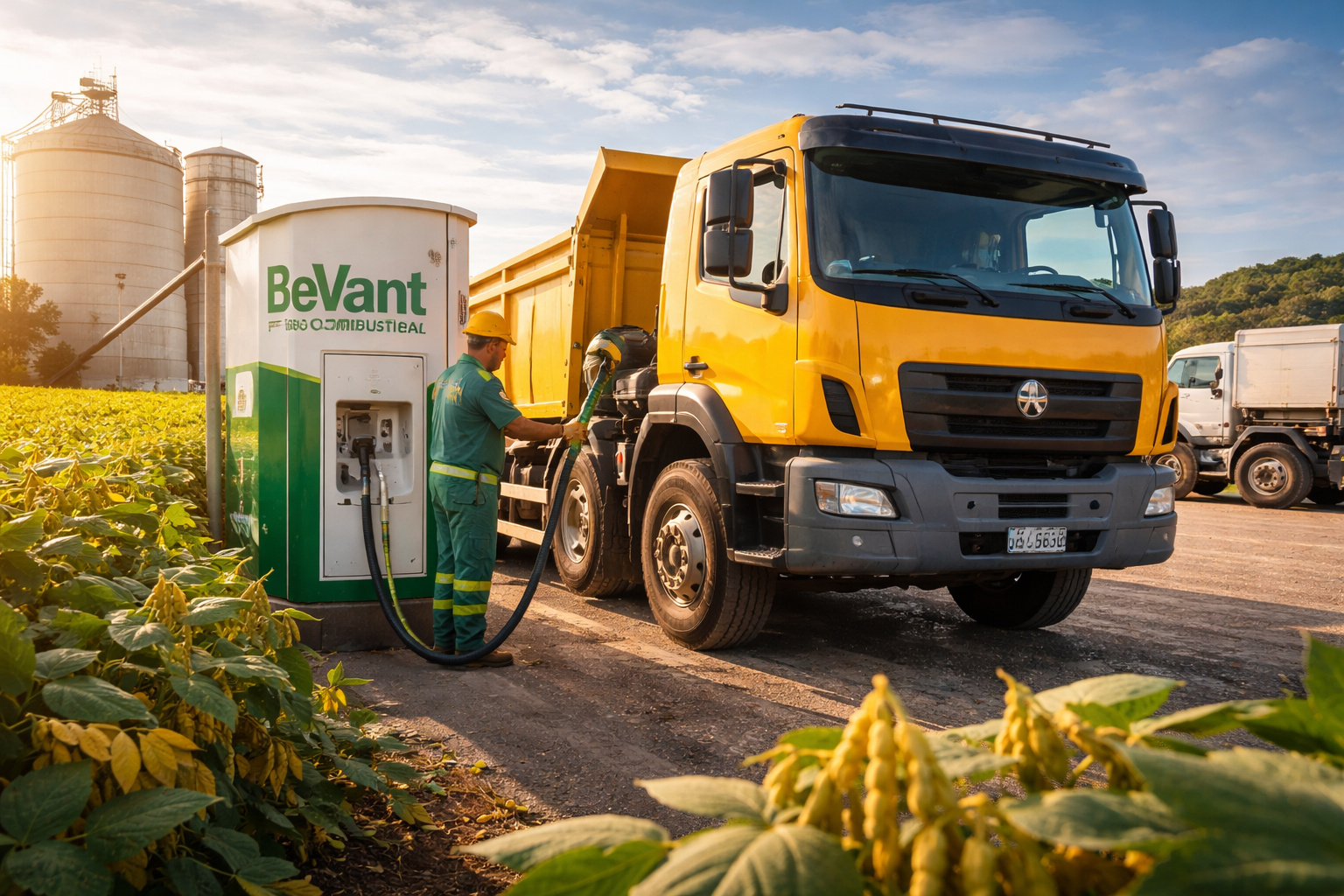
As diesel prices soar due to conflicts in the Middle East, a Brazilian city decides to test a little-known biofuel that promises to completely replace fossil fuel without adaptation and could change the future of energy in the country.
-
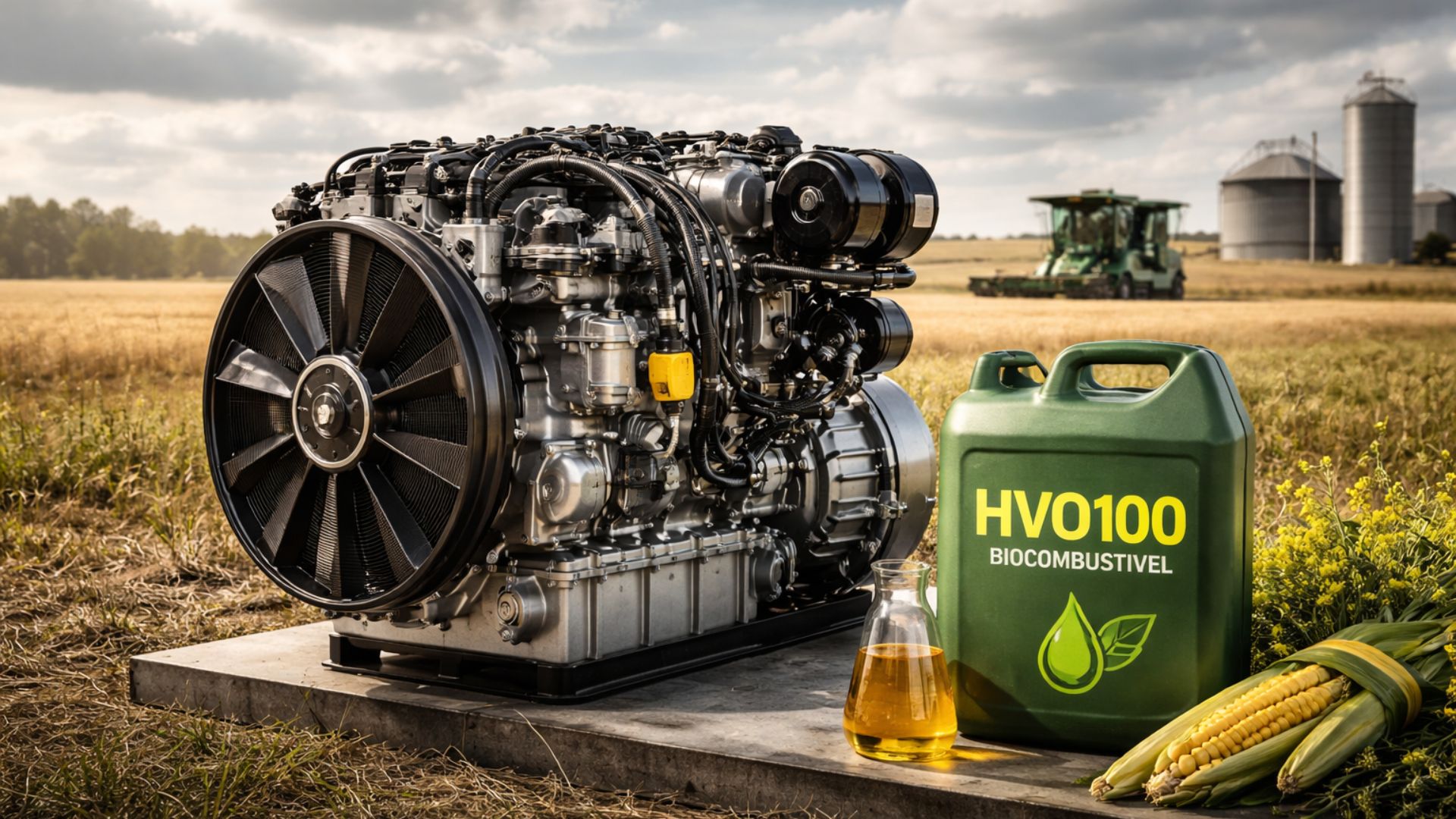
Innovation with biofuel engines transforms agribusiness by replacing diesel without the need for major adaptations, ensuring energy efficiency and helping to reduce dependence on oil.
-
Used Cooking Oil Transforms Into Kerosene: How 1 Million Tons of Used Fat Are at the Center of an Aviation Fuel Market That Could Attract Over $1 Trillion in Investments, Already Fuels Planes with Up to 80% Lower Emissions, and Triggered a Global Competition for This Waste


In addition to contributing to the reduction of greenhouse gas emissions, the venture also increases the country’s energy security by diversifying the energy matrix. The fuel produced can supply different segments of industry and transport, replacing fossil fuels and reinforcing the sustainability agenda.
Paulínia Becomes a National Reference with the Largest Biogas Plant in Brazil
The city of Paulínia, in the interior of São Paulo, now houses the largest biogas plant in the country. The unit was installed in an Ecopark that replaces an old landfill and integrates an environmental complex aimed at the valorization of waste.
The plant belongs to OneBio and has a nominal capacity of 225 thousand cubic meters per day, which represents approximately one-third of the installed capacity of biogas in the state of São Paulo. This production volume is equivalent to the energy consumption of more than 1,000 urban buses, highlighting the potential of renewable fuel for applications in the mobility sector.
The project was developed through a partnership between the company Edge, which holds 51% of the stake, and Orizon Waste Valorization, responsible for 49% of the investment. The production will be marketed by Edge and is already connected to the natural gas distribution infrastructure.
At this initial stage, the unit operates at about 50% of the installed capacity, but the expectation is to achieve full operation by 2026. The gradual increase in production will allow the expansion of the use of biogas as a source of renewable energy for various productive segments.
How Urban Waste is Transformed into Renewable Energy
The production of biogas occurs from the utilization of the biogas generated by the decomposition of organic waste in landfills. This process transforms an environmental liability into an energy resource, strengthening the concept of the circular economy.
In the Ecopark of Paulínia, urban solid waste undergoes a natural degradation process that releases biogas. This gas is captured and sent to a purification system that removes impurities and increases the concentration of methane, transforming biogas into high-quality biogas.
The resulting fuel has characteristics similar to natural gas, allowing its use in existing distribution networks. Thus, it can be used both as renewable energy in industrial processes and as fuel for vehicles.
This model reduces greenhouse gas emissions and improves the management of urban waste. At the same time, it creates a new production chain associated with the generation of clean energy, driving technological and economic development.
Expansion of Biogas Boosts Industry and Transport with Sustainable Fuel
The growth of biogas production opens new perspectives for industry and transport, sectors that require a large amount of energy and have a significant impact on carbon emissions.
In the industrial sector, the fuel can replace natural gas in production processes, contributing to the decarbonization of economic activity. Applications include heat generation, fertilizer production, and fueling industrial equipment.
In the mobility sector, biogas can be used as fuel for buses, trucks, and logistics fleets. This allows for a significant reduction in pollutant emissions and expands the use of renewable energy in cargo and passenger transport.
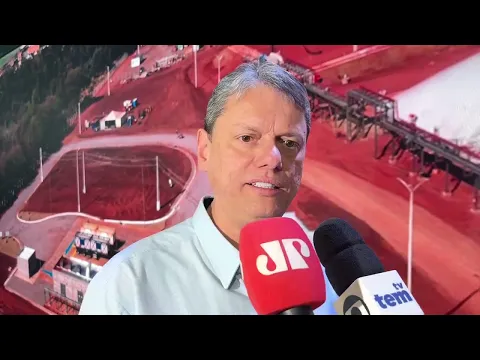
An example of this application is the contract signed between Edge and Unilever. The agreement provides for the supply of biogas for a soap factory located in Valinhos, in the interior of São Paulo, aiming to reduce the carbon footprint in industrial processes and possibly in transport fleets. This type of initiative demonstrates how the integration between the public sector and the private sector can accelerate the adoption of sustainable fuels.

Policies of the Government of São Paulo Expand the Biogas Market
The advancement of the sector is also directly related to public policies implemented by the Government of São Paulo. The state has been adopting regulatory measures and incentives to stimulate the production and consumption of biogas.
In December 2025, the Regulatory Agency for Public Services of the State of São Paulo (ARSESP) published a regulation that allows the interconnection of biogas plants to the natural gas network. The measure establishes that the costs of the connection be borne exclusively by the suppliers through the so-called TUSD-Verde (Green Distribution System Usage Tariff).
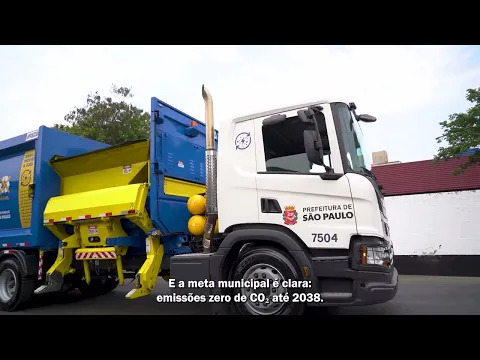
This regulation is part of the goals of the State Policy on Climate Change (PEMC) and the State Energy Plan (PEE 2050), which identify biogas as one of the main alternatives to increase the participation of renewable energy in the São Paulo energy matrix.
In addition, the state government has adopted measures such as simplified environmental licensing for new projects and tax incentives for vehicles powered by natural gas or biogas. These initiatives contribute to expanding the use of the fuel in industry and transport.
Another important tool is the Conecta Biogas SP platform, which brings together around 125 participants among producers, distributors, and marketers in the sector. The objective is to facilitate partnerships and stimulate new investments.
Study Points to Growth Potential of Biogas in São Paulo
Studies conducted by the Federation of Industries of the State of São Paulo (FIESP), with technical support from the Department of Environment, Infrastructure, and Logistics, indicate that the potential for biogas production in the state is significant.
According to the research, São Paulo can reach a potential of 6.4 million cubic meters per day of biogas production. If this volume is fully utilized, the production chain could generate up to 20 thousand direct, indirect, and induced jobs.
A large part of this potential is concentrated in the sugar-energy sector. More than 80% of the possible production could be generated from the utilization of waste from sugar and ethanol production, such as vinasse, filter cake, bagasse, and straw.
These materials can be transformed into biogas and later purified to generate biogas, expanding the use of renewable energy and strengthening the sustainability of the production chain.
The study also points to significant environmental benefits. The partial replacement of fuels in the transport sector could lead to a reduction of up to 16% in carbon emissions compared to diesel fuel.
The Future of Renewable Energy Depends on Smart Utilization of Waste
The inauguration of the new plant in Paulínia shows how the utilization of waste can become a strategic solution for sustainable energy development. By transforming urban waste into biogas, the state creates economic value from materials that previously represented only an environmental challenge.
The project reinforces the role of the Government of São Paulo in promoting the energy transition and demonstrates that well-structured public policies can stimulate innovation, investments, and job creation.
With the advancement of new plants and the expansion of distribution infrastructure, biogas is likely to gain increasing importance as a source of renewable energy. This could expand its use in industry and transport, helping to reduce emissions and make the economy more sustainable.
Projections indicate that the state could exceed 800 thousand cubic meters per day of production capacity by December 2026. In a broader horizon, São Paulo also projects to surpass 1 million cubic meters per day by 2028, consolidating its position as a national reference in the production of renewable fuels.
In this scenario, initiatives like the plant inaugurated in Paulínia show that the circular economy can be one of the pillars of the new Brazilian energy matrix, combining waste management, technological innovation, and the production of renewable energy for the future.








Seja o primeiro a reagir!