





 English
  Francês
  Alemão
  Italiano
  Japonês
  Norueguês
  Portuguese
  Spanish
  3 min of reading


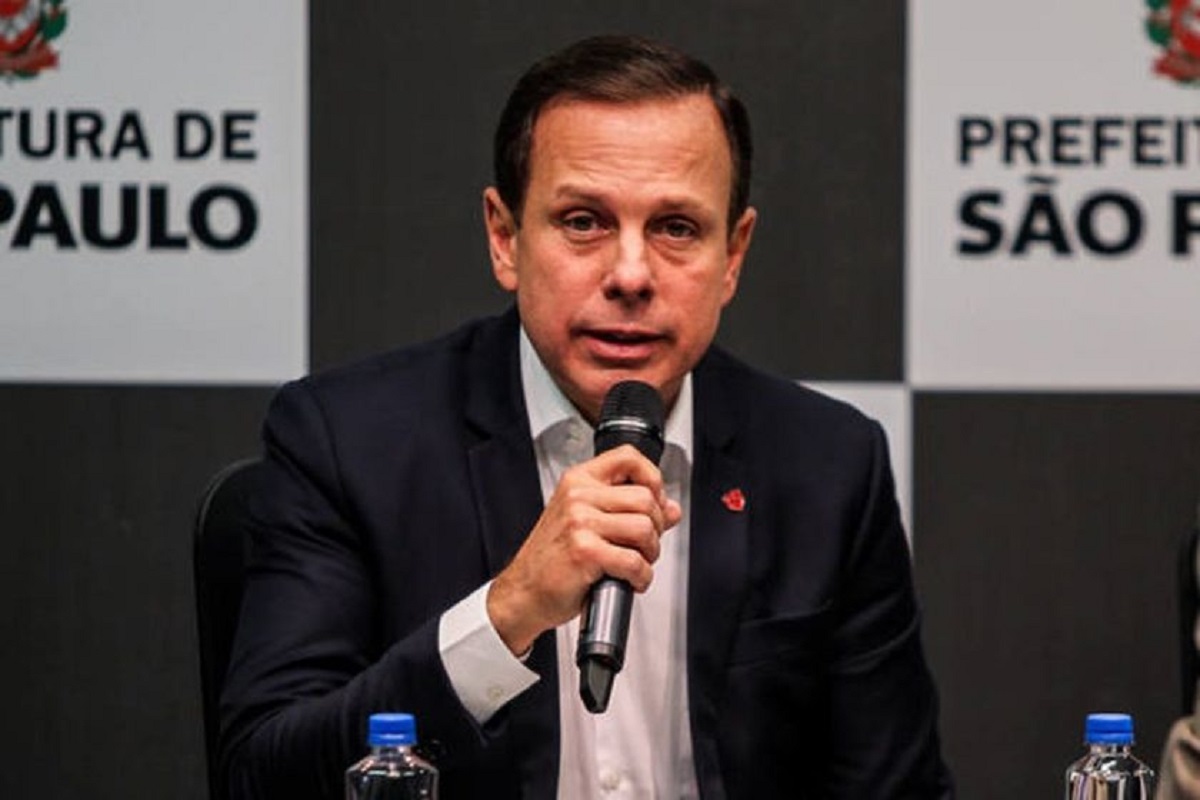
The Idea of the São Paulo Government Is to Create Poles in the State and Encourage Industrial Production by Providing a Favorable Environment for Investment
The Governor of the State of São Paulo, João Dória, announced the creation of 11 industrial development poles in the state.
In order to attract companies willing to invest in the state, the governor aims to improve the infrastructure of these regions, as well as the adoption of other incentive measures, such as simplifications in the issuance of licenses, improving fiscal and tax conditions, and providing differentiated access to credit.
The Government already knows which sectors will be covered by these incentives, which include the pharmaceutical, metallurgical; machinery and equipment; automotive; chemical, rubber and plastic; petrochemical; biofuels; food and beverage; textile; clothing; leather and footwear; technology; and eco-forestry sectors.
-
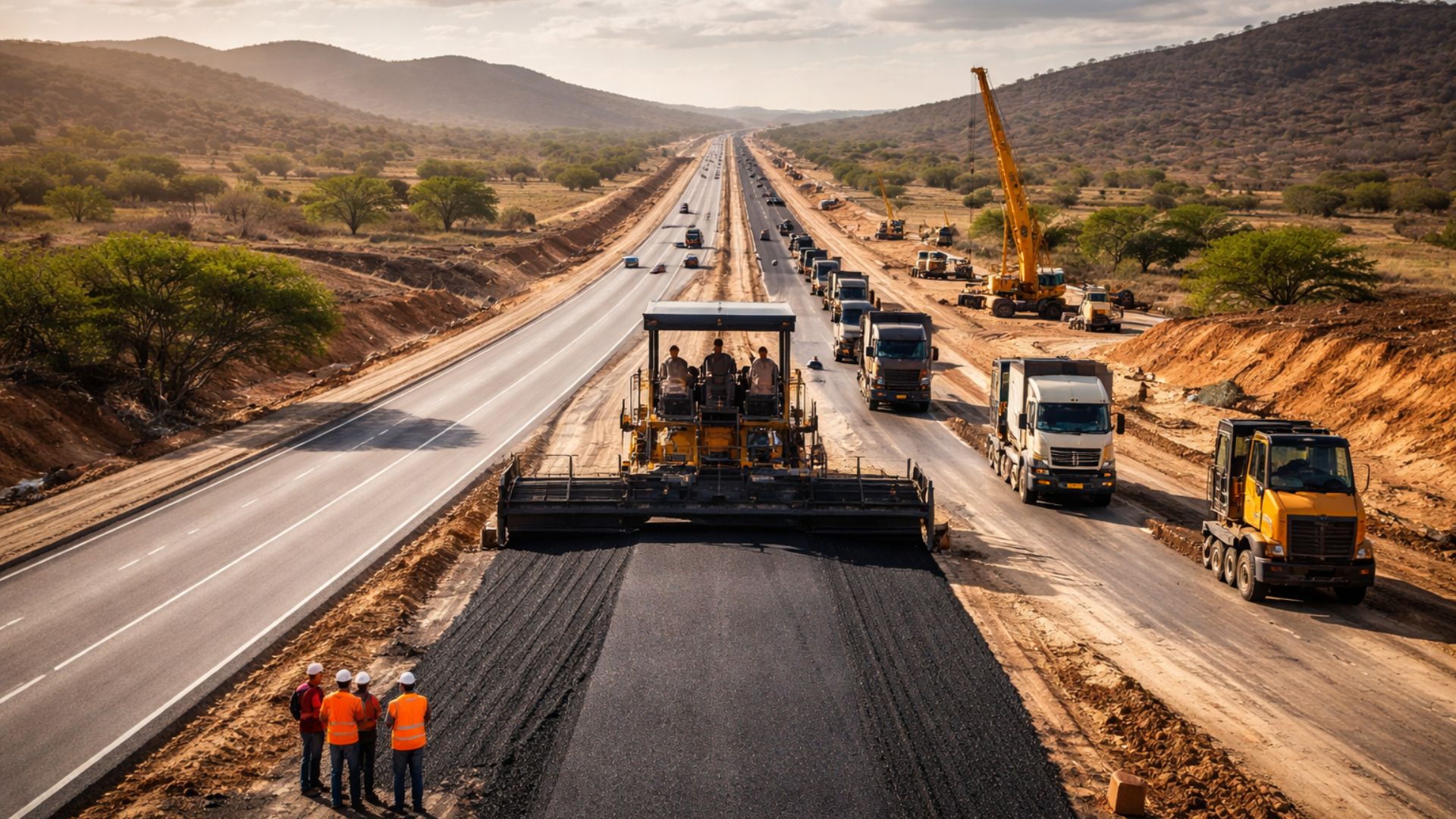
Government unlocks R$ 554 million for a highway that has been requested for decades and accelerates the duplication of BR.
-
Without bricks, without cement, and without endless construction: the cardboard house that is assembled in modules and can be moved.

-
Billions of barrels on the equatorial margin could lead Amapá to double its oil production in Brazil — the state aims to enter the route of companies in the Campos Basin, attract investments, and boost jobs and businesses in the oil and gas sector.
-
Without bricks, without cement, and without endless construction: the cardboard house that is assembled in modules and can be moved.

The chosen locations are where the main companies in the sectors mentioned above are currently located, such as the regions of Vale do Paraíba, Baixada Santista, Campinas, Bauru, Piracicaba, Alto Tietê, Presidente Prudente, and Grande ABC.
According to the Secretary of Economic Development, Patricia Ellen, “The role of the poles is to identify market failures and address government failures. Our job here is to boost the productivity of the private sector by leveraging and improving public policies in the regions where productive chains are present.”
The Governor of São Paulo clarified that the program has the partnership of BNDES, responsible for providing credit to companies, and that the Paula Souza Center will be responsible for workforce training, as it manages the technical schools in the state.
ICMS Discount
The Governor also clarified that this is not a tax war with other states; these are simply measures aimed at improving conditions for companies already based in the state to invest more.
The creation of the mentioned benefits, he clarified, will increase the productivity of the company and consequently the state’s revenue.
João Dória cited an example, “A company announcing an investment of R$ 1.4 billion, for instance, with the result of sales and the (condition) of job creation, will receive a discount of 2.5% on the value of the ICMS resulting from that investment. This means that there will be an increase in revenue, as it will generate an increase in sales.”
Scania announced on Tuesday, May 21, an investment of R$ 1.4 billion in the modernization of its factory in São Bernardo do Campo-SP.
As published by Click Petróleo e Gás last Wednesday (05/22), Scania was the company cited as an example by the governor.
The ICMS discounts granted by the State of São Paulo can reach 25% for companies that present plans for construction or expansion of factories with values that exceed R$ 1 billion and generate at least 400 jobs.
Also See! American Oil Company Will Invest R$ 1 Billion in a New Refinery in Espírito Santo!






Seja o primeiro a reagir!