





 Portuguese
  English
  Spanish
  4 min of reading
  0 comments


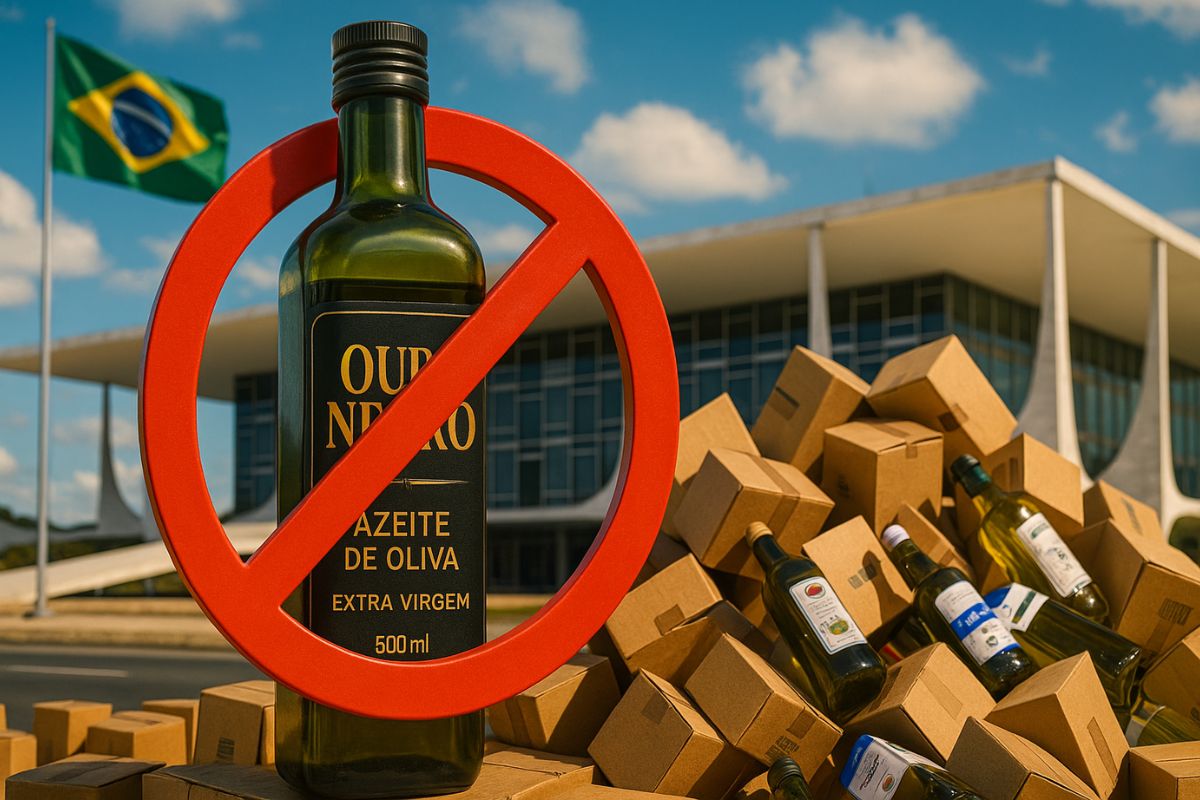
Anvisa Prohibits Production, Import, Sale, and Promotion of Ouro Negro Olive Oil; Measure Adds to Over 20 Brands Blocked in 2025 Due to Uncertain Origins, Adulteration, and Sanitary Failures.
The Ouro Negro olive oil had its marketing, distribution, production, import, promotion, and use prohibited by Anvisa, with the decision published in the Official Gazette this Monday (20). The measure came after the product was disqualified by the Ministry of Agriculture in an action taken last year, with unknown origin and importer with suspended CNPJ.
According to the G1 portal, in practice, the ban of Ouro Negro olive oil reinforces a regulatory offensive that has already banned more than 20 brands since January, due to frauds, irregular labels, and consumer risks. Tighter inspections, attractive prices, and misinformation create a terrain where impulse buying can cost health and money dearly.
What Was Decided About Ouro Negro Olive Oil
Anvisa determined the total ban of Ouro Negro olive oil, with seizure and suspension of any commercial activities related to the brand.
-
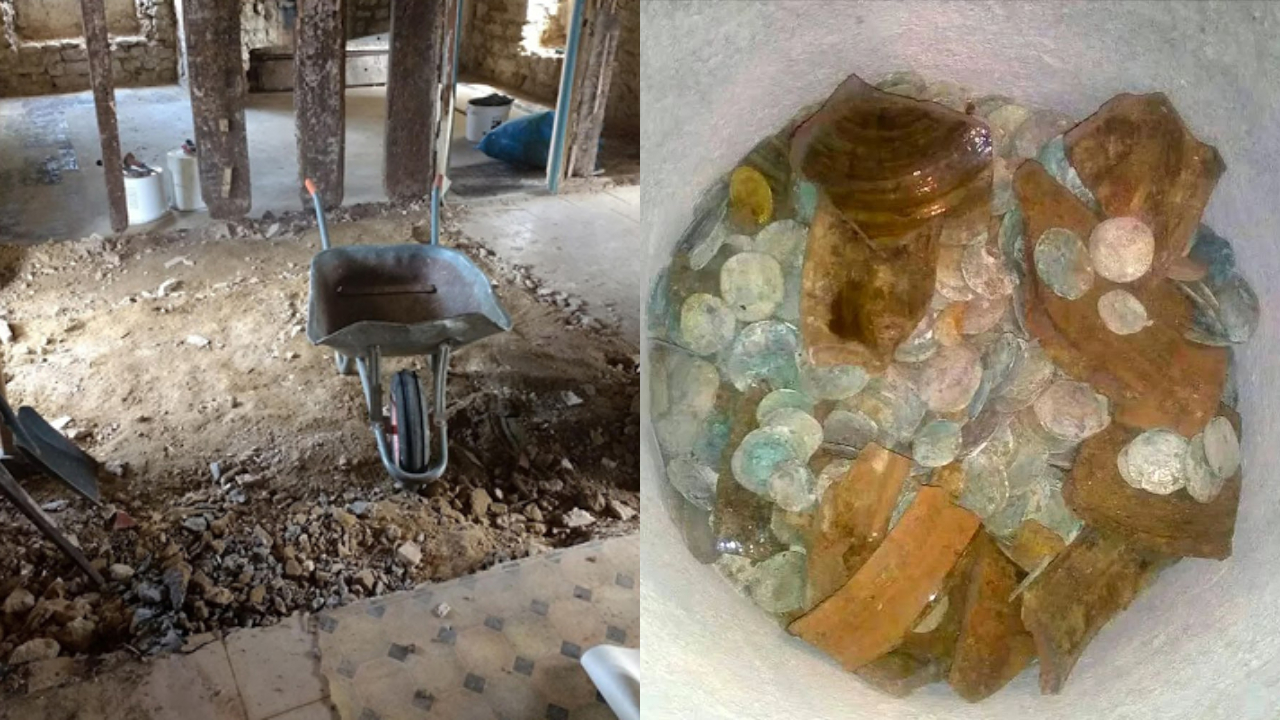
A couple buys an old chalet, breaks the kitchen floor for renovation, and finds over a thousand coins of gold and silver hidden since the English Civil War over 4 centuries ago.
-
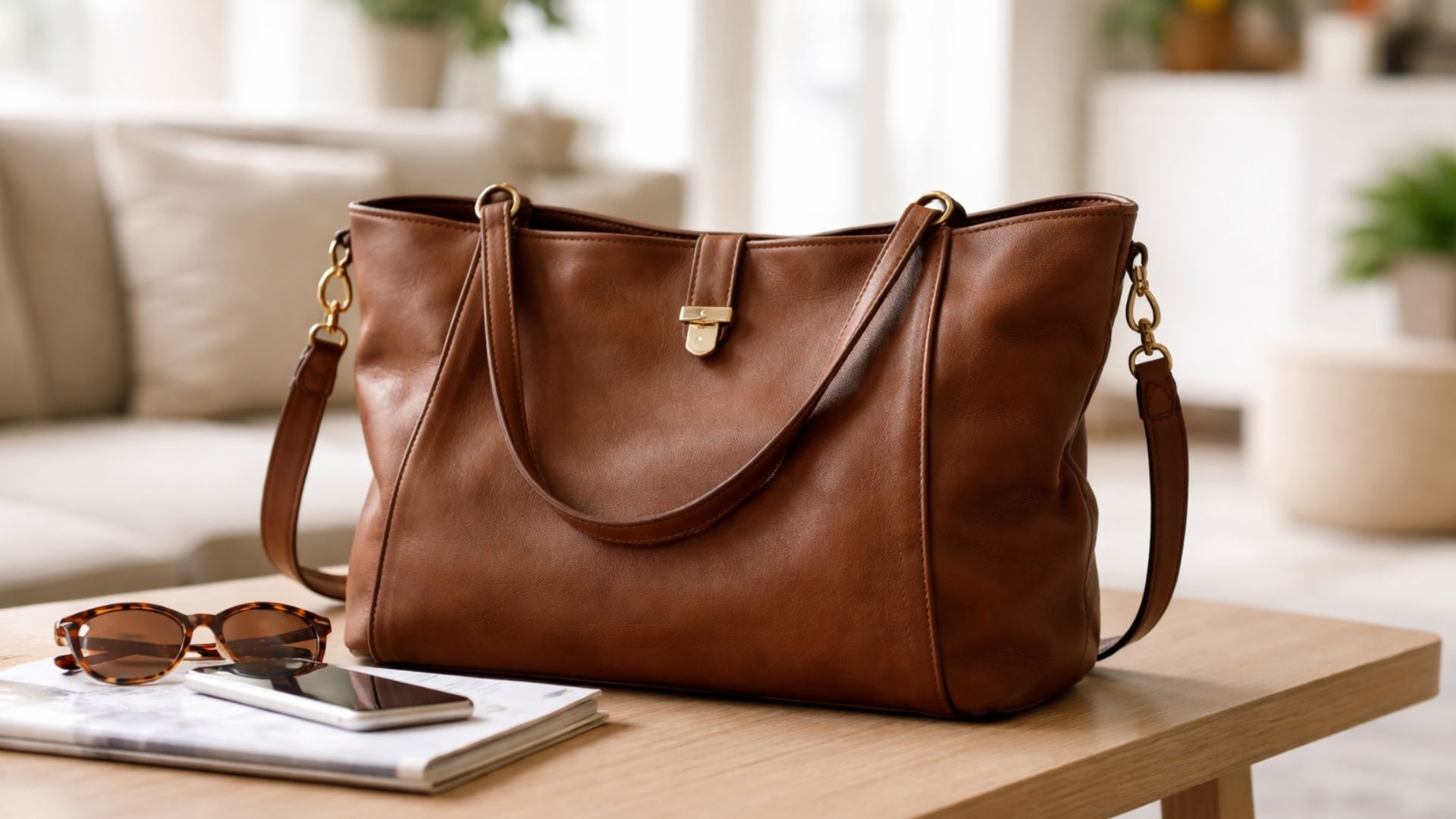
Rigid bags with their days numbered: new trend prioritizes comfort in 2026.
-
YouTuber creates an excavator equipped with a giant 4.5-meter sword to challenge his brother to a rematch, and the invention quickly goes viral on social media.

-
The U.S. Army surprises the world by presenting the UH-60MX Black Hawk helicopter capable of flying without pilots, controlled by a tablet, featuring the MATRIX system, smart sensors, and full autonomy in real combat and rescue missions.


The product’s origin is uncertain and the indicated importing company, Intralogística Distribuidora Concept Ltda, has a suspended CNPJ, which violates basic traceability and quality requirements.
The decision follows the understanding of the Ministry of Agriculture (Mapa), which disqualified the product in 2024.
Disqualification and unknown origin are triggers for sanitary risk: without documentary support, there’s no way to guarantee that it is actually olive oil, that there was no mixing with vegetable oils or contaminations during the process.
Why the Crackdown Became Tighter This Year
The ban on Ouro Negro olive oil occurs in a context of intensified inspections since the beginning of 2024.
More than 70 prohibitions (among brands and batches) have been published over the period, and over 20 brands have already received restrictions in 2025.
The main irregularities found include: adulteration/falsification, addition of vegetable oils, labeling failures, lack of sanitary licensing, substandard facilities, importation by companies with inactive CNPJ, and uncertainty about the composition.
For the consumer, the message is clear: prices significantly below the average and imprecise labels are usually red flags.
Appearance and taste are not enough to differentiate authentic olive oil from an adulterated product.
Which Brands Were Banned in 2025
In addition to Ouro Negro olive oil (October), the 2025 list includes: Los Nobles (September); Vale dos Vinhedos (July); Serrano, Málaga, Campo Ourique, Santa Lucía, Villa Glória, Alcobaça, Terra de Olivos, Casa do Azeite, Terrasa, Castelo de Viana, San Martín (June); Grego Santorini, La Ventosa, Escarpas das Oliveiras, Almazara, Quintas D’Oliveira, Alonso (May); Doma, Azapa (February).
Attention: some brands have been totally banned, while others had specific batches banned. Checking brand + batch is essential before purchase.
Not all bans are permanent, but all require caution until proven regularization.
How to Recognize a Regular and Safe Olive Oil
1) Recent bottling and complete labeling. Look for bottling date, information about origin, and content. Incomplete label is a risk sign.
2) Beware of very low prices. Olive is an expensive raw material; aggressive discounts outside seasonality are red flags.
3) Never buy in bulk. Without traceability, the chance of fraud increases and sanitary control is lost.
4) Check official registrations. Before buying, verify if the brand/batch has been banned and if the company (importer, distributor, or bottler) has a regular registration in the federal system.
When the label promises “extra virgin” at a ridiculously low price, cheap often ends up being costly; quality, acidity, and origin come with a price.
Official Tools to Check Before Purchase
List of Anvisa irregular and falsified products. Search by product name to see if there is already an active sanitary alert.
Positive result = do not buy.
Ministry of Agriculture systems (CGC/Sipeagro). Check if the importer, distributor, or bottler is regularly registered. Company without registration should not be on the market.
Good routine practice: save both official addresses in your phone’s favorites. In 30 seconds, you avoid months of problems.
Impact on the Market and Consumers
The withdrawal of Ouro Negro olive oil and other brands is expected to pressure the chain in the short term, affecting stocks, average prices, and trust.
In the medium term, the trend is to clean up the market, rewarding those who follow the rules and invest in traceability.
For consumers, the takeaway is: check the label, consult the registries, compare prices with the average, and keep receipts. In case of suspicion, file a complaint with local surveillance channels and save the batch for analysis.
Quick Checklist Before Taking Olive Oil Home
- Is the brand and batch confirmed in official systems?
- Recent bottling and complete label (origin, category, technical responsible)?
- Price within the average for the category and point of sale?
- Intact packaging (preferably dark glass) and storage protected from heat and light in the store?
If any answer raises doubt, do not buy. Food safety starts in the cart, not in the kitchen.
The ban on Ouro Negro olive oil reinforces a standard: active inspection and zero tolerance for uncertain origins, adulteration, and misleading labeling.
Informed consumers are protected consumers and influence retailers to raise standards.
And you? Have you encountered any of the banned brands in your city? Have olive oil prices changed there? Share in the comments brand, batch, market, and city your real account helps other readers make better decisions and pressures retailers to comply with the rules.






-

-

2 pessoas reagiram a isso.