





 Portuguese
  English
  Spanish
  3 min of reading
  0 comments


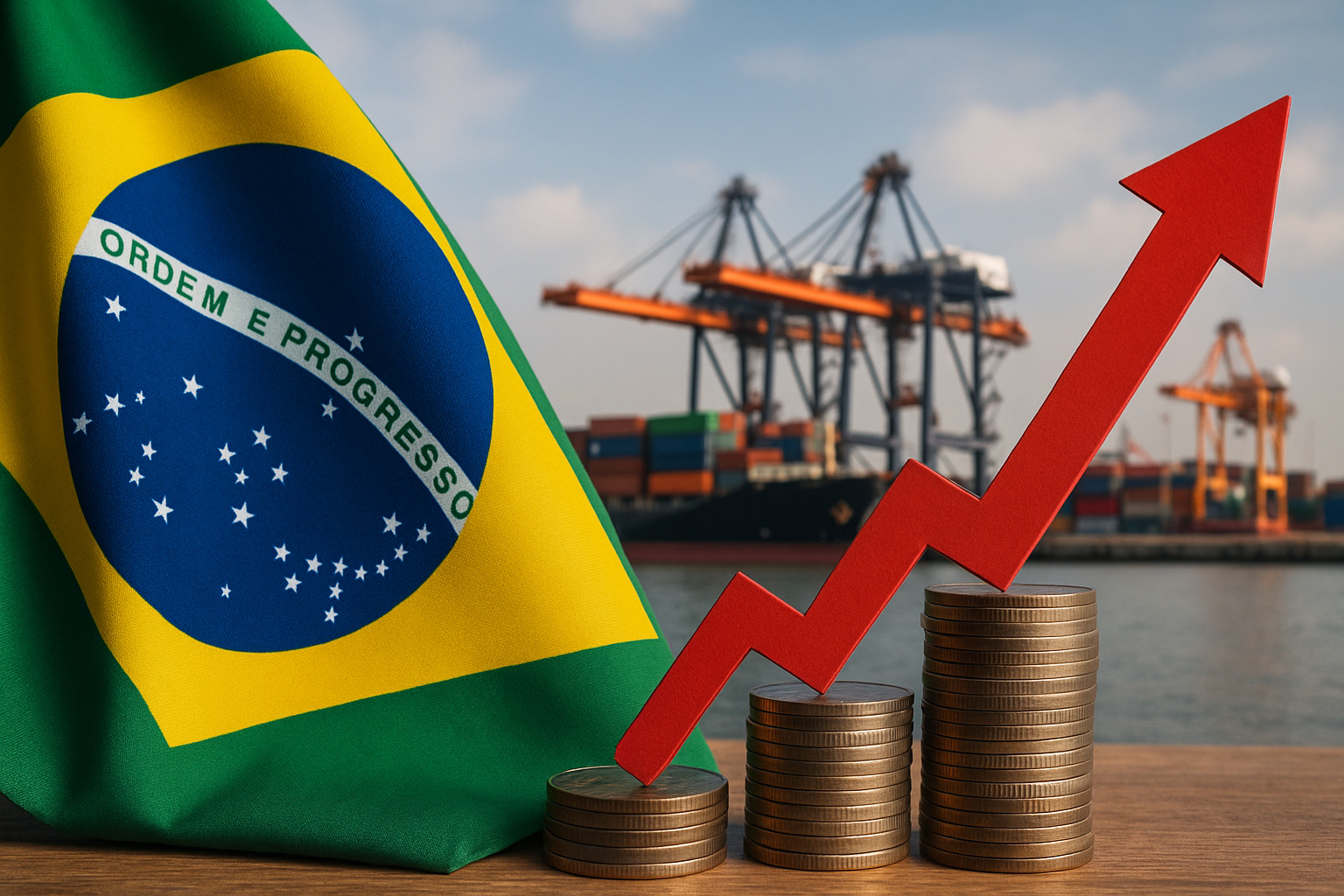
Government Raises Import Tax to Fill a Billion-Dollar Hole in Public Accounts and Ensure the Fiscal Target for 2026.
Government Raises Import Tax to Close Accounts and Meet Fiscal Target
The Federal Government has decided to increase the Import Tax to strengthen public funds and ensure the achievement of the fiscal target in 2026. The measure, adopted in Brazil, aims to raise an additional R$ 14 billion already next year.
The decision comes now, during the budget process, and directly affects the economy, foreign trade, and the cost of imported goods. The Executive has adopted this strategy because it needs to close the accounts, meet the primary surplus target, and avoid further spending cuts.
Thus, the tax takes a central position in the government’s economic policy.
-
Unemployment rises again to 5.8% at the beginning of 2026, raising alarms about the end of temporary positions and its impact on the Brazilian job market.

-
Document organization can cut invisible costs in small businesses, a simple step that prevents waste, rework, and losses in daily operations.

-
Chinese giant worth nearly R$ 4 billion that manufactures cables for electric cars, solar energy, and robotics wants to open a factory in SC.

-
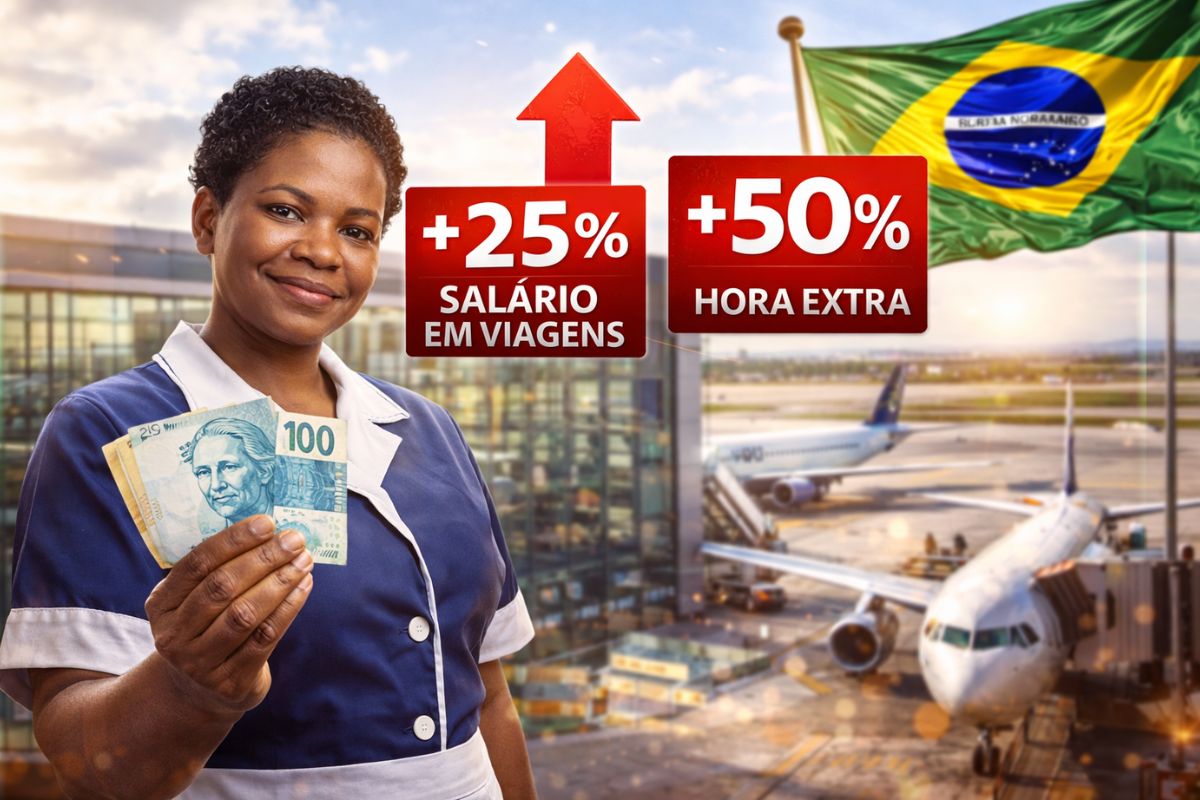
Many employers do not know, but the law guarantees domestic workers a 25% increase in salary during trips, 50% for overtime, 20% for night shifts, and 17 additional benefits that can lead to labor lawsuits if not paid.

Revenue Increases and Import Tax Gains Prominence
According to data from the Annual Budget Law Project, the government revised its revenue projection for the Import Tax. The estimated amount jumped from R$ 103 billion to R$ 117 billion.
As a result, the tax becomes one of the pillars to support the 2026 Budget. In addition, this change helps to offset revenue shortfalls in other areas.
Executive interlocutors admit that the increase became inevitable. Therefore, the tax enters as a direct solution to balance public accounts.
Fiscal Target Pressures Government Decisions
The 2026 Budget forecasts a primary surplus of R$ 34.3 billion. This amount represents 0.25% of Gross Domestic Product.
To achieve this target, the Government had to revise revenues and seek additional sources. Thus, the increase in import taxes emerges as the quickest alternative.
Furthermore, this measure avoids the immediate need for deeper cuts in programs and investments. On the other hand, it transfers part of the adjustment to consumers and businesses.
What Is Import Tax and Why It Weighs So Much
The Import Tax is a federal tax levied on foreign goods entering Brazil. It directly affects products purchased from outside the country.
In addition to raising funds, the tax serves as a tool for trade policy. The government uses it to protect domestic industry and regulate the flow of imported goods.
Thus, any change in this tax impacts the economy, trade, and domestic prices. Therefore, its increase generates ripple effects.
Direct Impacts on Consumption and Businesses
With the tax increase, imported products are likely to become more expensive. This affects everything from electronics to industrial inputs.
Companies that depend on foreign components face higher costs. Consequently, part of this increase may reach the final consumer.
Meanwhile, domestic sectors gain indirect protection. Therefore, the government tries to balance revenue, competitiveness, and inflation.
Economy Feels the Effects and Market Reacts
Experts evaluate that the tax increase helps the treasury in the short term. However, the strategy may limit economic growth if not accompanied by stimuli.
Moreover, the market observes with caution the recurrent use of taxes to close accounts. The signal concerns investors attentive to fiscal predictability.
Still, the Government bets that the impact will be manageable. Thus, it maintains a discourse of responsibility with public accounts.
Import Becomes Central Tool of Economic Policy
Behind the scenes, members of the economic team acknowledge that import has become a key element of the fiscal adjustment. The tax provides immediate revenue and direct control for the Executive.
On the other hand, the strategy reveals structural difficulties in balancing the Budget. Therefore, it reinforces the debate about fiscal reform and spending control.
Meanwhile, the economy continues under pressure. The challenge for Brazil remains to grow without excessively expanding the tax burden.
Government Bets on Tax to Buy Time
With the increase in the Import Tax, the government gains momentum for 2026. The measure helps fulfill the fiscal target and avoids immediate political wear.
However, the solution does not resolve the long-term problem. Thus, the debate about taxes, expenditures, and growth remains at the center of the economic agenda.
The use of the tax as a fiscal anchor reinforces a clear message. The adjustment has already begun, and the cost starts to reach consumers’ pockets.










Seja o primeiro a reagir!