





 English
  Francês
  Alemão
  Italiano
  Japonês
  Norueguês
  Portuguese
  Spanish
  3 min of reading


The State-Owned Company Will Have An Even Greater Role In Investments Related To Fertilizer Production And Fuel Refining In The Country. The Lula Government Intends To Suspend Petrobras’ Divestment Plan And Focus On Its Role As A State-Owned Company.
Even with only a few days since the beginning of the term, the Lula Government is already facing high expectations for the coming months. This Thursday (01/12), the biggest discussions regarding the president’s next steps are around Petrobras. The new administration intends to expand the state’s role in investments related to fuel refining and fertilizers in the country. Thus, expansion projects for the production of both products will be developed throughout Lula’s term.
Ministers of Agriculture, Finance, Chief of Staff, and Mines and Energy Support Expansion of Petrobras’ Investments in Refining and Fertilizers
One of the major discussions for Petrobras in 2023 is the possible new pricing policy that the state-owned company will adopt in the coming months, as anticipated by the new Lula Government.
However, while that does not happen, the new administration is working towards investments in two specific sectors within the state-owned company: fertilizer production and fuel refining.
-
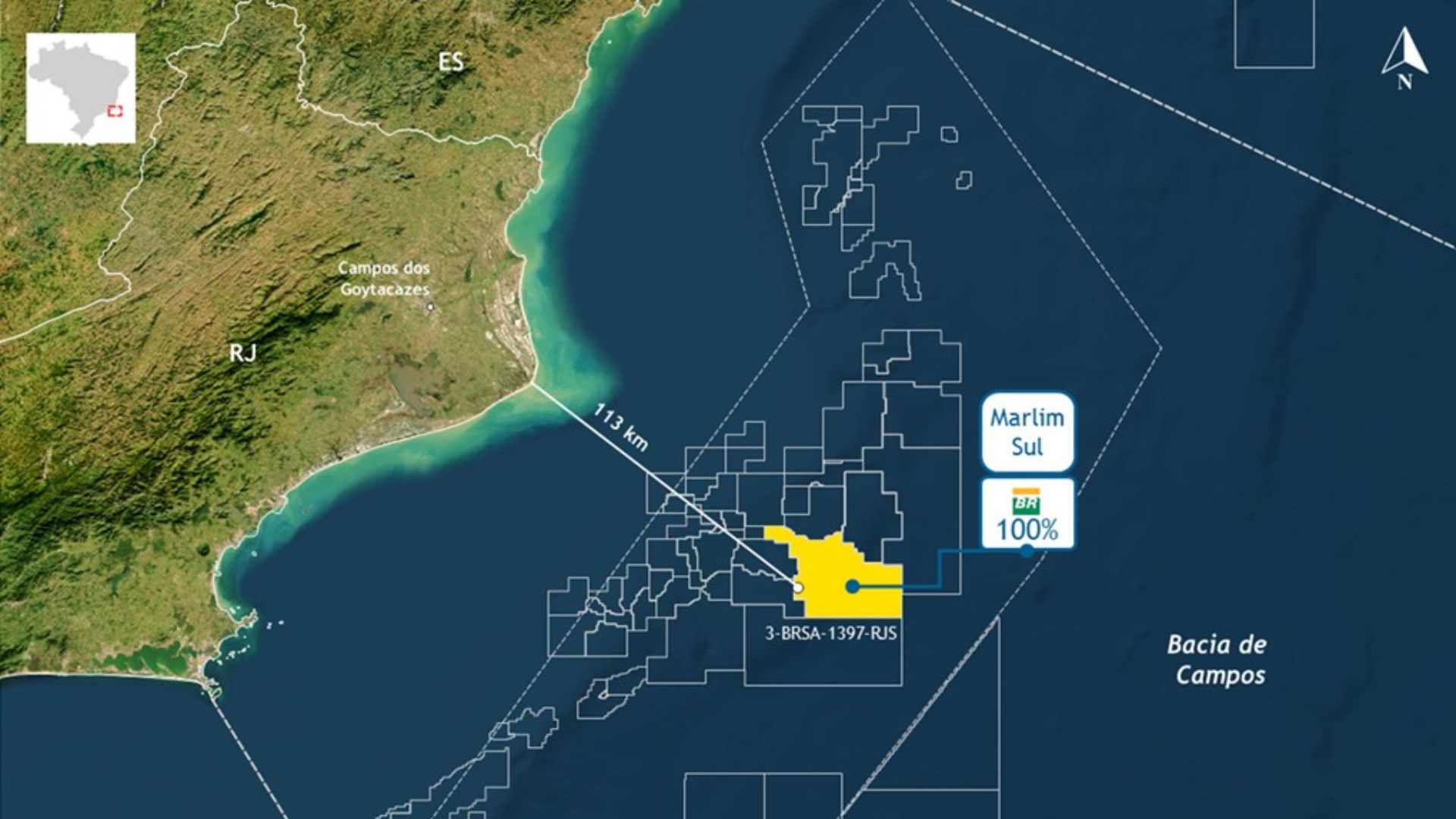
Petrobras finds high-quality oil in the pre-salt at 113 km from RJ and reignites expectations about strategic reserves in the Campos Basin.

-
Ocyan opens registrations for startups focused on innovation in the oil and gas sector and will select projects for Innovation Day with the support of Nexio.

-
Petrobras announces new oil discovery in the pre-salt of the Campos Basin and reinforces Brazil’s prominence with high-quality reserves that can increase production and energy revenues.
-
Alert in the fuel market: Analysts and a former director of ANP warn that oil prices may worsen in the coming months due to global instability.


Both are projects that lost momentum during the final years of the Bolsonaro Government, due to the strong divestment plan on state assets adopted by the former president.
Thus, the Lula Government found a Petrobras without a scope for the development of these areas but will use its new management to change the scenario over the next 4 years.
The heads of the Agriculture, Finance, Chief of Staff, and Mines and Energy ministries have been among those who have already publicly signaled their intention to resume investments in the fertilizer sector and in fuel refining in Brazil.
However, the state-owned company still does not have a new presidency, even though Senator Jean Paul Prates is currently the most quoted name for the position.
Although it is almost certain that he will take over the presidency of Petrobras, his appointment is still being evaluated by the Chief of Staff.
Thus, the change in administration could be essential for the Lula Government’s upcoming investments in refining and fertilizer production.
Investments In Refining And Fertilizers Are Necessary, But The New Government Will Face Cash Problems At Petrobras For New Projects
Even with great intentions to invest in the state projects of the oil company over the next few years, the Lula Government may face some significant problems along this path.
Among these is the need for strong cash flow for investments in refining and fertilizer ventures.
This is a scenario that becomes even more stable amid possible changes in the pricing policy that will be adopted by the company in the coming months.
However, industry experts highlight the importance of new investments from Petrobras in fertilizer projects and, especially, refining in Brazil.
Professor Edmar Almeida from the Energy Institute of PUC-Rio emphasized that Petrobras is already in a position to rethink its strategy, and that this needs to be done now.
“Brazil needs an energy plan, and Petrobras must adjust to that. Not the other way around. The company is publicly traded and needs to have a business dimension. Petrobras is not 100% state-owned to be used as a public instrument,” highlighted the expert.
Now, according to him, the first step is to define what the energy transition for Brazil will be, as this was not addressed in the previous government.









Seja o primeiro a reagir!