





 Portuguese
  English
  Spanish
  3 min of reading


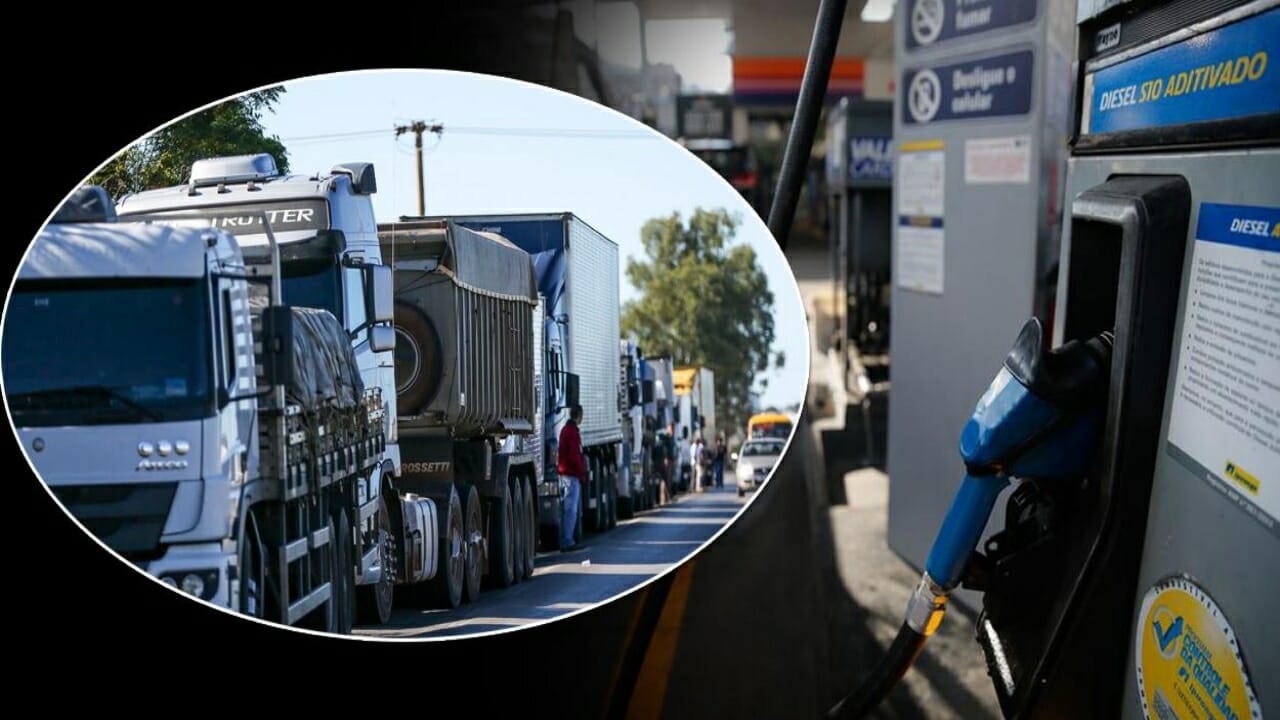
If The MP Is Approved, Those Who Fuel Vehicles With Diesel Can Expect A 12% Increase In Tax Rates.
The Brazilian government is considering expediting federal taxes on diesel as a solution to finance the stimulus program for the sale of popular cars. This measure, which was initially planned for next year, may occur in two stages: half in September this year and the other part in January 2024. View how this advance in tax rates may affect truck drivers, consequently impacting consumers’ wallets and potentially having an inflationary impact, according to economic experts’ evaluations.
A Provisional Measure (MP) is ready to be reviewed in Congress, proposing the anticipation of the reimposition of taxes on diesel as a way to compensate for revenue losses. This proposal also considers the implementation of a “green package” from the Ministry of Finance, linked to the policy for reducing vehicle prices.
Unlike the original plan from the Ministry of Development, Industry and Trade (MDIC) to reduce the cost of popular cars priced up to R$ 120,000 produced in Brazil, the MP foresees replacing cuts to PIS, Cofins, IPI, and IOF with tax credits for companies in the sector. Instead of a tax reduction between 1.5% and 10.96% on the value of the vehicle, as initially proposed, consumers will be able to receive bonuses of R$ 2,000 to R$ 8,000 on the invoice, which will be compensated by automakers in tax collection.
-
Unemployment rises again to 5.8% at the beginning of 2026, raising alarms about the end of temporary positions and its impact on the Brazilian job market.

-
Document organization can cut invisible costs in small businesses, a simple step that prevents waste, rework, and losses in daily operations.

-
Chinese giant worth nearly R$ 4 billion that manufactures cables for electric cars, solar energy, and robotics wants to open a factory in SC.
-
Many employers do not know, but the law guarantees domestic workers a 25% increase in salary during trips, 50% for overtime, 20% for night shifts, and 17 additional benefits that can lead to labor lawsuits if not paid.


Truck Drivers May Join Strike, As They Will Be The Most Affected By The Reimposition Of Diesel
The government’s expectation is that the reimposition of diesel taxes in two stages will dilute the inflationary impact. It is also believed that there will not be a significant increase in diesel prices due to the decline in the price of oil barrels and the depreciation of the dollar against the real.
However, historically, measures of this type have severe consequences for the Brazilian consumer. If the MP is favorably approved by Congress, those who fuel vehicles with diesel can expect a 12% increase in tax rates.
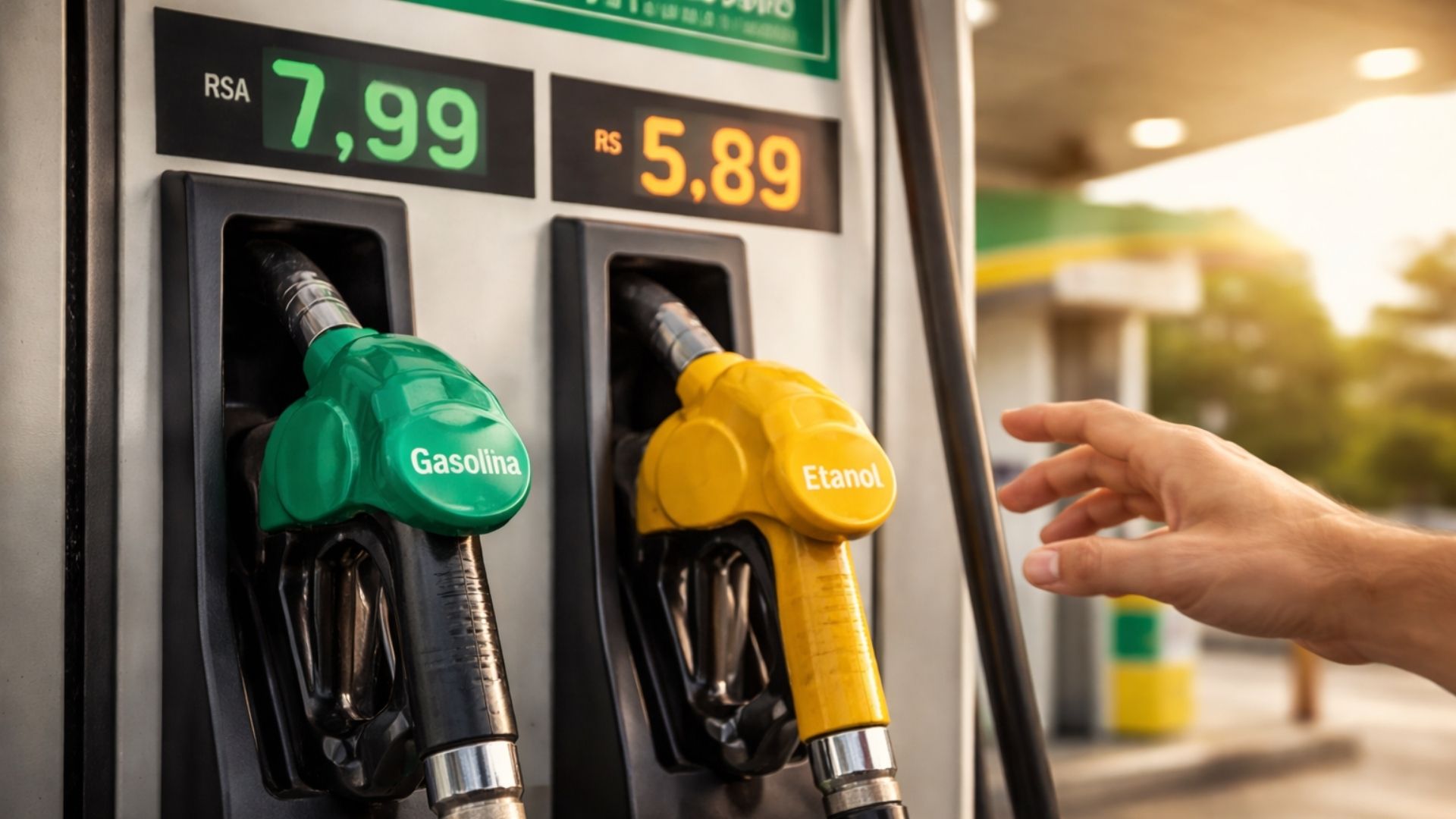
In March of this year, consumers already felt the impact of the return of PIS and Cofins charges on gasoline and ethanol. According to the IPCA (National Consumer Price Index), gasoline was the subitem with the highest weight among 377 evaluated products. In the same month, inflation was at 0.71%, and fuel accounted for more than half of that value.
The consequences of the reimposition of diesel taxes deserve attention, as this fuel is crucial for the entire logistics chain and will directly affect truck drivers, who, feeling pressured, may join the strike. About 65% of freight in Brazil is transported by road using diesel. Historically, when there are changes in diesel prices, all products consumed in the country experience price impacts.









Seja o primeiro a reagir!