





 Portuguese
  English
  Spanish
  2 min of reading


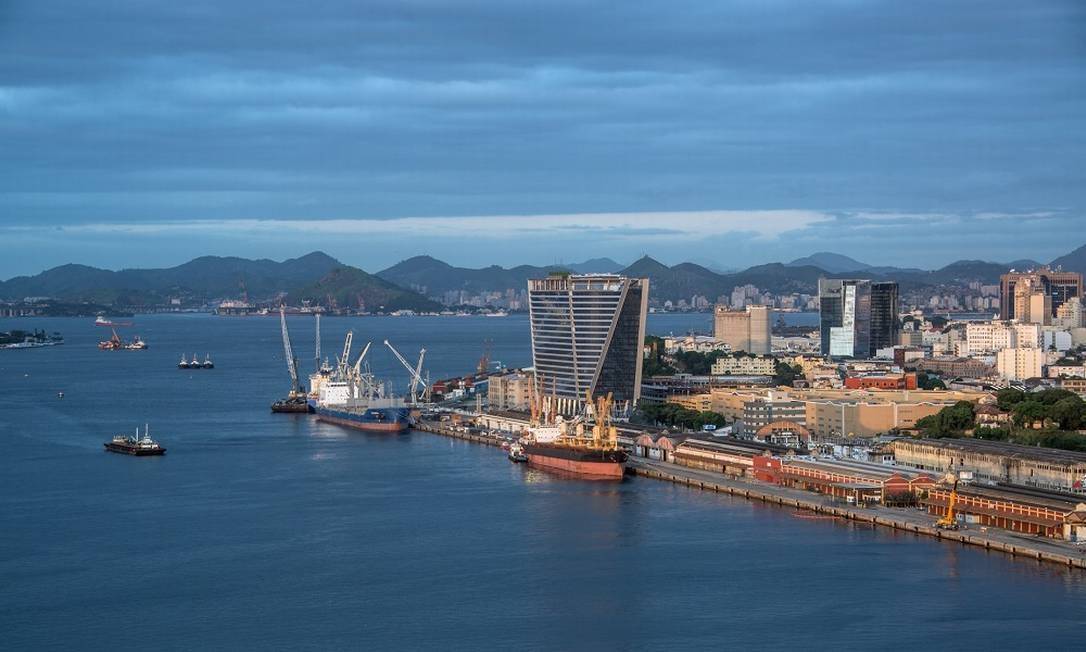
Audit of the Federal Court of Accounts (TCU) Concluded That Organized Ports in Brazil Face Bureaucratic Issues and Underutilization
This year, the government aims to implement an agenda for the deregulation of the port sector, with new contracting models in public ports. According to an audit conducted by the Federal Court of Accounts (TCU), the conclusion reached was that organized ports in the country face bureaucratic issues and underutilization.
See Also Other News:
- Strong in the country’s civil construction, MRV is offering many job vacancies for various regions on this day 09
- Ibama Receives Request from Petrobras to Drill Oil Well in the Potiguar Basin
- Coca Cola Hires Helpers, Technicians, Drivers, Assistants, and More Professionals on This Day, June 8
What is primarily sought by the Secretariat of Ports and Waterway Transport of the Ministry of Infrastructure is the reinstatement of temporary contracts, previously used but overturned by court decisions.
-
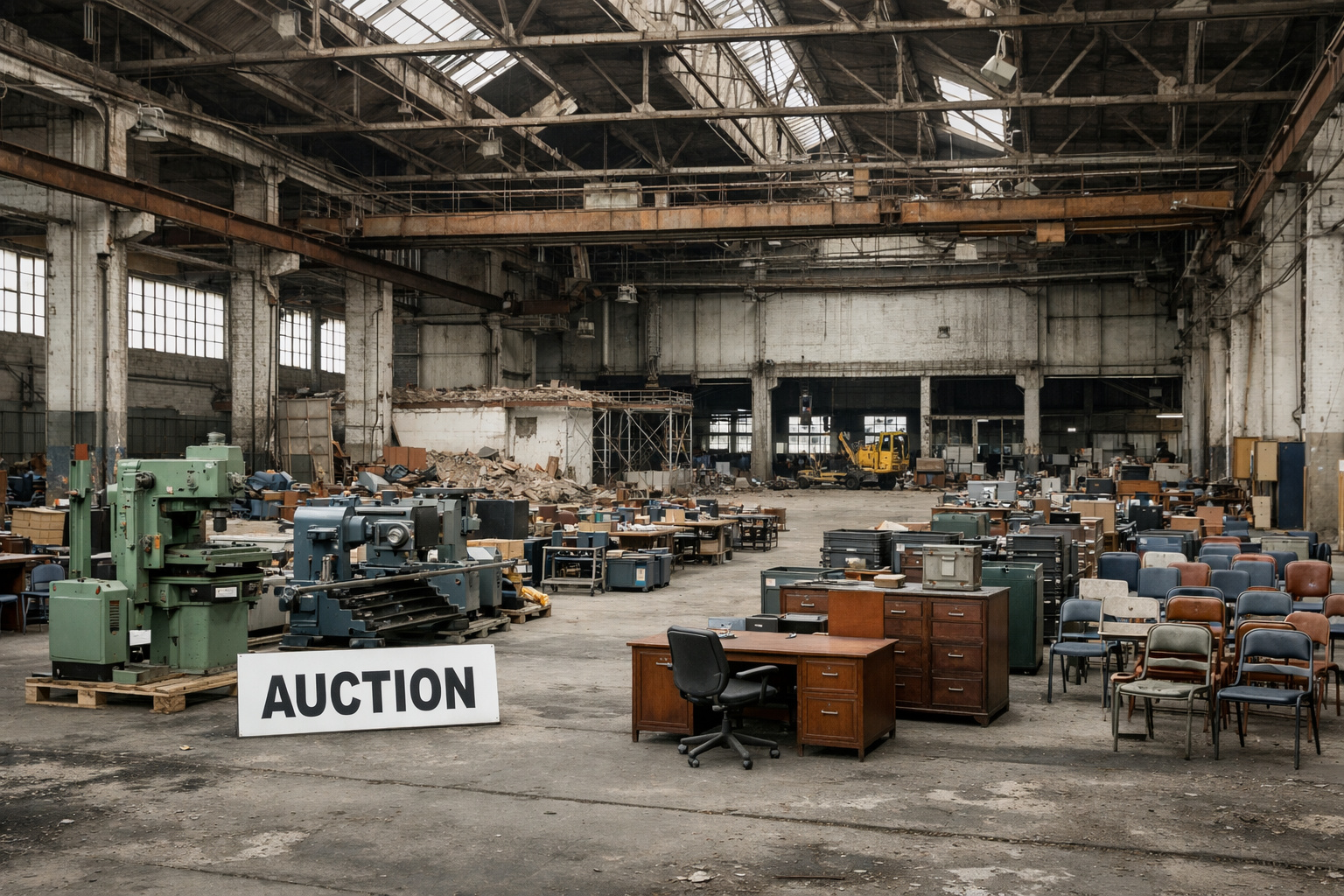
Historic bankruptcy of Centauro shocks the market, and the century-old company puts more than 500,000 products, machines, and complete infrastructure up for online auction.
-
New shoe factory in Ceará is expected to create 400 jobs and strengthen the local economy.
-
No one imagined it, but a mixture of sawdust with a mineral that fights fires surprises scientists with a result that changes the course of fire-resistant construction.

-
From empty land to a high-end house, wooden construction uses a lightweight system, metal structure for the foundation, ventilated ceramic cladding, and special windows to create an efficient and comfortable living space throughout the year.


One of the audit’s recommendations – which still needs to go through the Court’s plenary – is for the government to create contracting mechanisms that enable the exploration of operational areas of organized ports for which leasing is not suitable, such as temporary use contracts.
Diogo Piloni, National Secretary of Ports and Waterway Transport, says, “We are considering moving this to legal status, this and other simplifications.”
According to Estadão, the solution is being considered in the context of worrying numbers for the public port segment. The TCU audit identified an average overall idleness rate of 56% in the main organized ports. For the Court’s technicians, one of the limiting factors for exploring these spaces is that leasing – “with all its difficulties” – is the only form of contracting between the port authority and the terminals.
This type of contract is seen as rigid (it can last up to 35 years) and unable to provide leased terminals and the port authority with the flexibility required by the dynamism of commercial flows in the port sector. Furthermore, its bidding process is viewed as extremely time-consuming, as it can take more than two years from the start of studies to the signing of the contract.
In the contract model used by the government in the past, an area could be handed over without bidding for up to 60 months (5 years). The conditions were that the company had no leasing in the port and the cargo to be handled was not consolidated at the location. Subsequently, the operation could then undergo a bidding process.









Seja o primeiro a reagir!