





 Português
  Inglês
  Espanhol
  5 min de leitura
  21 comentários


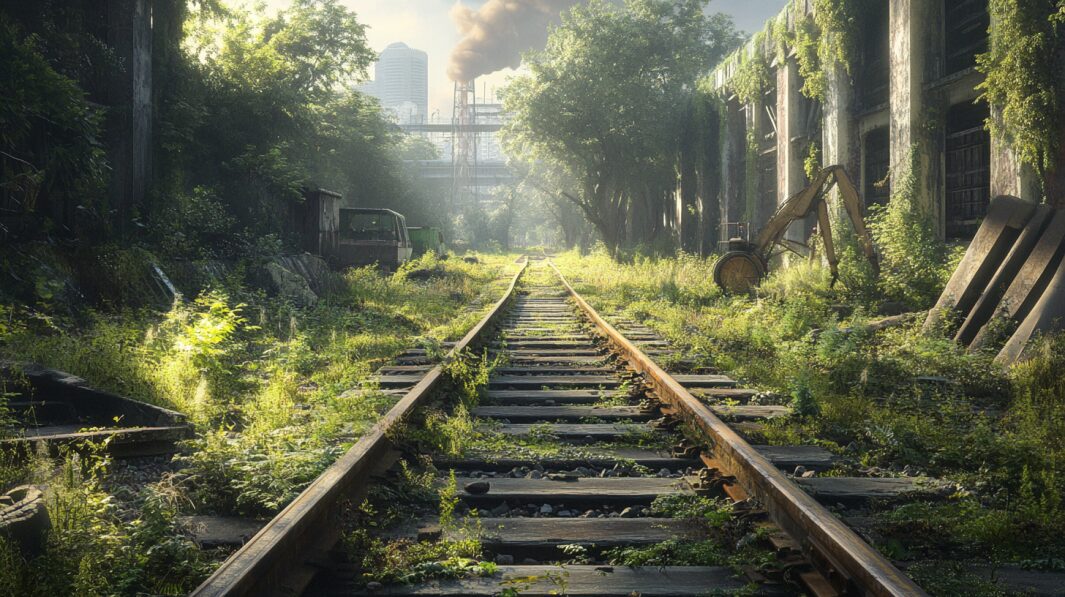

Federal Government Is About to Recover More Than 11 Thousand Km of Abandoned Rails and Generate R$ 20 Billion in Compensations. Will the Country Finally Be Able to Revitalize the Railway Sector and Reduce Its Dependence on Highways?
The Brazilian railway landscape is about to undergo a historic transformation.
After years of stagnation, the federal government is determined to revolutionize the country’s railway network, focusing on the recovery of abandoned rails that represent a significant portion of the sector.
The big question, however, is how the concessionaires, who currently control these railroads, will be compensated and where the funds for this ambitious initiative will come from.
-
Brazilian city gains industrial hub for 85 companies that is equivalent to 55 football fields.

-
Peugeot and Citroën factory in Argentina cuts production by half and opens a layoff program for more than 2,000 employees after Brazil drastically reduced purchases of Argentine vehicles.

-
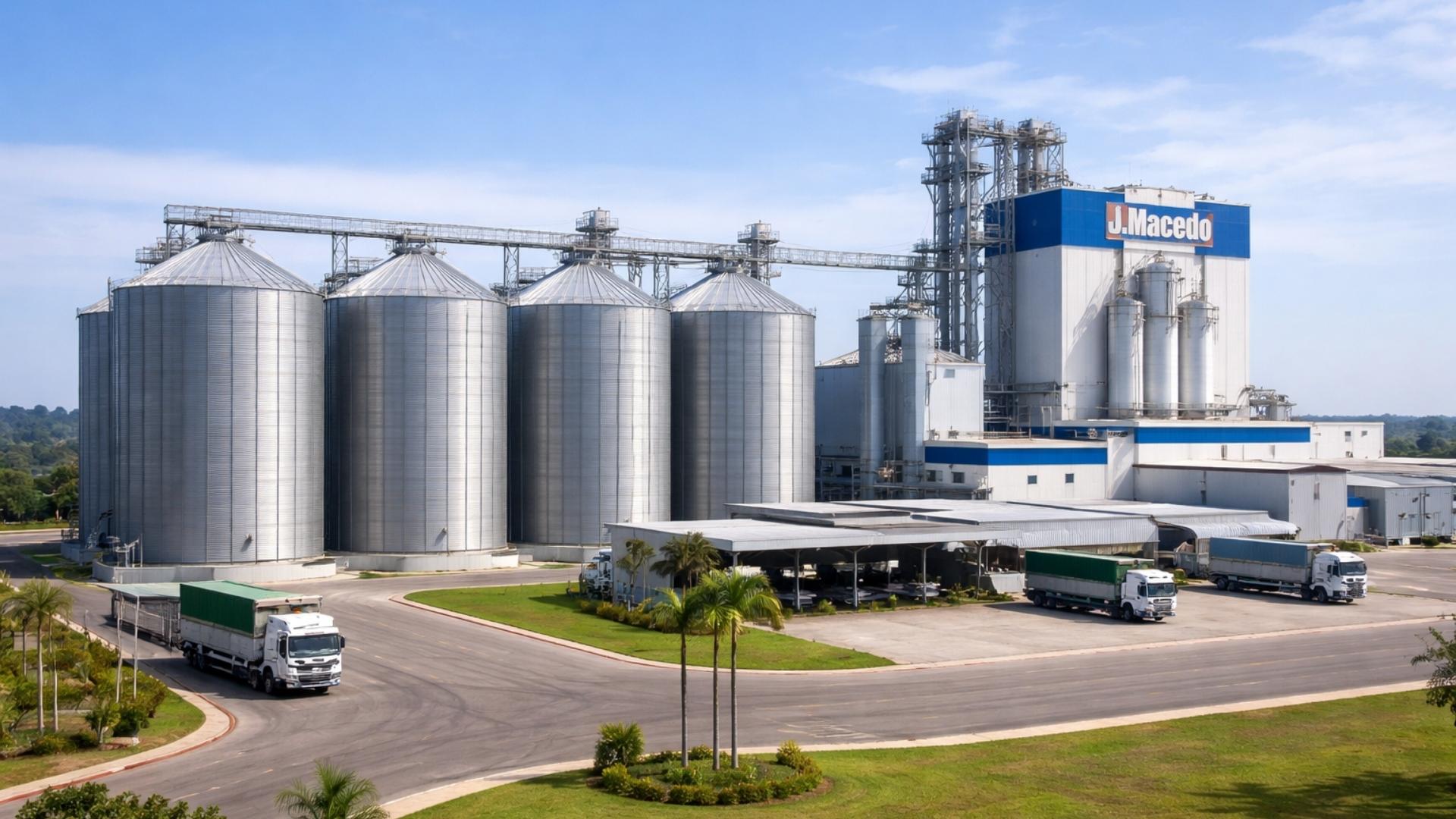
A Brazilian city gains a factory worth R$ 300 million with the capacity to process 200 thousand tons of wheat per year, a mill of 660 tons/day, silos for 42 thousand tons, and an industrial area of 276 thousand m².
-
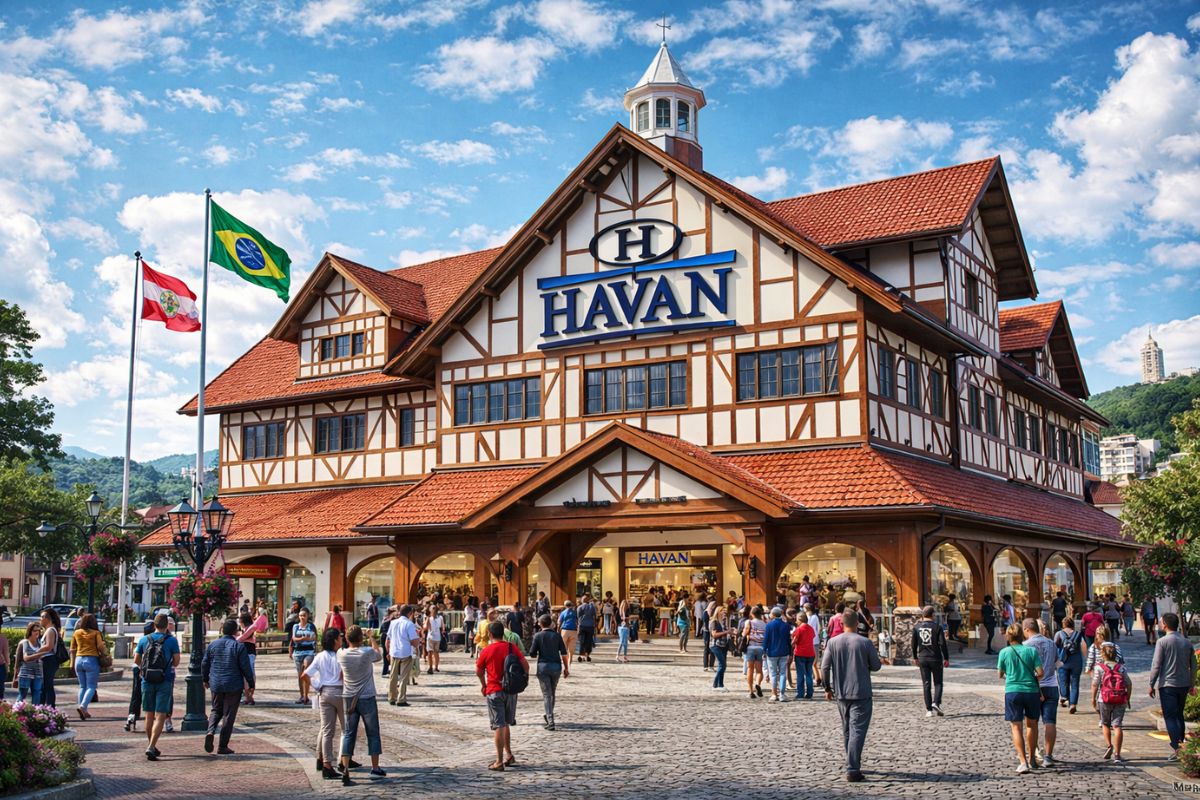
Havan will leave the shopping mall in Blumenau to inaugurate something that the chain has never done before: a megastore in half-timbered style in the Historic Center of the city, which is expected to be completed in May and change the landscape of local retail.

More than 11 thousand kilometers of inactive rails are scattered across various regions of Brazil, putting the country’s logistical growth at risk.
According to information from the National Land Transportation Agency (ANTT), the government is already preparing to gradually resume 11.1 thousand kilometers of railways that are currently abandoned.
Currently, 36% of the entire railway network in the country is inactive or underutilized, a reflection of poor management and the disinterest of concessionaires over the years.
The current concessionaires will have to return these segments to the Union and pay compensations that could yield around R$ 20 billion to the public coffers, funds that will be reinvested in the sector.
Abandoned Railways Are in the Hands of Transportation Giants
These unused rails are under the control of three large companies that took over parts of the former national railway network in the late 1990s.
The concessionaire Rumo holds the largest number of inactive segments, with around 4,900 kilometers of suspended railways.
Among these, there are 3,400 kilometers belonging to Rumo Malha Sul, 900 kilometers to Rumo Malha Paulista, and another 600 kilometers to Rumo Malha Oeste.
This abandonment is not an isolated phenomenon and affects other major companies such as Ferrovia Transnordestina Logística (FTL), which has 3,000 kilometers unused, and Ferrovia Centro-Atlântica (FCA), controlled by VLI Logística, with another 3,000 kilometers halted.
The concessionaires argue that many of these railways were not in adequate operating condition when they took over the concession.
Rumo, for example, stated that it maintains constant dialogue with the government to seek solutions and return these inactive segments.
For its part, FCA indicated that the return is part of a process of early concession renewal, and that each returned segment undergoes a technical analysis with the government.
Compensations Could Generate Up to R$ 20 Billion for Modernization
The impasse over the return of these abandoned railways has always revolved around the compensation that the companies must pay to the government.
According to technicians from ANTT, calculating the compensations has been one of the biggest challenges faced over the years, as the concessionaires argue that they did not receive modernized segments.
However, according to an audit by the Federal Court of Accounts (TCU), a reference value was defined after years of negotiations, based on an agreement for the return of segments from Rumo.
Each kilometer of unused railway may generate compensation ranging from R$ 1.5 million to R$ 2 million, depending on the complexity of the case.
This amount is considerably lower than the cost of building a new railway, which nowadays ranges from R$ 15 million to R$ 20 million per kilometer.
In other words, for the concessionaires, this compensation represents a financially more viable exit than the investment needed to revitalize the segments.
In total, the compensations could reach R$ 20 billion, an amount that will be essential for reinvesting in the Brazilian railway sector.
The Impact of Abandoned Segments on Brazil’s Logistics
The abandonment of more than one-third of the national railway network has created a ripple effect on cargo transportation, increasing reliance on highways and consequently logistics costs.
According to data from ANTT, segments of very low utilization also contribute to the waste.
More than half (57%) of the railway network has daily traffic of fewer than two trains (round trip), a troubling figure for a country that relies on efficient transportation to move grains, minerals, and other products.
Plans to Modernize and Expand the Railway Sector
The resumption of abandoned railways is not just a process of return and compensation. The federal government, together with ANTT and the Ministry of Transport, is developing a plan to modernize the sector.
This includes new concessions, modernization of returned segments, and investments in technologies that make railway transport more efficient and sustainable.
According to Davi Barreto, president of the National Association of Railway Transporters (ANTF), the sector sees this situation as a unique opportunity to expand the railway modal in the country.
The expectation is that, with the injection of R$ 20 billion from compensations, Brazil can increase the efficiency of its railway network and reduce its dependence on highways, which would bring enormous economic and environmental benefits.
Barreto emphasizes that the railway sector can gain strength if the resources are effectively applied in investments that modernize the railway network.
Challenges and Next Steps
By early November 2024, the technical area of ANTT should complete a detailed report on how the return of abandoned segments will be carried out.
The process has already gone through public hearings and discussions with government technicians, concessionary companies, and sector specialists.
Details on how each segment will be priced and returned should be disclosed soon, accompanied by a schedule for the modernization of the railways that revert to Union control.
With this initiative, the federal government takes an important step toward a more efficient railway network, essential for boosting Brazil’s logistical development.
The big question now is: will this effort manage to modernize the railway sector in time to meet the demands of an increasingly industrialized and globalized Brazil?








Além das ferrovias, o Brasil deveria investir mais na navegação de cabotagem, diminuindo os custos de transportes. E a rodovia ser um complemento da navegação de cabotagem e ferrovias. E interligar todas as ferrovias do Brasil.
E o trem de alta velocidade que ia ser construído no governo da Dilma entre são Paulo e Rio de janeiro até hoje não saiu do papel, enquanto outro países tem esses trem aqui se fala em trem ultrapassados por isso esse Brasil não vai pra frente
Parabéns Governo. Federal . acordou. Estamos entregue as Multi-Nacional que exploram o nosso povo.As Ferrovias são vitais para a Segurança Nacional.
Deus abençoe tidos desse governo.