





 Portuguese
  English
  Spanish
  2 min of reading
  2 comments



Strategy to Tax Solar Panels Aims to Attract Investments, Stimulate Domestic Manufacturing, and Increase Jobs in the Photovoltaic Solar Supply Chain
The federal government is considering raising the import tariff on solar panels. The measure is under study in the Executive Management Committee of the Foreign Trade Chamber (Gecex-Camex), aiming to strengthen the national solar energy industry and reduce dependence on foreign equipment.
First Increase of Solar Panels Takes Effect in July
By the end of 2024, the Ministry of Development, Industry, Commerce and Services (MDIC) had already announced the increase of the tariff from 9.6% to 25%.
The measure, which will take effect in July 2025, was presented as a step to encourage the production of modules, cells, and wafers in Brazil.
-
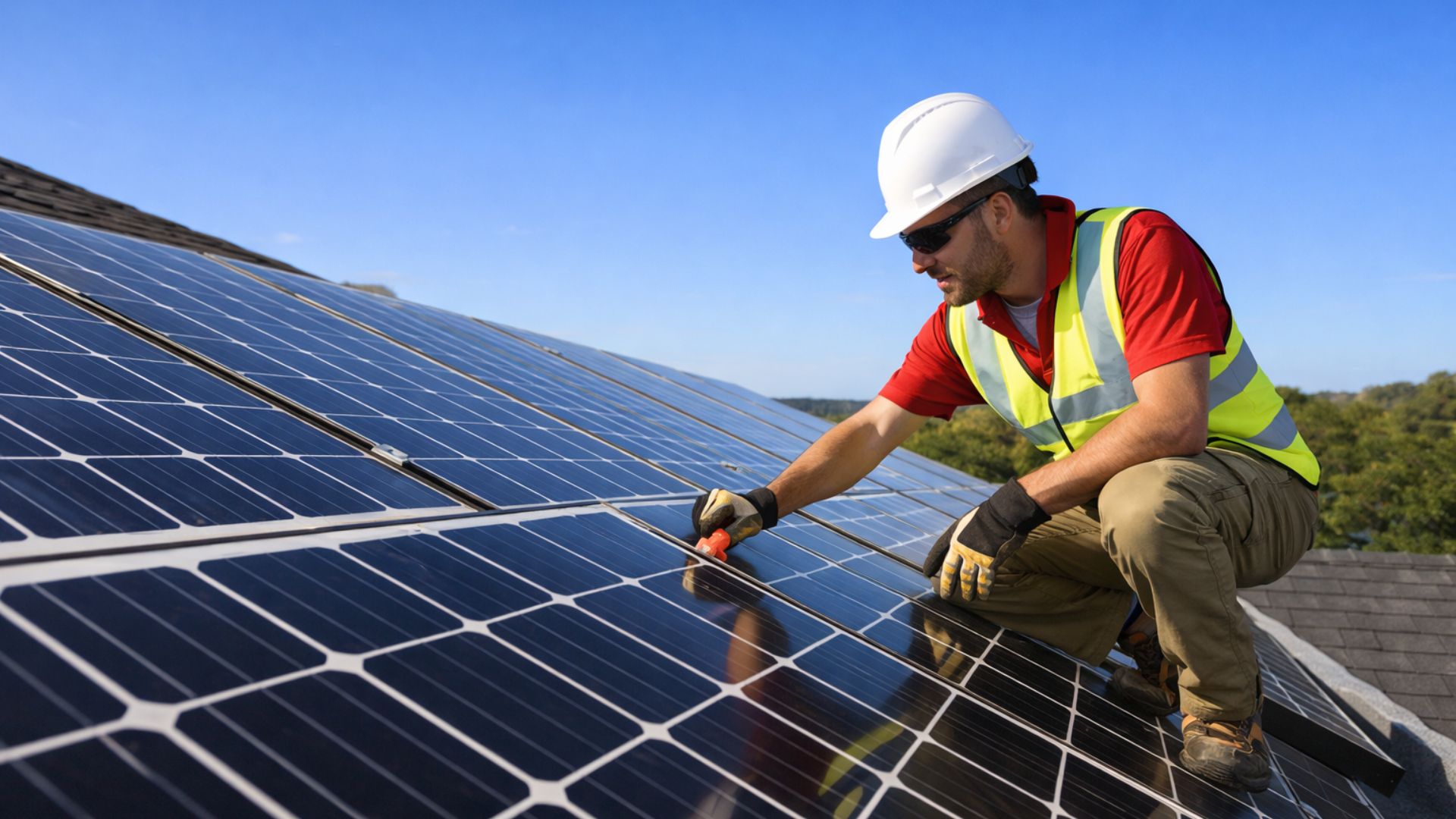
Seagri’s headquarters invests in solar energy with Neoenergia Coelba and promises to cut electricity costs, highlighting a strategic advance in sustainability and energy efficiency within state public administration.
-
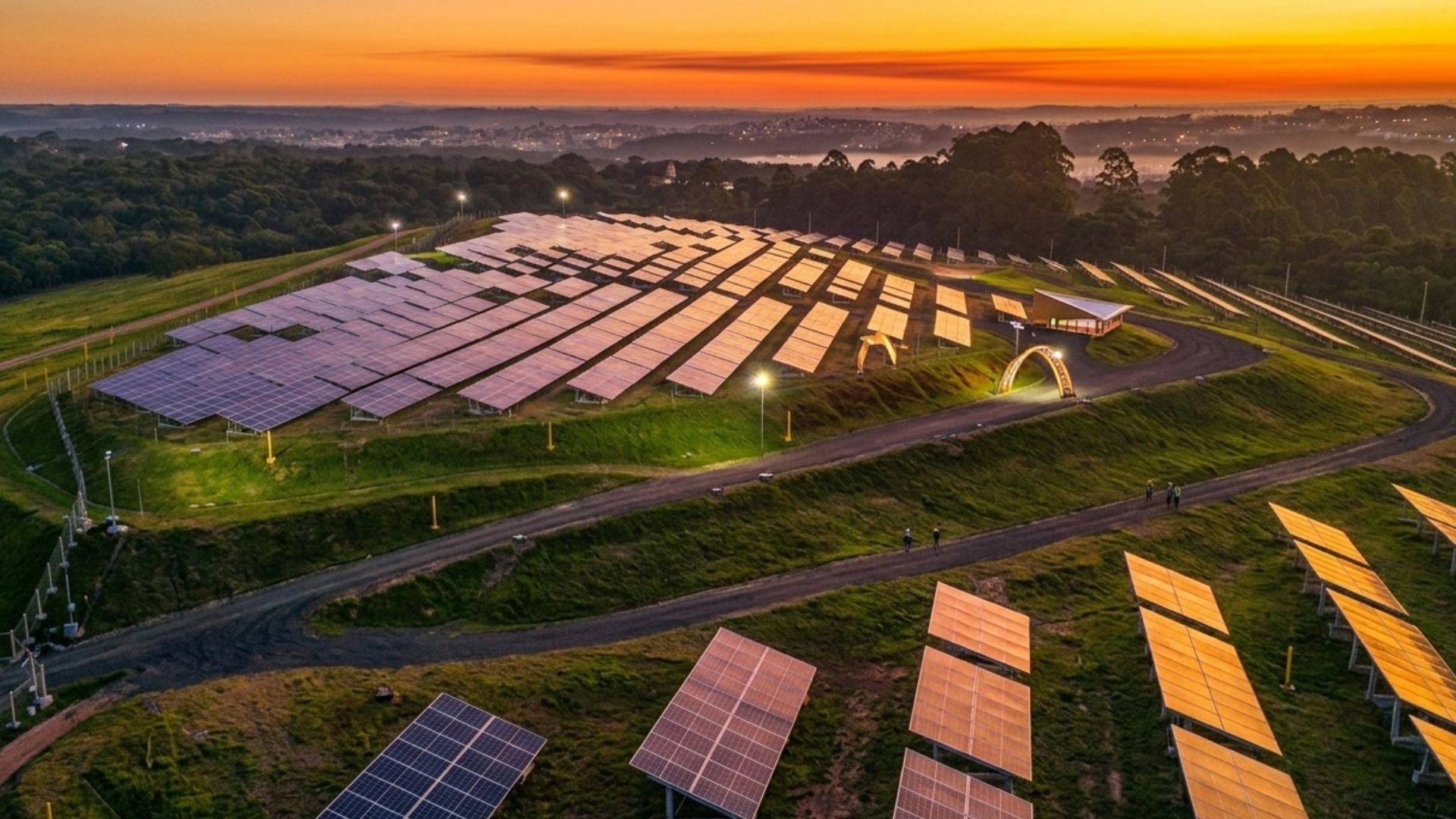
Solar Pyramid draws attention by converting solar energy into million-dollar savings and repositioning the City Hall of Curitiba as an example of innovation, sustainability, and intelligent use of public resources.
-
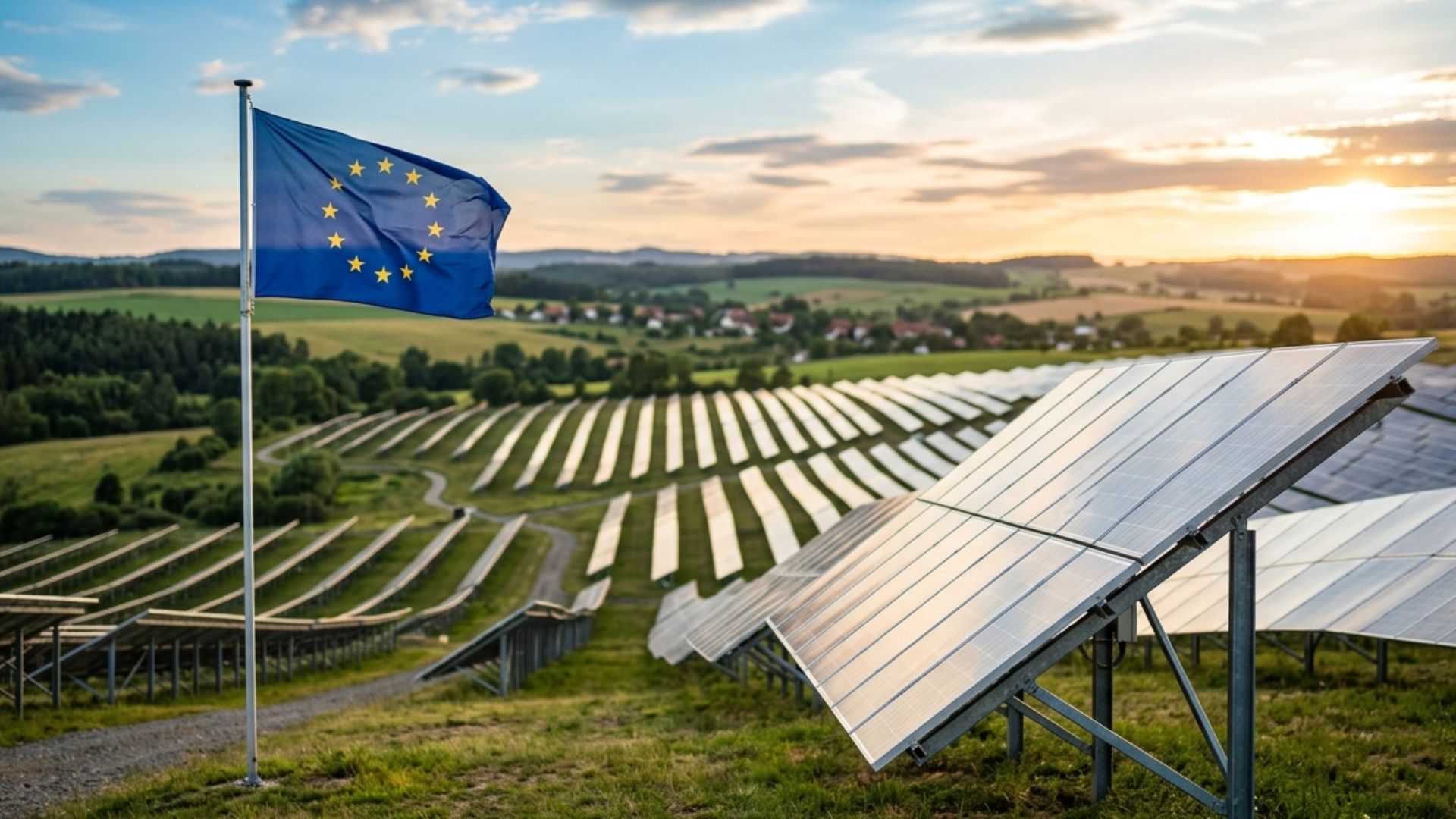
Europe records strong euro economy with solar energy in March and sparks curiosity about which country leads growth that redefines the energy market and reduces costs.
-
Piauí reaches a historic milestone in energy transition: State records nearly 160,000 households powered by solar energy and leads growth in the Northeast.
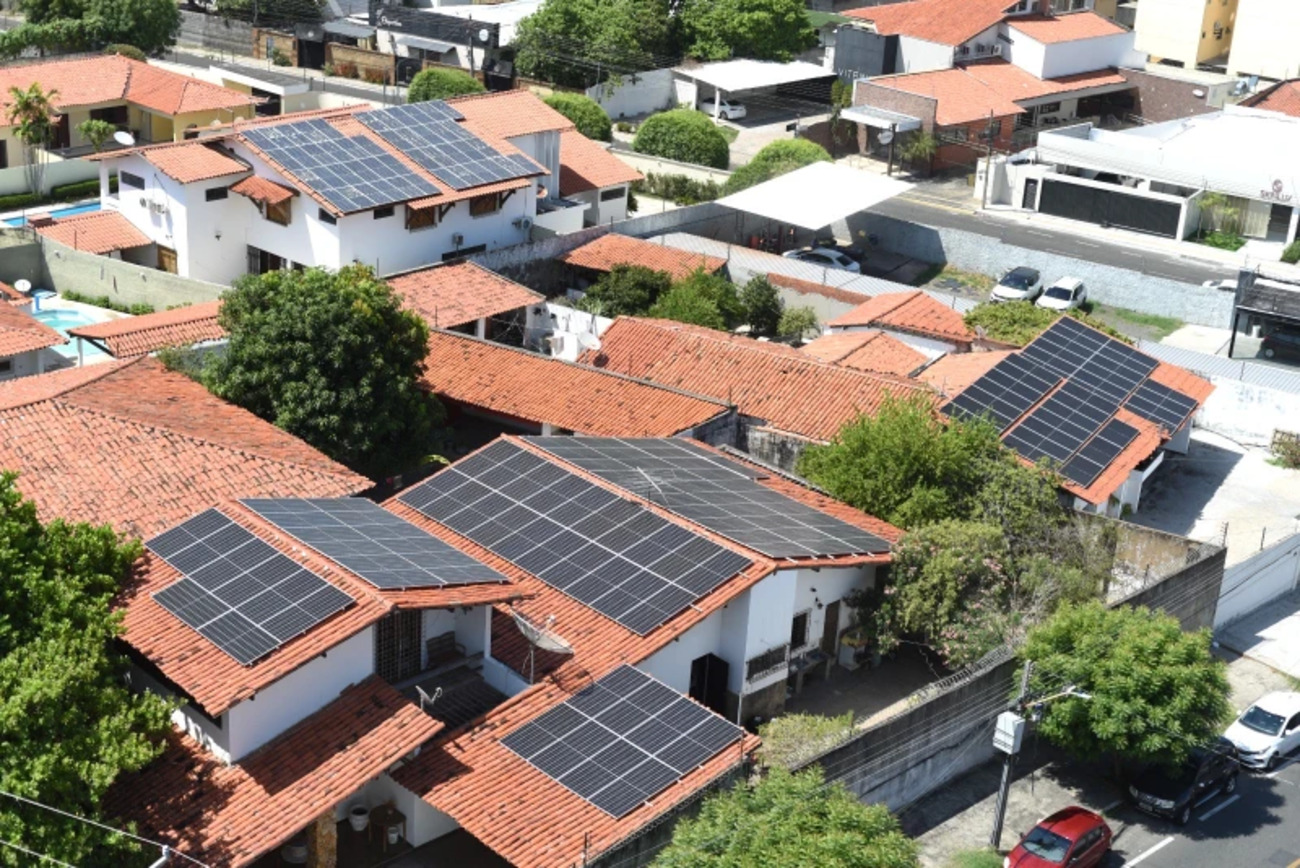

According to the ministry, led by Vice President Geraldo Alckmin, the change seeks to enhance the local production chain and contribute to the country’s environmental commitments.
The expectation is to generate around 21,000 direct jobs and 100,000 indirect jobs, in addition to attracting R$ 1.6 billion per year in research and development investments.
Growth of Solar Energy in the Country
Brazil currently has 21,224 photovoltaic plants and 2,641,323 solar generation units in the distributed generation (GD) modality.
Together, they account for 43.6 gigawatts (GW) of installed capacity, representing about 18.7% of the national electricity matrix, according to the National Electric Energy Agency (Aneel).
Solar energy already ranks second in the country’s electricity matrix, only behind hydropower, according to data from the Brazilian Solar Photovoltaic Energy Association (Absolar).
In November 2024, Brazil surpassed the mark of 50 GW of installed capacity, joining the group of six countries at that level, alongside China, the United States, Germany, India, and Japan.
Solar Energy in the Amazon
In the last five years, more than 150,000 people in isolated areas of the Legal Amazon gained access to energy through photovoltaic kits.
The initiative is part of the Light for All program of the Ministry of Mines and Energy. By 2026, the plan is to reach 900,000 residents in 228,287 consumer units, leveraging the potential of solar energy in areas with difficult access to the electric grid.
The possible additional increase in the tariff is still under review, and there is no set date for its implementation.









Favorecer as indústrias de energia locais**
Bom artigo