





 Portuguese
  English
  Spanish
 5 min of reading
  0 comments



Largest Pre-Salt Auction Since 2022 Brings Together Multinationals and State Companies; Signing Bonus May Reach R$ 160 Million and the Winner Will Be the One Who Offers the Most Oil to the Union.
The pre-salt auction this Wednesday (22) marks the largest offering since 2022 and takes place in an atmosphere of renewed optimism after the drilling permit for a well in the Mouth of the Amazon Basin. Seven areas in the pre-salt polygon, the marine strip with the largest reserves in the country, have been made available by ANP and include everyone from Petrobras to giants like Shell and Chevron.
According to the portal Jornal de Brasília, under the current model, the bonus is fixed and the winner is the one who offers the largest share of profit oil (the portion of production that goes to the Union after the costs are deducted). If all blocks are auctioned, the initial revenue reaches R$ 160 million, in addition to investment commitments in exploration.
Who Is in the Running and Why Appetite Has Increased
The auction has the highest number of entrants since 2022. In addition to Petrobras, multinationals such as Shell and Chevron, state-owned companies from China (Cnooc and Sinopec), Colombia (Ecopetrol), and Qatar (QatarEnergy), as well as Brazilian independents like 3R and Prio, are eligible.
-
Brazilian giant expands borders in the Southeast: Petrobras confirms new oil discovery in ultra-deep waters in the pre-salt of the Campos Basin.

-
Alert in the global energy market: Severe tropical cyclone hits the coast and disrupts gas production at major plants in Australia, threatening global supply.

-
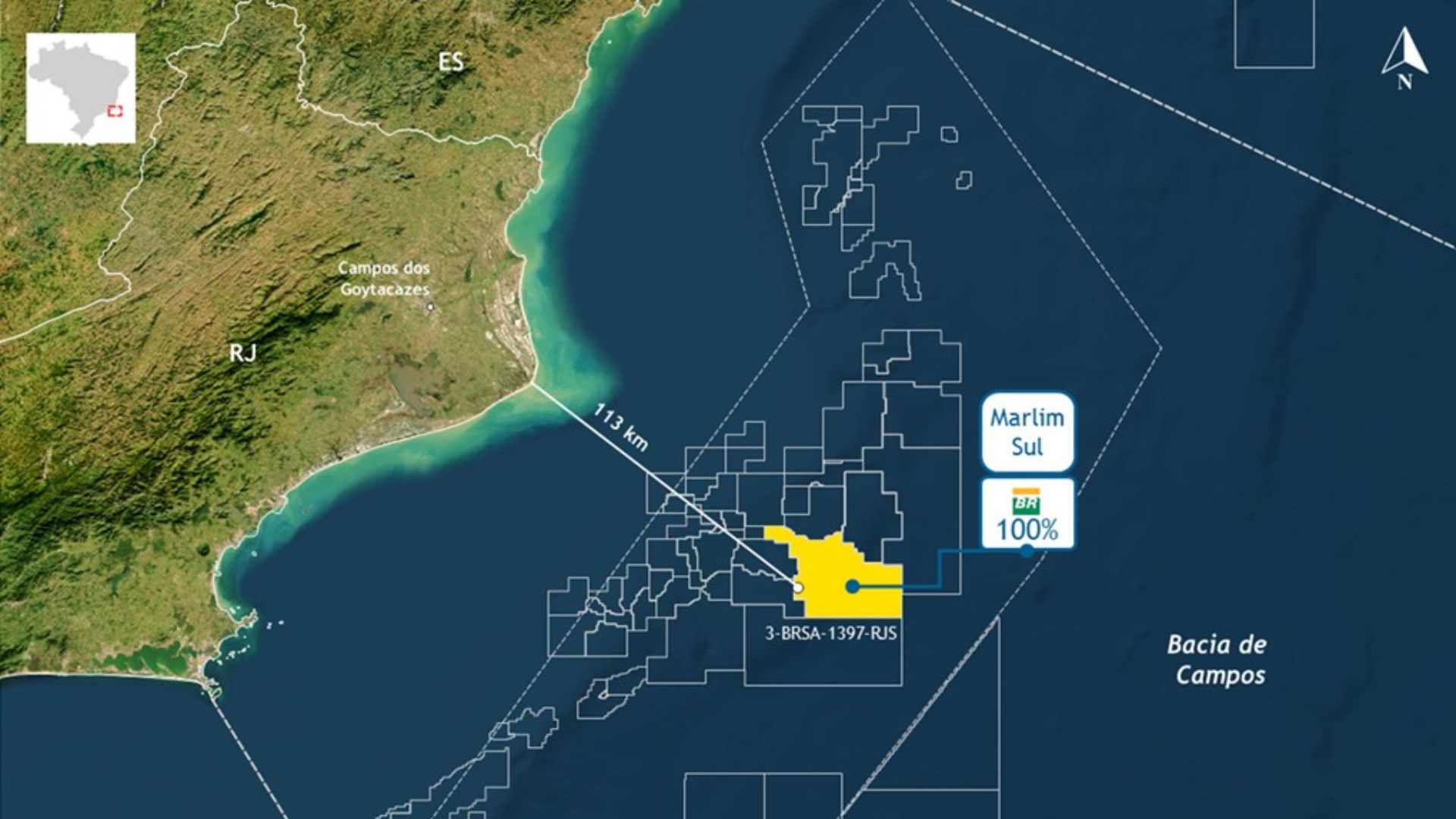
Petrobras finds high-quality oil in the pre-salt at 113 km from RJ and reignites expectations about strategic reserves in the Campos Basin.

-
Ocyan opens registrations for startups focused on innovation in the oil and gas sector and will select projects for Innovation Day with the support of Nexio.


For the sector, the license obtained in the Mouth of the Amazon reinforces the view that the country is still committed to production and exploration.
“The license improves the auction’s attractiveness by reinforcing the idea of continuity in production and the incentive to explore”, assesses the presidency of IBP.
In practice, the regulatory signal reduces uncertainty and encourages more competitive bids, especially where there are synergies with recent discoveries.
Which Areas Are Going to Auction and What They Are Worth
ANP presented 13 areas to the market, but seven received expressions of interest and were taken to the pre-salt auction: Esmeralda, Ametista, Jaspe, Citrino, Larimar, Ônix, and Itaimbezinho.
Two are located in the southern portion of the polygon, off the coast of São Paulo, an area where the British BP reported its largest discovery in 25 years.
Esmeralda and Ametista have bonuses of R$ 33.7 million and R$ 1 million, respectively, and are regarded by ANP as high-potential areas.
Jaspe carries the highest bonus in the auction, R$ 52.2 million, and a minimum profit oil percentage of 16.72%; the block is adjacent to a gas discovery by Shell and is subject to Petrobras’ right of preference, which gives the state company the option to join the project even without winning the bid.
How the Model Works and What Is at Stake
In the production sharing model of the pre-salt, the one who promises the largest share of profit oil to the Union wins, maintaining the signing bonus fixed in the announcement.
This shifts the focus from “who pays the most now” to “who delivers the most over time”, aligning public interest with long-term profitability.
For companies, the real competition lies in the volume of oil offered to the government and the structure of the consortium, especially in areas close to discoveries and existing infrastructure.
For the government, the gain is in the future flow of barrels and revenues, in addition to the effect of attracting investments and local content.
The Effect of the Mouth of the Amazon on the Auction
The environmental license for drilling in the Mouth of the Amazon does not change the areas of the auction focused on the Sudeste polygon, but changes market sentiment.
Regulatory green light in a high-visibility exploratory frontier indicates predictability and institutional coordination, critical elements for billions of dollars plans.
This backdrop tends to increase competition in “hot” blocks, such as Ametista and Larimar, where sector consultants bet on multiple bids.
In such auctions, operational and geological details weigh as much as financial appetite.
Who Wins and Who Questions
On the economic side, the initial revenue (bonus) is modest compared to the investment cycle and future revenues, but the pre-salt auction consolidates a robust pipeline of projects for the next decade.
Industrial sectors and supply chains benefit from the pace of contracts and predictability.
On the socio-environmental side, climate organizations criticize the encouragement of new oil projects, noting that the country is hosting COP this year.
For these groups, the challenge is to align energy transition goals with the expansion of the fossil portfolio, especially in sensitive areas.
The government, in turn, argues that the sharing model increases public revenue capture and that environmental licenses follow technical criteria.
Next Steps and Possible Scenarios
If five or more areas receive bids, as projected by geologists consulted by the market, the auction reinforces Brazil’s image as a priority destination for exploration capital.
Especially, blocks adjacent to discoveries tend to form strong consortiums, reducing costs and accelerating timelines.
If some areas remain unsold, the message is different: selective appetite, focusing on premium prospects and lower geological risks.
Even so, the signaling effect of the license in the Mouth of the Amazon remains, supporting the thesis of a stable calendar of offers.
The pre-salt auction this week is more than just a round of bonuses: it is a test of confidence in the regulatory framework and the country’s geology.
The license in the Mouth of the Amazon acted as a trigger for enthusiasm, but competition in the Southeast blocks will show how much optimism translates into financial commitment.
And you? Do you believe that environmental license and pre-salt auction can coexist with energy transition goals? In your view, should Brazil prioritize profit oil revenue now or accelerate diversification to renewables? Share in the comments how these movements impact your area — energy, industry, finance, or environment.









Seja o primeiro a reagir!