





 Português
  Inglês
  Espanhol
 5 min de leitura
  0 comentários


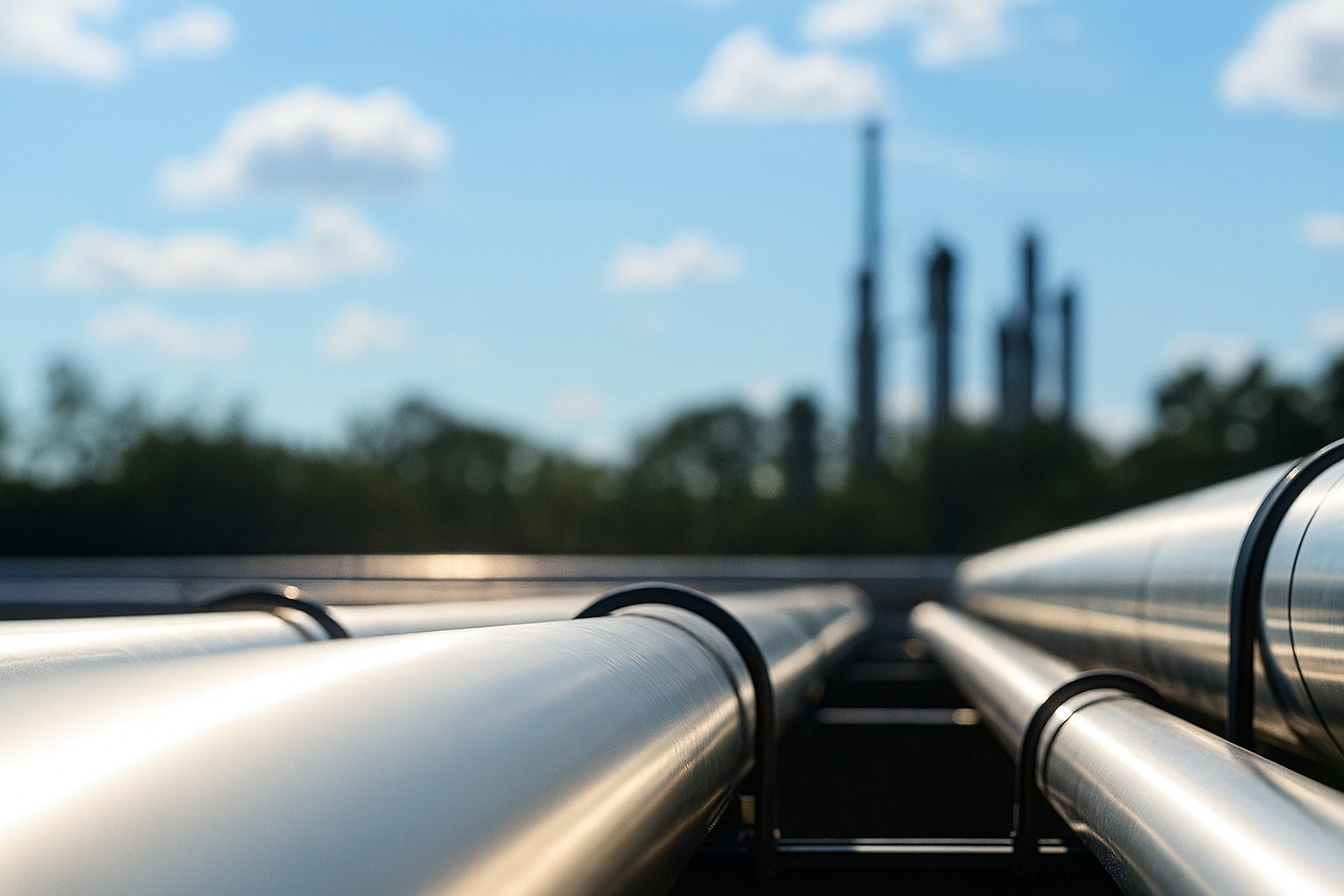
Advance in Decarbonization for the Gas Sector with New Targets That Stimulate Biomethane and Clean Energy in Brazil.
The natural gas sector in Brazil is undergoing a significant transformation, as the government now regulates the decarbonization targets for the coming years.
In September 2025, the federal government published decree No. 12,614, detailing Law No. 14,993 of 2024, creating the National Decarbonization Program for Natural Gas Producers and Importers and encouraging the use of biomethane.
Thus, the country marks a new chapter in Brazilian energy policy, in addition, aligning itself with global targets for reducing greenhouse gas emissions.
-
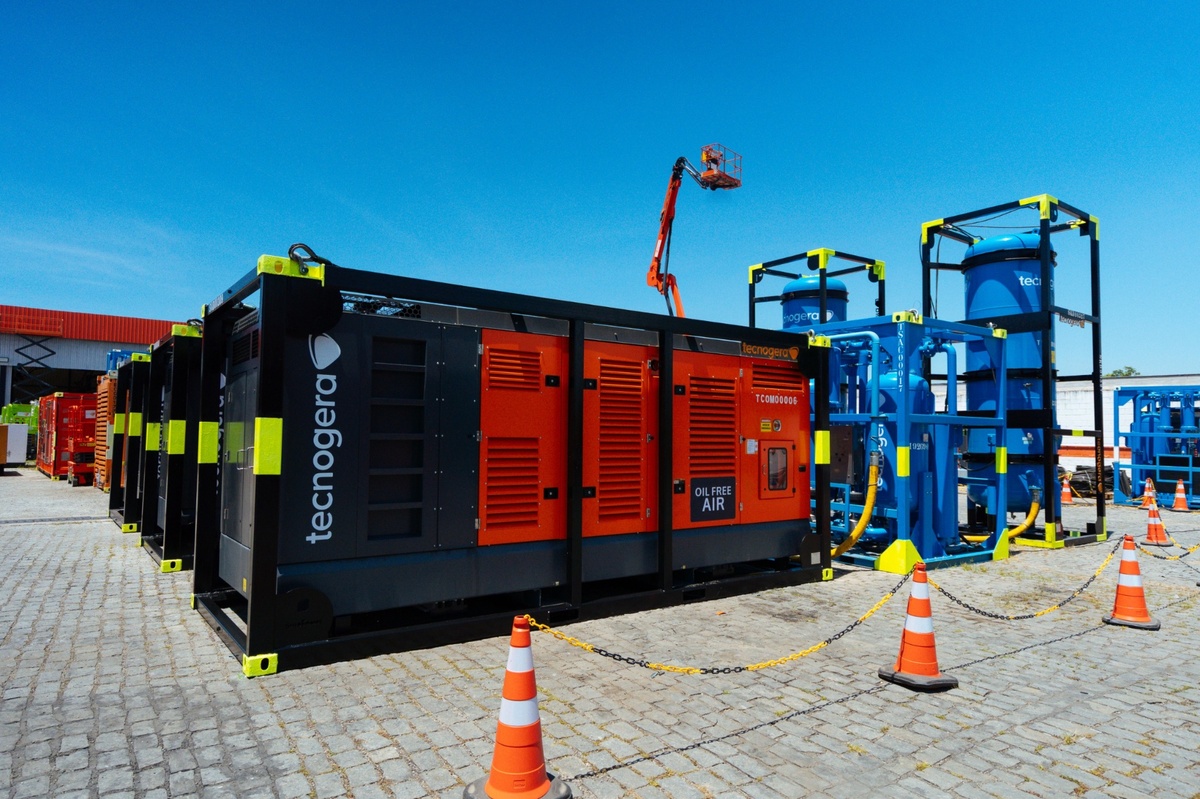
Offshore industrial demand in Macaé skyrockets with the recovery of oil and gas and could grow by up to 396% by 2026 in the Campos Basin.
-
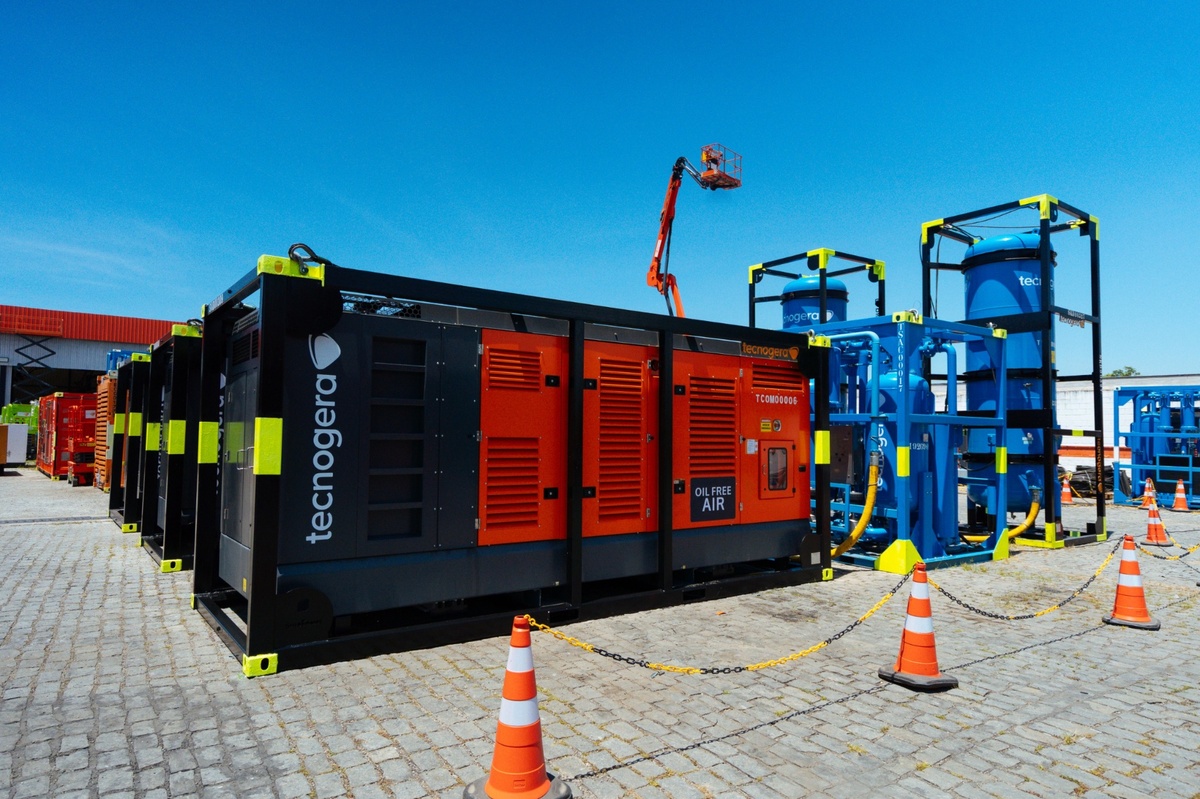
Offshore industrial demand in Macaé surges with the recovery of oil and gas and could grow by up to 396% by 2026 in the Campos Basin.
-
Brazilian giant expands borders in the Southeast: Petrobras confirms new oil discovery in ultra-deep waters in the pre-salt of the Campos Basin.

-
Alert in the global energy market: Severe tropical cyclone hits the coast and disrupts gas production at major plants in Australia, threatening global supply.


Historically, Brazil has a growing natural gas sector, with production concentrated in offshore oil fields, primarily in the Campos Basin, and significant imports of liquefied natural gas.
For decades, the sector focused on expanding infrastructure and meeting energy demand, without, however, implementing structured decarbonization mechanisms.
Therefore, the 2025 decree marks the beginning of a new era, where sustainability and emission reductions become obligations for natural gas producers and importers.
The decree establishes that starting in 2026, all companies will have to demonstrate a annual reduction of their greenhouse gas emissions.
The initial target will be 1%, potentially reaching 10% in subsequent years, reinforcing the country’s commitment to a gradual and sustainable energy transition.
Thus, the sector will be able to adapt without compromising energy supply, in addition to encouraging technological innovation and the production of renewable fuels, such as biomethane.
Furthermore, the program promotes integration among different sectors of the economy, such as agriculture, industry, and transportation, creating a more efficient and less polluting energy ecosystem.
For example, the production of biomethane utilizes organic waste that could generate pollution, contributing to the decarbonization of the gas sector and stimulating circular economy practices.
Instruments for Decarbonization and Incentives for Biomethane
One of the central instruments of the program is the Biomethane Guarantee of Origin Certificates (CGOBs).
With these certificates, companies can prove the production and commercialization of biomethane and, thereby, meet their decarbonization targets.
The decree also allows that the volumes of natural gas from small producers and importers be excluded from the calculation of targets, recognizing the adaptation challenges of this segment.
Companies can also proportionally reduce the target based on the decarbonization achieved through the use of biogas in electricity generation.
Additionally, the regulation of decarbonization targets for the gas sector accompanies the expansion of biomethane production and infrastructure in the country.
The government offers financial incentives, credit lines, and priority in federal programs, encouraging private and public investments in the production chain of biodiesel.
Brazil has already accumulated significant experiences in biogas and biomethane, mainly in states with a strong agribusiness presence, such as São Paulo and Minas Gerais.
These experiences serve as a basis for a more structured and efficient growth of the sector.
Furthermore, the creation of regional biomethane hubs accelerates technological dissemination, making the sector more competitive and sustainable in the long term.
Consequently, companies become better prepared to meet decarbonization targets.
The incentive for technological innovation stimulates investments in more efficient equipment, carbon capture processes, and solutions that increase biomethane production without compromising quality or energy security.
Therefore, decarbonization for the gas sector emerges as an opportunity for economic growth allied with environmental protection.
Oversight, Regulation, and the Role of Government
The decree assigns the National Agency of Oil, Natural Gas, and Biofuels (ANP) the responsibility to oversee and validate the targets.
Companies that fail to meet the requirements will face fines calculated based on the market value of the certificates, in addition to other penalties provided by law.
Thus, the mechanism ensures credibility for the program and creates an environment of legal and regulatory security for investors.
The decarbonization policy for the gas sector integrates the Future Fuel Program, launched in 2024.
The program diversifies the Brazilian energy matrix, promotes the use of renewable sources, and encourages the reduction of carbon emissions in transportation and industry.
Therefore, the regulation of targets consolidates this policy, allowing the country to advance toward a low-carbon economy.
On the international stage, Brazil meets commitments made in climate agreements, such as the Paris Agreement, which defines global targets for reducing greenhouse gas emissions.
The regulation of decarbonization targets for the gas sector reinforces the commitment to sustainability and stimulates technological innovation, while at the same time companies seek efficient solutions to capture, produce, and market biomethane.
The regulation also encourages public-private partnerships, essential for expanding the necessary infrastructure for biomethane production and distribution.
Thus, these partnerships reduce costs, accelerate investments, and create regional solutions adapted to the reality of each state, strengthening the clean energy market in Brazil.
Social, Economic, and Regional Benefits
The expansion of biomethane production generates jobs in the value chain, from organic waste collection to the operation of processing plants.
Municipalities near biomethane projects receive investments in infrastructure and opportunities for professional training.
Therefore, the policy strengthens regional development and the local economy, while contributing to emission reductions.
Additionally, decarbonization for the gas sector reduces the dependence on imported fossil fuels, increasing the energy security of the country.
The diversification of the matrix strengthens the industrial sector and opens opportunities for small and medium enterprises involved in the biomethane chain, from technology suppliers to waste collection cooperatives.
The success of decarbonization for the gas sector depends on the collaboration between government, companies, and society.
The Ministry of Mines and Energy (MME) will present to the National Energy Policy Council (CNPE) the necessary study to define the targets, ensuring decisions based on technical data and realistic projections.
Thus, institutional participation creates clear rules, stimulating long-term investments in the sector.
Path to a Sustainable Energy Matrix
The regulation of decarbonization targets positions Brazil in a new phase of energy development, where sustainability, innovation, and environmental responsibility become priorities.
Decree No. 12,614 stimulates the structural transformation of the gas sector, promoting the use of biomethane and other clean energy sources.
Historically, this measure reinforces the integration of the Brazilian energy matrix with global standards of sustainability and combating climate change.
In summary, decarbonization for the gas sector is a decisive step toward consolidating a cleaner, more efficient, and resilient energy matrix.
The regulation strengthens the role of biomethane, creates verification instruments such as origin certificates, and establishes robust oversight mechanisms.
At the same time, it promotes economic development, technological innovation, and social responsibility.
This policy shows that it is possible to reconcile energy growth with sustainability, positioning Brazil as a reference in clean energy in Latin America and worldwide.










Seja o primeiro a reagir!