





 Portuguese
  English
  Spanish
  4 min of reading
  0 comments


U.S. Diplomats Visited Brazil to Discuss Opportunities in the Mining Sector and Reduce Dependence on Chinese Minerals
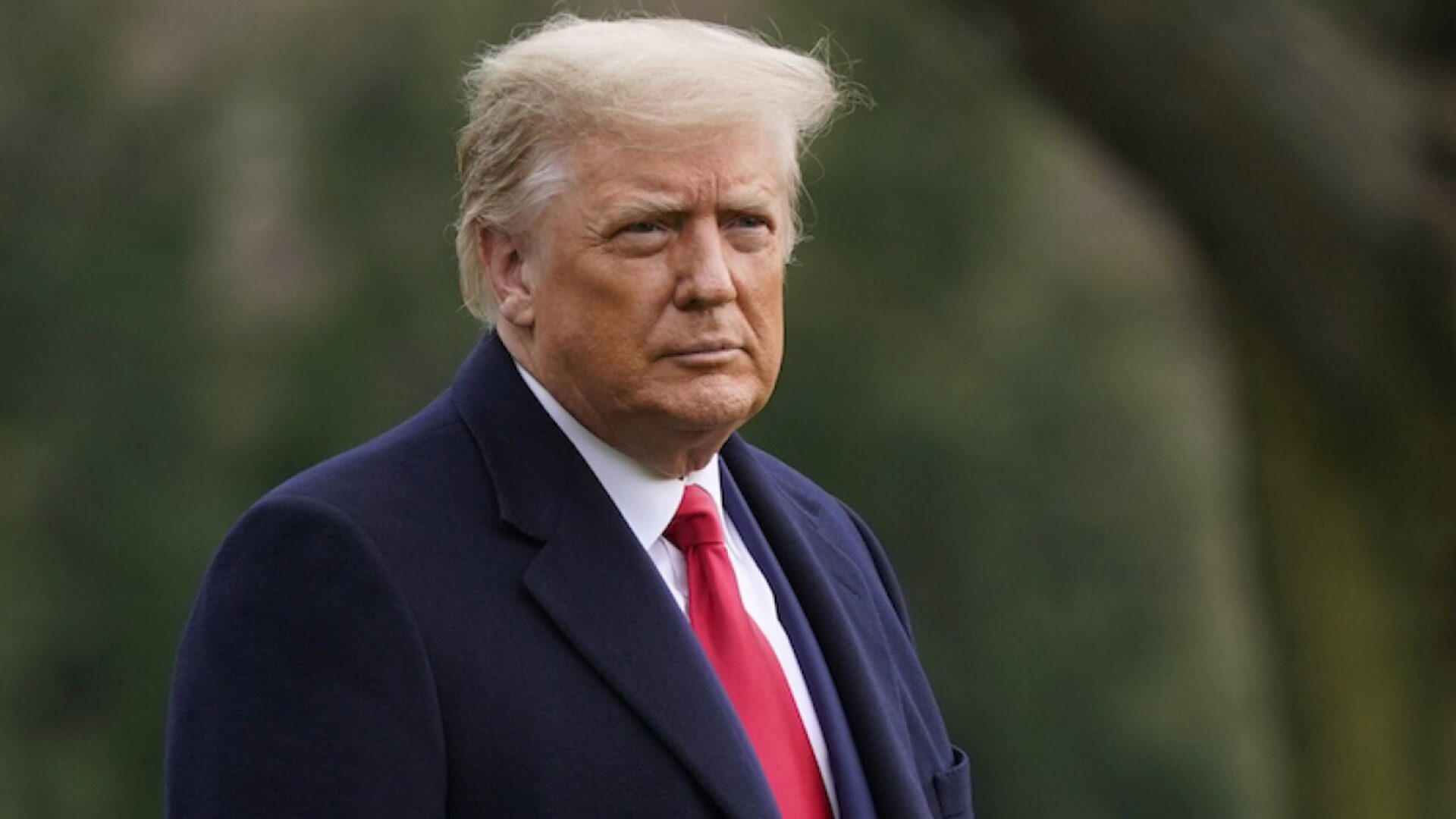
Diplomats from the President of the United States, Donald Trump, made a visit to Brazil in April, intending to explore opportunities in the mining sector, especially regarding rare earth elements. This information was confirmed to CNN by the president of the Brazilian Mining Institute (Ibram), Raul Jungmann, who participated in the meetings.
The Interest of the United States in the Rare Minerals Sector


The diplomatic mission had an exploratory nature, according to Jungmann, who highlighted the interest of Trump’s representatives in understanding partnership possibilities. “They inquired about the viability of collaborations and expressed curiosity about why Brazil, despite its great potential, still maintains low volume trade in this sector,” said the director. The visit is part of a broader strategy by the United States to diversify its sources of supply of rare minerals, which are vital for various industries, including technology, renewable energy, and defense.
These rare minerals include elements like neodymium and lithium, essential for manufacturing batteries for electric vehicles and electronic devices. With the growing demand for sustainable technologies and the transition to a low-carbon economy, the search for these inputs is increasing globally. China currently dominates nearly 80% of the global rare earth market, raising national security concerns for the United States and its allies.
-
Larger than entire cities in Brazil: BYD is building a 4.6 km² complex in Bahia with a capacity for 600,000 vehicles per year, but the discovery of 163 workers in conditions analogous to slavery has shaken the entire project.

-
With an investment of R$ 612 million, a capacity to process 1.2 million liters of milk per day, Piracanjuba inaugurates a mega cheese factory that increases national production, reduces dependence on imports, and repositions Brazil on the global dairy map.

-
Brazilian city gains industrial hub for 85 companies that is equivalent to 55 football fields.

-
Peugeot and Citroën factory in Argentina cuts production by half and opens a layoff program for more than 2,000 employees after Brazil drastically reduced purchases of Argentine vehicles.


The Strategy of the United States to Reduce Dependence on China
As part of this strategy, the United States has entered into an “economic partnership agreement” with Ukraine, allowing Washington access to the country’s rare earth minerals in exchange for an investment fund in Ukraine. This approach aims to ensure that the United States has access to alternative sources of critical minerals, reducing dependence on China and diversifying its supply chains.
Additionally, Trump also expressed interest in “annexing” Greenland, a Danish territory that possesses vast reserves of critical minerals, including rare earths. This proposal, though controversial, emphasizes the urgency of securing access to strategic resources in a rapidly changing geopolitical landscape.
The Mineral Potential of Brazil and Investment Opportunities

According to Raul Jungmann, the visit of the diplomats from the United States is just one of several that Brazil has received from foreign delegations interested in exploring the mineral potential of the national territory. Brazil is rich in mineral resources, with significant reserves of lithium, nickel, and other essential elements for modern technology production.
In recent years, the Brazilian government has sought to attract foreign investment to the mining sector, recognizing this segment’s importance for the country’s economic development. Brazil has large deposits of lithium in the Minas Gerais region, which have become a focus of international interest, especially with the growth of the electric vehicle industry.
The Global Race for Rare Minerals and Its Implications
The growing demand for rare earth elements is also being driven by the global transition to renewable energy. With the need for batteries to store solar and wind energy, lithium, in particular, has become a strategic resource. Brazil, with its vast territory and rich mineral biodiversity, has the potential to become a significant player in this market.
Furthermore, the race for rare minerals raises questions about environmental and social issues. The mining sector can have significant impacts on the environment and local communities, making it essential that investments are made sustainably and responsibly. Brazil, which already faces challenges related to mineral exploitation, such as deforestation and conflicts with indigenous communities, must ensure that any international partnership respects environmental standards and human rights.
The Future of Mining in Brazil in the Global Context
With the increasing global interest in rare minerals, Brazil is in a unique position to benefit from this scenario. Cooperation with the United States and other countries can bring significant investments to the mining sector, creating jobs and driving economic development. However, it is crucial that this growth is balanced with environmental protection and respect for affected communities.
The future of mining in Brazil will depend on the country’s ability to position itself as a reliable supplier of rare minerals, while addressing the social and environmental concerns that accompany the exploitation of natural resources. The search for strategic partnerships, such as those made by Trump’s diplomats, is an important step in this direction, but it must be accompanied by a commitment to sustainability and social responsibility.
SOURCE: CNNBRASIL







Seja o primeiro a reagir!