





 Portuguese
  English
  Spanish
  4 min of reading
  0 comments


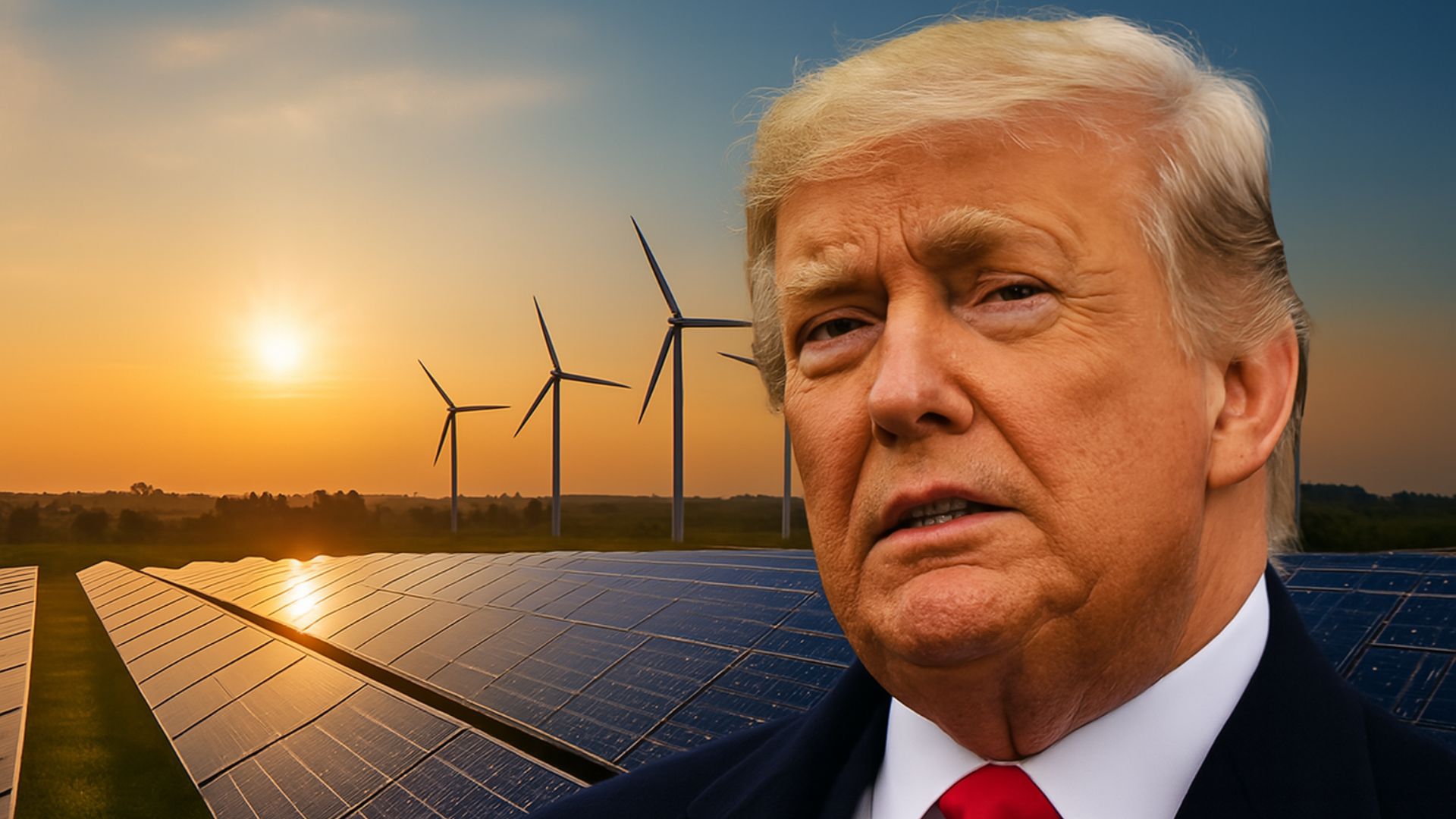
Trump Cuts US$ 7.5 Billion in Subsidies for Renewable Energy in Several States: Impact on Solar, Wind Projects, and Environmental Policy
On Friday (3), according to data from Exame magazine, the Trump Administration announced a billion-dollar cut of US$ 7.5 billion in subsidies for renewable energy, directly affecting 223 solar and wind projects in 16 states. This decision marks a drastic reorientation in the environmental policy of the United States.
Trump Administration Cuts Subsidies for Renewable Energy: Immediate Impact on States
The energy landscape of the United States underwent a turnaround on October 3, 2025, when the Trump Administration officially canceled more than US$ 7.5 billion in subsidies intended for renewable energy.
The measure, announced by the Department of Energy, directly affects 223 solar and wind projects in 16 states. The official justification points to a lack of economic viability and insufficient returns for public coffers.
-
Renewable energy advances over protected areas in Brazil, and a survey by the Energy Transition Observatory reveals silent impacts that challenge environmental conservation and pressure sensitive traditional territories.

-
Rio Grande do Sul accelerates energy transition: State invests in renewable technologies and consolidates decarbonization strategies and pathways to attract billions in new industrial investments.

-
With 160,000 m² of collectors, an area larger than 20 football fields, Silkeborg, in Denmark, hosts a solar thermal plant that heats 19,500 homes and could become the largest solar heating plant in the world.

-
A study reveals the expansion of renewable energy procurement in Brazil and shows how companies are taking advantage of opportunities to reduce expenses, ensure energy efficiency, and strengthen strategic environmental commitments.


According to the statement, 321 grants were canceled, representing an estimated savings of US$ 7.56 billion for American taxpayers. The projects were linked to agencies such as:
- Clean Energy Demonstration
- Energy Efficiency and Renewable Energy
- Smart Grid Modernization
- Advanced Energy Research Projects
The Department of Energy stated that the projects had low relevance to meet national energy demand. Furthermore, 26% of the canceled subsidies were awarded between November 2024 and January 2025, a period between the election and Trump’s inauguration.
Billion-Dollar Cut Affects Solar and Wind Projects in US States
The cuts directly affect states like California, New York, Illinois, Oregon, Washington, and others. These states concentrate a large part of the investments in renewable energy, especially in offshore solar and wind farms.
“The false initiative of the ‘Green New Deal’ will be canceled”, declared Russell Vought, director of the Office of Management and Budget, referring to the Biden administration’s climate plan. According to the source, the measure is seen by experts as a political retaliation since the affected states are predominantly Democratic and lead energy transition initiatives.
Renewable Energy at Risk: Impacts on Solar and Wind Projects
The Trump Administration’s decision directly affects the expansion of clean energy sources. The cancelled solar and wind projects were in the development or deployment phase, with the potential to power millions of homes and reduce carbon emissions.
Main Impacts:
- Disruption of construction at offshore wind farms on the East Coast
- Suspension of solar projects in various states
- Reduction of installed clean energy capacity in the coming years
- Discouragement of technological innovation in the energy sector
Furthermore, companies and investors betting on the energy transition now face regulatory and financial uncertainties, which could compromise the competitiveness of the US in the global clean energy market.
Trump Administration Prioritizes Fossil Fuels and Nuclear Energy
Since taking office, the Trump Administration has prioritized coal mining, hydraulic fracturing, and advanced nuclear energy. The justification is to meet the growing energy demand of data centers that support the development of artificial intelligence.
Trump stated that the United States would need to significantly increase its electricity generation in the coming years, possibly tripling it, emphasizing the need for reliable and high-density energy sources.
This shift in focus represents a setback in environmental policy, with direct impacts on carbon neutrality goals and the international commitments made by the US.
The measure has generated a strong reaction from environmentalists, Democratic governors, and energy experts. Many accuse the Trump Administration of politicizing the energy transition, penalizing opposing states and favoring traditional sectors. The decision also raises concerns about meeting the climate goals set by the Paris Agreement, of which the US rejoined in 2021.
Solar and Wind Projects Seek Alternatives After Billion-Dollar Cut
The billion-dollar cut could slow the progress of renewable energy in the US, compromising climate goals and the country’s technological leadership. However, states like California and New York have already announced that they will seek alternative funding to keep their projects active.
Private companies, investment funds, and international organizations may play a crucial role in the sustaining solar and wind projects, even in the face of reduced federal support.
Additionally, there is an expectation that Congress, particularly Democratic senators, will propose measures to restore some of the incentives through state or federal legislation.
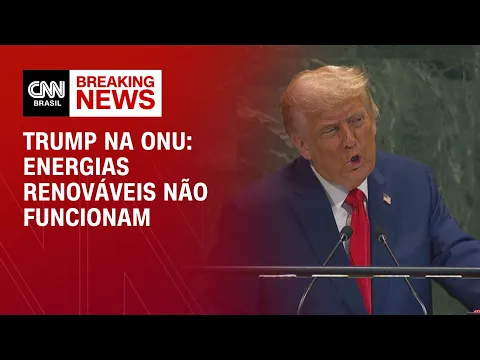

The Future of Renewable Energy in the United States
The announcement made on October 3, 2025, by the Trump Administration represents a milestone in the energy policy of the United States, with profound implications for the renewable energy sector. The billion-dollar cut of US$ 7.5 billion in subsidies directly affects solar and wind projects in Democratic states, generating controversies and environmental concerns.
The decision reinforces the government’s priority for fossil fuels and nuclear energy, while undermining sustainable initiatives that had been gaining momentum in recent years. For the future, it will be essential to monitor how the affected states and the private sector react, seeking alternatives to keep the energy transition alive.
Renewable energy remains a strategic bet for sustainable development, and its defense requires political articulation, innovation, and societal engagement.









-

Uma pessoa reagiu a isso.