





 Portuguese
  English
  Spanish
  4 min of reading
  0 comments



With an Investment of R$ 80 Billion, the Federal Government Seeks to Revolutionize Transportation in Brazil and Interconnect South America with Modern Railways. The Promise is 14 Thousand Jobs and Cutting-Edge Infrastructure.
Get ready for a new phase of gigantic investments in Brazil! The federal government is moving to integrate states that were left out of an ambitious project that promises to change the country’s infrastructure and interconnect South America through railways.
With the promise of generating thousands of jobs and modernizing transportation, this initiative could transform the Brazilian economic landscape, but many still do not know the details that make this project so impactful.
According to internal government sources, this new phase brings a proposal that goes far beyond national borders.
-
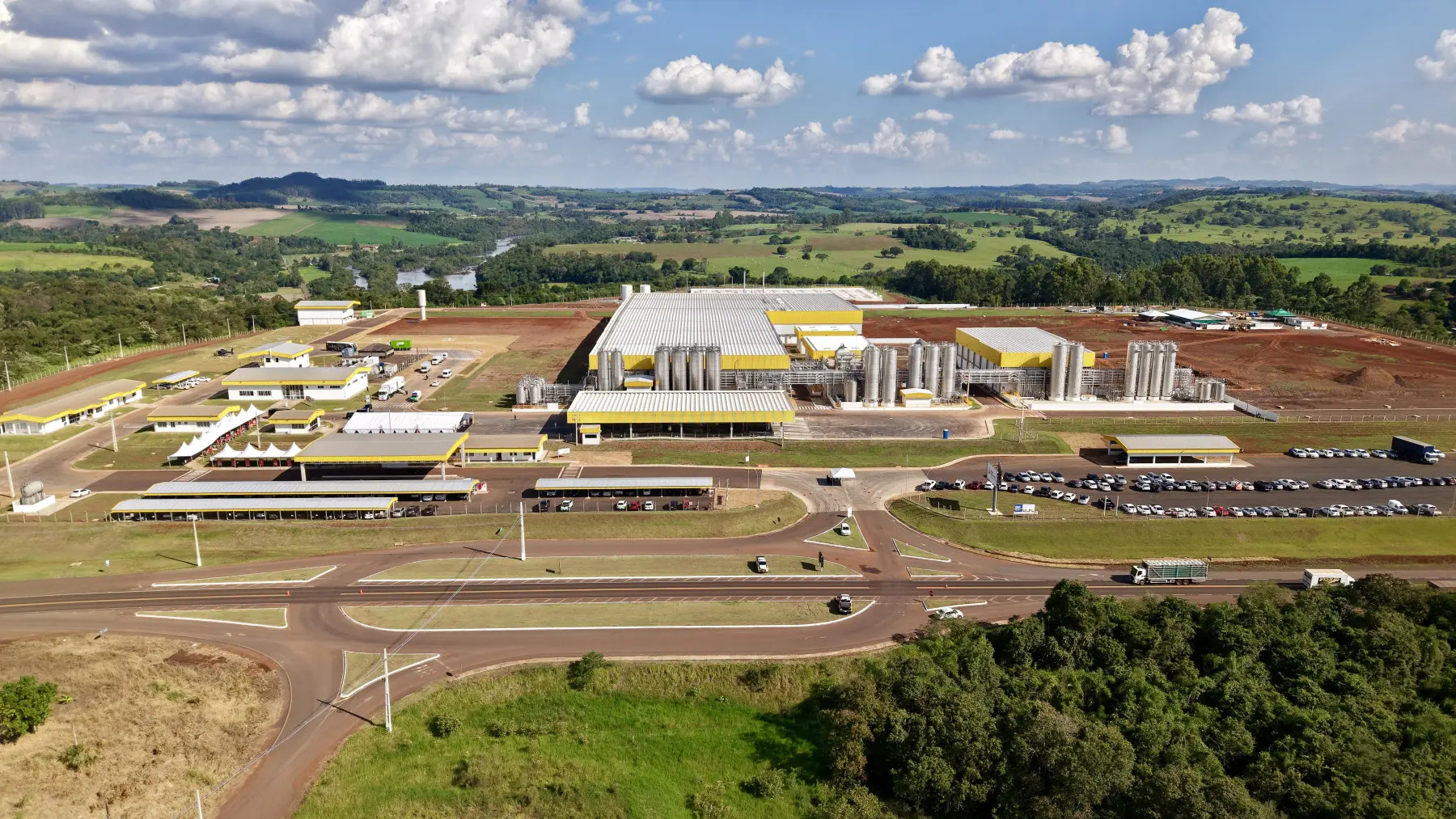
With an investment of R$ 612 million, a capacity to process 1.2 million liters of milk per day, Piracanjuba inaugurates a mega cheese factory that increases national production, reduces dependence on imports, and repositions Brazil on the global dairy map.
-
Brazilian city gains industrial hub for 85 companies that is equivalent to 55 football fields.

-
Peugeot and Citroën factory in Argentina cuts production by half and opens a layoff program for more than 2,000 employees after Brazil drastically reduced purchases of Argentine vehicles.

-
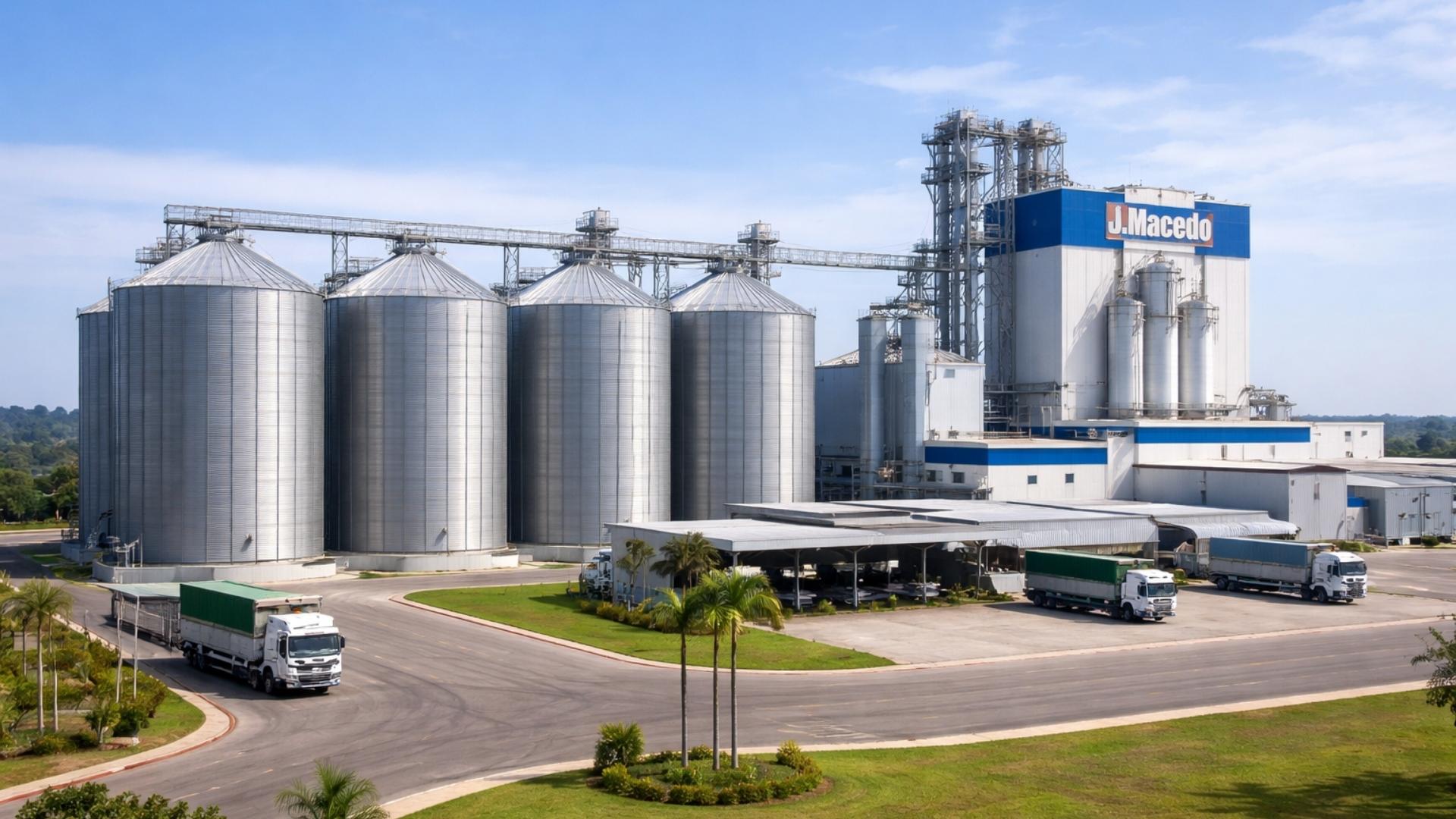
A Brazilian city gains a factory worth R$ 300 million with the capacity to process 200 thousand tons of wheat per year, a mill of 660 tons/day, silos for 42 thousand tons, and an industrial area of 276 thousand m².

The promise is of a colossal investment that aims not only to improve internal logistics but also to connect Brazil to its South American neighbors.
The estimated amount exceeds R$ 80 billion, and the expectation is that this sum could generate up to 14 thousand jobs directly and indirectly, depending on the progress of the works. The focus is on expanding the rail modal, a sector that has been sidelined for many years.
Inclusion of New Regions and Expansion of Routes
According to CNN Brasil, the federal government announced that the Northeast and Southeast regions, as well as Goiás and Tocantins, will finally be included in the railway project aimed at interconnecting all of South America.
According to the Ministry of Planning and Budget (MPO), led by Simone Tebet, the original plan left these states out, but the new phase, which began to be outlined in September 2024, seeks to correct this.
In the third phase of the program, the government intends to include the routes that link these states to the main project, using railways as a foundation. The North-South Railway, with its 2,257 km, will be one of the protagonists of this expansion.
It goes from the Port of Itaqui (MA) to the Port of Santos (SP), crossing the states of Goiás and Tocantins. Additionally, other projects like the Midwest Integration Railway (FICO), the West-East Integration Railway (FIOL), and the Transnordestina are also part of this planning.
Billion-Dollar Investments and Job Creation
The new PAC (Growth Acceleration Program) provides for an investment of R$ 80 billion, with R$ 53 billion exclusively for the railway sector.
This amount will be used to construct over 3,000 km of new railways, with the aim of reducing transportation costs and improving international competitiveness.
The modernization of highways, such as the duplication of the BR-163 in Mato Grosso and the BR-101 in the Northeast, is also part of the package.
According to industry experts, every billion invested has the potential to generate 14 thousand direct and indirect jobs.
If everything goes as planned, this could result in around 1 million new job openings by the completion of the project, making it one of the largest job creation initiatives in the country in recent years. However, these numbers are estimates and may vary depending on the pace of the works.
Challenges and Impasses Along the Way
Although the project is grandiose, there are challenges that could delay its implementation. Environmental licensing, attracting private resources, and meeting schedules are points that the government still needs to adjust to ensure the project’s success.
Additionally, some railways, such as FIOL and Transnordestina, face impasses that must be resolved before construction can effectively progress.
To address these challenges, an inter-ministerial committee was created, consisting of 12 ministries, including the Ministries of Transport and the Environment.
This committee will be responsible for coordinating the different sectors involved, ensuring that the impasses can be overcome.
Environmental Impact and a Sustainable Future with Railways
Another aspect that the government highlights is the positive environmental impact that railways can bring. The bet on the rail modal aims not only to reduce logistics costs but also to contribute to the decarbonization of the Brazilian economy.
With fewer trucks on the roads and more trains transporting goods, Brazil can move towards a more sustainable transportation system, aligned with global goals for carbon emission reductions.
In addition to railways, cabotage (maritime transport between ports of the same country) and waterways are alternatives that are also being studied to integrate the states into the railway plan.
According to the Ministry of Planning, the final decision on which modal will be prioritized in each region depends on negotiations with the states, which will be consulted before any final decision is made.
What to Expect in the Coming Years?
The federal government is heavily investing in regional integration and modernization of transportation infrastructure in Brazil, aiming not only for internal economic growth but also the creation of a logistics corridor that could transform South America.
The success of this plan depends on a number of factors, such as meeting deadlines, attracting private investors, and overcoming legal and environmental obstacles.
But the question remains: is Brazil really prepared to meet this timeline and deliver on the promises made over the years? Or will these challenges once again delay the dreams of a modern and integrated railway infrastructure? The answer, of course, only time will tell.







Seja o primeiro a reagir!