





 Portuguese
  English
  Spanish
 4 min of reading
  2 comments


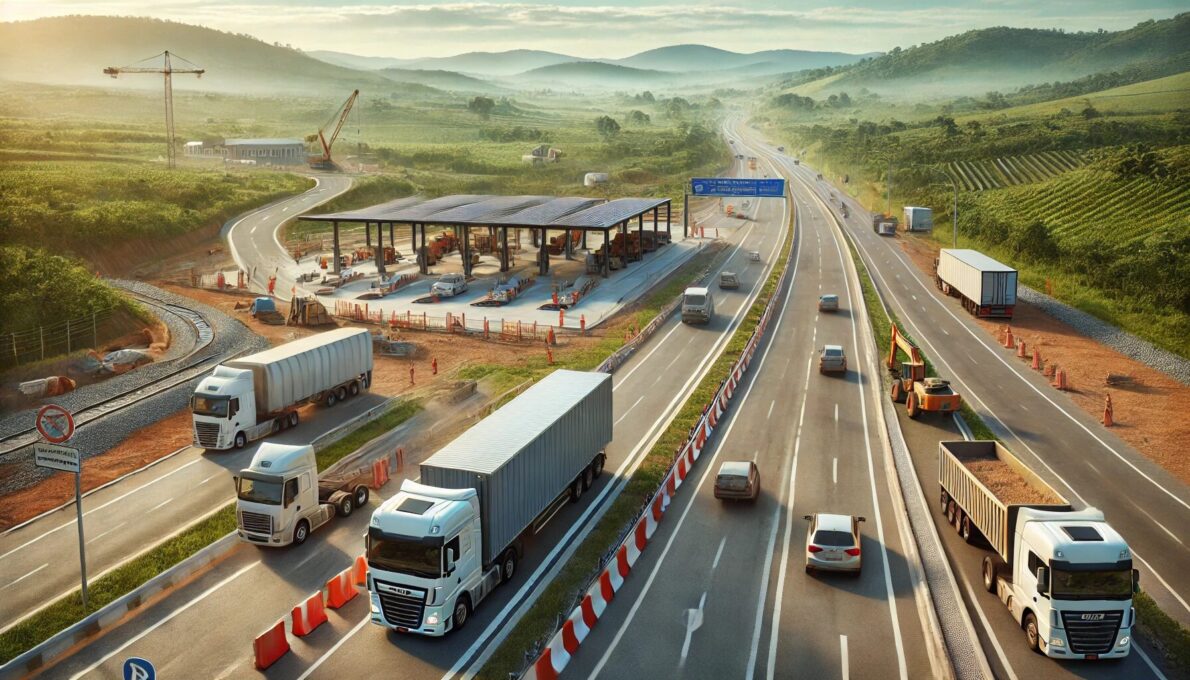

The Federal Government Will Invest More Than R$ 7 Billion to Transform the BR-101. Rest Areas for Truckers and More Than 169 Km of Duplications Will Be Created by 2026.
Little is imagined about the impact of a long trip on the conditions of a Brazilian highway. However, the BR-101, one of the largest highways in Brazil, is about to undergo a historic transformation.
The federal government announced a colossal investment that could forever change the experience for truck drivers and motorists. But what does this investment really mean for those who travel there every day?
Billion-Dollar Projects and Infrastructure Modernization
The answer comes with an impressive number: R$ 7.18 billion. This is the amount that will be injected into the BR-101 to improve infrastructure, according to the Ministry of Transport.
-
Unemployment rises again to 5.8% at the beginning of 2026, raising alarms about the end of temporary positions and its impact on the Brazilian job market.

-
Document organization can cut invisible costs in small businesses, a simple step that prevents waste, rework, and losses in daily operations.

-
Chinese giant worth nearly R$ 4 billion that manufactures cables for electric cars, solar energy, and robotics wants to open a factory in SC.
-
Many employers do not know, but the law guarantees domestic workers a 25% increase in salary during trips, 50% for overtime, 20% for night shifts, and 17 additional benefits that can lead to labor lawsuits if not paid.

Eco101, the company responsible for the concession, has been tasked with carrying out most of this investment, with R$ 1.87 billion allocated just for the first three years of the new contract.
This amount will be applied to various improvements, such as the construction of Rest and Stopping Points (PPD) for truck drivers, duplications, and modernization of sections, in addition to additional and marginal lanes.
The Federal Court of Accounts (TCU) was responsible for approving the modernization of the concession contract, which allowed these works to be carried out.
This measure is expected to alleviate a problem that has affected truck drivers for years: the lack of adequate infrastructure on the roads.
Duplications and Improvements Along the Highway
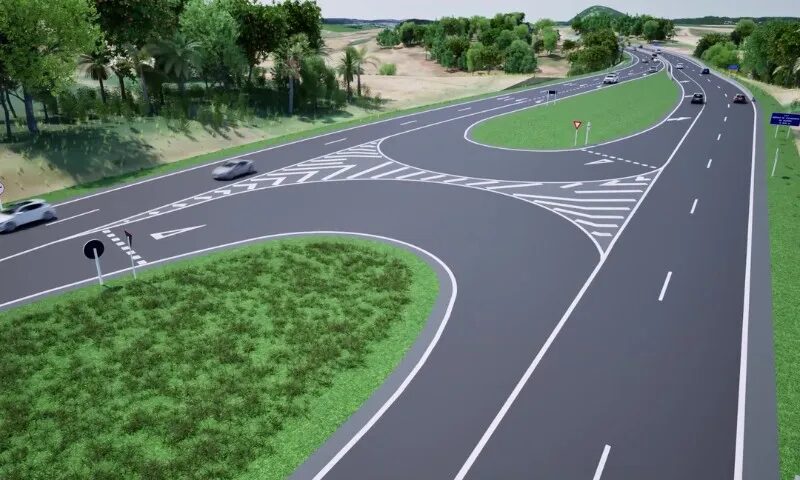
The plan is ambitious. 169 km of the BR-101 is set to be duplicated by 2026. Additionally, there will be 41 km of additional lanes and 11 km of marginal roads, as specified by the Ministry of Transport.
Work will begin immediately after the auction, which should take place in approximately 70 days. Thus, within 30 days after the auction, improvements on the highway will already begin to be implemented.
This highway is essential for Brazil, linking the Southeast to the Northeast and facilitating the transport of goods between the regions.
Espírito Santo, traversed from end to end by the BR-101, will be one of the biggest beneficiaries, especially in areas close to the border with Rio de Janeiro and Bahia.
Scheduled Duplications: Yearly Schedule
To ensure the progress of the works, the duplication will be carried out in phases. In the first year, the section between Vila Velha and Anchieta (from 308.2 to 357.7 km) will be duplicated, totaling 49.50 kilometers.
In the second year, it will be the turn of the section between Fundão and Serra, covering 15.2 kilometers. The third year will bring improvements to the stretch from João Neiva to Ibiraçu, with 3 kilometers of duplication.
In the fourth year, there will be interventions in Aracruz and João Neiva (14.90 km) and in Ibiraçu (0.90 km).
The fifth year will see significant duplication, with 69 km of road being expanded from Anchieta to Atílio Vivácqua.
Finally, in the seventh year, another 64.81 km will be duplicated, with 30.41 km between Linhares and Aracruz, and 34.40 km from Atílio Vivácqua to Mimoso do Sul.
Economic and Social Impacts
These works represent not only an improvement in road infrastructure but also bring a series of economic benefits to the region.
Espírito Santo, for example, will gain important logistical momentum, favoring industries and commerce.
The president of the Federation of Industries of Espírito Santo (Findes), Paulo Baraona, highlighted the importance of this investment in addressing logistical bottlenecks.
According to him, the proposed solution could address infrastructure issues that have persisted for decades.
The modernization has also pleased local transporters. For Mario Natali, superintendent of the Union of Transport and Logistics Companies in the State (Transcares), the government’s effort to seek a solution meets the expectations of both transporters and local residents.
Rest Areas for Truck Drivers on the BR-101
One of the most anticipated aspects of this modernization is the creation of two Rest and Stopping Points (PPD) for truck drivers, essential for safety on the roads.
However, the Ministry of Transport has not yet revealed the exact locations where these PPDs will be installed.
The lack of adequate stopping points has been a recurring complaint among truck drivers, who need safe and comfortable areas to rest during long journeys.
These rest areas, once built, will provide a significant improvement in the working conditions of these professionals, contributing to road safety and reducing accidents caused by fatigue.
Next Steps
The auction marking the concession of the new contract is scheduled to take place in 70 days. After that, improvements are expected to begin within 30 days.
This marks a significant difference from the old model, where works could take four to seven years to resume if the process of returning the stretch occurred.
This new approach will ensure a faster and more efficient response, directly benefiting all drivers who use the BR-101.
Will the billion-dollar investment be enough to solve Brazil’s logistical problems?








Visto que o investimento não será o suficiente, a intervenção será feita apenas na BR 101 e temos outras rodovias muito importantes para o escoamento de cargas no país, algumas são pedagiadas e não oferecem o mínimo de segurança e pontos de apoio para os motoristas como a BR 116 por exemplo onde o trecho pedagiado não tem os padrões necessários para trafegar com segurança.
Esse povo não têm **** em anunciar isso?