





 Portuguese
  English
  Spanish
  3 min of reading


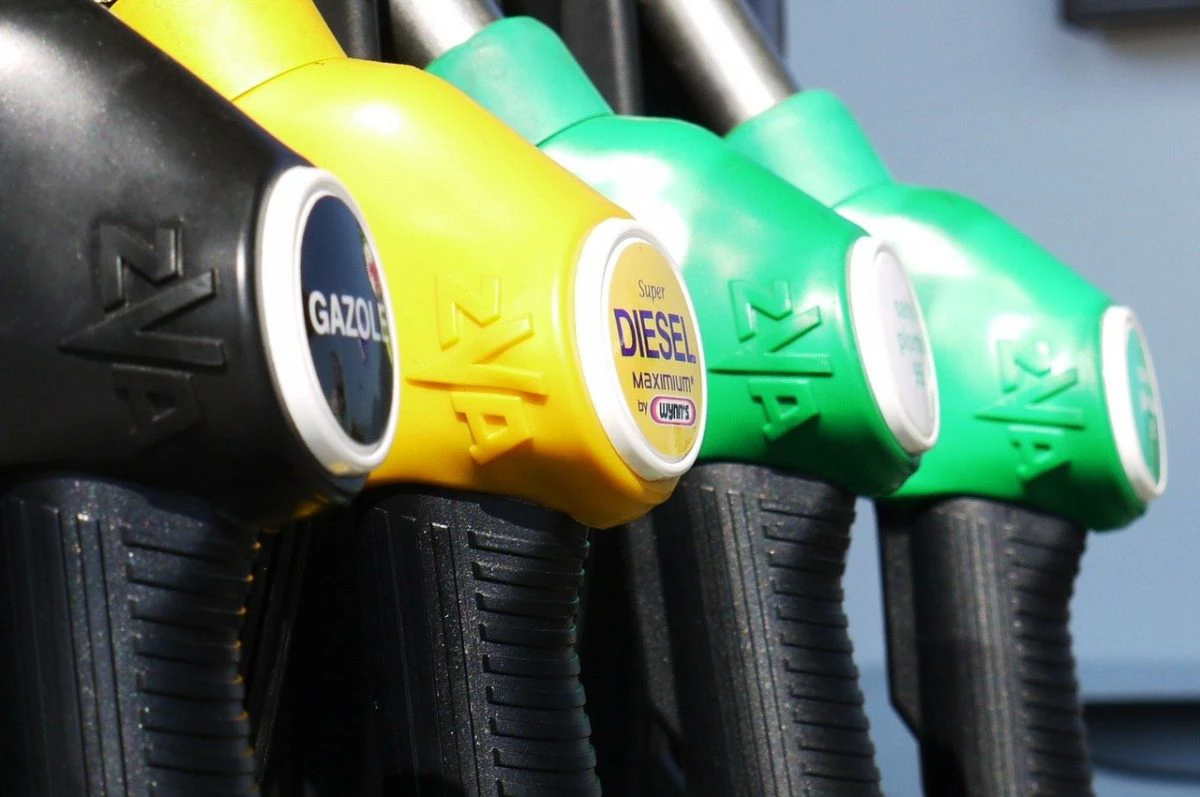
The Measure to Set ICMS and Establish a Uniform Diesel Tax Rate Can Help Consumers’ Wallets
On March 22, during a meeting of governors in Brasília, they chose to extend the freeze on the Goods and Services Circulation Tax (ICMS) on fuels for another quarter, in addition to applying a single tax rate on diesel fuel, according to the law recently approved by the Federal Congress and sanctioned by Jair Bolsonaro, the President of the Republic.
However, one of the provisions of the fuel law, Article 7 of the regulation, presents a transition rule to freeze the ICMS charge on gasoline until the end of this year, based on the average prices from the last five years. Thus, the transition rule for freezing the ICMS would be responsible for causing an even greater shortfall in state budgets.
Therefore, the States need to go to the Federal Supreme Court (STF) to try to prevent this provision of the ICMS freeze law on gasoline – a fuel that may see its price decrease – from remaining in effect. The States argue that the law regarding ICMS on diesel and gasoline is unconstitutional for conflicting with their autonomy, violating the Fiscal Responsibility Law (LRF), and colliding with electoral law, which restricts the granting of privileges during an election year.
-
The government requests the Federal Revenue Service for a new system to automate the income tax declaration, reducing errors, time, and bureaucracy for millions of Brazilians.

-
Pix in installments, international Pix, and contactless payment without internet: the Central Bank revealed the new features coming to the tool that is already used by almost every adult in Brazil.

-
Mercado Livre has just started selling medications with delivery in up to three hours to your door, and this move could completely change the way Brazilians buy medicines on a daily basis.

-
In Dubai, rising tensions from the war in the Middle East are causing super-rich individuals to leave the Gulf and direct their fortunes to a new financial refuge in Asia.


According to Wellington Dias (PT), governor of Piauí – the state with the most expensive gasoline in the country –, the States estimate that, from these measures, they will be able to reduce the loss of ICMS revenue on fuel from R$ 30 billion to R$ 14 billion this year.
According to a report produced by the virtual news outlet Broadcast, the application of a single tax rate on diesel may increase the tax burden charged on fuel in the Federal District, in São Paulo, and in eight other Federative Units, where the current tax rate on diesel is lower than in other states.
In order to prevent or mitigate this increase in diesel taxes, state secretaries are analyzing the possibility of adopting a tax incentive to neutralize the fuel price hike. In this way, the final consumer’s wallet would not be affected, as the impacts would fall on the state governors’ budgets. The formula for this is still to be defined, expected to occur during a meeting of the National Finance Policy Council (Confaz) next Thursday, March 24.
Also Watch the Following Segment from Jovem Pan News:

Companies Study Potential of HVO, the “Future Diesel” that is Less Polluting than Oil Derivatives and May Be Key to the Survival of Combustion Engines
HVO is a renewable drop in the diesel substitute fuel that offers users a 90% reduction in greenhouse gas emissions, as well as significant benefits for air quality. Its renewable status is attributed to the nature of its raw materials, which are generally plant-based, food, or animal waste. In addition to all these advantages, HVO reduces fine particulate matter (PM) by 33%, hydrocarbons (HC) by 30%, carbon monoxide (CO) by 24%, and nitrogen oxides (NO) by 9%. All pollutants with high emission levels when biodiesel is consumed. To learn more, check out this article in full by clicking here.







Seja o primeiro a reagir!