





 English
  Francês
  Alemão
  Italiano
  Japonês
  Norueguês
  Portuguese
  Spanish
  3 min of reading


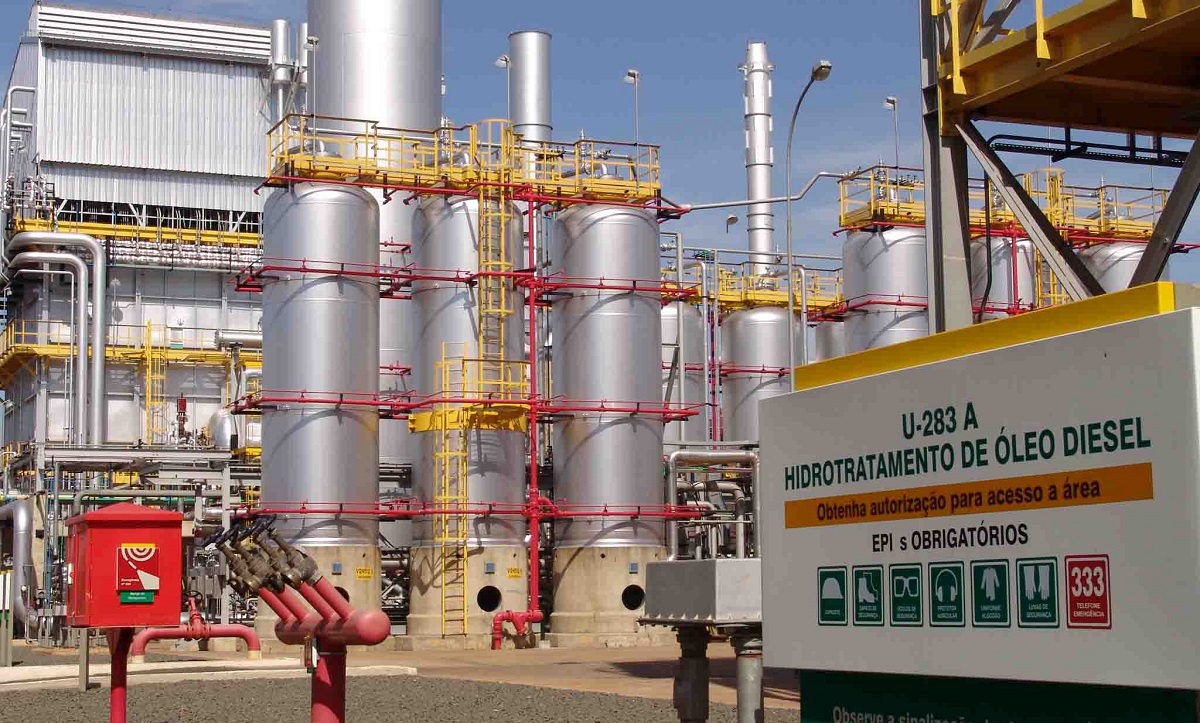
Investors Pulled Back From Purchasing Petrobras’ 4 Refineries After Parente Cut Diesel Prices by 10%
Petrobras’ decision to reduce the average price of diesel sold at its refineries by 10% will directly affect its ability to attract investors to buy the four refineries it is selling. Even with the state-owned company’s president, Pedro Parente, stating that the decision was not motivated by pressure from the government or truck drivers, who are striking for reduced fuel prices, it is hard to believe any investor will dissociate the two strategies. “Our goal is to generate value for shareholders in the medium and long term. We are not dogmatic,” Parente said.
Add to the menu of difficulties for selling the refineries the general elections in October. Without a clear indication of who will be the new president of the Republic, it becomes increasingly unfeasible to know what energy policy will be adopted starting in 2019. Moreover: what energy policy will not be adopted from next year.
-
Government unlocks R$ 554 million for a highway that has been requested for decades and accelerates the duplication of BR.
-
Without bricks, without cement, and without endless construction: the cardboard house that is assembled in modules and can be moved.

-
Billions of barrels on the equatorial margin could lead Amapá to double its oil production in Brazil — the state aims to enter the route of companies in the Campos Basin, attract investments, and boost jobs and businesses in the oil and gas sector.
-
Without bricks, without cement, and without endless construction: the cardboard house that is assembled in modules and can be moved.

Petrobras is selling 25% of its market share in the national refining sector. Whoever takes the units in the South will still have a monopoly in the region and may even consider entering the distribution market for derivatives, depending on their own strategy. However, with Petrobras holding 75% of the market, it will not be able to form prices. And this will certainly factor into the equation.
And the inability to form prices as of yesterday gains even more significance in this equation. Without the structure to compete against a company that will have three-quarters of the market, a potential future investor – in a situation like that taken by Petrobras regarding diesel prices – needs to follow the decision or risk losing market share. In a business with tight margins like refining, such a risk can even make a project unfeasible.
Some risk analysts participating in the La Jolla Energy Conference, which is taking place in San Diego, USA, believe that this risk has now made the deal more expensive for Petrobras. And, of course, it might lower the final price of a proposal for its refining units. The perception is that the deal will now face much more difficulty in being realized. “This decision places a political risk on the deal that could even make it unfeasible,” commented an analyst who requested anonymity.
Truck drivers entered their fourth day of protests against high fuel prices on Thursday (5/24). In Brasília, there are reports of closed stations, with fuel supplies exhausted. In São Paulo, the president of the Retail Trade Union of Oil Derivatives in the state, José Alberto Paiva Gouveia, informed that, since the beginning of Wednesday (5/23), the fueling stations in the state have not received fuel, and they have enough stock to operate for only up to three days. In Rio de Janeiro, according to the Retail Fuel Trade Union of the Municipality (Sindcomb), at least half of the stations in the capital will, on Thursday, be without one of the three fuels: gasoline, diesel, or ethanol. Source E&P Brasil. LEARN ABOUT ALL PETROBRAS REFINERIES IN OPERATION HERE.








Seja o primeiro a reagir!